

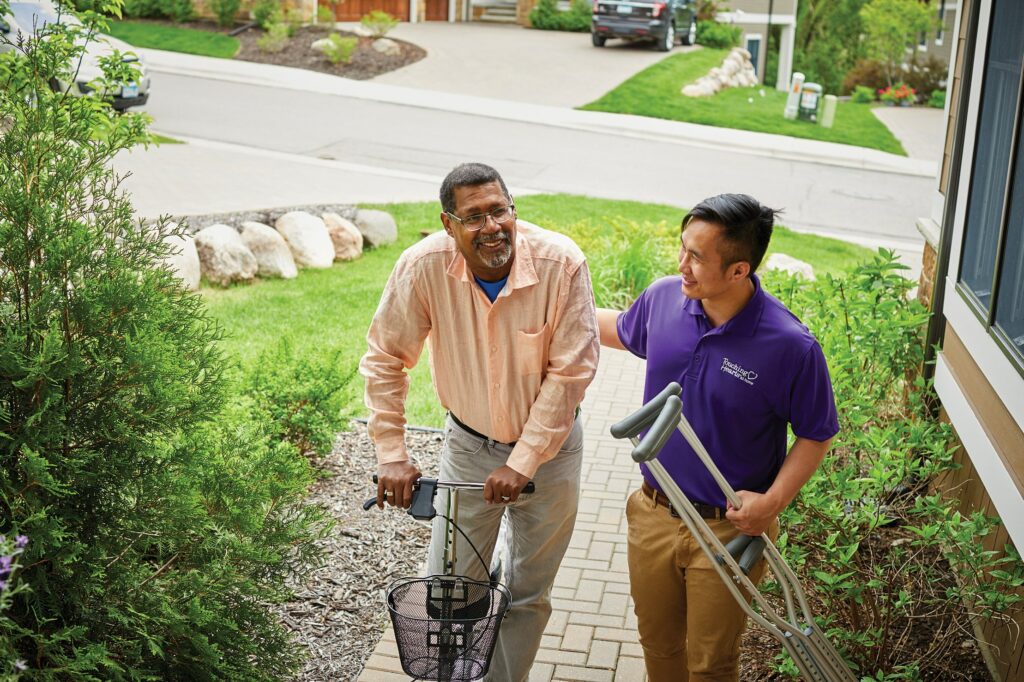
How Home Care Supports Seniors After a Fall in Broomfield
A fall can change how an older adult and their family feel about everyday life at home. Even when a parent avoids serious injury, the experience may leave them feeling nervous about walking, using the stairs, or completing simple routines independently. For adult children, seeing a parent lose confidence can be just as concerning as the fall itself.
If your parent recently fell in Broomfield, you may be wondering what kind of help they need now. Should someone stay with them during the day? Can they safely manage meals, bathing, and household tasks? And how can your family provide support without making your parent feel like they have lost their independence?
In-home care can provide practical, compassionate assistance during this transition. In this guide, we’ll explore how non-medical home care supports seniors after a fall, what families should consider when planning daily assistance, and how Broomfield’s Colorado environment can influence safety and recovery at home.
Why a Fall Can Be a Turning Point for Older Adults
A fall is not always an isolated event. It can bring attention to challenges that may have been developing gradually, such as difficulty with balance, reduced strength, vision concerns, or trouble navigating the home.
Not every fall means a senior needs ongoing care. However, it can be a valuable opportunity for families to pause and consider whether additional support would make daily life safer and more manageable.
The Emotional Impact of Falling
Older adults may become hesitant to move around after a fall. Your parent might avoid walking to the kitchen, getting into the shower, or going outside because they are afraid of falling again.
This change in confidence can affect daily routines and social activities. Gentle encouragement and appropriate support can help your parent feel less overwhelmed while they follow guidance from their healthcare team.
A Fall May Reveal New Support Needs
Your parent may have been managing independently before the fall but now needs assistance with everyday activities.
For example:
-
Preparing meals while standing for extended periods may feel difficult.
-
Moving around the home with greater caution may take more time.
-
Household chores may become tiring or uncomfortable.
-
Getting dressed or completing personal routines may require additional assistance.
-
Family members may need help monitoring changes in daily functioning and communicating concerns.
A caregiver can help with appropriate non-medical tasks while keeping your parent involved in decisions about their routine.
How Non-Medical Home Care Helps After a Fall
Touching Hearts at Home provides non-medical home care focused on companionship, daily assistance, safety, and helping seniors maintain independence. After a fall, these services can complement a healthcare professional’s recommendations and provide reassurance for family members.
Home care does not replace medical evaluation, physical therapy, or other clinical services. Instead, it helps address the practical challenges that may arise during everyday life at home.
1. Assistance with Everyday Activities
Following a fall, a senior may need more time or support with routine activities.
Depending on the client’s care plan and the caregiver’s responsibilities, assistance may include:
-
Help with dressing and personal care routines.
-
Meal preparation and assistance with everyday kitchen tasks.
-
Light housekeeping to keep frequently used areas organized.
-
Companionship while completing daily activities.
-
Support with errands and other approved household needs.
The goal is to offer assistance without unnecessarily taking away activities your parent can still do comfortably and safely.
For instance, your parent may still be able to choose their breakfast and prepare part of the meal. A caregiver can help with the steps that feel more challenging, allowing your parent to remain involved.
2. Companionship During a Period of Uncertainty
After a fall, your parent may feel less comfortable spending long periods alone. Having a familiar caregiver visit can provide social connection and reassurance.
Companionship may involve sitting together, talking, reading, or participating in familiar activities. It can also offer an opportunity for the caregiver to notice when your parent appears unusually tired, uncomfortable, or hesitant during everyday routines.
A caregiver should communicate concerns through the appropriate agency and family channels rather than attempting to diagnose a medical problem.
3. Support with Daily Routines
Predictable routines can make the day feel more manageable after a stressful experience.
A caregiver may help your parent maintain regular mealtimes, organize everyday activities, and prepare for appointments or family visits. Consistent support can also help adult children coordinate care when work and other responsibilities make it difficult to be present throughout the day.
The right schedule depends on your parent’s needs. Some families may begin with a few visits each week, while others may need more frequent assistance during a period of change.
3. Helping Seniors Feel More Confident at Home
A fall can affect more than physical movement. It may change how your parent feels about their home, their abilities, and their willingness to try everyday activities.
A supportive caregiver can help create an environment where your parent feels respected and encouraged, without pressuring them to do more than they are comfortable doing.
Encouraging Independence Without Rushing
Independence does not mean doing everything without assistance. It can also mean making choices, participating in routines, and receiving help when needed.
For example, your parent might:
-
Choose what they would like to eat.
-
Decide when they want to rest or participate in an activity.
-
Continue completing familiar tasks that they can safely manage.
-
Ask for assistance with activities that feel more difficult.
A caregiver can offer support while respecting your parent’s preferences and pace.
Recognizing When Your Parent Seems Different
Family members and caregivers may notice changes in a senior’s routine after a fall. These observations can be helpful when communicating with the appropriate healthcare professionals.
Pay attention to changes such as:
-
Increased hesitation when walking.
-
Difficulty completing familiar daily activities.
-
Reluctance to leave the bedroom or participate in social activities.
-
New concerns about being alone.
-
Changes in appetite, energy, or general daily habits.
These observations do not establish a diagnosis. If something seems unusual or concerning, share the information with your parent’s healthcare provider.
4. Fall Safety Considerations for Broomfield Seniors
Broomfield offers access to neighborhoods, parks, shopping, and community activities, but Colorado’s changing weather can create additional considerations for older adults.
A home care plan should account for the specific environment your parent navigates each day.
Winter Weather and Icy Walkways
Colorado winters can bring snow, freezing temperatures, and icy surfaces. For a senior who has recently fallen, these conditions may create additional concerns when entering or leaving the home.
Families can consider:
-
Keeping walkways clear of snow and ice.
-
Arranging assistance with outdoor tasks when appropriate.
-
Ensuring frequently used entrances are accessible.
-
Planning errands around weather conditions.
-
Discussing outdoor mobility concerns with a healthcare professional.
A caregiver may help with approved household tasks and provide companionship during errands, but should not attempt tasks beyond their training or the agreed-upon care plan.
Indoor Hazards to Consider
Many falls happen during ordinary activities inside the home. Families may want to review the areas where their parent spends the most time.
Potential areas to examine include:
-
Hallways and walking paths.
-
Bathroom access.
-
Bedroom and nighttime movement.
-
Stairs and transitions between rooms.
-
Clutter or objects placed in frequently used areas.
A healthcare professional, physical therapist, or qualified home safety specialist may be able to provide individualized recommendations based on your parent’s circumstances.
Home care can support everyday routines, but it does not guarantee that a fall will be prevented.
Colorado’s Changing Seasons
Fall safety planning should not be limited to winter. Summer heat, changing weather, and outdoor activities may also affect how comfortable and confident your parent feels.
Families in Broomfield can consider how their parent’s schedule, transportation needs, and home environment change throughout the year. A flexible care plan can help address practical needs as circumstances change.
5. Supporting Meals, Housekeeping, and Household Comfort
After a fall, some seniors may find household tasks more demanding than before. Activities that require standing, bending, carrying, or moving between rooms can become difficult.
Non-medical home care can help reduce the everyday workload by providing assistance with appropriate household responsibilities.
Meal Preparation
Preparing a meal involves several steps, including gathering ingredients, standing at the counter, and cleaning up afterward.
A caregiver may help with meal preparation according to the client’s care plan. This can include preparing familiar foods, organizing ingredients, and helping keep the kitchen tidy.
Your parent can remain involved by choosing meals, sharing preferences, or participating in tasks they can comfortably manage.
If your parent has specific dietary requirements or swallowing concerns, coordinate with their healthcare team rather than relying on a non-medical caregiver to provide clinical dietary guidance.
Light Housekeeping
A clean, organized home can make everyday routines easier to manage.
Caregivers may assist with light housekeeping duties such as:
-
Tidying commonly used rooms.
-
Washing dishes.
-
Laundry assistance.
-
Organizing frequently used household items.
-
Maintaining a comfortable living environment.
The specific tasks provided depend on the service agreement and care plan. Caregivers should not be expected to perform activities that require specialized training or pose a safety risk.
Making Everyday Items Easier to Access
Families may want to review where commonly used items are stored. For example, frequently used kitchen supplies or personal belongings may be easier to access when organized thoughtfully.
Any changes to the home should take your parent’s preferences and safety needs into account. When necessary, seek professional guidance on home modifications.
6. How Home Care Supports Family Caregivers
A parent’s fall can affect the entire family. Adult children may begin coordinating appointments, checking in more frequently, and adjusting work or household responsibilities.
Even when family members want to help, it may not be possible for one person to be available every day.
Sharing the Responsibility
Home care can provide assistance during scheduled visits, helping families coordinate support around their existing commitments.
For example, a Broomfield family may arrange caregiver visits while an adult child is working or caring for their own household. Another family may use short-term assistance while determining what their parent’s longer-term needs will be.
The appropriate schedule depends on the senior’s situation, available family support, and the care plan.
Communicating Important Observations
Consistent communication can help families stay informed about everyday changes.
Caregivers should follow agency procedures for documenting and reporting client observations. Family members can also share relevant concerns with the parent’s healthcare team.
Good communication helps everyone understand what support is being provided and when the family may need to revisit the care plan.
Allowing Family Time to Remain Family Time
When adult children take on every caregiving responsibility themselves, conversations with their parents can begin to focus primarily on tasks and concerns.
Professional in-home support may allow family visits to include more companionship and shared experiences, rather than only household responsibilities.
Home care does not replace the relationship between a parent and child. It can help create space for that relationship to continue in a meaningful way.
7. When Should Families Consider Home Care After a Fall?
There is no single schedule that works for every senior following a fall. Some parents need limited assistance, while others may require more consistent support with everyday activities.
The first step is understanding what has changed and what assistance is appropriate.
Questions to Ask About Your Parent’s Needs
Consider the following questions:
-
Can your parent comfortably manage their usual daily routines?
-
Have they become more hesitant about moving around the home?
-
Are meals, housekeeping, or personal care tasks becoming difficult?
-
Is someone available to help during the times your parent needs assistance?
-
Has your parent’s healthcare team recommended any activity restrictions or support?
-
Would regular companionship help your parent feel more comfortable at home?
These questions can help your family begin a practical conversation about care.
Start with the Care Plan
If your parent has recently received medical attention, discuss the recommended recovery instructions with their healthcare team. Ask what activities are appropriate and what limitations should be considered.
Touching Hearts caregivers provide non-medical assistance within the agreed-upon plan of care. They should not independently change medical instructions, provide medical treatment, or make clinical decisions.
A home care consultation can help your family discuss daily support needs and determine whether the services offered are a suitable fit.
Care Needs Can Change Over Time
Your parent’s needs may change as they regain confidence, adjust to new routines, or experience other challenges.
A care plan can be revisited when circumstances change. Families may consider whether the frequency of visits, types of assistance, or communication arrangements continue to meet their parent’s needs.
The goal is to support your parent’s dignity and independence while responding thoughtfully to changing circumstances.
8. How to Talk to Your Parent About Home Care
Some older adults may feel uncomfortable discussing home care after a fall. They may worry that accepting help means they can no longer live independently.
Approaching the conversation with patience can make a difference.
Begin with Their Experience
Instead of immediately suggesting that your parent needs a caregiver, ask how they have been feeling since the fall.
You might say:
-
“What has felt hardest since you came home?”
-
“Is there anything around the house that feels more difficult right now?”
-
“Would it help to have someone visit while you get back into your routine?”
-
“What kind of assistance would make you feel more comfortable?”
These questions invite your parent to share their perspective.
Emphasize Support, Not Loss of Independence
Explain that home care can be designed around the activities your parent wants to continue doing.
A caregiver can assist with selected tasks while your parent remains involved in decisions about their day. The objective is to provide support that respects their preferences and dignity.
Allow Time for the Decision
Your parent may not be ready to agree to every type of help immediately. A calm conversation may need to happen more than once.
If there are urgent safety concerns, do not delay necessary medical attention or professional assessment while waiting for a family discussion to resolve.
Frequently Asked Questions
Here are several common questions families in Broomfield may have when considering in-home care after a senior experiences a fall.
Can home care help my parent after a fall?
Yes. Non-medical home care can assist with appropriate daily activities, companionship, meal preparation, light housekeeping, and other services included in the care plan. It does not replace medical evaluation or rehabilitation.
Does my parent need a caregiver after every fall?
Not necessarily. The need for home care depends on your parent’s daily functioning, support network, healthcare recommendations, and personal preferences. A fall can be an opportunity to review whether additional assistance would be helpful.
Can a caregiver help my parent walk after a fall?
Caregivers may assist with mobility-related routines when the task is within their training and the client’s approved care plan. Families should clarify mobility instructions with the healthcare team and agency before arranging assistance that involves physical support.
Can home care prevent another fall?
Home care may support safer everyday routines, but it cannot guarantee fall prevention. Identifying hazards, following healthcare guidance, and considering professional fall-risk assessments may help families address relevant concerns.
How soon can we arrange in-home care in Broomfield?
The timing depends on caregiver availability, your parent’s needs, and the service arrangements. Contact Touching Hearts to discuss your situation, available services, and potential scheduling options.
If you’re feeling unsure about your parent’s needs, Touching Hearts offers a free, no-pressure in-home consultation in Broomfield. We’re here to support your family every step of the way.

