How Home Care Supports Seniors After a Fall in Westminster
A fall can change everything in an instant. Even if an older adult avoids a serious injury, the experience often leaves them feeling shaken, less confident, and worried about falling again. For family members, a fall is often the first sign that an aging parent may need additional support to continue living safely at home.
In Westminster, many seniors recover successfully after a fall with the right combination of medical care, family involvement, and practical day-to-day assistance. However, the weeks and months following a fall are often when new challenges begin to appear. Tasks that once seemed simple—getting dressed, preparing meals, or walking to the mailbox—may suddenly feel difficult or intimidating.
Non-medical home care can provide valuable support during recovery by helping seniors regain confidence while maintaining as much independence as possible. Although caregivers do not provide medical treatment or rehabilitation, they play an important role in assisting with daily routines, promoting safety, and offering the encouragement families need during the recovery process.
Why Falls Can Have Lasting Effects
Many people think the biggest concern after a fall is the injury itself.
While broken bones, bruises, or sprains certainly require attention, the emotional effects of a fall can sometimes last even longer.
After experiencing a fall, many older adults begin to:
- Fear walking without assistance.
- Limit their physical activity.
- Spend more time sitting or lying down.
- Avoid leaving the house.
- Lose confidence in completing everyday tasks.
This fear can gradually reduce strength, balance, and mobility, increasing the risk of future falls if seniors become less active.
Supporting recovery means addressing both the physical and emotional impact of the fall.
Common Challenges During Recovery
Every person’s recovery is different, but many seniors face similar obstacles after returning home.
Depending on the injury and overall health, they may experience:
- Reduced mobility
- Difficulty climbing stairs
- Fatigue
- Pain or stiffness
- Trouble preparing meals
- Challenges with bathing or dressing
- Difficulty completing household chores
- Anxiety about moving independently
Even temporary limitations can make everyday routines feel overwhelming without additional support.
How Non-Medical Home Care Helps After a Fall
Recovering at home often becomes much easier when seniors have someone available to assist with everyday activities.
Non-medical caregivers focus on helping older adults safely manage daily life while encouraging independence whenever possible.
Support may include:
- Personal care assistance
- Meal preparation
- Light housekeeping
- Laundry
- Grocery shopping
- Transportation assistance
- Medication reminders
- Companionship
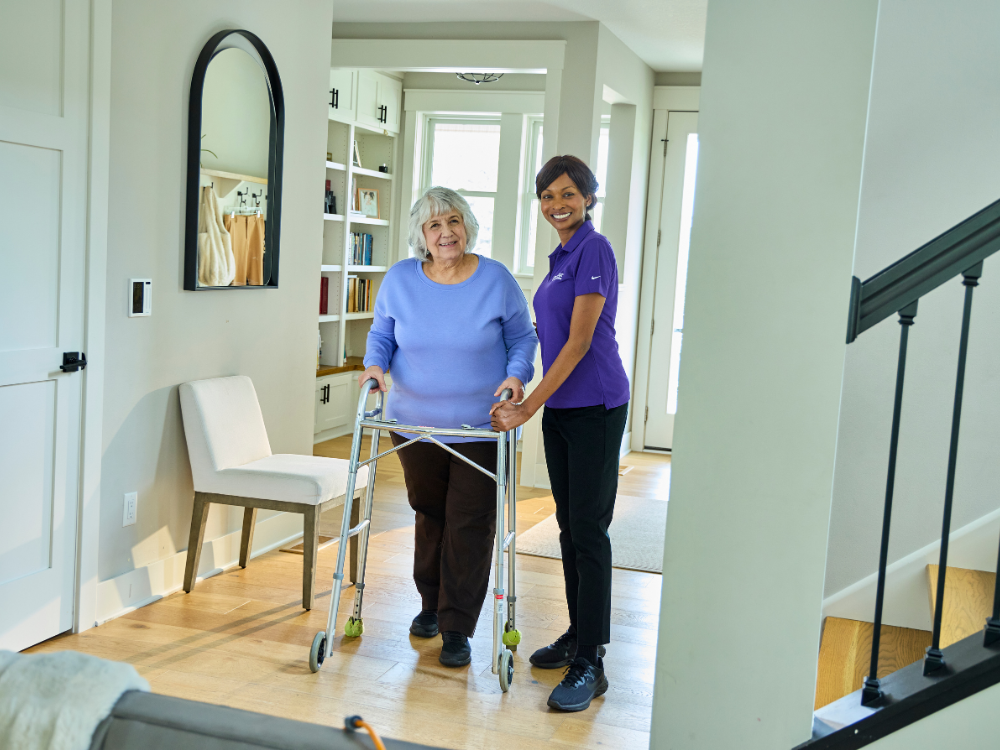
- Mobility support
- Encouragement with daily routines
This practical assistance allows seniors to focus their energy on recovery while families gain reassurance that someone is checking in regularly.
Helping Seniors Regain Confidence
Confidence is often one of the biggest things seniors lose after a fall.
Even after a physician says they’re healing well, many older adults remain hesitant to move around the house or participate in activities they once enjoyed.
A compassionate caregiver provides encouragement while respecting each person’s comfort level.
Gentle Daily Support
Rather than rushing recovery, caregivers help seniors move safely through their normal routines.
Simple encouragement while preparing breakfast, walking through the home, or completing light household tasks can gradually rebuild confidence.
Emotional Reassurance
Sometimes the greatest support is simply having another person nearby.
Knowing someone is available to assist if needed often reduces anxiety and encourages seniors to remain active instead of avoiding movement altogether.
Supporting Safe Daily Routines
Returning to familiar routines helps many older adults feel more in control after a fall.
Caregivers can assist with maintaining consistent schedules for:
Morning Activities
Beginning the day calmly helps establish a positive routine.
Support may include:
- Getting dressed
- Personal hygiene
- Preparing breakfast
- Encouraging hydration
- Reviewing appointments or daily plans
Nutritious Meals
Good nutrition supports healing and overall wellness.
Caregivers can prepare balanced meals, encourage regular eating, and help ensure seniors stay hydrated throughout the day.
Household Tasks
During recovery, chores that once seemed simple may become difficult or unsafe.
Caregivers can assist with:
- Washing dishes
- Laundry
- Vacuuming
- Dusting
- Changing bed linens
- Taking out the trash
- Organizing commonly used spaces
Maintaining a clean, organized home helps reduce unnecessary fall risks while making recovery more comfortable.
Transportation and Appointment Support
Follow-up appointments are often an important part of recovery after a fall.
Some seniors may temporarily be unable to drive, while others simply feel uncomfortable getting behind the wheel.
Depending on the care plan, caregivers can provide transportation assistance or accompany seniors to:
- Medical appointments at CommonSpirit St. Anthony North Hospital
- Physical therapy sessions
- Pharmacy visits
- Grocery stores
- Community activities
- Religious services
Having dependable transportation helps seniors continue receiving the care they need while remaining connected to their community.
Home Safety Becomes Even More Important
After a fall, families often begin noticing safety concerns they hadn’t considered before.
A caregiver can help reinforce safe daily habits while families evaluate ways to make the home more comfortable and accessible.
Helpful safety improvements may include:
- Keeping walkways free of clutter.
- Improving lighting in hallways and stairways.
- Removing loose rugs.
- Keeping commonly used items within easy reach.
- Encouraging the use of recommended mobility aids.
- Maintaining clear pathways throughout the home.
In Westminster and throughout Colorado’s Front Range, winter weather creates additional challenges. Snow, ice, and freezing temperatures can increase the risk of outdoor falls, making careful planning and regular support especially valuable during the colder months.
Recognizing When Additional Support Is Needed
While many seniors recover well after a fall, some begin experiencing new challenges that make everyday tasks more difficult.
As recovery progresses, watch for signs such as:
- Increased difficulty walking around the home.
- Avoiding stairs or certain rooms.
- Skipping meals because cooking feels unsafe.
- Declining personal hygiene.
- Canceling appointments due to transportation concerns.
- Spending most of the day sitting or lying down.
- Expressing fear about being alone.
These changes don’t necessarily mean your loved one can no longer live independently. Instead, they may indicate that additional support could help them regain confidence while continuing to age in place.
Helping Prevent Future Falls
Although no one can eliminate every fall risk, consistent daily habits can help create a safer home environment.
Companion caregivers encourage routines that support overall wellness and mobility, including:
Staying Physically Active
Movement helps maintain strength, balance, and flexibility.
Depending on recommendations from a healthcare provider, caregivers may encourage:
- Short walks around the home or neighborhood
- Gentle stretching
- Safe movement throughout the house
- Light daily activities
Remaining active often helps seniors feel more confident while reducing the tendency to become inactive after a fall.
Maintaining Healthy Nutrition
Eating balanced meals and staying hydrated supports recovery and overall health.
Caregivers can assist with meal planning, grocery shopping, and preparing nutritious meals that fit a senior’s preferences.
Creating Predictable Daily Routines
Consistent routines reduce unnecessary rushing, helping seniors move through their day more comfortably and safely.
Simple routines—such as waking up at the same time, eating regular meals, and preparing for bed each evening—can help create a greater sense of stability during recovery.
Supporting Family Caregivers During Recovery
After a parent’s fall, many adult children suddenly find themselves balancing work, family responsibilities, medical appointments, and caregiving.
It’s common to feel overwhelmed, especially during the first several weeks after returning home.
Home care can help reduce that stress by providing dependable assistance between family visits.
Knowing someone is available to help with meals, light housekeeping, companionship, and transportation allows family members to focus on emotional support rather than trying to manage every practical task themselves.
Instead of worrying about unfinished chores, families can spend meaningful time together celebrating progress and encouraging recovery.
Recovery Is Different for Every Senior
No two recovery journeys look exactly alike.
Some older adults regain their confidence quickly, while others need additional time and encouragement.
The important thing is creating a care plan that respects your loved one’s individual pace, abilities, and goals.
Non-medical caregivers work alongside families to support independence—not replace it.
By assisting with everyday routines and providing compassionate companionship, caregivers help seniors continue participating in the activities that matter most while promoting safety and dignity at home.
Helping Seniors Continue Living Safely at Home
A fall doesn’t automatically mean an older adult has to leave the home they love.
With thoughtful planning, ongoing communication, appropriate medical follow-up, and compassionate non-medical home care, many Westminster seniors continue living safely and independently for years after a fall.
The right support provides more than practical assistance—it restores confidence, encourages independence, and offers families peace of mind during an important stage of recovery.
If you’re feeling unsure about your parent’s needs, Touching Hearts offers a free, no-pressure in-home consultation in Westminster. We’re here to support your family every step of the way.
Frequently Asked Questions
Recovering after a fall often raises many questions for families. Here are answers to several of the most common.
Can home care begin immediately after a senior returns home?
Yes. Many families arrange non-medical home care shortly after a hospital stay or rehabilitation program to help seniors safely transition back to their daily routines.
Does home care include physical therapy?
No. Physical therapy is provided by licensed healthcare professionals. Non-medical caregivers support everyday activities, encourage safe routines, and complement any therapy plan recommended by a physician.
What can caregivers help with after a fall?
Depending on the care plan, caregivers may assist with personal care, meal preparation, light housekeeping, companionship, transportation assistance, grocery shopping, mobility support, and medication reminders.
How long should home care continue after a fall?
Every recovery is unique. Some seniors only need temporary assistance during healing, while others benefit from ongoing support as their needs change over time.
Can home care help reduce the risk of another fall?
While no service can completely prevent falls, caregivers can encourage safe daily routines, assist with mobility, help maintain an organized home environment, and support healthy habits that contribute to overall safety and confidence.