
How In-Home Care Can Help Reduce Hospital Readmissions in Broomfield
When an aging parent returns home after a hospital stay, families often feel relieved—but also worried. The transition from hospital to home can be a fragile time, especially for older adults who may still be recovering from illness, surgery, or injury.
Many families in Broomfield discover that the first few weeks after discharge require extra attention. Managing medications, attending follow-up appointments at UCHealth Broomfield Hospital preparing meals, and monitoring recovery can quickly become overwhelming.
Without the right support, seniors sometimes end up returning to the hospital sooner than expected. This is known as a hospital readmission, and it can be stressful for both the senior and their family.
Fortunately, in-home care can play an important role in helping seniors recover safely at home while reducing the risk of hospital readmissions.
What Is a Hospital Readmission?
A hospital readmission occurs when a patient returns to the hospital shortly after being discharged, often within 30 days.
For seniors, readmissions may happen because of:
-
Medication errors or missed doses
-
Falls or injuries at home
-
Difficulty following discharge instructions
-
Poor nutrition or dehydration
-
Missed follow-up appointments
-
Worsening symptoms that go unnoticed
These situations are common because many seniors leave the hospital still needing assistance with daily activities.
In communities across the Westminster region, families often find that additional support at home can make a significant difference during recovery.
Why the First Weeks After Discharge Matter Most
The period immediately following a hospital stay is one of the most important stages of recovery.
Seniors may feel weak, tired, or unsteady. They may also be adjusting to new medications or treatment plans.
Even simple tasks—such as preparing meals or moving safely around the home—can become challenging during this time.
Without consistent support, small issues can escalate into serious complications that require another hospital visit.
This is where in-home care can provide valuable assistance.
How In-Home Care Supports Recovery at Home
By assisting with daily tasks and monitoring changes in well-being, caregivers can help prevent many of the common problems that lead to hospital readmissions.
Medication Reminders and Routine Support
After a hospital stay, seniors are often prescribed new medications or adjusted treatment plans.
Keeping track of multiple medications can be confusing, especially when schedules change.
Caregivers help by:
-
Providing medication reminders
-
Supporting consistent daily routines
-
Monitoring for signs that medications may be causing side effects
These reminders help ensure treatment plans are followed correctly.
Assistance With Mobility and Fall Prevention
Many seniors are at higher risk of falls after leaving the hospital.
Weakness, dizziness, or unfamiliar medications can make movement more difficult. Winter conditions across the Front Range can also create additional hazards when icy walkways or snowy driveways are involved.
Caregivers assist with:
-
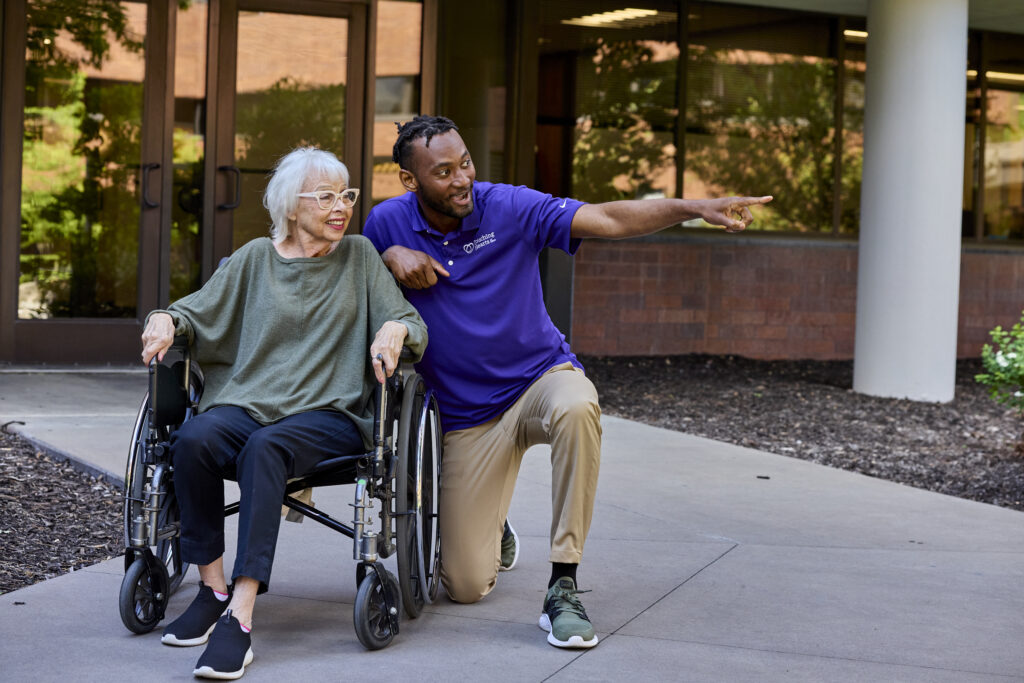
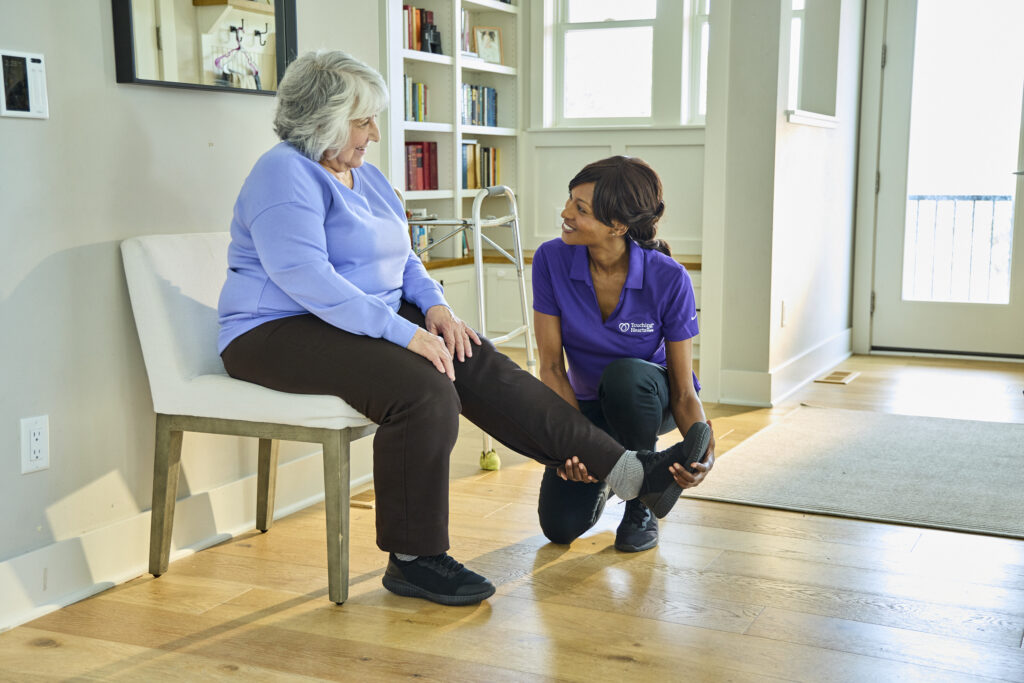
Safe mobility around the home
-
Monitoring balance and stability
-
Reducing tripping hazards
-
Providing support when standing or walking
These precautions help prevent injuries that could lead to another hospital visit.
Transportation to Follow-Up Appointments
Follow-up visits with doctors are an important part of recovery.
These appointments allow healthcare providers at UCHealth Broomfield Hospital to monitor healing and adjust treatment if necessary.
However, many seniors struggle with transportation after a hospital stay.
Caregivers can help by:
-
Providing transportation to appointments
-
Assisting with mobility during visits
-
Helping seniors keep track of scheduled check-ups
Ensuring these appointments happen on time helps catch problems early.
Nutrition and Hydration Support
Proper nutrition plays an important role in recovery.
After a hospital stay, some seniors may lack the energy to cook meals or shop for groceries. Others may experience decreased appetite or difficulty preparing healthy food.
Caregivers assist with:
-
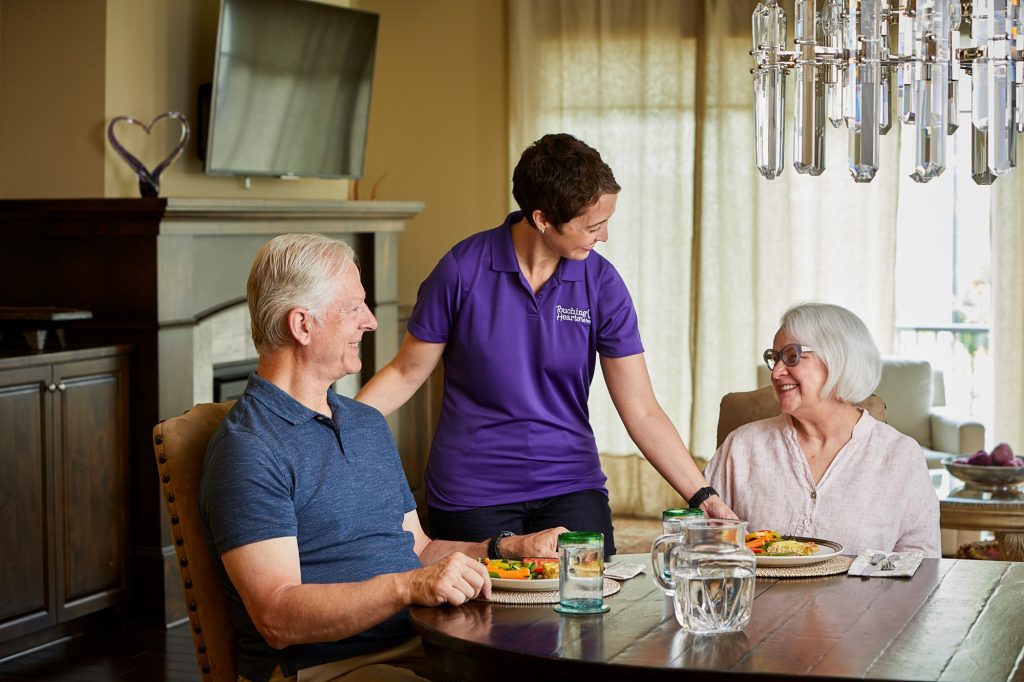
Meal preparation
-
Grocery shopping
-
Encouraging proper hydration
-
Monitoring changes in appetite
These small daily supports can make a meaningful difference in healing.
Monitoring Changes in Health
One of the most valuable benefits of in-home care is consistent observation.
Caregivers spend time with seniors and often notice subtle changes in health, mood, or mobility that family members may not see right away.
For example, caregivers may observe:
-
Increased fatigue
-
Difficulty walking
-
Reduced appetite
-
Confusion or medication concerns
Noticing these changes early allows families to seek medical guidance before a situation becomes more serious.
Supporting Family Caregivers During Recovery
Family members often want to help their loved ones recover at home, but balancing caregiving with work and other responsibilities can be challenging.
In-home care allows family caregivers to share responsibilities while still staying involved in their loved one’s recovery.
This support helps families:
-
Reduce stress
-
Avoid caregiver burnout
-
Ensure consistent care throughout the recovery process
-
Maintain peace of mind
For many Broomfield families, this partnership creates a healthier environment for both the caregiver and the senior.
The Long-Term Benefits of Recovery Support
Preventing hospital readmissions is about more than avoiding another hospital stay.
Successful recovery at home can lead to:
-
Improved strength and independence
-
Better medication adherence
-
Reduced stress for families
-
Increased safety in the home
-
Greater confidence for seniors returning to daily routines
With the right support system, seniors often regain stability and comfort more quickly after hospitalization.
Compassionate In-Home Care for Broomfield Families
At Touching Hearts at Home, we understand how important the recovery period after a hospital stay can be.
Our caregivers provide compassionate support that helps seniors remain safe, comfortable, and independent in their homes while following their recovery plans. By assisting with daily routines, transportation, and safety monitoring, we help families feel confident that their loved one is receiving attentive care.
If you’re feeling unsure about your parent’s needs, Touching Hearts offers a free, no-pressure in-home consultation in Broomfield. We’re here to support your family every step of the way.
Frequently Asked Questions
Families often have questions about how in-home care supports recovery after a hospital stay.
What causes hospital readmissions for seniors?
Common causes include medication errors, falls, missed follow-up appointments, poor nutrition, and difficulty managing daily tasks after discharge.
Can in-home caregivers provide medical care?
Non-medical caregivers provide assistance with daily activities, reminders, and safety monitoring. Medical care is handled by healthcare professionals.
How soon can in-home care start after a hospital discharge?
In many cases, care can begin shortly after discharge, depending on scheduling and caregiver availability.
Can caregivers help coordinate with family members?
Yes. Caregivers often communicate updates to families and help ensure everyone stays informed about the senior’s recovery.
Does in-home care replace family caregiving?
No. Professional caregivers work alongside family members to share responsibilities and provide additional support.