How In-Home Care Helps Reduce Hospital Readmissions in Boulder
A hospital stay can be frightening—not just for older adults, but for the families who worry about what happens next. When a parent returns home after an illness, surgery, or unexpected medical event, many adult children feel a quiet fear lingering in the background: What if they end up right back in the hospital?
In Boulder, where many seniors value independence, outdoor living, and staying in their own homes for as long as possible, the transition from hospital to home is a critical moment. Without the right support, even small challenges can quickly turn into setbacks that lead to readmission.
This article explains how in-home care helps reduce hospital readmissions in Boulder by supporting recovery, improving safety, and giving families peace of mind during one of the most vulnerable times in a senior’s life.
Why Hospital Readmissions Are a Common Concern for Families
Hospital readmissions often happen within the first few weeks after discharge. During this time, seniors may still feel weak, confused, or overwhelmed by new instructions and medications.
Common reasons for readmission include:
-
Missed medications or incorrect dosing
-
Falls or mobility issues at home
-
Dehydration or poor nutrition
-
Confusion about discharge instructions
-
Lack of follow-up support
For families juggling work, distance, and other responsibilities, providing constant oversight isn’t always possible. This is where in-home care plays a vital role.
The Critical Transition From Hospital to Home
Discharge Instructions Can Be Overwhelming
After a stay at Boulder Community Health – Foothills Hospital, seniors are often sent home with detailed instructions—medications, dietary changes, activity restrictions, and follow-up appointments. Even the most capable older adult can struggle to manage all of this alone.
In-home caregivers help reinforce these instructions in a calm, supportive way, reducing confusion and helping seniors stay on track.
The First Few Days Matter Most
The initial days after discharge are when risks are highest. Fatigue, pain, or side effects from new medications can make daily tasks feel unmanageable. Having consistent support during this period can prevent small issues from becoming emergencies.
How In-Home Care Reduces the Risk of Readmission
Medication Reminders and Monitoring
Medication errors are one of the leading causes of hospital readmissions. In-home caregivers provide gentle reminders and help seniors follow prescribed schedules correctly.
Caregivers also notice warning signs such as dizziness, nausea, or unusual behavior and can alert family members before problems escalate.
Supporting Proper Nutrition and Hydration
After a hospital stay, seniors may have reduced appetite or difficulty preparing meals. Poor nutrition and dehydration can slow healing and weaken the immune system.
In-home care supports recovery by:
-
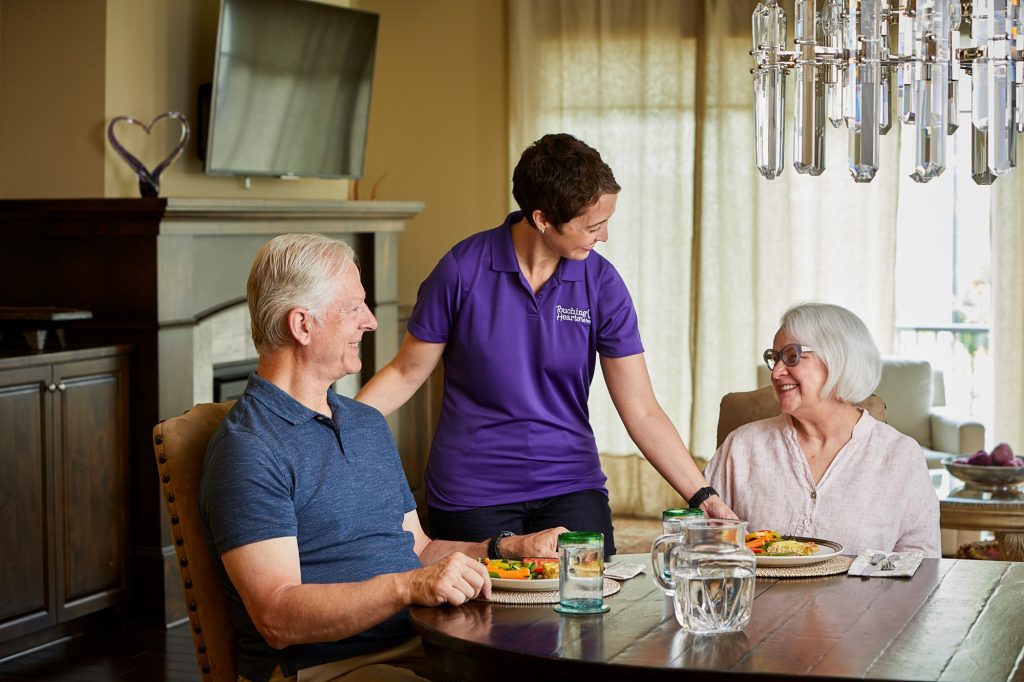
Preparing balanced meals that follow discharge guidelines
-
Encouraging regular hydration
-
Monitoring changes in appetite or weight
In Boulder’s active, high-altitude environment, staying hydrated is especially important for older adults.
Reducing Fall Risks at Home
Falls are a major cause of hospital readmissions—especially after illness or surgery.
Caregivers help by:
-
Assisting with walking and transfers
-
Identifying tripping hazards like loose rugs or clutter
-
Encouraging safe footwear and movement
-
Offering support during bathing and dressing
Rather than making seniors feel restricted, caregivers focus on maintaining confidence and dignity while improving safety.
Encouraging Follow-Up Care
Missed follow-up appointments can delay recovery and lead to complications. In-home caregivers help seniors remember appointments and prepare for them, ensuring continuity of care after discharge.
For families coordinating care from a distance, this added layer of support can be invaluable.
Emotional Support During Recovery
Healing Is Emotional, Too
Recovery isn’t just physical. Many seniors feel anxious, discouraged, or even depressed after a hospital stay—especially if it limited their independence.
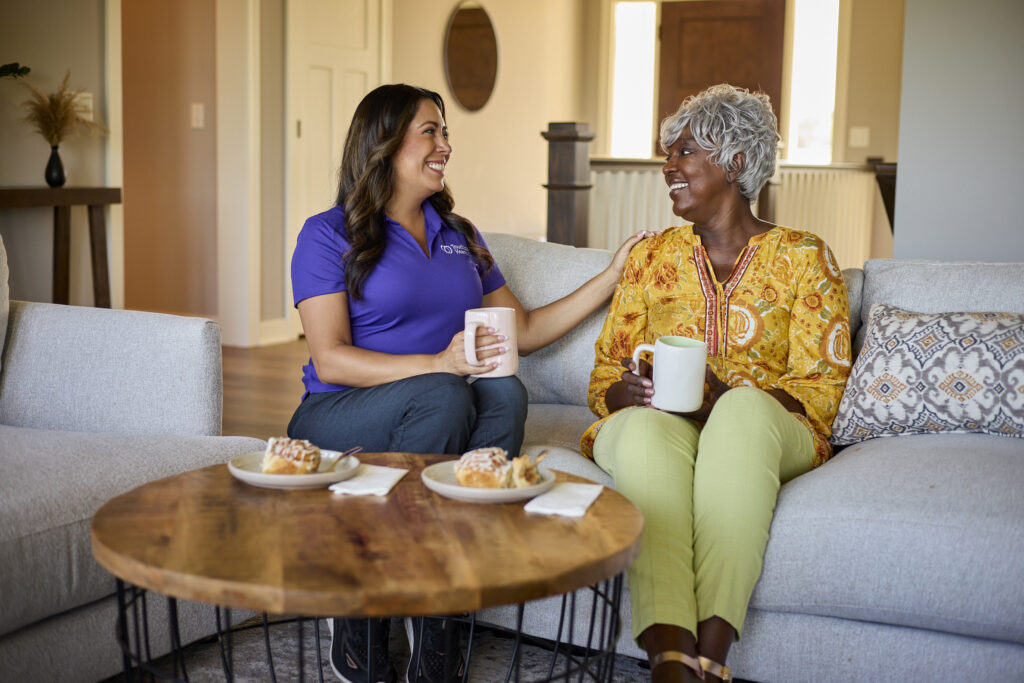
Caregivers provide companionship and reassurance, helping seniors feel less alone during recovery. This emotional stability often leads to better outcomes and fewer setbacks.
Reducing Stress for Families
Adult children often carry the emotional weight of worrying whether their parent is truly okay at home. Knowing a trusted caregiver is present can ease that constant concern and allow families to focus on being supportive rather than overwhelmed.
Preventing Small Issues From Becoming Emergencies
One of the biggest benefits of in-home care is early observation. Caregivers spend time in the home and notice subtle changes that might otherwise be missed.
This can include:
-
Increased confusion
-
Changes in mobility
-
Shortness of breath
-
Unusual fatigue
-
Mood or behavior changes
By addressing concerns early and communicating with family members, caregivers help prevent avoidable trips back to the hospital.
How In-Home Care Complements Medical Care
It’s important to understand that non-medical home care does not replace doctors or nurses. Instead, it fills the gap between clinical visits and daily life.
In-home care supports:
-
Daily routines and adherence to care plans
-
Safe recovery environments
-
Consistent observation and communication
This continuity is especially helpful for seniors transitioning home after treatment at Boulder Community Health – Foothills Hospital.
Boulder-Specific Considerations for Recovery at Home
Navigating an Active Community Safely
Many Boulder seniors are used to staying active and engaged. After a hospital stay, it can be tempting to return to normal activities too quickly.
Caregivers help seniors pace themselves safely, encouraging appropriate movement without overexertion.
Seasonal and Environmental Factors
Weather changes, icy walkways, and altitude-related fatigue can all impact recovery. Local caregivers understand these factors and adjust support accordingly, helping seniors stay safe and comfortable year-round.
When In-Home Care Is Most Helpful After a Hospital Stay
In-home care can be especially beneficial when:
-
A senior lives alone
-
Family members live out of town
-
Mobility or balance is temporarily reduced
-
New medications or routines have been introduced
-
A senior feels anxious or overwhelmed
Even short-term support can significantly reduce the risk of readmission.
A Preventative Approach to Senior Care
Preventing hospital readmissions isn’t just about responding to problems—it’s about anticipating them. In-home care offers proactive support that helps seniors heal fully and confidently at home.
For many Boulder families, this support means fewer emergencies, smoother recoveries, and greater peace of mind.
Frequently Asked Questions
Families often have questions about how in-home care fits into recovery after a hospital stay.
Does in-home care replace medical follow-up care?
No. In-home care supports daily living and recovery but does not replace doctor visits or medical treatment.
How soon can in-home care start after discharge?
Care can begin immediately after a senior returns home, which is often when support is needed most.
Can in-home care be short-term?
Yes. Many families use in-home care temporarily during recovery, adjusting or ending services as independence returns.
Will my parent feel comfortable accepting help?
It’s normal for seniors to feel hesitant at first. Caregivers focus on respect, collaboration, and maintaining dignity, which helps build trust.
How does in-home care help families who live far away?
Caregivers provide eyes and ears in the home, offering updates and reassurance to family members who can’t be there daily.
If you’re feeling unsure about your parent’s needs, Touching Hearts offers a free, no-pressure in-home consultation in Boulder. We’re here to support your family every step of the way.