
Non-Medical vs. Medical Home Care in Longmont: What’s the Difference?
When your parent begins to need help at home, one of the first questions you may face is: What kind of care do they actually need? For many families in Longmont, the terms “medical home care” and “non-medical home care” sound similar—but they serve very different purposes.
Understanding the difference can help you make a confident, informed decision that supports your parent’s safety, dignity, and independence. Choosing the right type of care doesn’t have to feel overwhelming. With a clear picture of what each option provides, you can better match support to your loved one’s needs.
In this guide, we’ll explain the key differences between non-medical and medical home care in Longmont, when each is appropriate, and how families can decide what’s best.
What Is Non-Medical Home Care?
Non-medical home care focuses on daily living support, companionship, and safety. It does not involve clinical procedures or skilled medical treatment.
Support With Everyday Activities
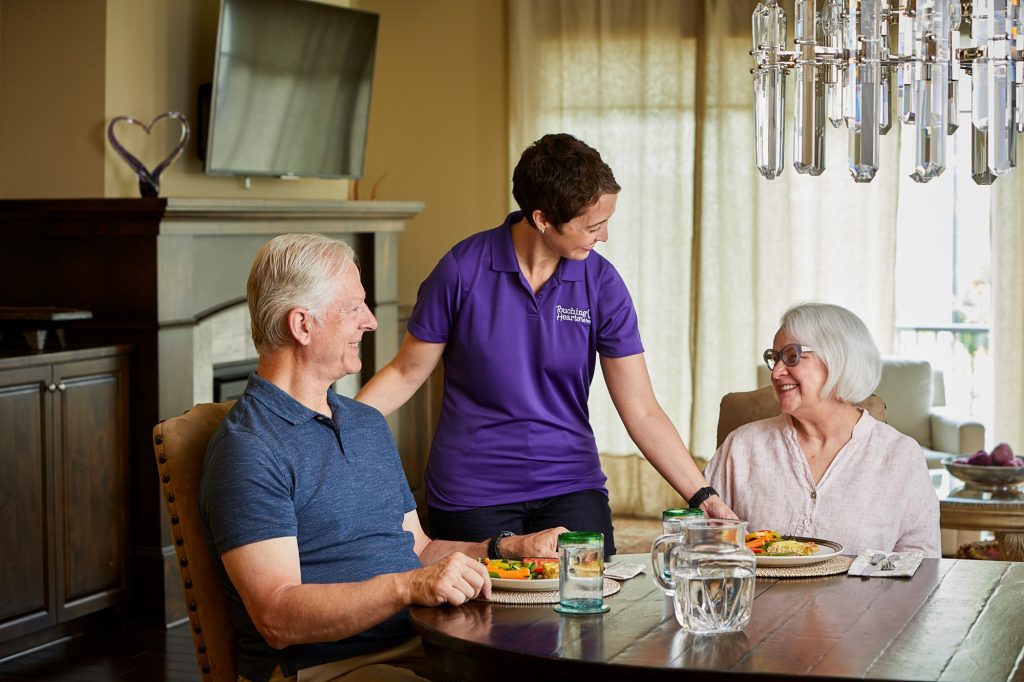
Non-medical caregivers assist seniors with routine tasks that may become more challenging over time. This often includes:
-
Meal preparation and hydration reminders
-
Light housekeeping and laundry
-
Assistance with bathing, dressing, and grooming
-
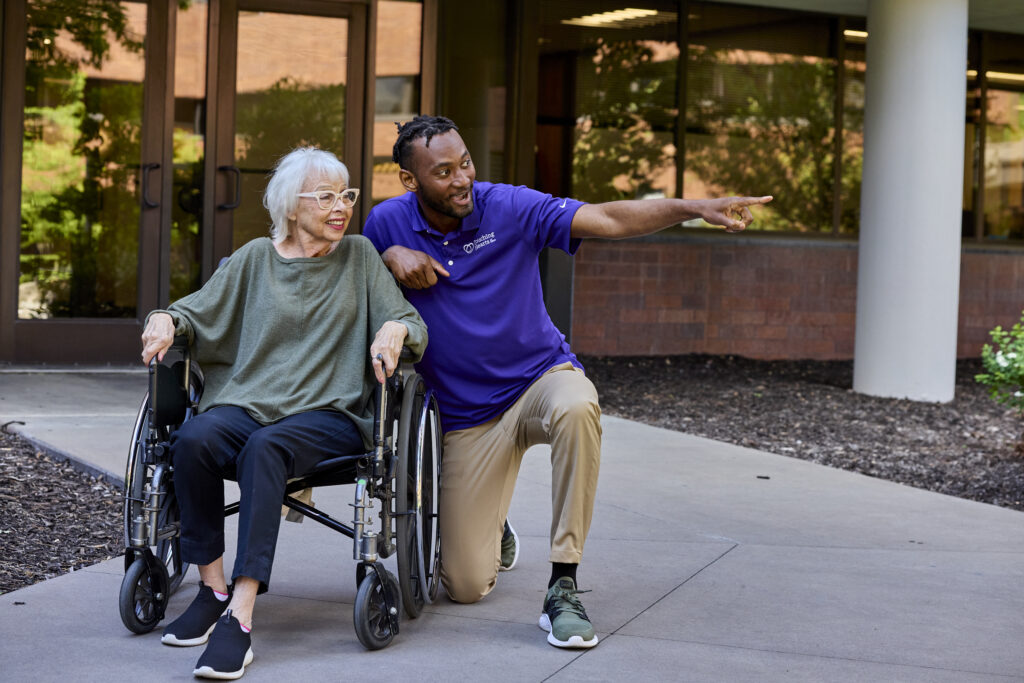
Mobility support and fall prevention
-
Medication reminders (not administration)
-
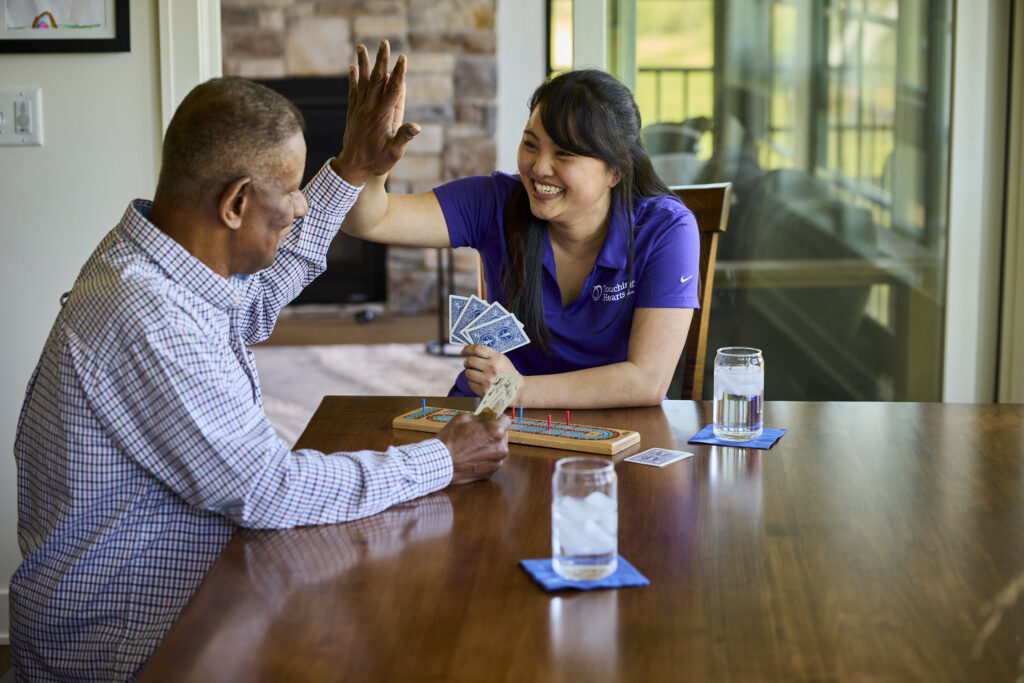
Companionship and conversation
This type of care is especially helpful for seniors who want to remain independent at home but need extra hands to make daily life manageable.
Preserving Independence at Home
In Longmont and across the Westminster region, many seniors value staying in their own homes for as long as possible. Non-medical home care is designed to make that possible by reducing risks while maintaining routines and dignity.
Caregivers encourage seniors to participate in daily activities as much as they safely can, offering help without taking over.
What Is Medical Home Care?
Medical home care, sometimes called skilled home health care, involves licensed healthcare professionals providing clinical services at home.
Skilled Nursing and Therapy Services
Medical home care is typically prescribed by a physician after:
-
A hospital stay at UCHealth Longs Peak Hospital
-
Surgery
-
A new diagnosis
-
A significant change in health
Services may include:
-
Wound care
-
Injections or IV therapy
-
Physical, occupational, or speech therapy
-
Monitoring vital signs
-
Skilled nursing assessments
These services are time-limited and focused on recovery or medical stabilization.
Short-Term and Goal-Oriented
Medical home care is usually temporary. The goal is to help the patient recover, improve, or stabilize so they can transition back to regular routines.
Once clinical needs decrease, families often consider whether ongoing non-medical support would be helpful.
Key Differences Between Medical and Non-Medical Home Care
Understanding how these two services differ can make decision-making easier.
Type of Services Provided
-
Medical home care involves clinical tasks performed by licensed professionals.
-
Non-medical home care focuses on daily living support and companionship.
Length of Care
-
Medical home care is often short-term and goal-focused.
-
Non-medical home care can be ongoing and flexible.
Who Provides the Care
-
Medical care is delivered by nurses or licensed therapists.
-
Non-medical care is provided by trained caregivers who support daily routines and safety.
Both play important roles, but they serve different needs.
When Does a Senior in Longmont Need Medical Home Care?
Medical home care may be appropriate if your parent:
-
Is recovering from surgery
-
Has a complex wound that requires monitoring
-
Needs therapy after a fall or injury
-
Has been discharged from the hospital with medical instructions
In these cases, clinical oversight is necessary for safe recovery.
However, once the immediate medical need has stabilized, families often realize that everyday support is still needed.
When Is Non-Medical Home Care the Right Fit?
Non-medical care is often appropriate when a senior:
-
Is experiencing gradual mobility changes
-
Needs help managing household tasks
-
Feels isolated or lonely
-
Has mild memory concerns
-
Could benefit from extra supervision for safety
In Longmont, where winter weather can bring snow and icy sidewalks, even simple errands or daily chores can become more challenging for older adults. Non-medical support can reduce these seasonal risks.
Can Seniors Receive Both Types of Care?
Yes. In some situations, families combine services.
A Common Scenario
After a hospital stay at UCHealth Longs Peak Hospital, a senior may receive short-term medical home care for wound treatment or therapy. At the same time—or shortly afterward—non-medical caregivers may step in to assist with meals, mobility, and companionship.
This layered support helps bridge the gap between clinical recovery and everyday living.
Why Many Longmont Families Choose Non-Medical Home Care Long-Term
While medical home care addresses clinical needs, non-medical care often becomes the foundation of long-term support.
Preventing Hospital Readmissions
By assisting with routines, medication reminders, and fall prevention, non-medical home care helps reduce risks that could otherwise lead to another hospital visit.
Supporting Emotional Well-Being
Companionship plays a vital role in senior health. Regular interaction reduces isolation, which can impact mood and overall well-being.
Easing Family Caregiver Stress
Adult children in Longmont often juggle work, children, and caregiving. Sharing responsibilities with a professional caregiver helps prevent burnout and protects family relationships.
How to Decide What Your Parent Needs
If you’re unsure which type of care is right, start by asking:
-
Does my parent need skilled medical treatment at home?
-
Or do they need help with daily routines and safety?
-
Has a doctor prescribed clinical services?
-
Are we mostly worried about falls, meals, and supervision?
Sometimes, the answer evolves over time. What begins as medical care may transition into ongoing non-medical support.
The most important thing is recognizing that help is available—and that asking for support early can prevent bigger challenges later.
Frequently Asked Questions
Families in Longmont often have questions about the difference between these care options.
Is non-medical home care covered by insurance?
Coverage varies depending on circumstances and policy details. It’s helpful to review your specific plan to understand benefits.
Does medical home care replace non-medical support?
No. Medical care focuses on clinical needs, while non-medical care supports daily living.
Can non-medical caregivers give medications?
They can provide reminders but do not administer medications unless otherwise permitted under specific guidelines.
How long does medical home care typically last?
It often lasts until treatment goals are met or a physician determines it is no longer necessary.
What if my parent’s needs change?
Care plans can be adjusted. Some families transition from medical care to ongoing non-medical support as recovery progresses.
Finding the Right Support in Longmont
Choosing between medical and non-medical home care in Longmont doesn’t have to feel overwhelming. Each plays a valuable role, and understanding the difference empowers you to make decisions that prioritize safety, comfort, and independence.
If you’re feeling unsure about your parent’s needs, Touching Hearts offers a free, no-pressure in-home consultation in Longmont. We’re here to support your family every step of the way.