
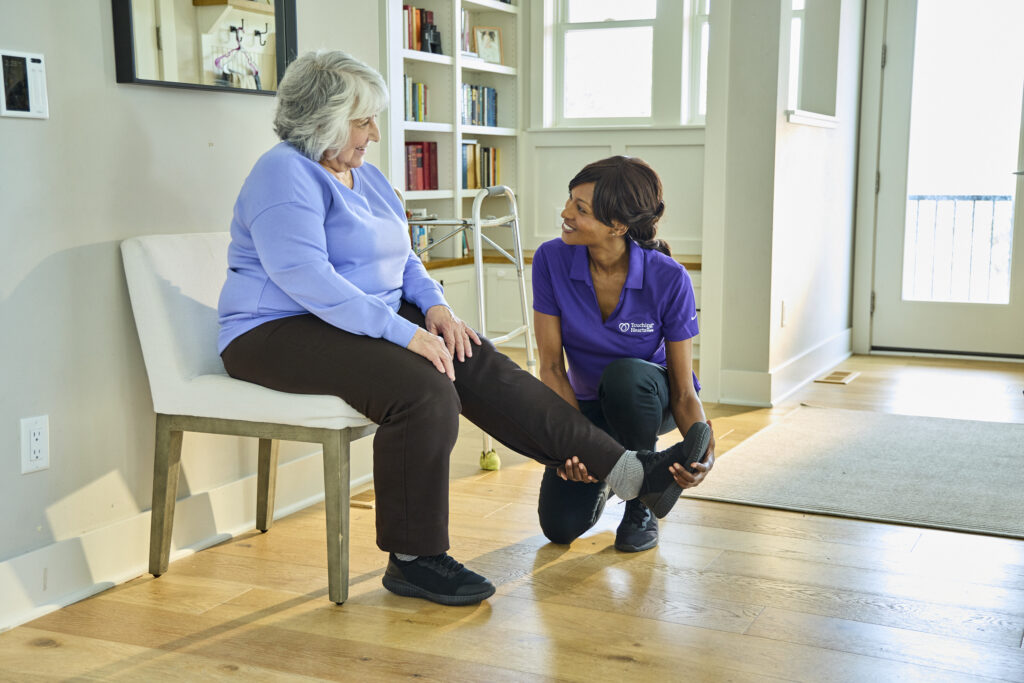
Signs Your Aging Parent May Need In-Home Care in Boulder, Colorado
Noticing changes in an aging parent can be both subtle and unsettling. You may sense that something isn’t quite right, even if your parent insists they’re “doing just fine.” For many families in Boulder, these moments bring a mix of concern, guilt, and uncertainty about when—or whether—it’s time to step in.
Needing help doesn’t happen overnight. It often unfolds gradually, through small changes in behavior, routines, or safety. Recognizing the signs early allows families to provide support before a crisis occurs, preserving dignity and independence along the way.
This article walks through common signs that an aging parent in Boulder may benefit from in-home care, helping you feel more confident about when to take the next step.
Why It’s Hard to Know When Help Is Needed
Adult children often struggle with timing. Step in too early, and it can feel intrusive. Wait too long, and safety may be compromised.
Many parents:
-
Minimize challenges to protect independence
-
Feel embarrassed asking for help
-
Don’t want to worry their children
Understanding common warning signs can help families act thoughtfully instead of reactively.
Changes in Personal Care and Hygiene
One of the earliest signs of needing support often appears in daily self-care.
Noticeable Shifts in Appearance
You may observe:
-
Unwashed hair or infrequent bathing
-
Wearing the same clothes repeatedly
-
Strong body odor
-
Neglected grooming
These changes may signal physical limitations, fatigue, or difficulty managing routines—not a lack of pride.
Difficulty Managing the Home
A once-tidy home may begin to show signs of struggle.
Household Red Flags
Look for:
-
Piles of laundry
-
Spoiled food in the refrigerator
-
Unopened mail or unpaid bills
-
Cluttered walkways
In Boulder homes, stairs, split levels, or older layouts can make everyday chores more demanding as mobility changes.
Mobility Issues and Increased Fall Risk
Falls are a major concern for older adults.
Subtle Mobility Changes
You might notice:
-
Holding onto furniture while walking
-
Difficulty getting in or out of chairs
-
Hesitation on stairs
-
Bruises with unclear explanations
These signs become even more concerning during winter, when snow and ice increase fall risk in Boulder.
Memory Lapses That Disrupt Daily Life
Occasional forgetfulness is normal, but patterns matter.
Memory-Related Warning Signs
Be mindful of:
-
Missed appointments
-
Forgetting medications
-
Repeating questions frequently
-
Confusion with familiar tasks
When memory issues interfere with safety or routines, extra support can make a meaningful difference.
Changes in Eating Habits and Nutrition
Nutrition plays a vital role in overall health.
Signs of Struggling With Meals
Watch for:
-
Weight loss
-
Empty cupboards
-
Reliance on snacks instead of meals
-
Lack of fresh food
Cooking may feel overwhelming due to fatigue, mobility challenges, or fear of accidents in the kitchen.
Increased Isolation or Withdrawal
Boulder offers many opportunities for connection, but seniors may quietly pull back.
Emotional and Social Changes
You may notice:
-
Fewer social outings
-
Loss of interest in hobbies
-
Loneliness or low mood
-
Avoidance of phone calls or visits
In-home care can provide both companionship and encouragement to stay engaged.
Trouble Managing Medications and Appointments
Keeping track of health routines can become complex.
Common Concerns
Signs include:
-
Missed doses
-
Confusion about prescriptions
-
Skipped appointments
-
Multiple pharmacy bottles with unclear instructions
Support at home helps maintain consistency and reduces health risks.
Caregiver Strain on a Spouse or Family Member
Sometimes the clearest sign isn’t your parent—it’s the caregiver.
When Family Support Isn’t Enough
You may notice:
-
A spouse appearing exhausted or overwhelmed
-
Increased tension or frustration
-
Little time for rest or self-care
In-home care can relieve pressure while allowing family members to remain involved in loving, supportive ways.
Safety Concerns After Illness or Hospitalization
Recovery can be harder at home without support.
Post-Hospital Warning Signs
After a visit to the hospital, watch for:
-
Difficulty following care instructions
-
Fatigue or weakness
-
Fear of being alone
-
Decline in confidence
Short-term in-home care can ease recovery and prevent setbacks.
Why Early Support Makes a Difference
Many families wait until a fall or emergency forces action. Starting care earlier allows for:
-
Gradual adjustment
-
Greater acceptance from your parent
-
Fewer crises
-
More control over care decisions
In-home care is not about taking over—it’s about supporting independence safely.
How In-Home Care Helps Seniors in Boulder
Home care offers flexible, non-medical support tailored to individual needs.
Caregivers can assist with:
-
Personal care and hygiene
-
Meal preparation
-
Mobility and fall prevention
-
Light housekeeping
-
Companionship and routines
This support helps seniors remain in the Boulder community they know and love.
Trust Your Instincts
If you’re asking whether it might be time for help, that question itself is important. Adult children often sense changes before a parent acknowledges them.
Having a conversation early opens the door to shared decision-making instead of rushed choices later.
Frequently Asked Questions
Below are common questions families ask when considering in-home care.
Is needing help a sign my parent can’t live at home anymore?
No. In-home care is designed to help seniors stay at home longer and more safely.
Can care start part-time?
Yes. Many families begin with just a few hours a week.
What if my parent resists help?
Starting slowly and involving them in decisions often helps.
Does in-home care replace family involvement?
No. It complements family support and reduces stress for everyone.
How do we know what level of care is right?
An in-home consultation helps assess needs and options.
If you’re feeling unsure about your parent’s needs, Touching Hearts offers a free, no-pressure in-home consultation in Boulder. We’re here to support your family every step of the way.