Winter Safety Tips for Seniors in Thornton: Staying Safe, Warm, and Independent
Winter in Thornton brings a familiar mix of crisp air, snow-covered sidewalks, and icy mornings. For many families, it’s a beautiful season. For older adults, however, winter can quietly introduce new safety risks that make everyday activities more challenging.
If you’re caring for an aging parent in Thornton, it’s natural to feel extra concerned during the colder months. Shorter days, slippery surfaces, and colder temperatures can increase the risk of falls, illness, and isolation. The good news is that with a few thoughtful adjustments, seniors can remain safe, comfortable, and confident at home all winter long.
In this article, we’ll share practical winter safety tips for seniors in Thornton, helping families reduce risks while supporting independence and peace of mind.
Why Winter Can Be Risky for Seniors in Thornton
Colorado winters are unpredictable. One day may be sunny and dry, and the next brings snow, ice, and bitter cold. For seniors, these changes can have a real impact on safety and well-being.
Common Winter Challenges for Older Adults
During winter months, seniors may face:
-
Slippery sidewalks and driveways
-
Reduced mobility due to bulky clothing or stiff joints
-
Increased risk of illness from cold or flu
-
Limited daylight, affecting vision and balance
-
Isolation when travel becomes difficult
In Thornton and the surrounding Westminster, snow-packed streets and icy walkways are especially common after storms, making proactive safety planning essential.
Preventing Falls During Snow and Ice Season
Falls are one of the biggest winter safety concerns for seniors. Even a small patch of ice can lead to serious injury.
Outdoor Fall Prevention Tips
To reduce fall risks outdoors:
-
Keep walkways, driveways, and steps clear of snow and ice
-
Use ice melt regularly, especially in shaded areas
-
Ensure railings are sturdy and easy to grip
-
Encourage seniors to wear shoes with good traction
Whenever possible, seniors should avoid going outside during or immediately after snowstorms, especially when surfaces are slick.
Indoor Fall Prevention Matters Too
Winter safety doesn’t stop at the front door. Snow and moisture tracked inside can create hazards.
Helpful indoor steps include:
-
Placing non-slip mats near entrances
-
Keeping floors dry and clutter-free
-
Ensuring adequate lighting in hallways and bathrooms
-
Removing loose rugs that could slide
These small adjustments can make a meaningful difference in preventing falls.
Staying Warm Without Sacrificing Safety
Cold temperatures can be dangerous for seniors, particularly those with circulation issues or chronic conditions.
Safe Heating Practices at Home
Keeping warm is important, but safety should always come first:
-
Set thermostats to a consistent, comfortable temperature
-
Avoid space heaters when possible, or use them with caution
-
Keep heaters away from curtains, bedding, and furniture
-
Check that carbon monoxide detectors are working
Families should also ensure that heating systems are serviced regularly before winter begins.
Dressing for Warmth Indoors and Out
Encourage seniors to dress in layers, even indoors. Lightweight layers are easier to adjust throughout the day and don’t restrict movement.
Helpful clothing tips:
-
Wear non-slip socks or slippers inside
-
Choose coats that are warm but not overly bulky
-
Use gloves and hats when outdoors, even for short trips
Proper clothing helps seniors stay warm without increasing fall risk.
Winter Driving and Transportation Safety
Winter driving can be stressful for anyone, and especially for older adults.
When Driving Becomes Risky
Snowy roads, glare from ice, and reduced daylight can make driving more hazardous. Families may want to reassess driving routines during winter months.
Consider:
-
Limiting driving during storms or icy conditions
-
Planning errands during daylight hours
-
Having a backup plan for transportation
If your parent needs to visit HCA HealthONE Mountain Ridge or attend appointments, arranging support can help reduce stress and risk.
Alternatives to Winter Driving
Support options may include:
-
Family members helping with errands
-
Grocery or pharmacy delivery services
-
In-home support for daily needs
Reducing the need to drive during winter can greatly improve safety.
Preventing Winter Illness and Staying Healthy
Cold and flu season is another important consideration for seniors.
Supporting Immune Health
During winter, seniors are more susceptible to illness. Families can help by:
-
Encouraging proper hydration
-
Supporting balanced, nutritious meals
-
Promoting regular handwashing
-
Ensuring rest and routine
Staying healthy helps seniors maintain strength, balance, and energy throughout the season.
Managing Appointments and Medications
Winter weather can disrupt medical routines. Having support with reminders and scheduling can prevent missed appointments or medications.
Planning ahead helps ensure continuity of care, even when weather conditions are unpredictable.
Reducing Isolation During Winter Months
Winter often brings fewer social interactions, especially when snow and ice limit outings.
Why Social Connection Matters
Isolation can impact both emotional and physical health. Seniors who feel lonely may experience:
-
Increased anxiety or sadness
-
Reduced motivation
-
Declines in overall well-being
Maintaining connection is just as important as physical safety.
Simple Ways to Stay Engaged at Home
Families can help seniors stay connected by:
-
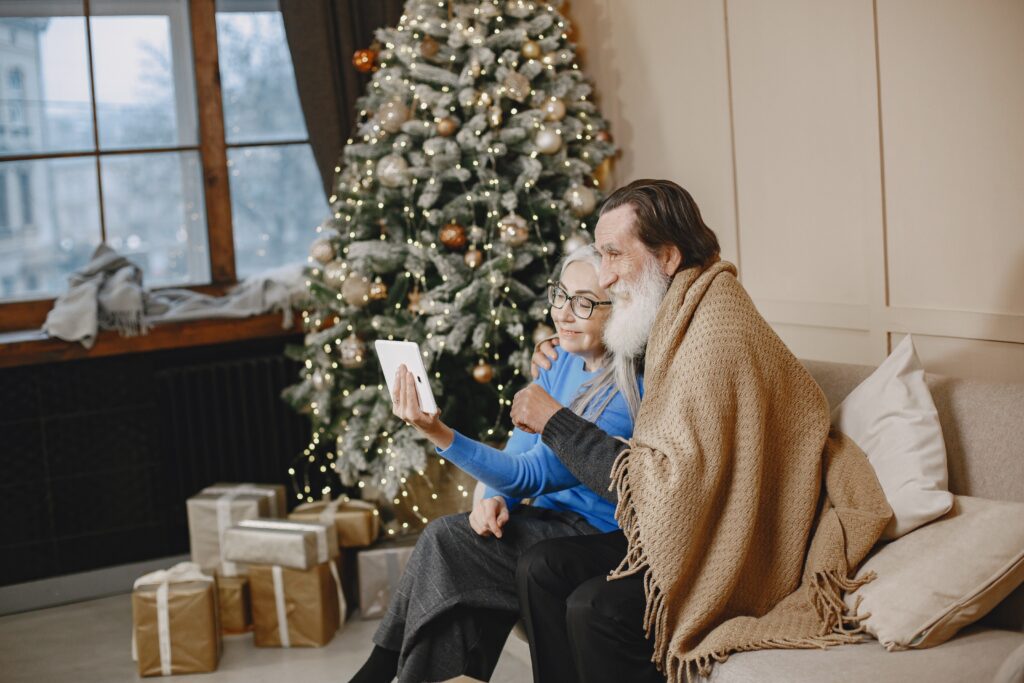
Scheduling regular phone or video calls
-
Encouraging hobbies and indoor activities
-
Arranging safe in-home visits
-
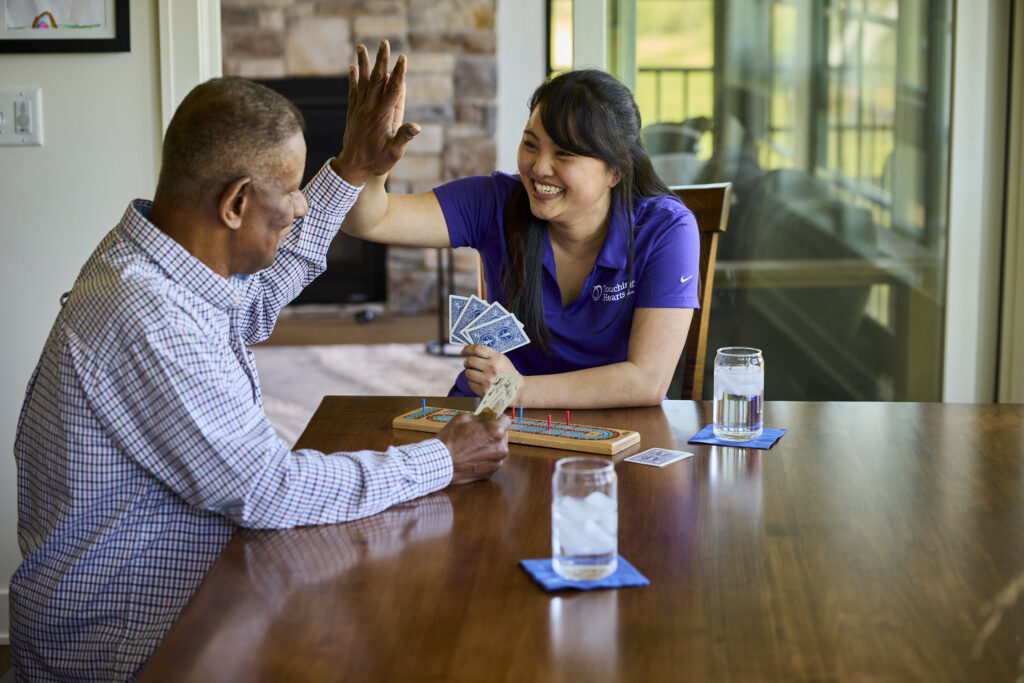
Providing companionship and conversation
These connections help brighten long winter days.
How In-Home Support Helps With Winter Safety
Winter can place added strain on family caregivers. In-home support offers an extra layer of safety and reassurance during the colder months.
Practical Winter Assistance
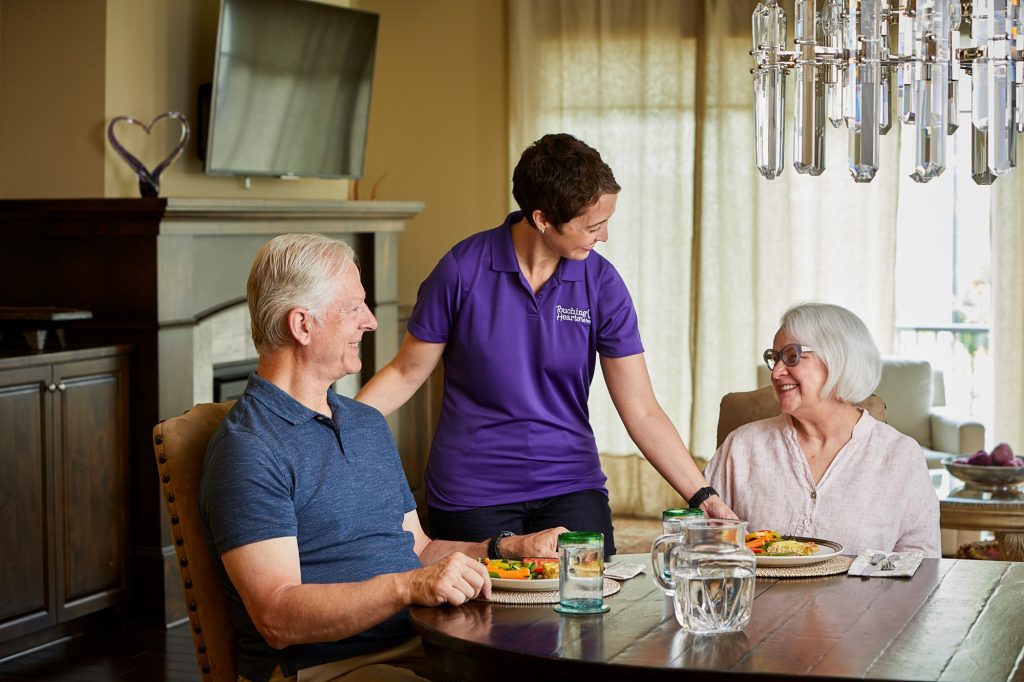
Professional caregivers can help with:
-
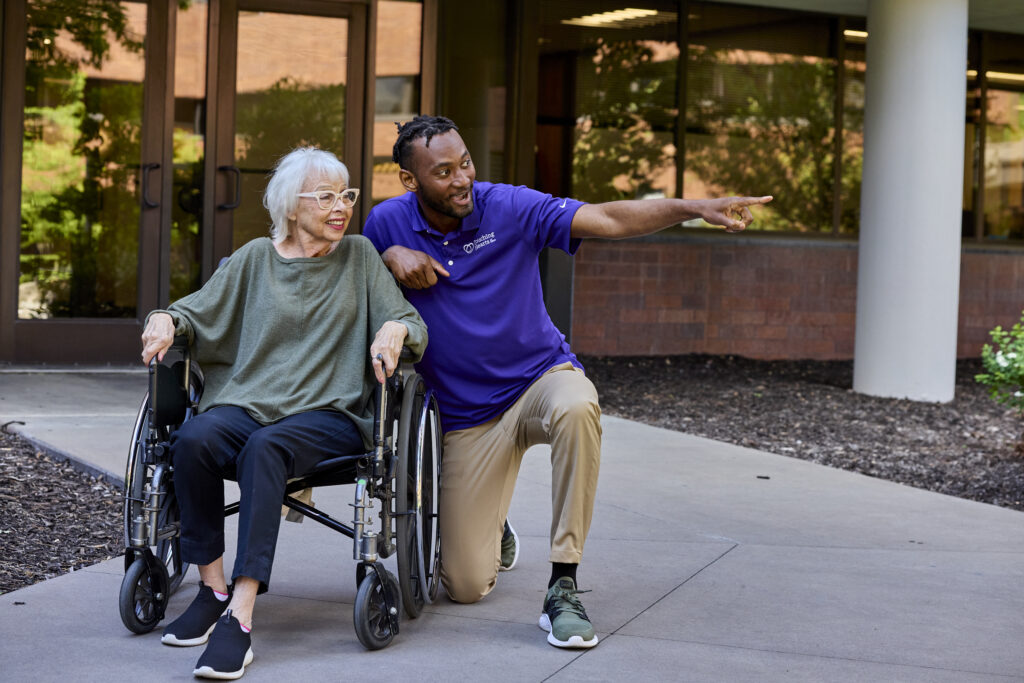
Assisting with mobility and daily routines
-
Preparing warm, nutritious meals
-
Providing companionship during long days indoors
This support helps seniors stay comfortable while reducing caregiver stress.
Peace of Mind for Families
Knowing someone is checking in regularly can ease worries about falls, illness, or isolation—especially during snowstorms or periods of extreme cold.
Preparing Ahead for Winter Weather in Thornton
Preparation is key to winter safety.
Creating a Winter Safety Plan
Families may consider:
-
Stocking extra food, medications, and supplies
-
Planning for power outages
-
Keeping emergency contacts accessible
-
Reviewing routines for storm days
Being prepared reduces panic and keeps everyone safer when winter weather hits.
Frequently Asked Questions
Families often ask practical questions about winter safety for seniors.
What is the biggest winter risk for seniors?
Falls due to snow and ice are one of the most common and serious winter risks for older adults.
Should seniors avoid going outside entirely in winter?
Not necessarily, but outings should be limited during icy conditions and planned carefully during safer times of day.
How can families help prevent winter isolation?
Regular communication, companionship, and in-home support can help seniors stay socially engaged.
Are space heaters safe for seniors?
They can be used carefully, but they should always be monitored and kept away from flammable items.
How does in-home care support winter safety?
In-home care helps monitor safety, support routines, and reduce risks during challenging winter conditions.
Supporting Safe, Comfortable Winters for Seniors
Winter in Thornton doesn’t have to mean sacrificing safety or independence. With thoughtful preparation, practical adjustments, and the right support, seniors can remain secure and comfortable at home throughout the colder months.
If you’re feeling unsure about your parent’s needs, Touching Hearts offers a free, no-pressure in-home consultation in Thornton. We’re here to support your family every step of the way.