

Understanding Dementia and Alzheimer’s: Signs, Care, and Support
Dementia and Alzheimer’s disease are life-altering conditions that affect millions of people worldwide. As our loved ones age, it’s crucial to recognize the early warning signs of these cognitive disorders, understand the best care strategies, and explore the various home care options available to support both individuals and their families.
In this blog, we will discuss the early symptoms of dementia and Alzheimer’s, how to care for a loved one experiencing these conditions, and the ways in which professional home care can provide support.
What is Dementia?
Dementia is an umbrella term used to describe a range of symptoms affecting memory, thinking, and social abilities. It is caused by damage to brain cells, which impacts the brain’s ability to process information. Alzheimer’s disease is the most common type of dementia, but there are other forms, such as vascular dementia, Lewy body dementia, and frontotemporal dementia.
What is Alzheimer’s Disease?
Alzheimer’s disease is a progressive neurological condition that affects memory, thinking, and behavior. It is the most prevalent form of dementia, accounting for 60-80% of all dementia cases. Alzheimer’s typically starts slowly and worsens over time, ultimately interfering with the ability to perform everyday tasks.
Early Warning Signs of Dementia and Alzheimer’s
Recognizing the early signs of dementia and Alzheimer’s can be challenging, as many of the symptoms overlap with normal aging. However, early detection is critical for managing the condition and improving the quality of life for those affected.
Here are some common early warning signs:
- Memory Loss: Frequent forgetfulness or difficulty recalling recent events, names, or appointments. For example, someone may forget a conversation they had earlier in the day.
- Disorientation: Getting lost in familiar places or struggling to understand time and date. Individuals may forget the season or have difficulty recognizing their own surroundings.
- Difficulty with Communication: Having trouble finding the right words, following or joining conversations, or repeating themselves often.
- Mood and Personality Changes: Experiencing shifts in mood, such as increased anxiety, irritability, or depression. People with Alzheimer’s may also exhibit changes in their behavior, becoming more withdrawn or suspicious.
- Poor Judgment: Making poor decisions, such as neglecting hygiene, or displaying risky behavior like giving away large sums of money.
- Trouble with Daily Tasks: Finding it difficult to complete familiar tasks at home or at work. This can include challenges with cooking, managing finances, or driving.
Care Strategies for Dementia and Alzheimer’s
Caring for a loved one with dementia or Alzheimer’s requires patience, compassion, and understanding. While each person’s experience with dementia is unique, there are several strategies that can help make caregiving easier and more effective.
- Establish a Routine
Creating a structured routine can provide comfort and reduce confusion. Try to keep regular meal times, sleeping patterns, and daily activities consistent. Familiar routines help maintain a sense of security for someone with dementia or Alzheimer’s.
- Simplify Tasks
Breaking down complex tasks into smaller, manageable steps can help reduce frustration. For example, when assisting with personal care or eating, provide step-by-step instructions or gently guide your loved one through the process.
- Promote Independence
Encourage as much independence as possible to help maintain dignity and a sense of self-worth. This could include allowing your loved one to dress themselves or engage in simple activities like folding towels or setting the table.
- Focus on Communication
People with Alzheimer’s or dementia may struggle with language and understanding, so it’s important to be clear and patient in communication. Speak slowly, use short and simple sentences, and maintain eye contact. Be open to non-verbal communication such as gestures or facial expressions.
- Provide Emotional Support
Seniors with dementia or Alzheimer’s may feel confused or frightened. Providing emotional support is key. Offer reassurance and create a calm and familiar environment. Avoid arguments or trying to correct their memory; instead, validate their feelings and experiences.
- Take Care of Yourself
Caregiving can be physically and emotionally demanding. Remember to take breaks, ask for help when needed, and engage in activities that promote your own well-being.
Home Care for Dementia and Alzheimer’s
As dementia and Alzheimer’s progress, the need for additional support becomes more apparent. Professional in-home care can offer invaluable assistance to both the individual and their family. Here are a few ways in-home care can help:
- Personal Care Assistance
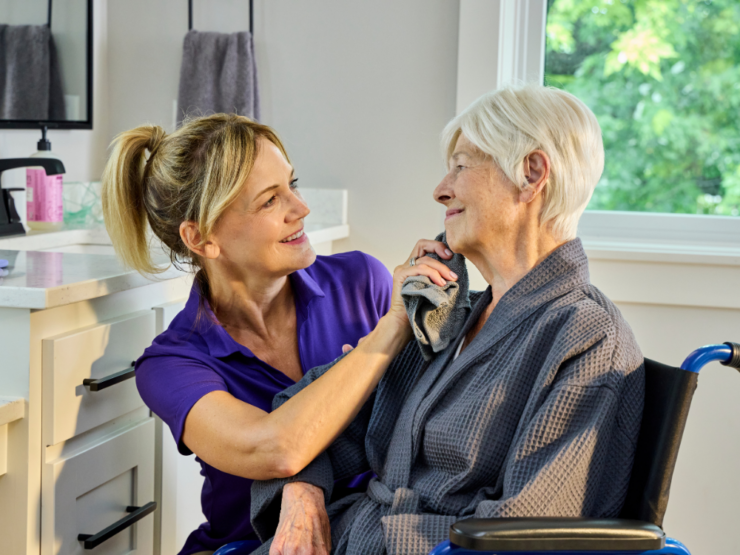
In-home caregivers can help with bathing, dressing, grooming, and other personal care tasks. This ensures the person receives the proper attention while maintaining dignity and comfort.
- Medication Management
Managing medications can become challenging as memory declines. In-home caregivers can help ensure that medications are taken as prescribed and can monitor for any side effects or changes in health.
- Companionship and Socialization
Loneliness can be a significant issue for people with Alzheimer’s or dementia. Companion care helps by providing social interaction, engaging in hobbies, or simply being present to offer comfort.
- Safety and Supervision
As cognitive function declines, safety becomes a major concern. Caregivers can help with fall prevention, monitor for wandering, and assist with home modifications to ensure the living environment remains safe.
- Respite Care for Family Caregivers
Caregiving can take a physical and emotional toll on family members. Respite care allows family caregivers to take a break, knowing that their loved one is in safe hands. This helps to prevent burnout and ensures that caregivers can recharge to provide the best possible care.
Home Care Options for Families
Finding the right home care services for your loved one can be overwhelming, but professional assistance can provide peace of mind. At Touching Hearts at Home, we specialize in non-medical home care for seniors, including memory care services for those dealing with dementia and Alzheimer’s. Our compassionate caregivers are trained to support seniors with a wide range of cognitive challenges and offer the support necessary to live independently at home.
Find the closest location to you to explore our services and how we can help you care for your loved one with dementia or Alzheimer’s.
Disclaimer:
Touching Hearts at Home is a non-medical provider. The suggestions and recommendations provided in this blog are not a substitute for medical advice. Always consult with your doctor to address specific medical needs or concerns related to dementia, Alzheimer’s, or any other cognitive disorder.
You may also like:

12.17.2025
New Year, New Care Plan: Setting Senior Care Goals for the Year Ahead
The start of a new year is the perfect time to reflect on the past year and set new goals…