Families throughout the country are incorporating monitoring, assisting, and injury/illness protection technologies to help older adults age in place. For many elderly people, technology can mean the difference between staying at home and having to get long-term care in a facility. Technology can also be critical because it can help others retain the ability to perform simple activities of daily living, such as bathing and going to the bathroom. Technologies like housekeeping & kitchen aids, laundry made easy, bathroom enhancements, bedroom safety and comfort, medication tracking devices continue to allow a generation of baby boomers to remain independent and age in place.
Monitoring
Monitoring involves the use of technology to keep caregivers or family members apprised of elder adult’s status. This may include something as simple as calling an elder on the telephone to sensors in the home that track an individual’s movements.
Assisting
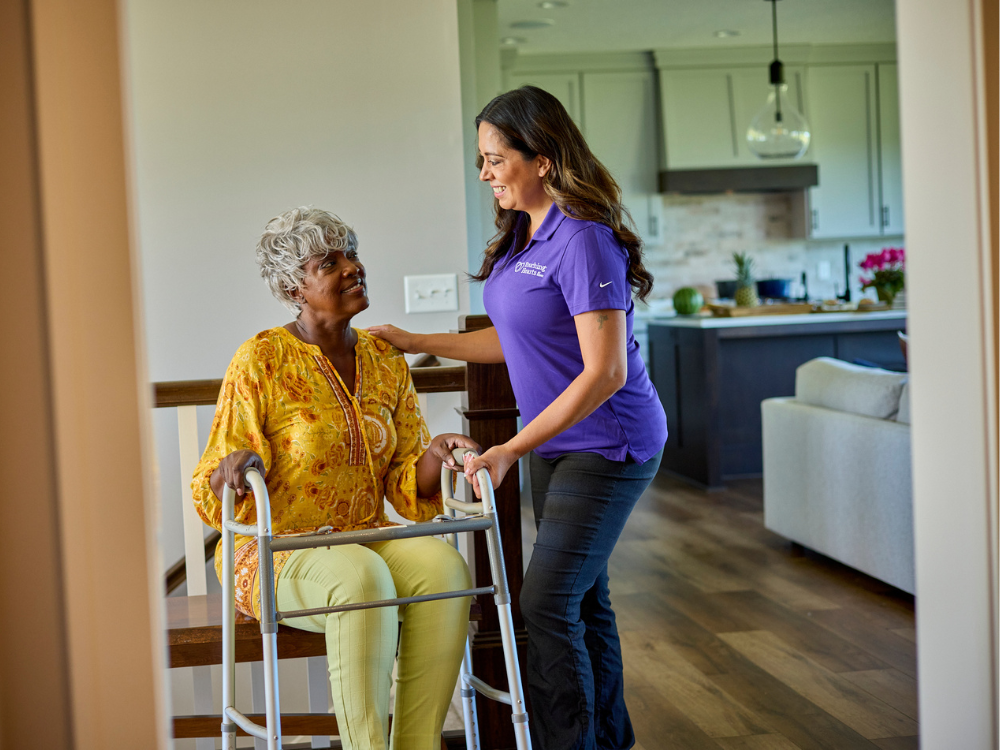
Assisting technology can help an older person perform activities that might otherwise be difficult or not be possible. From a walker to a magnifying glass to a scooter, anything that helps the elderly continue to participate in daily activities is considered assisting technology.
Injury/Illness Protection
Devices that monitor cognitive function, wound care, diabetes, vital signs, and more in older adults present other practical uses of technology. This type of tele-monitoring is defined as the use of IT to monitor people at a distance.
These three forms of technology have allowed millions of Americans to remain independent at home, while enjoying the quality of life they deserve. Here are other benefits that technology provides for elder adults:
- Performing daily living activities that might otherwise be difficult or not be possible
- Obtaining faster assistance in an emergency
- Lengthening the time they are able to remain in their homes
- Decreasing anxiety about falling
- Environmental factors (such as home temperature) can be monitored
- Enhancing their sense of security
- Increasing confidence in performing everyday activities
- Family and friends benefit from peace of mind
How Can I Learn More?
Visit the Eldercare Locator page (linked below), a public service of the Administration on Aging, U.S. Department of Health and Human Services, a nationwide service that connects older Americans and their caregivers with information on senior services. Here is a link to their website with more Assistive Technology information: