

Recognizing the Signs of Elder Abuse and How Home Care Can Help Protect Seniors
Every year on June 15, communities around the world observe World Elder Abuse Awareness Day. This important awareness campaign shines a light on a growing issue that affects millions of older adults and encourages families, caregivers, and communities to take an active role in protecting vulnerable seniors.
Every older adult deserves to age with dignity, respect, and safety. Understanding the warning signs of elder abuse and knowing how to respond can help ensure seniors receive the care and support they deserve.
What Is Elder Abuse?
Elder abuse refers to any action—or failure to act—that causes harm or creates a risk of harm to an older adult. Abuse can occur in private homes, care settings, or community environments and is often committed by someone the individual knows and trusts.
Elder abuse may take several forms, including:
- Physical abuse
- Emotional or psychological abuse
- Financial exploitation
- Neglect
- Abandonment
- Verbal intimidation or threats
Unfortunately, many cases go unreported, making awareness and education especially important.
Common Warning Signs of Elder Abuse
Recognizing potential warning signs is one of the first steps in protecting older adults.
Some signs that may warrant further attention include:
Physical Changes
Unexplained bruises, injuries, burns, or frequent falls may indicate possible abuse or neglect.
Changes in Behavior
Sudden withdrawal from social activities, increased anxiety, depression, fearfulness, or unusual mood changes can sometimes signal that something is wrong.
Poor Living Conditions
Unsafe environments, lack of food, poor hygiene, missed medical appointments, or inadequate personal care may indicate neglect.
Financial Concerns
Unexpected withdrawals, unpaid bills, missing possessions, or sudden changes to financial documents may be signs of financial exploitation.
While these signs do not automatically indicate abuse, they should never be ignored.
Why Social Connection Matters
Isolation is one of the greatest risk factors for elder abuse. Seniors who have limited social interaction may have fewer opportunities to seek help or communicate concerns.
Regular visits from family members, friends, neighbors, and caregivers help create meaningful connections while providing additional opportunities to identify changes in health, safety, or well-being.
Building strong support networks helps seniors remain engaged, connected, and protected.
How Home Care Can Help Protect Older Adults
Professional home care services provide more than assistance with daily tasks. Consistent caregiver visits create opportunities for observation, communication, and support.
Home caregivers can help by:
Providing Regular Wellness Checks
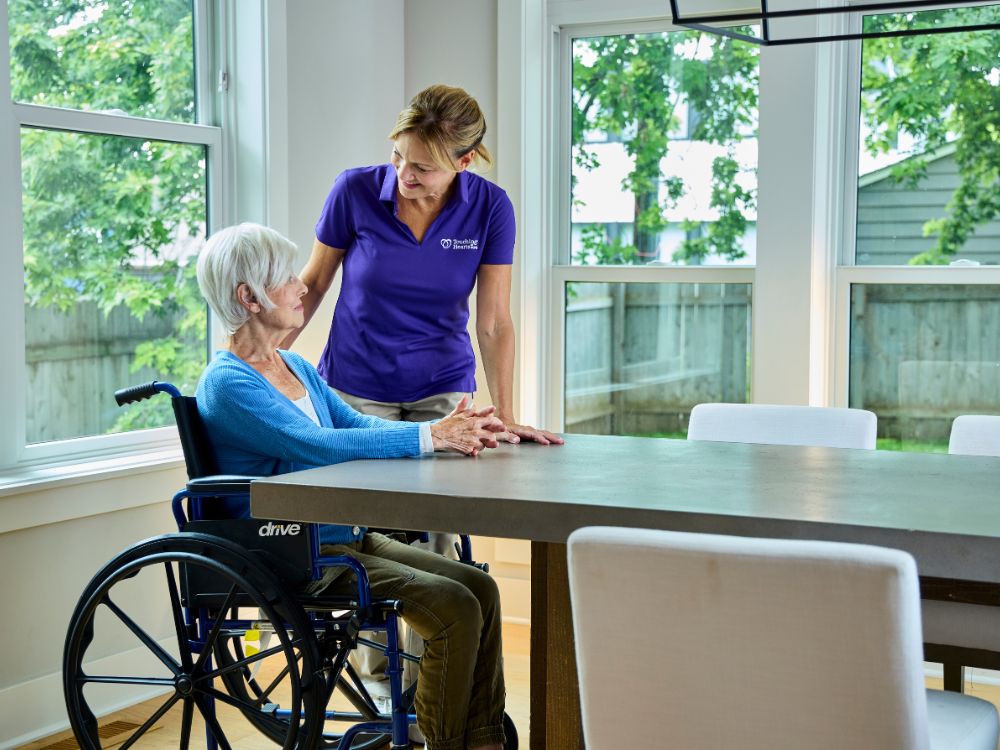
Routine visits help ensure seniors are safe, comfortable, and receiving the care they need.
Reducing Isolation
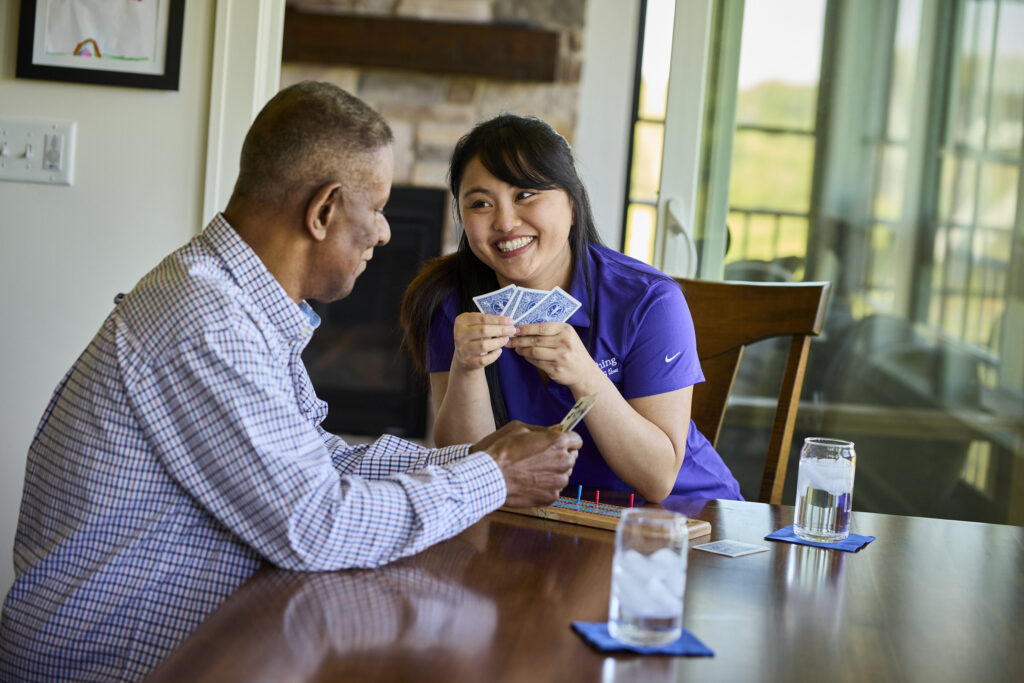
Companionship services encourage conversation, engagement, and meaningful social interaction.
Supporting Daily Living Activities
Assistance with meal preparation, personal care, transportation, and household tasks helps seniors maintain their health and independence.
Offering Peace of Mind for Families
Knowing that a trusted caregiver is regularly checking in on a loved one provides reassurance and helps families stay informed about changing needs.
How Touching Hearts at Home of Charlotte Supports Senior Safety
At Touching Hearts at Home of Charlotte, we believe every senior deserves compassionate care delivered with dignity and respect. Our caregivers build meaningful relationships with clients while providing personalized support that promotes independence, comfort, and well-being.
Through companionship, personal care assistance, transportation, meal preparation, and ongoing support, we help seniors remain safely in their homes while giving families greater peace of mind.
As we recognize World Elder Abuse Awareness Day, we encourage families and community members to stay connected with the older adults in their lives, learn the warning signs of abuse, and advocate for senior safety.
Together, we can help create a community where every older adult feels valued, respected, and protected.