
How to Choose the Right In-Home Care Partner in Onondaga County
Selecting in-home care for an older adult is a thoughtful and meaningful decision. It affects daily life, independence, emotional well-being, and the overall sense of safety and comfort within the home. For many families across Syracuse and the surrounding communities, including Liverpool, Baldwinsville, Fayetteville, Camillus, Manlius, DeWitt, Clay, and Skaneateles, the priority is clear: to help their loved one remain in a familiar environment, surrounded by their daily routines, memories, and sense of identity.
Yet understanding what type of care is needed and which provider is the right fit can feel overwhelming at first. The most helpful starting point is to consider the person at the center of the decision — their preferences, personality, values, and daily lifestyle.
Understanding the Individual — Not Just the Care Tasks
Every older adult has a rhythm to their day and ways of doing things that feel natural to them. These routines are meaningful. The way someone prepares breakfast, chooses clothing, listens to music, enjoys quiet moments, or participates in hobbies can have a grounding effect, supporting not only personal identity but emotional stability. When home care is introduced, these rhythms should be recognized and respectfully upheld.
This means the process begins not with a checklist of tasks, but with conversation and observation. Understanding what helps a person feel comfortable, capable, and secure allows care to be delivered in a way that complements their independence rather than overriding it. The right care partner will invest the time to learn who your loved one is — not only what assistance they need.
Supporting Independence While Promoting Safety
Maintaining independence is often one of the most important goals expressed by older adults. Choosing in-home care does not mean sacrificing autonomy; instead, it allows for the continuation of daily life with added support where needed.
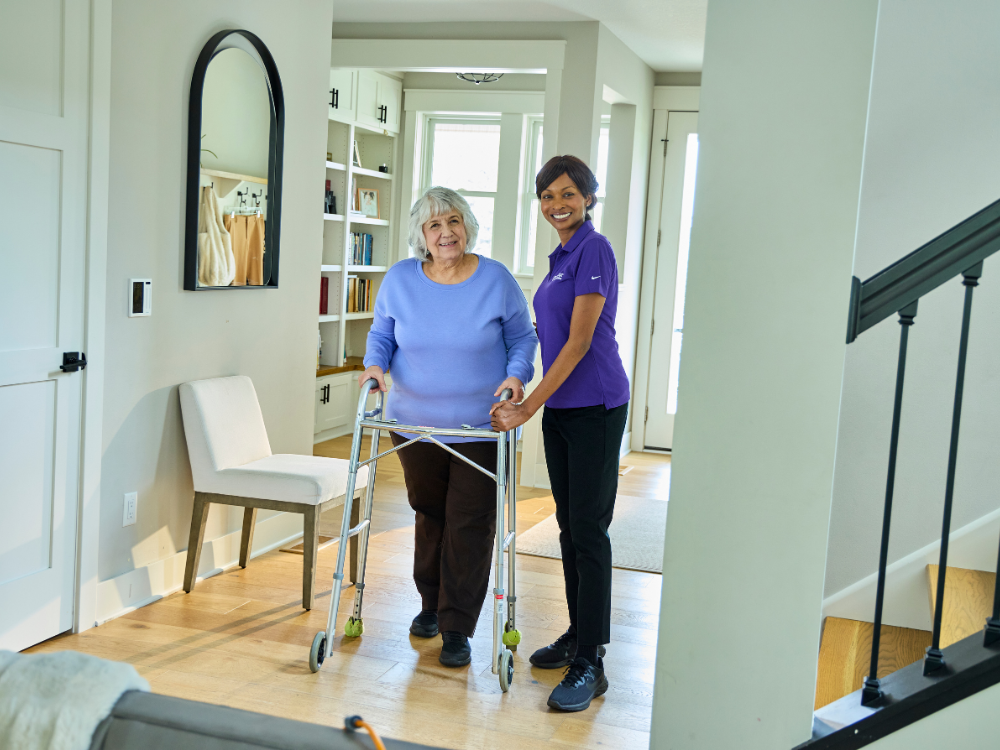
Safety remains a critical component of this support. According to the CDC, 1 in 4 adults over age 65 experiences a fall each year, making fall prevention and safe mobility essential considerations for aging in place (CDC, 2024). This is especially relevant in Central New York, where winter conditions can increase fall risk.
Equally important, however, is emotional well-being. Research from the National Institute on Aging shows that older adults experiencing chronic social isolation face higher rates of depression, cognitive decline, and hospitalization. Quality home care addresses both physical safety and emotional connection, helping to support a person’s confidence, stability, and quality of life.
What Quality Home Care Should Look and Feel Like
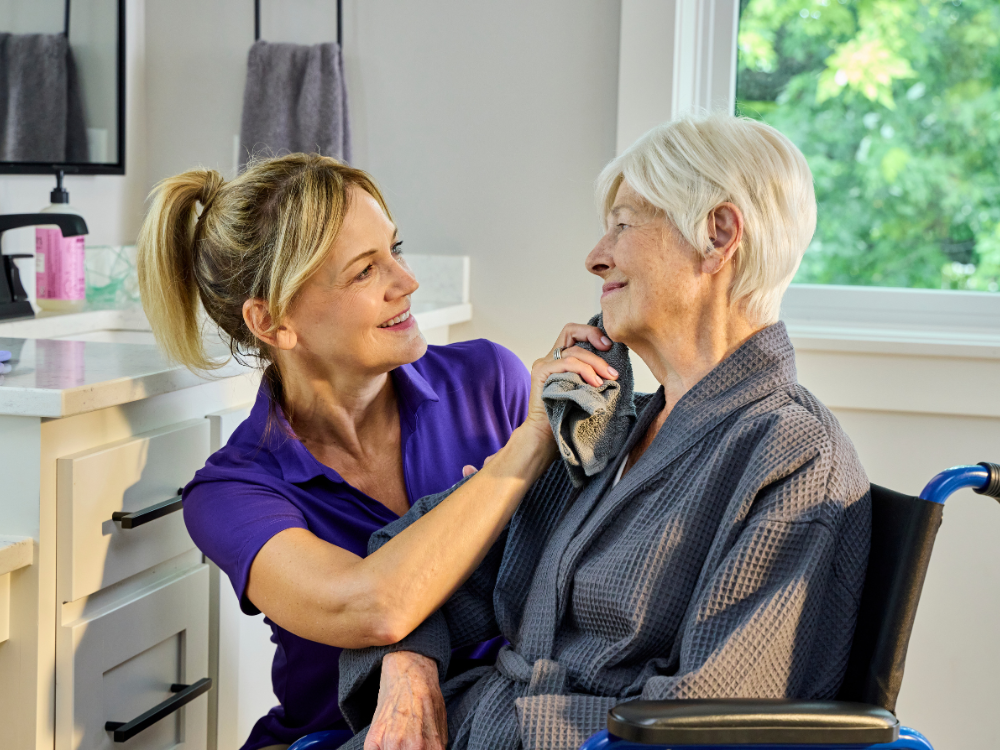
High-quality home care is grounded in consistency, clarity, and respect. It should be paced appropriately, never rushed. Communication should be clear and considerate. Assistance with bathing, grooming, mobility, and daily tasks should protect dignity and comfort. Mealtimes should reflect personal preferences, cultural influences, and nutritional needs. Medication reminders and daily structure should support continuity rather than interruption.
The presence of a care partner should offer reassurance — not disruption. The relationship should feel stable, dependable, and aligned with the older adult’s personality and needs. Quality care is not transactional; it is supportive and relational, reinforcing both safety and identity.
The Importance of Partnership in Care Planning
Effective care is collaborative. It involves open communication among the care provider, the older adult, and family members. It requires ongoing evaluation and thoughtful adjustments as needs change. Home care is not static. Health, mobility, and engagement can shift over time, and the care approach should shift accordingly.
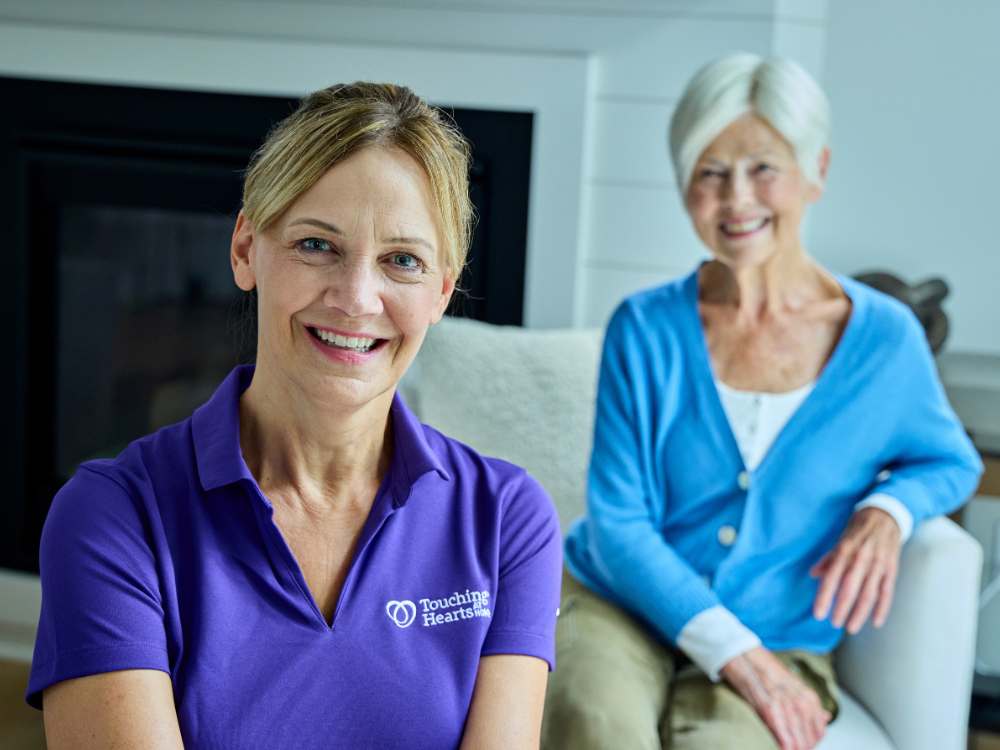
At Touching Hearts at Home of Syracuse, care planning is an active and responsive process. Each care plan is developed based on the individual’s routines, preferences, and goals. As circumstances change, the plan is reviewed and adapted in partnership with the client and their family. This ensures that care remains appropriate, supportive, and aligned with the person’s overall well-being.
Above all, our work is rooted in respect. We recognize the significance of home — not just as a place, but as a reflection of identity, independence, and personal history. Our goal is to support older adults in continuing to live life in a way that feels familiar and meaningful, while ensuring safety, consistency, and compassionate support are always present.
Services Provided with Dignity and Intention
Our care services are designed to support daily living while honoring individuality. These may include assistance with:
- Personal care and hygiene
- Safe mobility and transfer support
- Meal planning and preparation
- Medication reminders and routine support
- Light homemaking, organization, and errands
- Accompaniment to appointments and outings
- Companionship and meaningful social engagement
- Dementia-aware support that emphasizes patience, calm, and connection
Every service is delivered with the goal of helping the older adult continue to live comfortably and confidently at home.
If You Are Beginning to Explore Home Care
We understand that this decision carries emotional weight. We are here to provide clarity, guidance, and support — at your pace. Conversations with our team are always relaxed, informative, and without obligation. Our role is to help you explore options, ask questions, and feel supported every step of the way.
Choosing the right care partner is ultimately about ensuring continuity of identity, safety, and connection. It is about supporting an older adult in remaining at home — not only where they live, but where they continue to fully belong.