
Conversations in the Shadow of Goodbye
Some of the most honest conversations I’ve had in my life have taken place in hospice rooms. The air in those rooms is different—it holds weight, memory, urgency, and tenderness all at once. There’s a kind of permission given in the presence of death. To speak the truth. To soften. To confess.
One man, mid-60s, a former mechanic with calloused hands and a guarded heart, looked at me and said, “I spent so much time being angry. I wish I’d loved more openly.”
His name was Carl. He had grown up hard—emotion was not something that was allowed in his childhood home. His hands were always busy with machines, grease, and grit. He was proud, private, and rarely affectionate. He spoke about his wife, Lorraine, like she were the one person who could read his silence. “She stuck with me when I didn’t make it easy,” he said once, voice cracking.
That day, we talked for two hours. He told me how they met at a diner. She wore red lipstick and ordered black coffee with cream. How he never told her enough how much he admired her strength. About his daughter, who had just started visiting again after years of distance.
He didn’t want to die full of regret. Even in those final days, he was reaching for reconciliation. We made a plan. He recorded a short message for his daughter, voice soft and raspy, saying, “I know I didn’t always show it, but I loved you every single day.” I helped him write a letter to his wife—handwritten, because he said she loved his handwriting. Nothing dramatic. Just truths he’d never spoken out loud.
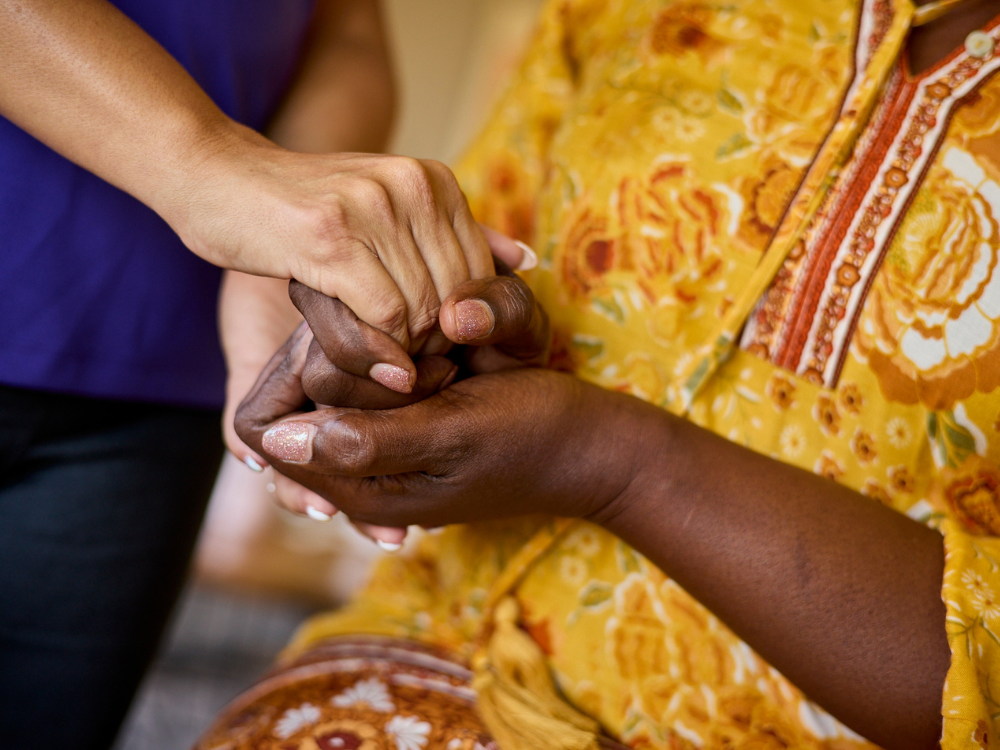
He passed away with their hands in his. Not everything resolved, but everything named. There was still grief. Still sorrow. But also peace.
We often think we need big, dramatic gestures to make amends, but I’ve seen how healing can happen in whispers. A simple “I’m proud of you” or “I’m sorry I didn’t know how to show up for you” can lift years of silence off someone’s chest.
In death, there is space for truth that life doesn’t always allow. And sometimes, even in the smallest exchanges, reconciliation becomes a reality.
I’ve seen daughters sit beside their fathers and whisper stories of their own childhoods, claiming joy they never had the words for until now. I’ve watched partners read love letters written decades ago, letting their words bridge time and distance. These are not just moments of nostalgia—they’re bridges. Healing, shimmering, trembling bridges.
It’s not always perfect. Sometimes the apologies don’t come. Sometimes the other person isn’t ready or able to respond. But when the effort is made, when the heart is open, something shifts. Even if it’s just within one person, that shift can bring peace.