Most families in Fort Bend County know the drill for hurricane season. You buy extra water. You charge your phones. You fill the gas tank, just in case.
But it’s often not the dramatic storms that catch families off guard when it comes to older adults. It’s the ordinary August afternoon — 98°F, no breeze, humidity that makes the air feel thick — when a senior living alone doesn’t turn the air conditioning down far enough, doesn’t drink enough water, and by evening is dizzy and confused.
Or the rare January morning when an unexpected winter storm freezes pipes, knocks out power, and leaves an older adult alone in a cold house with no plan.
Extreme weather in Fort Bend County comes in more than one form. And for seniors, every form carries real risk.
The Heat Is the Biggest Year-Round Risk
Let’s start with the obvious: South Texas gets hot. Really hot.
Fort Bend and Sugar Land regularly see temperatures above 95°F from June through September, with heat indices that push well above 100°F when humidity is factored in. For younger, healthy adults, this is uncomfortable. For older adults — particularly those with heart disease, kidney issues, diabetes, or limited mobility — it can quickly become dangerous.
Heat-related illness in seniors can look surprisingly mild at first. A little confusion. Less energy. Drier skin. And then, quickly, it can escalate.
Summer heat safety checklist for seniors in Fort Bend:
- Keep the home cool — ideally below 78°F — during peak heat hours (noon to 6 PM)
- Drink water consistently throughout the day, not just when thirsty (thirst sensation decreases with age)
- Wear lightweight, light-colored, loose-fitting clothing
- Limit outdoor activity to early morning or evening hours
- Have a backup cooling plan in case of air conditioning failure — know your nearest cooling center
- Make sure someone checks in daily during heat advisories
That last point matters more than people realize. Seniors who live alone are at significantly higher risk during heat events. Daily check-ins aren’t just a nice idea. In July and August in Fort Bend County, they can be lifesaving.
Hurricane and Storm Season Preparedness
Fort Bend County sits within the broader Houston metro region, which means tropical storms and hurricanes are a real seasonal consideration. While major direct hits are relatively infrequent, the area is highly susceptible to flooding — as many families learned during Harvey.
For seniors with mobility limitations or medical needs, storm preparation requires more lead time and more specific planning than it does for younger family members.
Steps for storm-readiness with a senior loved one:
- Maintain a 7-day supply of all medications — refill proactively, don’t wait until the last week
- Know the location of important documents (insurance cards, medication lists, emergency contacts)
- Have a clear evacuation plan — where will they go, who will help them get there, what do they need to bring
- Discuss the plan in advance, not during the storm
- Make sure home care providers are in the communication loop — they may be able to help coordinate
- Have battery-powered backup for medical equipment that requires electricity
The Cold Snap No One Expects
Texas winters are mild — most of the time. But Fort Bend County still sees occasional cold snaps, and after the 2021 winter storm that left millions of Texans without power for days, no family should be caught without a plan.
For older adults, cold carries its own set of risks. Hypothermia can set in at temperatures that feel only mildly uncomfortable to younger people. Those who have had a stroke, live with dementia, or take certain medications may not accurately sense that they’re getting too cold.
Winter cold-weather checklist for seniors:
- Have extra blankets, warm layers, and easy-to-use heating sources accessible
- Know how to shut off the water supply in case of pipe freezing
- Keep a list of emergency contacts posted somewhere visible in the home
- Have a go-bag ready with medications, phone charger, and documents in case evacuation becomes necessary
- Check in more frequently with seniors living alone during cold weather events
Power Outages: More Serious Than They Sound
Power outages that might be a minor inconvenience for a healthy adult can become a medical emergency for a senior with specific needs. Think about what relies on electricity in your loved one’s home:
- CPAP or oxygen equipment
- Electric stair lift or wheelchair
- Refrigerated medications
- Medical alert devices
- Air conditioning (critical in summer) or heating (critical in winter)
Having a plan for each of these — and communicating that plan to everyone involved in your loved one’s care — is essential.
How In-Home Care Helps During Weather Events
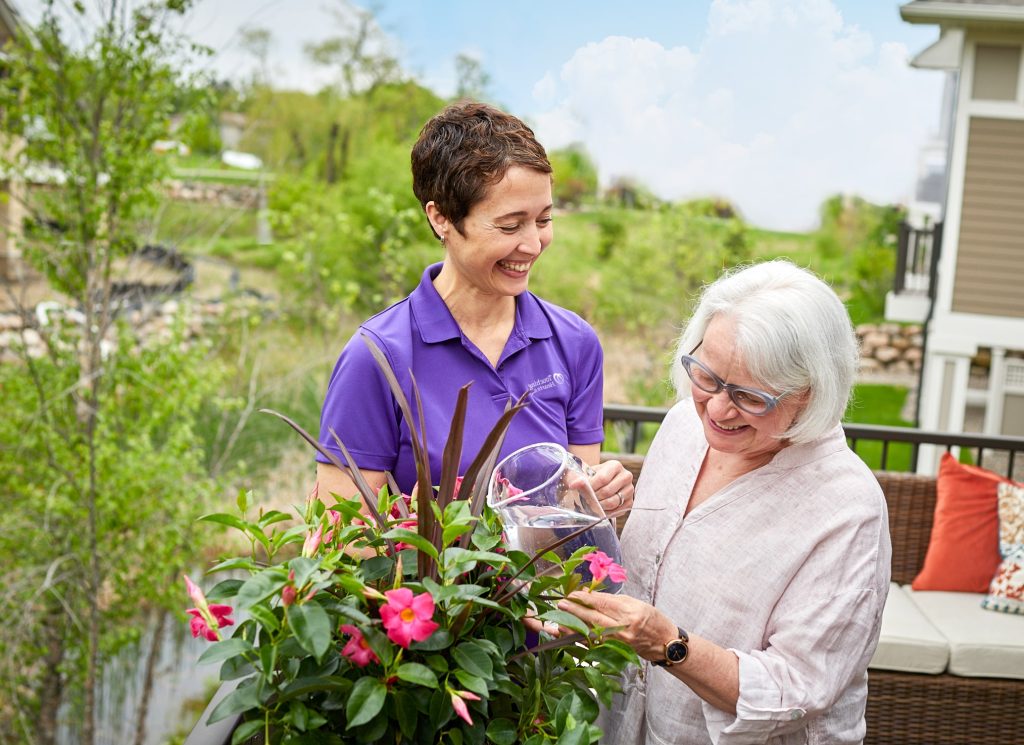
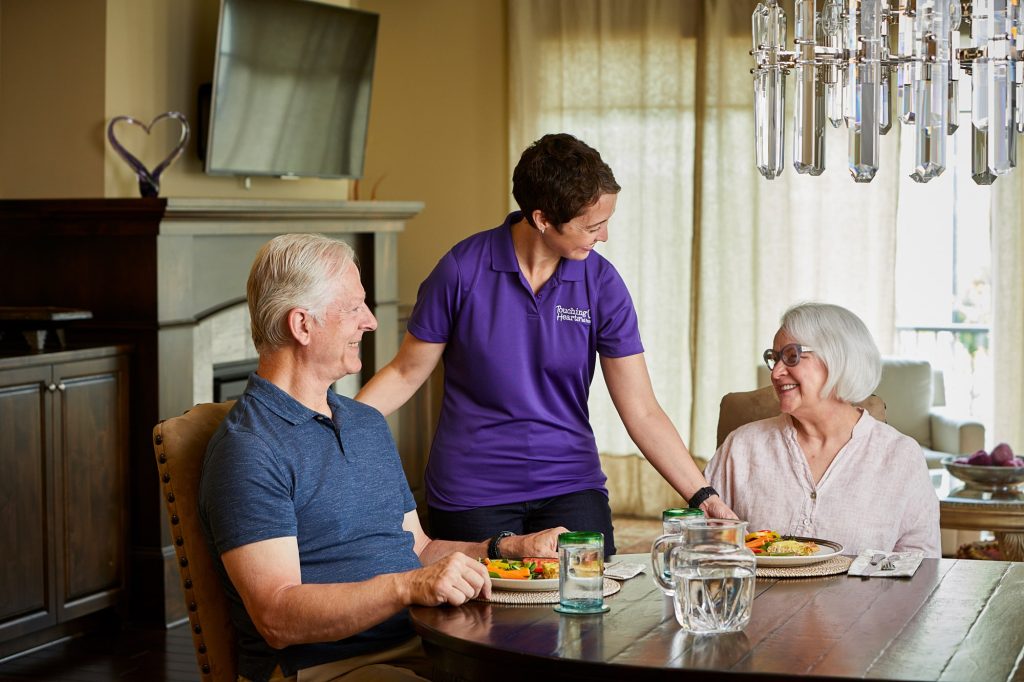
One of the most important things in-home care in Fort Bend provides is consistent human presence. During a heat wave, a care partner who visits daily isn’t just there to help with tasks — they’re the person who notices that your mom’s hands seem unusually dry, that her house feels warmer than it should, that she seems a little more tired than usual.
They’re the person who acts on those observations before they become emergencies.
For families whose older relatives live in Sugar Land or elsewhere in Fort Bend County, knowing that a trusted care partner is checking in — especially during weather extremes — can make an enormous difference in peace of mind.
Home care services in Fort Bend TX are also flexible. If the weather is particularly severe, care hours can often be adjusted to provide additional support when it’s needed most.
Start the Conversation Before You Need It
Weather emergencies don’t wait for convenient timing. The best plans are the ones made calmly, in advance, with everyone on the same page.
If you haven’t had a weather preparedness conversation with your older parent or loved one, start there. Walk through the house together. Think through scenarios. Talk about what would happen if the power went out tonight, or if next August’s heat was worse than last year’s.
And if you’re thinking about bringing in professional support — Sugar Land home care or companion care in Fort Bend — don’t wait for a weather crisis to make that call. Let’s figure out a plan together, when there’s still time to think it through.
Frequently Asked Questions
How does extreme heat affect older adults differently?
Older adults have a reduced ability to regulate body temperature, are more likely to have underlying health conditions, and may be taking medications that affect heat response. This makes them significantly more vulnerable to heat illness than younger people.
What temperature is dangerous for seniors at home?
Indoor temperatures above 78–80°F can become uncomfortable and risky for older adults, particularly those with heart or kidney conditions. During heat advisories, keeping the home cooler is strongly advised.
How can in-home care help during a power outage or storm?
A care partner can help ensure medications are stored safely, the home stays at a safe temperature, equipment is functioning, and the senior is being monitored for signs of distress. Having a professional in the loop also helps with emergency communication.
What should be in a senior emergency kit in Fort Bend?
A 7-day medication supply, emergency contact list, important documents, water, non-perishable food, a flashlight, a phone charger, warm clothes, and any medical equipment backup power supplies.
Is companion care in Sugar Land available on short notice during emergencies?
Touching Hearts at Home does its best to accommodate urgent needs. Reaching out before an emergency — to establish care and get to know a client — is always the best approach so that surge support can happen smoothly when needed.