Aging in Place in Colorado: What Families Need to Plan for in Loveland
For many older adults, home is more than just a place to live—it’s where memories have been made, traditions have been celebrated, and a lifetime of comfort has been built. It’s no surprise that many seniors hope to remain in their own homes for as long as possible, even as their needs begin to change.
For adult children, supporting that goal often comes with important questions. How can you help your parent remain safe at home? What changes should you plan for now instead of waiting until there’s an emergency? And what resources are available to make aging in place a realistic long-term option?
For families in Loveland and throughout Fort Collins, thoughtful planning can make all the difference. By preparing early and understanding the support available, older adults can continue enjoying the independence, familiarity, and peace of mind that come from aging in place.
What Does Aging in Place Mean?
Aging in place means continuing to live safely and comfortably in one’s own home while receiving the support needed as circumstances change over time.
For some seniors, this may simply mean making a few home modifications. Others may benefit from occasional help with household chores, transportation, or personal care. The level of support varies from person to person, but the goal remains the same: helping older adults maintain their independence while preserving their quality of life.
Aging in place often includes a combination of:
- Safe home environments
- Family involvement
- Community resources
- Healthcare coordination
- Non-medical home care
- Long-term planning
Taking a proactive approach allows families to make thoughtful decisions instead of reacting during a crisis.
Why Planning Early Matters
Many families begin discussing aging in place after a hospitalization, fall, or other unexpected event. While these conversations are important, planning before a crisis often leads to better outcomes.
Starting early gives everyone time to:
- Explore available care options.
- Make gradual home improvements.
- Discuss personal preferences.
- Build a support network.
- Create emergency plans.
- Adjust care as needs evolve.
Early planning also allows older adults to participate in decisions about their future, helping preserve their sense of independence and control.
Evaluating Home Safety
A safe home provides the foundation for successful aging in place.
Walking through the home room by room can help identify small improvements that may reduce fall risks and make everyday activities easier.
Entryways and Walkways
Colorado weather can create seasonal hazards, especially during the winter months.
Families should look for:
- Uneven walkways
- Loose railings
- Poor outdoor lighting
- Snow and ice accumulation
- Clutter near entrances
Keeping these areas well maintained helps improve year-round safety.
Bathrooms
Bathrooms are among the most common locations for falls.
Helpful improvements may include:
- Grab bars near toilets and showers
- Non-slip bath mats
- Handheld showerheads
- Shower chairs when appropriate
- Improved lighting
These modifications can make daily routines safer while supporting independence.
Kitchens
Preparing meals should remain both enjoyable and safe.
Simple adjustments include:
- Storing frequently used items within easy reach
- Removing unnecessary clutter from countertops
- Improving lighting over work areas
- Organizing commonly used cookware
These changes help reduce unnecessary reaching, bending, and lifting.
Planning for Daily Living Needs
Even when seniors remain healthy and active, everyday responsibilities may gradually become more challenging.
Considering future needs ahead of time helps families make smoother transitions when additional support becomes beneficial.
Meal Preparation
Preparing nutritious meals every day may become difficult because of reduced stamina, arthritis, or mobility limitations.
Planning ahead might include:
- Preparing freezer meals
- Grocery delivery services
- Assistance with meal preparation
- Creating easy-to-follow weekly menus
Maintaining healthy nutrition supports overall wellness and independence.
Transportation
Driving habits often change gradually.
Some older adults voluntarily reduce driving after dark, while others become uncomfortable navigating busy roads or winter weather.
Planning alternative transportation before it becomes necessary helps seniors remain connected to appointments, errands, and community activities.
Possible options include:
- Family transportation
- Community transportation programs
- Professional caregivers
- Volunteer driver services
Having dependable transportation helps preserve both independence and social engagement.
Household Responsibilities
Housekeeping tasks can become physically demanding over time.
Activities such as:
- Vacuuming
- Laundry
- Changing bed linens
- Carrying groceries
- Seasonal cleaning
may eventually require occasional assistance to keep the home comfortable and safe.
Building a Strong Support Network
Successful aging in place is rarely accomplished alone.
The strongest plans involve a network of family members, friends, neighbors, healthcare providers, and trusted professionals working together to support the older adult’s goals.
Families may find it helpful to discuss:
Emergency Contacts
Keep an updated list of:
- Family members
- Close neighbors
- Primary healthcare providers
- UCHealth Medical Center of the Rockies
- Pharmacy
- Emergency services
Store contact information in an easily accessible location.
Family Responsibilities
Clearly defining responsibilities helps reduce confusion.
For example, one family member may handle finances while another assists with transportation or attends medical appointments.
Sharing responsibilities often prevents caregiver burnout while ensuring important needs are consistently met.
Community Resources
Loveland offers a variety of community resources that help older adults remain active and engaged.
Senior centers, recreational programs, volunteer organizations, and local community events provide opportunities to stay socially connected while maintaining healthy routines.
Combining these resources with practical in-home support often creates a well-rounded plan for long-term independence.
How Home Care Fits Into an Aging in Place Plan
Many families assume home care is only needed after significant health changes occur. In reality, introducing non-medical home care early can make aging in place easier and more sustainable.
Depending on individual needs, caregivers may help with:
Personal Care
Respectful assistance with bathing, dressing, grooming, mobility, and other daily routines helps seniors remain safe while preserving dignity.
Homemaker Services
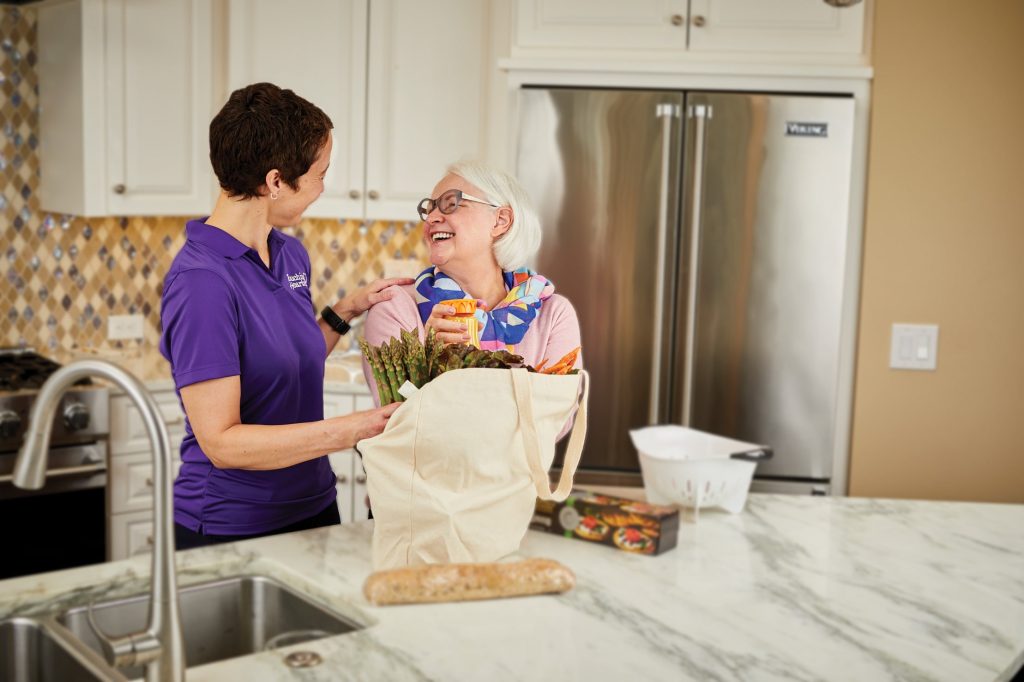
Support with meal preparation, light housekeeping, laundry, and household organization reduces physical strain and helps maintain a comfortable living environment.
Companionship
Regular visits provide conversation, encouragement, and meaningful social interaction that can reduce feelings of loneliness while promoting emotional well-being.
Transportation and Errands
Caregivers can accompany older adults to appointments, grocery stores, pharmacies, community activities, and other important destinations, helping them remain active and engaged throughout the community.
Planning for Changing Care Needs
One of the most important aspects of aging in place is recognizing that needs may change over time. A plan that works well today should also be flexible enough to adapt in the future.
Rather than waiting for a major health event, families can prepare for gradual changes by discussing preferences early and reviewing care plans regularly.
Some areas to consider include:
Mobility Changes
As balance, strength, or endurance change, simple adjustments can make everyday life safer and more manageable.
Examples include:
- Adding additional handrails
- Rearranging furniture for easier movement
- Using mobility aids when recommended
- Scheduling extra assistance with physically demanding tasks
Planning ahead helps older adults maintain confidence while reducing fall risks.
Health Appointments
Medical appointments often become more frequent with age.
Keeping a shared calendar for appointments, medication reviews, and routine wellness visits helps families stay organized and ensures important healthcare needs are not overlooked.
Financial Planning
Although every family’s situation is different, discussing future expenses early can reduce uncertainty.
Planning may include reviewing:
- Monthly household expenses
- Insurance coverage
- Long-term care preferences
- Emergency savings
- Legal and financial documents
Having these conversations before they become urgent allows older adults to participate in decisions about their future.
Colorado Living Brings Unique Planning Considerations
Aging in place in Colorado comes with opportunities as well as responsibilities.
Loveland’s beautiful scenery and active community make it an excellent place for older adults to remain engaged, but changing weather and seasonal conditions require thoughtful preparation.
Families should consider:
Winter Preparedness
Snow, ice, and freezing temperatures can affect everyday routines.
Preparing ahead may include:
- Arranging snow removal
- Stocking emergency supplies
- Scheduling grocery deliveries before storms
- Keeping walkways clear
- Planning transportation alternatives during severe weather
Staying Active Year-Round
Physical activity supports both physical and emotional well-being.
Depending on the season and individual abilities, older adults may enjoy:
- Walking local trails
- Visiting neighborhood parks
- Participating in senior center programs
- Community classes
- Indoor exercise during colder months
Remaining active helps maintain strength, balance, and social connections.
Staying Connected
Aging in place isn’t only about remaining at home—it’s about continuing to enjoy life.
Maintaining friendships, attending community events, participating in faith communities, and spending time with family all contribute to a greater sense of purpose and belonging.
Professional caregivers can help make these activities more accessible by providing transportation, companionship, and practical support.
Creating Peace of Mind for the Entire Family
When families have a thoughtful aging-in-place plan, everyone benefits.
Older adults gain confidence knowing they have support available if circumstances change, while adult children experience greater peace of mind knowing their parent has a plan that promotes safety and independence.
Planning ahead also allows families to spend less time reacting to emergencies and more time enjoying meaningful moments together.
For many families throughout Loveland and Fort Collins, combining family involvement with professional home care creates a balanced approach that supports independence while preparing for the future.
Every family’s journey is unique, but having trusted support along the way can make each transition feel more manageable and less overwhelming.
If you’re feeling unsure about your parent’s needs, Touching Hearts offers a free, no-pressure in-home consultation in Loveland. We’re here to support your family every step of the way.
Frequently Asked Questions
Planning for aging in place often raises important questions. Here are answers to some of the most common concerns.
What does aging in place mean?
Aging in place means remaining safely and comfortably in one’s own home while receiving the support needed as circumstances change over time.
When should families begin planning?
It’s best to begin planning before a crisis occurs. Early planning allows families to make thoughtful decisions, complete home modifications, and discuss care preferences without unnecessary pressure.
Can home care help someone who is still independent?
Yes. Many older adults begin with only a few hours of assistance each week for companionship, transportation, meal preparation, or household tasks while continuing to manage many daily activities independently.
What home modifications improve safety?
Common improvements include grab bars, better lighting, non-slip flooring, secure handrails, clutter-free walkways, and storing frequently used items within easy reach.
How does home care support aging in place?
Professional caregivers provide assistance with personal care, companionship, meal preparation, transportation, light housekeeping, and other daily activities that help older adults remain safe and independent at home.