
Home Care vs Assisted Living in Greeley: Pros & Cons for Colorado Families
Watching a parent or loved one need more help can bring a mix of emotions. Many families in Greeley find themselves asking the same question: Is it better for Mom or Dad to receive care at home, or would assisted living provide the support they need?
There is no one-size-fits-all answer. Every senior has unique needs, preferences, health conditions, and family circumstances. What works well for one family may not be the best fit for another.
If you’re trying to decide between home care and assisted living, understanding the differences can help you make a confident and informed decision. In this guide, we’ll compare both options, explore the advantages and disadvantages of each, and discuss factors Colorado families should consider when planning for long-term care.
Understanding Home Care
Home care allows seniors to receive assistance while continuing to live in their own homes. Services are typically non-medical and designed to help older adults remain independent and safe in familiar surroundings.
Depending on individual needs, home care may include:
- Companionship
- Meal preparation
- Light housekeeping
- Transportation assistance
- Medication reminders
- Personal care support
- Respite care for family caregivers
- Dementia support
Many seniors in Greeley prefer home care because it allows them to maintain their routines, remain connected to their community, and continue living in a place filled with memories.
Understanding Assisted Living
Assisted living communities provide housing, meals, activities, and personal support services in a residential setting.
Residents typically have private apartments or rooms while receiving help with daily activities such as:
- Bathing
- Dressing
- Medication management
- Housekeeping
- Dining services
- Transportation
- Social programming
Assisted living is often designed for seniors who need regular support but do not require the level of medical care provided by a nursing home.
Advantages of Home Care
Seniors Remain in Familiar Surroundings
One of the biggest benefits of home care is the ability to age in place.
Many older adults feel more comfortable and secure in their own homes. Familiar furniture, family photos, pets, neighbors, and routines can provide emotional comfort and reduce stress.
This can be especially important for individuals living with memory loss or cognitive changes.
Personalized One-on-One Attention
Home care is centered entirely around the individual receiving services.
Unlike a community setting where staff members may assist multiple residents at once, caregivers focus on one client during scheduled visits.
This personalized approach often allows care plans to be tailored more closely to specific needs and preferences.
Greater Independence
Many seniors value maintaining control over their daily lives.
With home care, individuals can often continue choosing:
- When they wake up
- What they eat
- How they spend their day
- Which activities they enjoy
Maintaining independence can contribute significantly to emotional well-being and quality of life.
Couples Can Remain Together
One challenge families sometimes encounter with assisted living is differing care needs between spouses.
Home care often allows couples to remain together in the comfort of their own home, even when one partner requires more assistance than the other.
Potential Drawbacks of Home Care
Home Modifications May Be Necessary
Some homes require updates to improve safety.
Families may need to consider:
- Grab bars
- Improved lighting
- Stair railings
- Walk-in showers
- Fall prevention improvements
For many families in Greeley, winter weather and icy conditions can make home safety even more important.
Social Opportunities May Require Additional Planning
Although caregivers provide companionship, seniors receiving home care may need encouragement and transportation to remain socially engaged.
Family members often play an important role in helping loved ones stay connected to friends, community events, faith organizations, and local senior programs throughout Fort Collins.
Advantages of Assisted Living
Built-In Social Activities
Many assisted living communities offer:
- Exercise classes
- Group activities
- Game nights
- Educational programs
- Organized outings
For seniors who enjoy regular social interaction, these opportunities can be appealing.
Predictable Access to Support
Because staff members are available throughout the day, residents often have access to assistance when needed.
Families who worry about their loved one being alone may find comfort in knowing support is nearby.
Reduced Household Responsibilities
Residents generally no longer need to manage:
- Yard work
- Home maintenance
- Snow removal
- Major housekeeping tasks
This can be particularly attractive in Northern Colorado, where winter weather can make home upkeep more challenging.
Potential Drawbacks of Assisted Living
Less Privacy and Independence
Moving into a community setting often requires significant lifestyle adjustments.
Seniors may have less control over schedules, meal options, and daily routines than they would at home.
For individuals who strongly value independence, this transition can be difficult.
Leaving a Familiar Home
Relocating from a longtime residence can be emotionally challenging.
Many seniors have spent decades building memories in their homes and neighborhoods. Leaving those familiar surroundings can create feelings of grief, anxiety, or loss.
Couples May Face Different Care Paths
If spouses require different levels of assistance, assisted living arrangements can become more complicated.
In some situations, couples may eventually need separate care environments as needs change.
Factors Greeley Families Should Consider
Current Health Needs
Start by evaluating your loved one’s current situation.
Consider:
- Mobility challenges
- Memory concerns
- Personal care needs
- Safety risks
- Chronic health conditions
The goal is to identify which environment best supports both current and future needs.
Family Involvement
Family availability often influences care decisions.
Some families provide significant support and simply need additional assistance through home care. Others may live farther away or have limitations that make daily involvement difficult.
Neither situation is right or wrong—it’s simply important to be realistic about available support.
Emotional Well-Being
Care decisions are not solely about physical needs.
Ask yourself:
- Where does your loved one feel happiest?
- What environment feels most comfortable?
- How important is remaining in the family home?
- How does your loved one feel about community living?
Emotional health deserves just as much consideration as practical care needs.
Long-Term Planning
Needs often change over time.
Families should discuss:
- Potential future care requirements
- Financial considerations
- Aging-in-place goals
- Emergency planning
Taking a proactive approach can help reduce stress later.
Why Many Greeley Seniors Choose Home Care First
For many families, home care serves as an effective first step when additional support becomes necessary.
Rather than making a major move immediately, seniors can receive assistance while maintaining their familiar routines and independence.
Home care also allows families to gradually increase support as needs evolve. A few hours of weekly assistance may eventually become daily care, providing flexibility that many families appreciate.
For older adults who strongly wish to remain at home, this approach often offers an excellent balance between safety and independence.
There Is No Universal “Right” Choice
The decision between home care and assisted living depends on many factors, including health, lifestyle preferences, family support, finances, and personal goals.
Some seniors thrive in assisted living communities and enjoy the built-in social opportunities. Others feel happiest remaining in their own homes with personalized support.
The best choice is the one that allows your loved one to feel safe, respected, comfortable, and connected to the life they value most.
By taking time to evaluate options carefully, families can make decisions that support both immediate needs and long-term well-being.
Frequently Asked Questions
Families often have additional questions when comparing home care and assisted living options.
Is home care less expensive than assisted living?
Costs vary depending on the amount of care needed. Home care can be more cost-effective for seniors who only require part-time assistance, while assisted living may offer value for those needing support throughout the day.
Can home care be increased over time?
Yes. One advantage of home care is flexibility. Services can often be adjusted as needs change, allowing seniors to receive additional support without relocating.
Is assisted living safer than staying at home?
Both options can be safe when properly matched to an individual’s needs. The key is ensuring appropriate support, supervision, and fall-prevention measures are in place.
Can seniors with dementia remain at home?
Many individuals with dementia successfully remain at home with specialized support, caregiver assistance, and family involvement. The appropriate setting depends on the stage of the condition and individual circumstances.
How do families know when it’s time to consider additional care?
Common signs include difficulty managing daily activities, frequent falls, medication concerns, memory issues, caregiver burnout, or increasing safety risks at home.
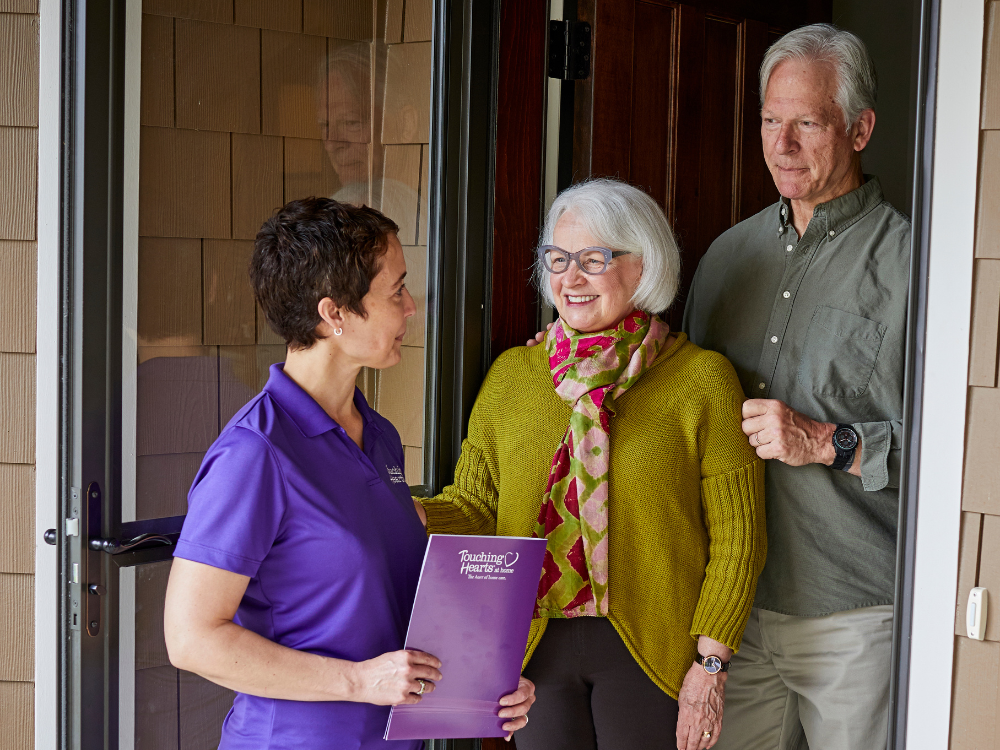
If you’re feeling unsure about your parent’s needs, Touching Hearts offers a free, no-pressure in-home consultation in Greeley. We’re here to support your family every step of the way.