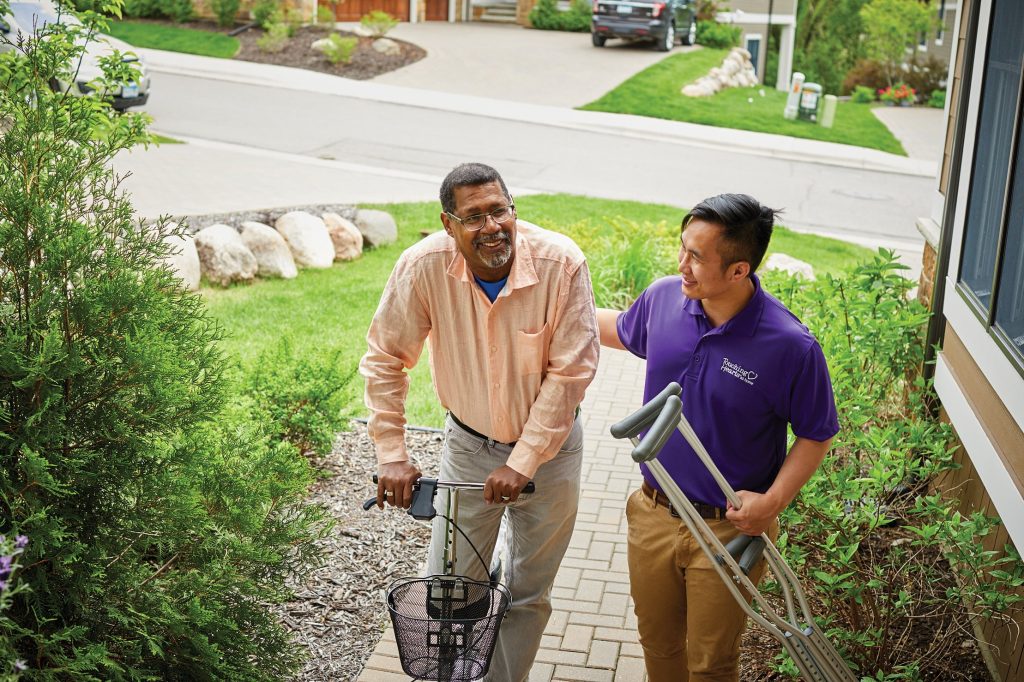

How to Talk to Your Parent About Accepting Help in Greeley
Talking to a parent about accepting help at home can be one of the hardest conversations adult children face. You may notice small changes—missed medications, piles of laundry, or growing isolation—and feel a knot in your stomach wondering how to bring it up without hurting their pride or damaging your relationship.
For many families in Greeley, this conversation comes with added complexity. Parents who raised families, worked hard, and lived independently for decades often see accepting help as a loss of control. At the same time, adult children may feel fear, guilt, or frustration as they worry about safety and well-being.
The good news is that how you approach the conversation matters just as much as what you say. With patience, empathy, and the right framing, it’s possible to open the door to support in a way that preserves dignity and strengthens trust.
Why This Conversation Is So Emotional
Aging brings changes that can feel deeply personal. For your parent, accepting help may symbolize dependence, vulnerability, or fear of what comes next. For you, it may trigger worry about their safety or concern about balancing your own responsibilities.
In communities like Greeley and across the Fort Collins, independence is often a core value. Many older adults are used to managing through Colorado winters, long drives, and busy households on their own. Acknowledging that things are harder now can feel like admitting defeat.
Understanding these emotions on both sides helps set the tone for a more compassionate conversation.
Start With Observation, Not Accusation
Focus on What You’ve Noticed
Instead of saying, “You can’t manage on your own anymore,” try sharing specific observations:
You might mention that you’ve noticed meals aren’t being eaten regularly, or that icy sidewalks during winter have made getting out more difficult. These concrete examples feel less judgmental and more rooted in care.
Use “I” Statements
Framing concerns with “I” statements helps reduce defensiveness. Saying, “I worry about you slipping when the weather gets bad,” sounds very different from, “You shouldn’t be doing this alone.”
This approach keeps the focus on safety and love rather than criticism.
Choose the Right Time and Setting
Avoid High-Stress Moments
Try not to start this conversation during an argument, medical crisis, or rushed visit. Choose a calm moment when you can talk without distractions.
A quiet afternoon at home or a relaxed visit after a shared meal often works better than a hurried phone call.
Keep It Private and Respectful
Talking about personal needs should feel safe and private. Make sure your parent doesn’t feel put on the spot in front of others.
Acknowledge Their Independence and Strength
Honor Their Life Experience
Your parent has likely overcome many challenges. Acknowledging this can help them feel respected rather than diminished.
You might say, “You’ve always handled so much on your own, and I admire that.”
Emphasize Support, Not Replacement
Reassure them that accepting help doesn’t erase their independence. Instead, it can protect it.
Help at home is often about making daily life easier, not taking over decisions or routines.
Reframe Help as a Tool, Not a Loss
Focus on Safety and Comfort
Many parents respond better when help is framed around safety and comfort rather than ability.
For example, assistance during winter weather, help with heavy chores, or companionship during the day can feel practical rather than threatening.
Compare It to Other Supports
You might compare in-home help to hiring someone for yard work or snow removal—support that makes life easier without changing who they are.
Involve Your Parent in the Decision
Ask Open-Ended Questions
Instead of telling your parent what they need, ask what feels hardest right now.
Questions like, “What feels most tiring these days?” or “Is there anything you wish were easier?” invite them into the conversation.
Give Them Choices
Having options restores a sense of control. Whether it’s choosing the schedule, type of help, or starting small, involvement matters.
Start Small and Build Gradually
Suggest a Trial Period
Proposing help for just a few hours a week can feel less overwhelming. It allows your parent to experience the benefits without feeling locked into a big decision.
Many families in Greeley find that once support begins, resistance softens as comfort and trust grow.
Focus on One Area of Need
Instead of addressing everything at once, start with a single concern—meals, transportation, or companionship.
Small steps often lead to bigger acceptance over time.
Be Patient With Resistance
Expect Pushback
Resistance doesn’t mean the conversation failed. It often means your parent needs time to process the idea.
Try not to argue or force agreement in one discussion.
Keep the Door Open
Let your parent know you’re open to revisiting the topic later. Gentle repetition, paired with consistency and care, often makes a difference.
When Safety Is a Growing Concern
Stay Calm and Fact-Based
If safety issues are serious—frequent falls, medication confusion, or missed appointments at the hospital or doctor’s clinic—it’s okay to be more direct while remaining respectful.
Focus on shared goals, like staying at home and avoiding emergencies.
Seek Outside Support if Needed
Sometimes hearing the same message from a neutral third party helps. This could be a trusted professional or care consultant who can explain options without family tension.
How In-Home Care Can Help Ease the Transition
In-home care provides flexible, non-medical support tailored to your parent’s needs. Caregivers can assist with daily routines, provide companionship, help with meals, and offer reassurance—while your parent remains in the home they love.
For many families, in-home care becomes a bridge: easing daily challenges while preserving independence and dignity.
Give Yourself Grace as a Family Caregiver
These conversations are emotionally heavy. It’s normal to feel unsure, guilty, or exhausted.
Remember that wanting support for your parent comes from love, not failure. Seeking help is often the most caring decision you can make—for them and for yourself.
Frequently Asked Questions
What if my parent refuses to talk about help at all?
Start slowly and revisit the topic later. Sometimes it takes several gentle conversations before a parent is ready to engage.
Should I involve siblings in the conversation?
If possible, yes. A united, calm approach can reduce confusion and prevent mixed messages.
How do I avoid sounding controlling?
Focus on collaboration, listen more than you speak, and invite your parent to share their perspective.
Is it okay to bring up safety concerns directly?
Yes, especially when safety is at risk. Be respectful, specific, and calm rather than emotional or accusatory.
Can in-home care really help with acceptance?
Often, yes. Once parents experience respectful, supportive care, many feel relieved rather than resistant.
If you’re feeling unsure about your parent’s needs, Touching Hearts offers a free, no-pressure in-home consultation in Greeley. We’re here to support your family every step of the way.