Non-Medical vs. Medical Home Care in Fort Collins: Understanding the Difference
When an aging parent begins needing extra support, many families quickly discover that home care isn’t a one-size-fits-all service. Terms like “non-medical home care,” “home health care,” and “medical home care” are often used interchangeably, creating confusion at a time when families are already navigating important decisions.
If you’re researching care options in Fort Collins, understanding the difference between non-medical and medical home care can help you choose the right level of support for your loved one. While both services allow seniors to remain at home, they serve very different purposes and are often used together as part of a comprehensive care plan.
For many families throughout Fort Collins and the surrounding Fort Collins region, the key question isn’t whether home care is needed—it’s which type of care will best support a loved one’s safety, independence, and quality of life.
This guide explains how each type of care works, when it may be appropriate, and how families can determine the right fit.
What Is Non-Medical Home Care?
Non-medical home care focuses on helping seniors with everyday activities that become more challenging with age.
These services do not involve medical treatment, diagnoses, injections, wound care, or clinical procedures. Instead, caregivers provide practical support that helps older adults remain safe, comfortable, and independent at home.
Common Non-Medical Home Care Services
Non-medical caregivers may assist with:
- Companionship
- Meal preparation
- Light housekeeping
- Laundry
- Grocery shopping
- Transportation
- Medication reminders
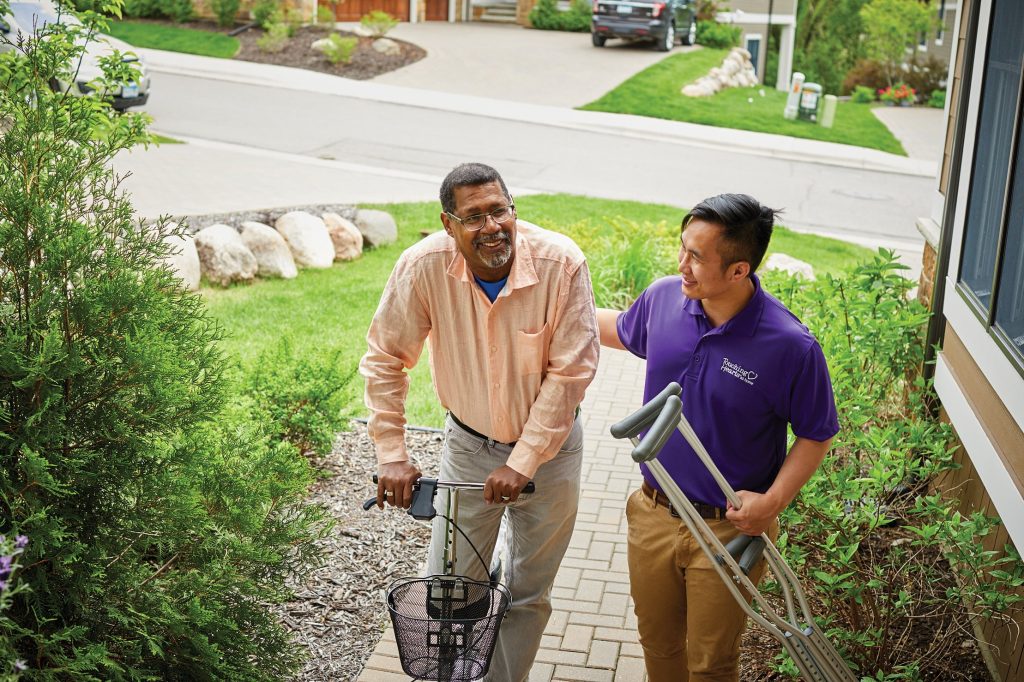
- Mobility assistance
- Personal care support
- Bathing and grooming
- Dressing assistance
These services help seniors maintain their routines while reducing stress for family caregivers.
The Goal of Non-Medical Care
The primary objective is to improve quality of life and support daily independence.
Rather than treating medical conditions, caregivers focus on helping clients successfully manage everyday living tasks that contribute to overall well-being.
What Is Medical Home Care?
Medical home care—often called home health care—involves skilled clinical services provided by licensed healthcare professionals.
These services are typically prescribed by a physician and are designed to address specific medical needs.
Medical Home Care Providers May Include
- Registered nurses
- Licensed practical nurses
- Physical therapists
- Occupational therapists
- Speech therapists
- Other licensed healthcare professionals
Unlike non-medical caregivers, these providers perform clinical tasks that require specialized training and licensure.
Common Medical Home Care Services
Medical home care may include:
- Wound care
- Injections
- IV therapy
- Physical therapy
- Medication management
- Skilled nursing care
- Post-surgical recovery services
- Chronic disease monitoring
- Rehabilitation support
These services focus on treating or managing medical conditions under professional supervision.
Comparing Non-Medical and Medical Home Care
Although both services are delivered in the home, their responsibilities differ significantly.
Non-Medical Home Care
Non-medical care focuses on:
- Daily living assistance
- Companionship
- Household support
- Safety supervision
- Personal care assistance
- Maintaining independence
Medical Home Care
Medical care focuses on:
- Clinical treatment
- Skilled nursing services
- Therapy and rehabilitation
- Medical monitoring
- Physician-directed care plans
- Disease management
Understanding these distinctions helps families avoid paying for services they don’t need while ensuring seniors receive appropriate support.
When Non-Medical Home Care May Be the Right Choice
Many seniors need help long before medical intervention becomes necessary.
Signs a Senior May Benefit from Non-Medical Care
A loved one may benefit from non-medical home care if they are:
- Forgetting meals
- Struggling with housekeeping
- Missing appointments
- Experiencing mobility challenges
- Feeling isolated
- Having difficulty with bathing or dressing
- Recovering from illness and needing additional support
- Feeling overwhelmed by daily responsibilities
In many cases, early support helps seniors remain independent longer.
Supporting Aging in Place
Many Fort Collins seniors prefer staying in their own homes rather than relocating to a care facility.
Non-medical home care helps make that goal possible by addressing practical challenges before they become larger problems.
When Medical Home Care May Be Needed
Certain situations require clinical expertise.
Common Reasons Families Seek Medical Home Care
Medical home care may be appropriate following:
- Surgery
- Hospital discharge
- Serious illness
- Injury recovery
- Stroke rehabilitation
- Chronic disease complications
A physician typically determines when skilled medical services are necessary.
Temporary vs. Ongoing Care
Medical home care is often short-term and focused on recovery goals.
Once those goals are achieved, seniors may transition to non-medical care for ongoing support.
How the Two Services Often Work Together
One of the biggest misconceptions is that families must choose one type of care or the other.
In reality, many seniors benefit from both.
A Common Example
Imagine a senior returning home after hip replacement surgery.
A physical therapist may visit several times each week to support rehabilitation.
Meanwhile, a non-medical caregiver can help with:
- Meal preparation
- Bathing assistance
- Transportation
- Household tasks
- Mobility support
- Companionship
Together, these services create a safer and more comfortable recovery experience.
Filling the Gaps Between Medical Visits
Medical professionals typically spend limited time with patients.
Non-medical caregivers often provide ongoing support throughout the day, helping seniors follow routines and maintain a safe environment between healthcare visits.
The Importance of Companionship
One of the most valuable aspects of non-medical home care is also one of the most overlooked.
Social Connection Matters
Loneliness and isolation can affect both emotional and physical well-being.
Many seniors experience:
- Reduced social interaction
- Loss of friends or spouses
- Limited mobility
- Transportation challenges
Regular companionship provides opportunities for conversation, engagement, and meaningful connection.
Supporting Mental and Emotional Health
Caregivers often become trusted sources of encouragement and social support.
These relationships can contribute significantly to a senior’s overall quality of life.
Home Care and Colorado’s Unique Challenges
Families throughout Fort Collins face challenges that can make home support especially valuable.
Winter Weather Considerations
Northern Colorado winters can bring:
- Snow-covered sidewalks
- Ice hazards
- Reduced mobility
- Transportation difficulties
Caregivers can assist with daily tasks when weather conditions make independent living more difficult.
Supporting Active Seniors
Many older adults in Fort Collins enjoy an active lifestyle and want to remain engaged in the community.
Home care can help seniors continue participating in activities they enjoy while receiving the support they need.
Questions to Ask When Evaluating Home Care Options
Before selecting a care provider, families should ask several important questions.
Questions About Non-Medical Care
- What services are included?
- How are caregivers trained?
- How are caregivers matched with clients?
- Can care plans be customized?
- What scheduling options are available?
Questions About Medical Care
- What services require a physician referral?
- Which licensed professionals provide care?
- How often will visits occur?
- How is progress monitored?
- What happens if needs change?
Understanding the answers can help families make confident, informed decisions.
Choosing the Right Care for Your Loved One
Every family’s situation is unique.
Some seniors only need occasional help with errands and household tasks. Others require skilled nursing or rehabilitation following a medical event. Many benefit from a combination of both services.
The most important step is understanding your loved one’s current needs while anticipating future changes.
By selecting the appropriate level of support, families can help seniors remain safe, independent, and comfortable in the place they call home.
Frequently Asked Questions
Choosing between medical and non-medical home care often raises several questions for families.
Can non-medical caregivers provide medical treatments?
No. Non-medical caregivers do not provide clinical treatments, administer injections, perform wound care, or deliver other skilled medical services.
Does medical home care replace non-medical home care?
Not necessarily. Many seniors use both services simultaneously, with medical providers addressing clinical needs and caregivers assisting with daily living activities.
Which type of home care is covered by insurance?
Coverage varies depending on the situation, insurance provider, and eligibility requirements. Families should consult their insurance carrier and healthcare providers for specific information.
How do I know which type of care my parent needs?
A physician can help determine whether skilled medical services are necessary. A home care consultation can also help assess daily living needs and support options.
Can a senior transition from medical care to non-medical care?
Yes. Many seniors receive medical home care during recovery and then continue with non-medical support to maintain independence afterward.
If you’re feeling unsure about your parent’s needs, Touching Hearts offers a free, no-pressure in-home consultation in Fort Collins. We’re here to support your family every step of the way.