Non-Medical vs. Medical Home Care in Colorado: What Greeley Families Need to Know
When a parent begins needing extra help at home, families often find themselves facing unfamiliar terms and difficult decisions. One of the most common points of confusion is understanding the difference between non-medical home care and medical home care — and knowing which option truly fits their loved one’s needs.
If you’re caring for an aging parent in Greeley, you may be asking yourself whether they need hands-on medical support or simply help with daily life. This question is important, and it’s not always obvious at first.
This article is designed to clearly explain the difference between non-medical and medical home care in Colorado, how each type of care works, and how Greeley families can choose the right level of support with confidence and peace of mind.
Understanding Home Care Options in Colorado
Home care allows seniors to remain in familiar surroundings while receiving help tailored to their needs. In Colorado, home care generally falls into two broad categories: non-medical home care and medical home care.
While both support aging in place, they serve very different purposes and are regulated differently. Knowing the distinction can help you avoid overpaying for care — or unintentionally choosing care that doesn’t fully meet your parent’s needs.
What Is Non-Medical Home Care?
Non-medical home care focuses on daily living support, safety, and companionship, rather than medical treatment. This type of care is often the first step families take when they begin noticing changes in a loved one’s independence.
Common Non-Medical Home Care Services
Non-medical caregivers assist with tasks such as:
-
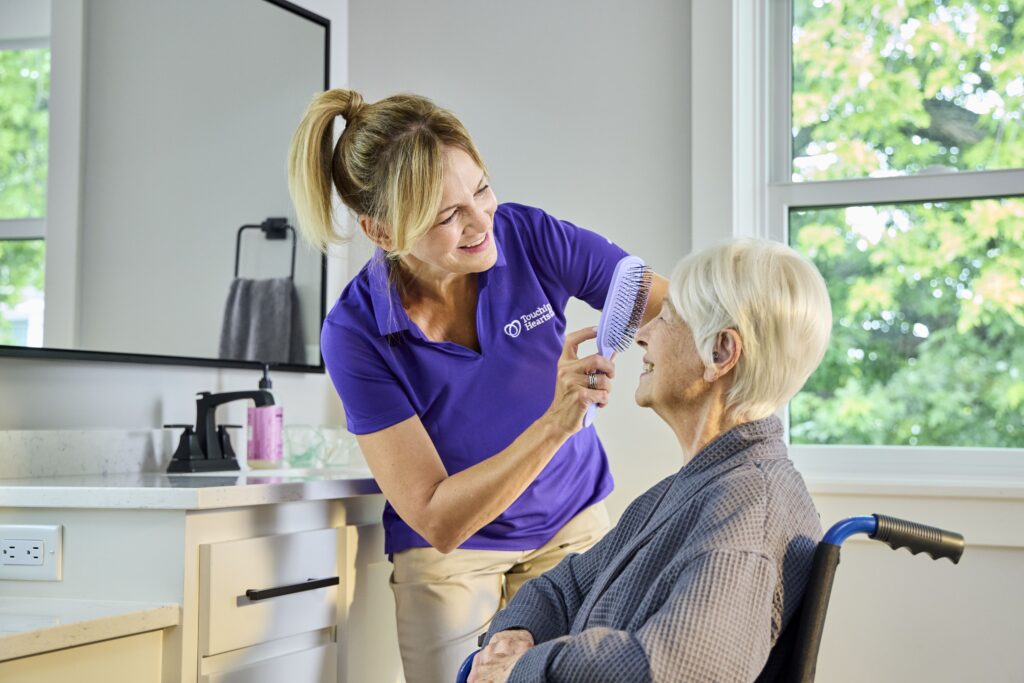
Bathing, dressing, and grooming
-
Meal preparation and light housekeeping
-
Medication reminders (not administration)
-
Mobility assistance and fall prevention
-
Transportation to appointments or errands
-
Companionship and emotional support
In Greeley, non-medical home care is especially valuable for seniors who want to remain active in their community but need extra help navigating daily routines.
Who Provides Non-Medical Care?
Non-medical care is typically provided by trained caregivers rather than licensed nurses. These caregivers are carefully screened, trained, and supervised, with a focus on safety, dignity, and respectful support.
This type of care does not include medical procedures, wound care, injections, or clinical assessments.
When Non-Medical Home Care Is a Good Fit
Non-medical care may be the right choice if your parent:
-
Is medically stable
-
Needs help with daily activities
-
Is recovering from illness but not under skilled medical orders
-
Feels lonely or isolated
-
Wants to stay independent but needs support
For many families in Greeley, non-medical care provides the right balance of help without feeling overwhelming or intrusive.
What Is Medical Home Care?
Medical home care — often referred to as home health care — involves licensed medical professionals providing skilled services under a doctor’s order.
This type of care is usually temporary and focused on treating a specific medical condition or supporting recovery.
Common Medical Home Care Services
Medical home care may include:
-
Skilled nursing visits
-
Wound care and injections
-
Medication administration
-
Physical, occupational, or speech therapy
-
Post-hospital or post-surgery care
-
Chronic condition monitoring
Medical home care is designed to address health-related needs, not daily household or companionship tasks.
Who Provides Medical Home Care?
Medical care is delivered by licensed professionals such as:
-
Registered nurses
-
Licensed practical nurses
-
Physical and occupational therapists
-
Speech-language pathologists
In Colorado, medical home care requires physician involvement and is often coordinated through hospitals or clinics such as UCHealth Peakview Medical Center.
When Medical Home Care Is Necessary
Medical home care may be appropriate if your loved one:
-
Has recently been hospitalized
-
Requires skilled nursing or therapy
-
Needs wound care or injections
-
Is managing a new or unstable medical condition
In many cases, medical home care is short-term, ending once treatment goals are met.
Key Differences Between Non-Medical and Medical Home Care
Understanding the core differences can help families choose confidently.
Focus of Care
Non-medical care focuses on daily living, safety, and quality of life.
Medical care focuses on treatment, recovery, and clinical needs.
Length of Care
Non-medical care can be ongoing and flexible.
Medical home care is usually short-term and goal-driven.
Cost and Coverage
Medical home care is often covered by Medicare or insurance when medically necessary.
Non-medical home care is typically private pay, long-term care insurance, or VA benefits.
Level of Involvement
Non-medical caregivers become part of daily routines and provide companionship.
Medical providers visit periodically for specific treatments.
Which Type of Care Do Greeley Families Choose Most Often?
Many families assume medical care is the default, but in reality, non-medical home care is far more common for aging adults living at home.
Seniors in Greeley often face challenges such as:
-
Mobility changes
-
Difficulty keeping up with household tasks
-
Increased fall risk during icy winters
-
Social isolation
These concerns don’t always require medical intervention, but they do benefit from consistent, compassionate support.
Can Families Use Both Types of Care?
Yes — and many do.
It’s common for families to combine medical and non-medical care. For example:
-
A nurse visits weekly for wound care
-
A caregiver provides daily help with bathing, meals, and safety
This approach ensures medical needs are addressed while daily life remains supported.
Non-medical caregivers often help bridge gaps between medical visits, offering continuity and reassurance for both seniors and families.
How to Decide What Your Parent Needs
Choosing between non-medical and medical home care doesn’t have to be overwhelming.
Consider These Questions
-
Can your parent safely bathe, dress, and move around the home?
-
Are medications being taken correctly and on time?
-
Has there been a recent hospitalization or new diagnosis?
-
Is loneliness or isolation becoming a concern?
-
Are you or other family members feeling stretched thin?
If medical treatment is required, medical home care is essential. If daily living and safety are the main challenges, non-medical care may be the right starting point.
The Value of Local Support in Greeley
Local caregivers understand the realities of life in Fort Collins, including:
-
Winter weather and icy sidewalks
-
Long distances between appointments
-
The importance of community and familiar routines
Having a local care team means better scheduling reliability and caregivers who know the area well.
Why Many Families Start with Non-Medical Home Care
Non-medical care often serves as a gentle introduction to receiving help. It preserves independence while providing reassurance that someone is there to help when needed.
Families frequently find that starting with non-medical support:
-
Prevents falls and emergencies
-
Reduces caregiver burnout
-
Helps seniors stay at home longer
-
Improves overall quality of life
As needs evolve, care can be adjusted without disruption.
Frequently Asked Questions
Below are answers to common questions Greeley families ask when comparing home care options.
How do I know if my parent needs medical home care?
Medical home care is usually needed after hospitalization or when a doctor orders skilled services like nursing or therapy.
Can non-medical caregivers give medications?
Non-medical caregivers provide medication reminders but do not administer medications or perform medical procedures.
Is non-medical home care regulated in Colorado?
Yes. Agencies must meet state requirements and follow safety, training, and oversight standards.
How long does medical home care usually last?
Medical home care is typically short-term and ends once treatment goals are achieved.
Can care needs change over time?
Absolutely. Many families begin with non-medical care and add medical services if health conditions change.
If you’re feeling unsure about your parent’s needs, Touching Hearts offers a free, no-pressure in-home consultation in Greeley. We’re here to support your family every step of the way.