Movement is a foundation of independence as people age. The ability to stand, walk, reach, and shift positions safely affects nearly every part of daily life. Yet many seniors begin moving less due to pain, balance concerns, or fear of falling. With thoughtful elder care services, older adults can continue moving in ways that support strength, confidence, and safety—without pushing beyond what feels manageable.
Why Movement Matters More with Age
As the body ages, muscle mass and flexibility naturally decline. Joints may feel stiffer, reaction times can slow, and balance may become less reliable. Regular movement helps counter these changes by supporting circulation, posture, and coordination. Even light activity can help seniors perform daily tasks more comfortably, from standing up from a chair to walking across a room.
When movement is limited, the opposite effect often occurs. Muscles weaken, endurance drops, and confidence declines. Seniors may begin avoiding activity altogether, which can increase fall risk and reduce independence over time. Elder care focuses on keeping movement part of everyday life in a way that feels steady and supportive.
Understanding the Fear Behind Reduced Movement
Fear of falling is one of the most common reasons seniors stop moving as much as they once did. A previous fall, close call, or health change can create lasting anxiety. This fear may not always be verbalized, but it shows up in hesitation, slower movement, or avoidance of certain areas of the home.
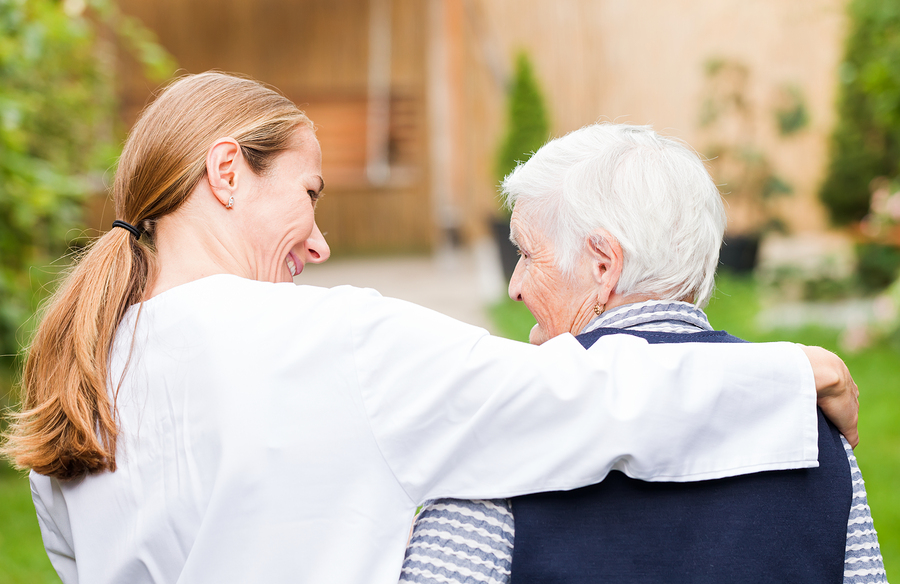
Caregivers trained in elder care recognize these signs and respond with patience rather than pressure. A calm presence during movement helps seniors feel more secure. Whether offering an arm for balance or simply staying nearby, caregivers help rebuild trust in the body’s ability to move safely.
Supporting Safe Movement Throughout the Day
Safe movement does not require formal exercise routines. In fact, some of the most beneficial movement happens during everyday activities. Standing during grooming, walking short distances within the home, or gently stretching while seated all support mobility.
Elder care encourages these moments by providing assistance during transitions, such as getting out of bed, rising from a chair, or navigating doorways. Caregivers focus on proper pacing and positioning, allowing seniors to move at a comfortable speed while staying supported. Over time, these consistent movements help maintain strength and balance.
Movement During Personal Care Activities
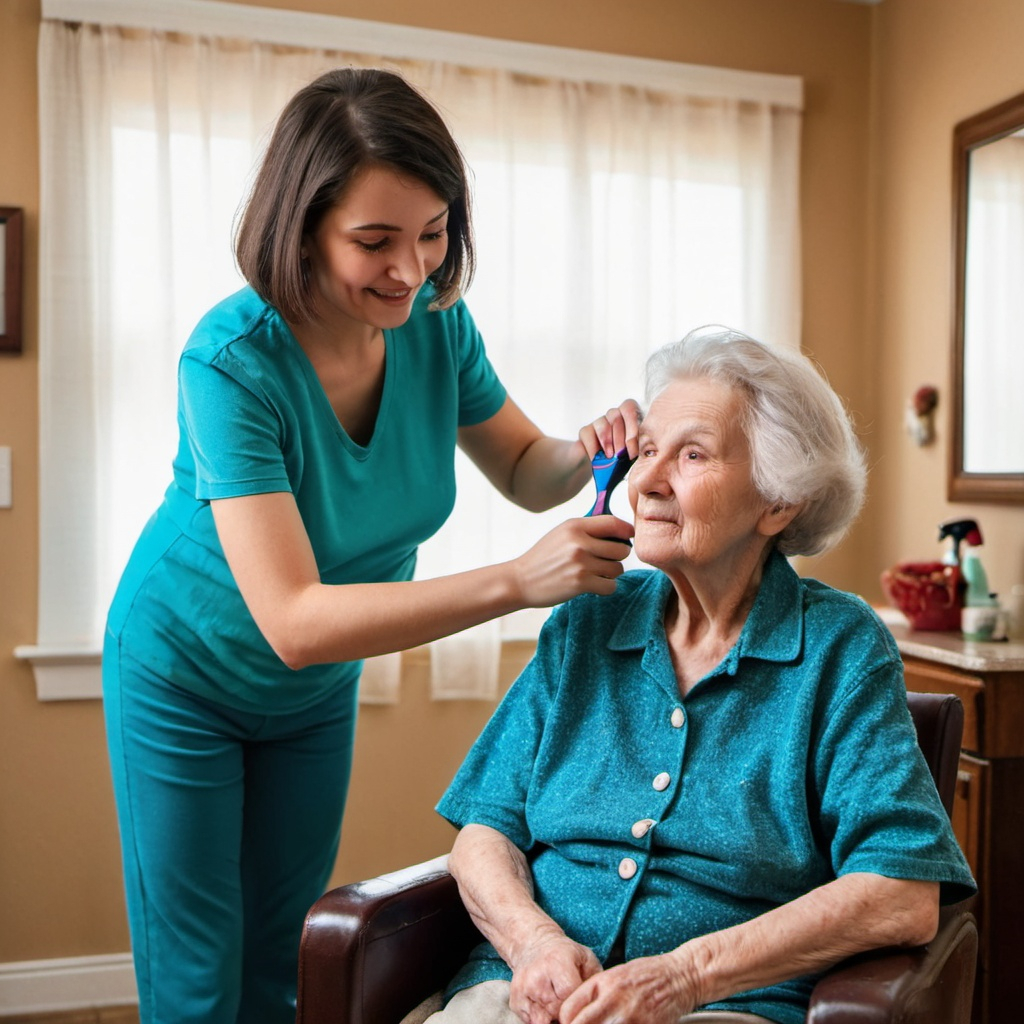
Personal care routines naturally involve movement and coordination. Bathing, dressing, and grooming require balance, flexibility, and muscle engagement. Rather than completing these tasks for the senior, caregivers offer support that allows the individual to participate as much as possible.
This approach helps seniors stay involved in their own care while reinforcing physical abilities. Even small actions—lifting an arm, stepping forward, or turning safely—contribute to maintaining mobility. Elder care prioritizes dignity while recognizing that participation supports long-term independence.
Creating a Home That Encourages Movement
The physical environment plays a major role in how safely seniors move. Cluttered spaces, poor lighting, or uneven surfaces can make movement feel risky. Caregivers help maintain clear walkways, organize frequently used items, and reduce obstacles that might discourage activity.
Light housekeeping support keeps floors clear and furniture arranged in ways that support steady movement. When seniors feel confident navigating their home, they are more likely to stay active rather than limit themselves to one room or chair.
Encouragement Through Companionship
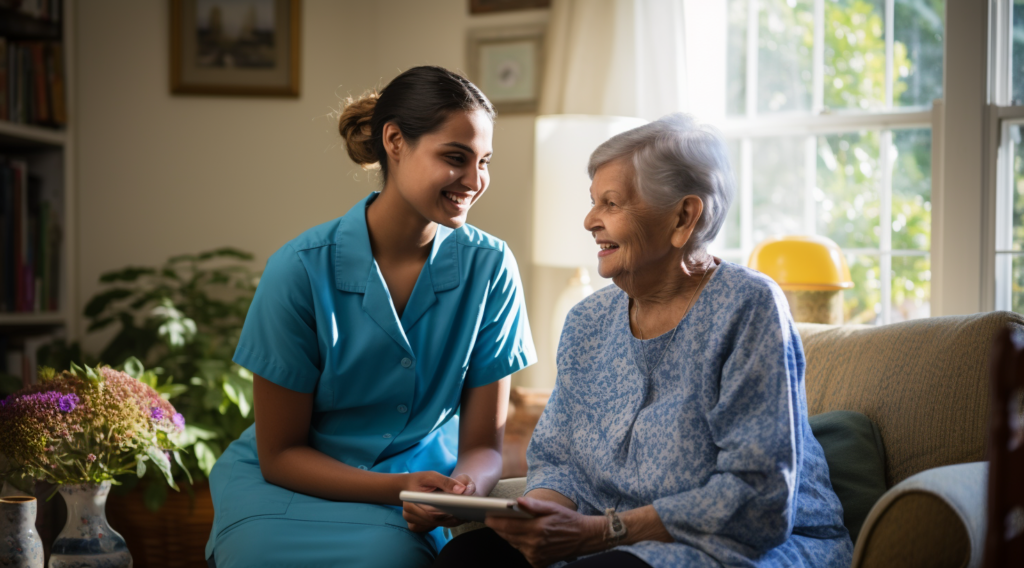
Movement is often easier when it feels shared. Companionship plays an important role in keeping seniors engaged. A caregiver who walks alongside a senior, talks during movement, or provides gentle encouragement helps reduce self-consciousness and fear.
This social aspect of elder care turns movement into a natural part of the day rather than a chore. Whether it’s walking to the mailbox, standing to prepare a simple snack, or stretching while chatting, these moments support both physical and emotional well-being.
Adapting Movement to Changing Abilities
A senior’s ability to move may change over time due to health conditions, fatigue, or recovery from illness. Elder care adapts to these changes without judgment. Care plans can shift to include more hands-on support or adjusted routines that reflect current abilities.
Caregivers pay attention to how a senior responds to movement each day. Some days may allow for more activity, while others call for rest and gentle assistance. This flexible approach prevents overexertion while still supporting consistent movement whenever possible.
Preventing Injury Through Awareness
Safe movement is about awareness as much as activity. Caregivers monitor signs of dizziness, weakness, or discomfort and respond promptly. Helping seniors pause, sit, or reposition reduces the chance of injury.
Elder care also emphasizes proper footwear, safe pacing, and clear communication during movement. These small precautions help seniors feel protected and reduce anxiety around everyday tasks.
How Families Benefit from Movement-Focused Care
Families often worry about their loved one’s mobility, especially if they live alone or have a history of falls. Knowing that a caregiver is present to assist with movement provides reassurance. Families gain confidence that daily routines are being handled safely and that changes in mobility will be noticed and addressed.
This support allows families to focus on quality time rather than constant concern. Elder care creates a shared sense of responsibility that helps everyone feel more secure.
Movement as a Path to Independence
Movement supports independence by helping seniors continue daily activities with confidence. When seniors feel capable moving through their home, they are more likely to remain engaged in life and maintain a sense of control.
Touching Hearts at Home Gainesville provides elder care that respects individual abilities while encouraging safe, effective movement. Through consistent support, patience, and awareness, seniors can remain active participants in their daily routines. Touching Hearts at Home Gainesville remains dedicated to helping older adults move safely and confidently in the place they call home.

Elder Care Oakmont – Empowering Seniors Through Safe, Effective Movement
If you are considering Elder Care Services in Oakmont for an aging loved one, please contact the caring staff at Touching Hearts Home Care. Call today: 352-225-3727.