For many families, assistance with bathing, dressing, or grooming may seem like simple practical support. In reality, personal care at home services play a much larger role in a senior’s life. It supports dignity, emotional stability, physical safety, and overall well-being. When delivered thoughtfully, personal care does more than meet basic needs—it strengthens confidence and preserves independence in meaningful ways.
The Physical Foundation of Daily Comfort
Personal care tasks form the foundation of everyday living. Bathing, dressing, oral hygiene, grooming, and mobility assistance all contribute to health and comfort. When these tasks become difficult due to mobility challenges, chronic illness, or recovery from surgery, seniors may feel frustrated or embarrassed.
Personal care at home allows assistance to be delivered privately and respectfully. Caregivers provide help while encouraging seniors to participate as much as possible. This balanced approach protects physical health while reinforcing independence. Clean skin, comfortable clothing, and proper hygiene reduce infection risk and support overall wellness.
Dignity in the Details
Dignity is often shaped by small details. The ability to choose clothing, maintain grooming habits, or follow a preferred morning routine contributes to a strong sense of self. When seniors struggle with these tasks alone, they may withdraw or avoid social interaction.
With personal care at home, caregivers support these routines without rushing or overriding preferences. Seniors remain involved in decisions about their appearance and comfort. This attention to personal choice helps maintain self-esteem and emotional stability.
Safety During Vulnerable Moments
Bathing and dressing are among the most common times for falls to occur. Wet floors, uneven footing, or limited strength can increase risk. Personal care services provide hands-on support during these vulnerable moments, reducing the likelihood of injury.
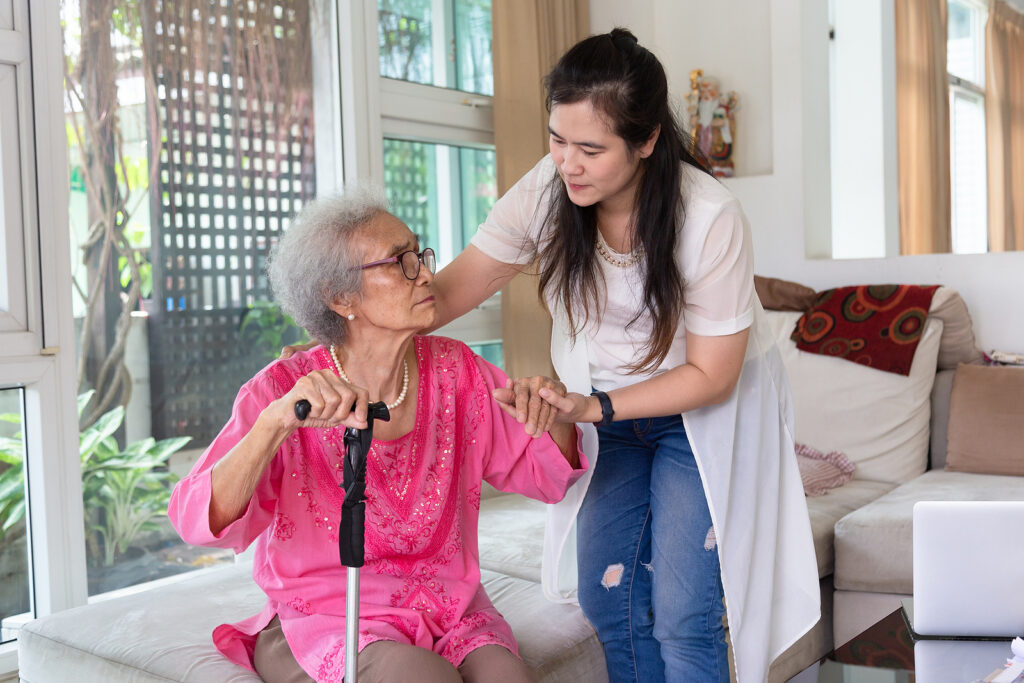
Caregivers assist with safe transfers, steady positioning, and mobility support. By preventing falls and strain, personal care at home protects long-term independence. Seniors feel more secure knowing someone is present during tasks that once felt risky.
Emotional Well-Being and Human Connection
Personal care is deeply personal. It requires trust between the caregiver and the senior. When delivered with patience and consistency, it strengthens emotional well-being. Seniors who feel respected during care are more likely to remain engaged and communicative.
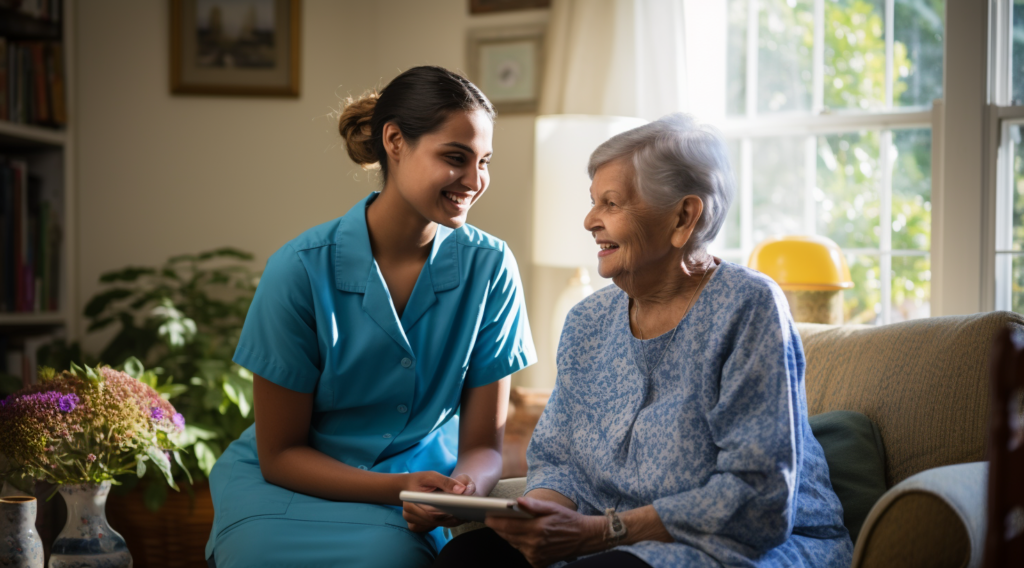
Conversations during grooming or dressing create opportunities for connection. These interactions reduce isolation and reinforce a sense of normalcy. Caregivers become steady presences who understand routines and preferences, helping seniors feel comfortable and valued.
Encouraging Participation, Not Dependence
One of the goals of personal care at home is to support ability rather than replace it. Caregivers encourage seniors to complete tasks they can safely manage while stepping in where help is needed. This collaboration keeps muscles engaged and preserves mobility.
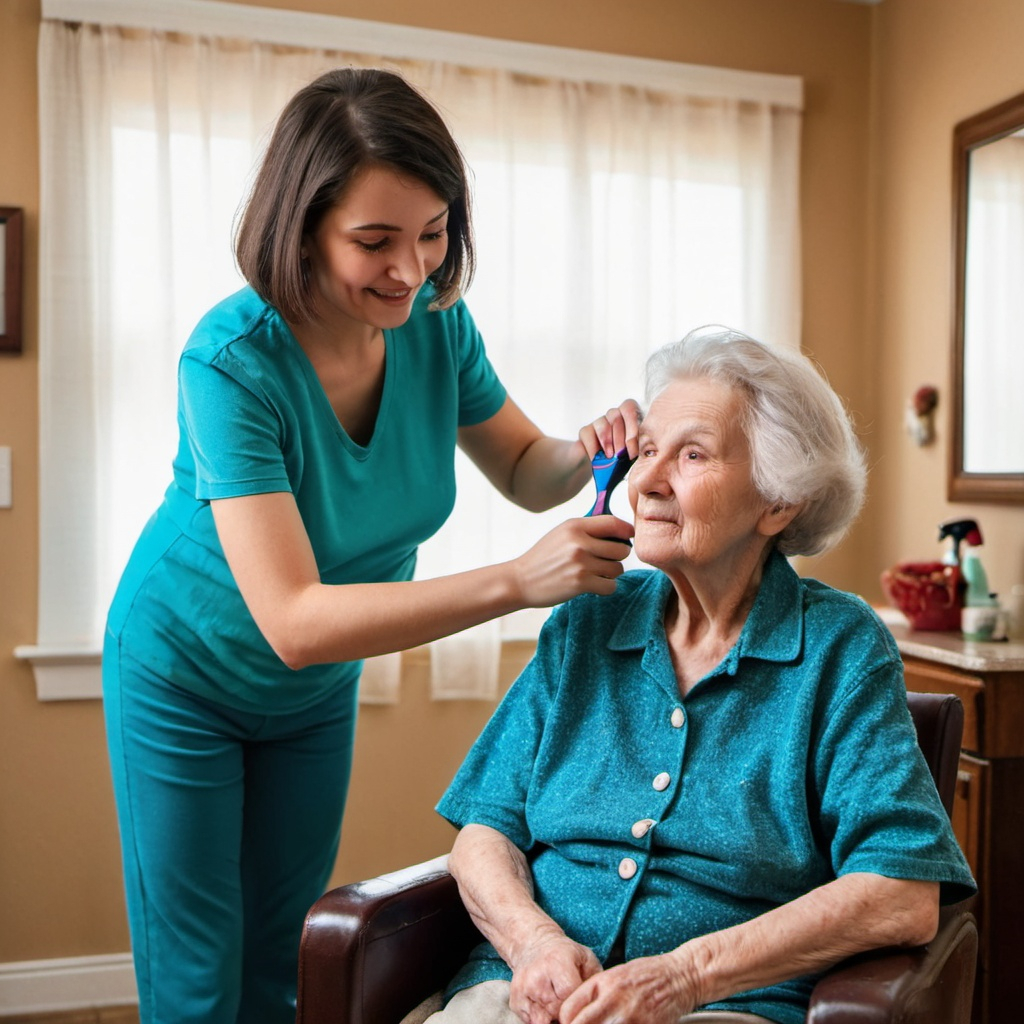
Even small efforts—buttoning a shirt, brushing hair, or standing during grooming—contribute to strength and coordination. Over time, these moments support both physical function and self-confidence.
Supporting Health Conditions
Chronic conditions such as arthritis, Parkinson’s disease, or heart disease can make personal care tasks exhausting. Fatigue or stiffness may cause seniors to skip bathing or change clothes less often than recommended. Personal care services provide relief from that strain.
With assistance in place, seniors maintain hygiene and comfort without overexertion. This balance supports both safety and energy conservation, allowing seniors to focus on other meaningful activities throughout the day.
Providing Relief for Families
Family members often step in to help with personal care, but these tasks can feel overwhelming or emotionally complex. Professional personal care at home eases this burden while maintaining respectful boundaries. Families gain reassurance knowing their loved one is receiving consistent, compassionate support.
Clear communication between caregivers and families ensures routines remain aligned with preferences. This partnership strengthens trust and reduces stress for everyone involved.
Whole-Person Support at Home
Personal care is not limited to tasks. It influences physical safety, emotional stability, and overall quality of life. When seniors feel clean, comfortable, and supported, they are more likely to remain socially engaged and confident.
Touching Hearts at Home Gainesville provides personal care at home that prioritizes dignity, safety, and well-being. Through patient assistance and individualized attention, seniors receive support that reflects who they are—not just what they need help with. Touching Hearts at Home Gainesville remains dedicated to helping older adults maintain comfort and confidence in the place they know best.
Personal Care at Home SW Gainesville – Personal Care at Home Supports Whole-Person Well-Being
If you are considering Personal Care at Home Services in SW Gainesville for an aging loved one, please contact the caring staff at Touching Hearts Home Care. Call today: 352-225-3727.