How Quality Home Care Reduces Hospital Readmissions
Returning home after a hospital stay can bring relief, but it also creates a period of increased vulnerability. According to the Centers for Medicare & Medicaid Services (CMS), nearly 1 in 5 older adults is readmitted to the hospital within 30 days of discharge (Medicare Readmissions Data, CMS, 2021). These readmissions are often linked not to the initial illness, but to the challenges of managing daily routines, medications, mobility, and follow-up care at home.
In Monroe County communities such as Brighton, Pittsford, Webster, Greece, Fairport, Penfield, and Rochester, many families carry the responsibility of supporting recovery while also balancing their own households, careers, and personal well-being. This can make the transition home feel overwhelming for everyone involved.
Home care provides the structure, consistency, and support needed to make recovery safer and more stable—reducing the risk of preventable hospital readmissions.
Daily Routines Are a Foundation for Healing
Research published through the National Institutes of Health shows that fatigue, reduced strength, and decreased mobility are most pronounced in the first 2–6 weeks after hospitalization (NIH, “Functional Recovery in Older Adults,” 2020). During this time, even everyday activities such as bathing, dressing, preparing meals, and managing medication schedules can be physically taxing.
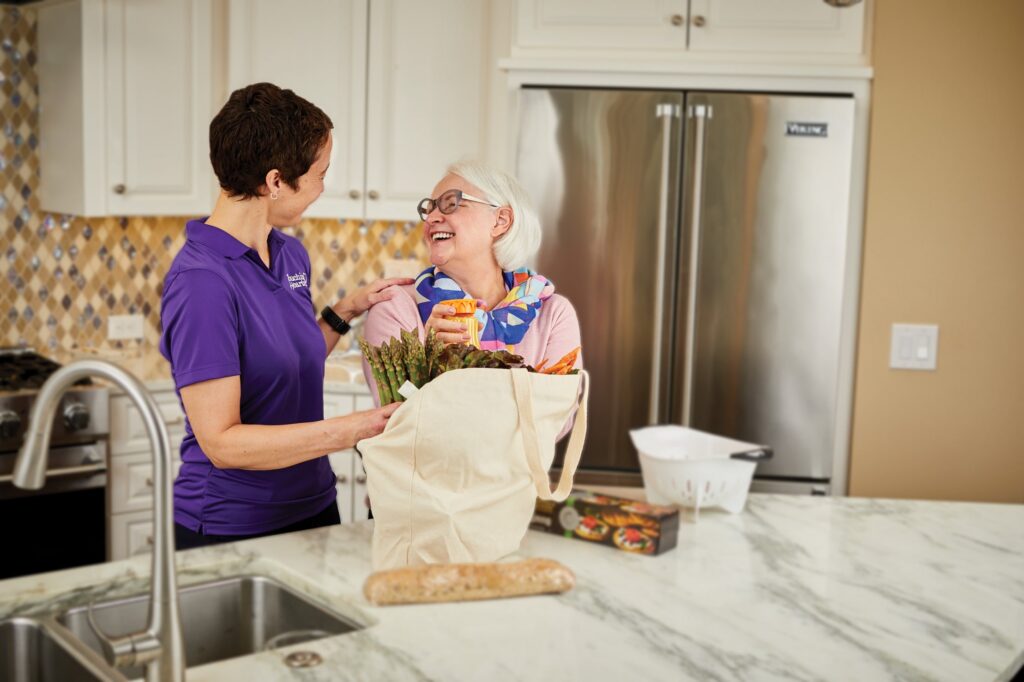
A Touching Hearts care partner supports these daily routines so the older adult can conserve energy for healing — reducing strain, stress, and discouragement.
Safe Mobility Helps Prevent Falls
The Centers for Disease Control and Prevention (CDC) reports that 3 million older adults visit the emergency room each year due to falls, making falls one of the most common causes of hospital readmission (CDC Injury Prevention Report, 2023). The risk increases after illness or surgery, when muscle strength and balance may be reduced.
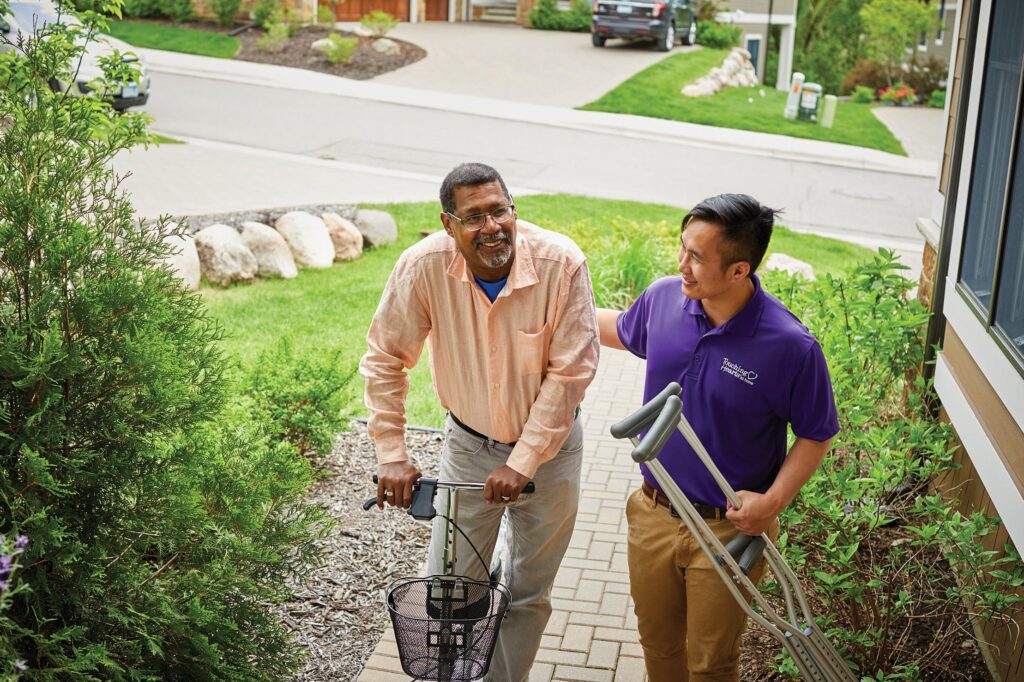
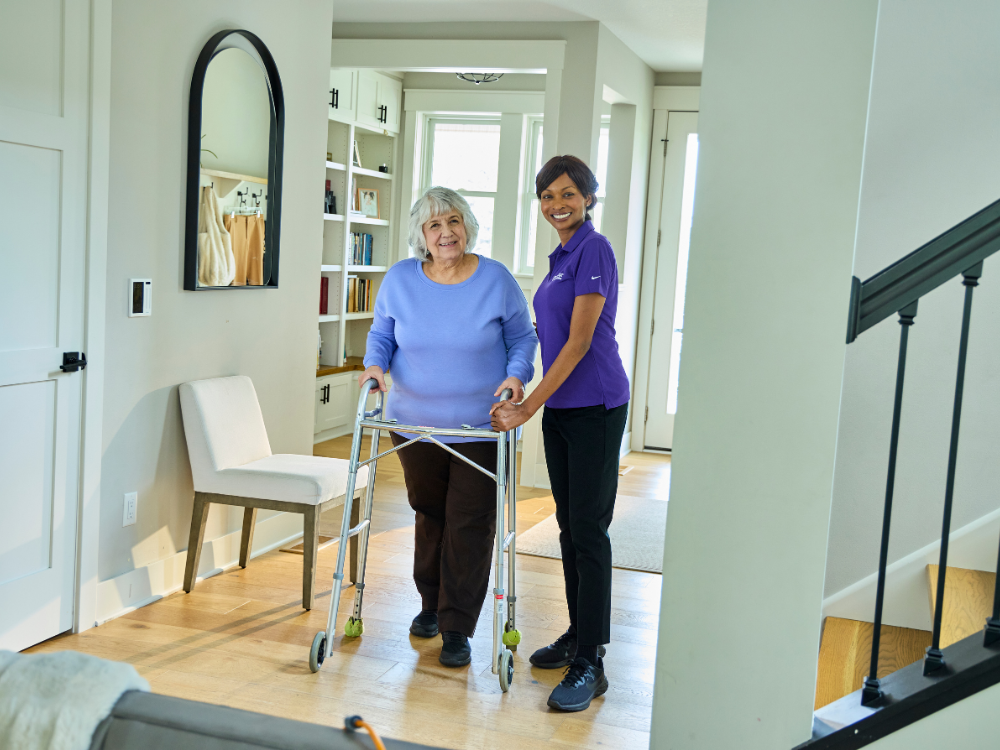
Care partners help older adults move safely throughout their home, providing steady physical support and environmental awareness that helps prevent falls and maintain confidence.
Following Appointments and Therapy Plans Supports Recovery
Studies in the Journal of the American Medical Association (JAMA Internal Medicine, 2014) show that up to 40% of older adults do not attend their recommended follow-up appointments after discharge, often due to transportation limitations or uncertainty about scheduling.
Touching Hearts care partners can transport and accompany clients to appointments and therapy sessions. Afterward, they help reinforce care instructions and guide therapy exercises at home so progress continues safely and consistently.
Further, the Agency for Healthcare Research and Quality (AHRQ, 2020) found that adherence to discharge and therapy plans can reduce readmission rates by over 25% — demonstrating the importance of structured support in the recovery process.
Consistent Communication Brings Confidence to Families
Recovery affects families as much as it affects the individual. When a care partner provides steady updates regarding mood, mobility, daily routines, appetite, and energy level, families feel informed and reassured. This reduces stress and supports emotional well-being for everyone involved.
Recovery Is Strongest When It Is Supported
Healing at home should feel safe, steady, and grounded. Touching Hearts at Home provides recovery support that prioritizes comfort, confidence, and consistency — so older adults can regain strength and families can breathe more easily.
Recovery should not feel fragile.
With the right support, it becomes secure.