
How to Talk to Your Parents About Accepting Help at Home
A message for the sons, daughters, and family members caring for the people who once cared for them.
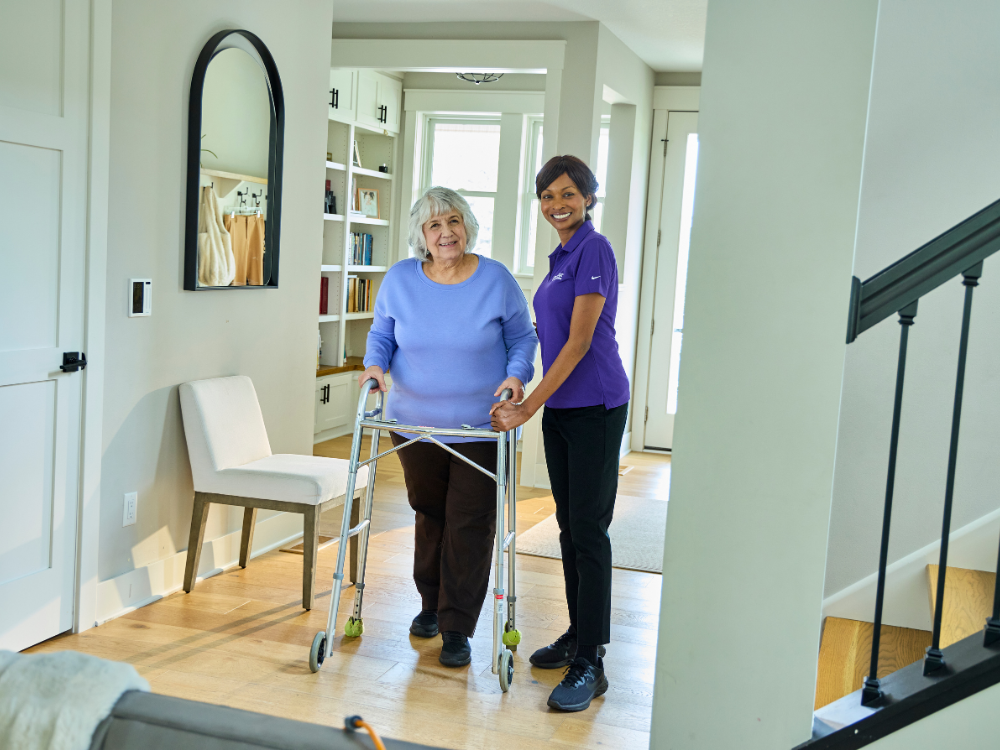
There comes a moment in many families when something shifts. It is not dramatic. It is not a sudden realization. Instead, it comes through small observations repeated over time. Perhaps your mother has begun moving more cautiously, one hand on the counter as she walks through the kitchen. Perhaps your father has been forgetting appointments or leaving food out on the counter. Perhaps there is a hesitation on the stairs or a new reluctance to go out to the store, the church, the card group, the familiar places that once defined their rhythm. These changes are often gradual, and at first, we explain them away. But slowly, the thought begins to take shape: I think my parent may need help.
For many adult children in Monroe County—in Brighton, Pittsford, Webster, Greece, Fairport, Henrietta, and Rochester—this realization arrives at a time when life is already full. You may be raising children of your own, managing work responsibilities, caring for a home, and trying to tend to your own well-being. This experience is often called the “sandwich generation,” but the term does not fully capture the emotional weight of supporting two generations at once. It is not only the doing that is exhausting. It is the constant caring, the constant thinking, the constant holding.
And now, in addition to everything else, you are faced with the delicate task of talking with your parents about receiving help. This is not a simple conversation. It reaches into identity, history, pride, independence, and love. The parent who once guided you through life is now the one who may need guidance. That reversal can feel tender, unsettling, or even painful.
The most important place to begin is not with logistics or schedules, but with understanding. Your parents may fear losing control, losing dignity, or being seen as incapable. They may associate accepting help with giving something up. So the conversation must start from a place of compassion, not correction. Instead of saying, “You need help,” it may be far more meaningful to say, “I want to make sure you are able to continue living your life in the way that feels right to you. I love you, and I want to support you in staying safe and comfortable at home.” Framing support as a way to preserve independence rather than replace it is often key.
And it is important to acknowledge yourself in this process. When you are doing the work of caregiving quietly—managing medications, coordinating appointments, keeping track of small changes, checking in daily, worrying every time the phone rings—it takes a toll that is rarely spoken out loud. You may feel stretched thin, even when you do not want to admit it. You may feel guilty for being tired, even though your exhaustion is simply evidence of how deeply you care. It is not a lack of love that makes this heavy. It is love that makes you continue holding it all, day after day.
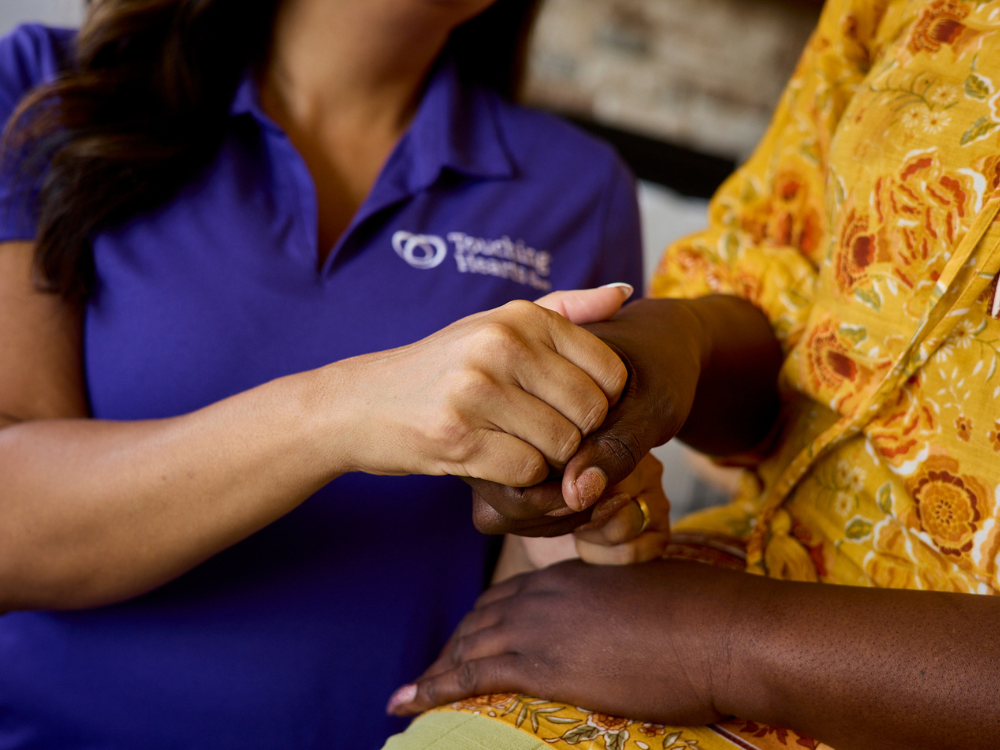
Home care does not replace the love you give your parent. It allows you to continue loving them from a place of presence rather than exhaustion. It gives you the chance to be the daughter or son again, not only the caregiver. It allows your time together to include laughter, conversation, and connection—not only tasks.
At Touching Hearts at Home of Rochester, we understand how emotional this transition can be. We help families navigate this conversation gently, respectfully, and without pressure. Sometimes the most supportive thing we can offer at the beginning is simply to sit with you—to listen, to guide, to help find the words that feel right. We can meet together, either in person or over the phone, to talk about what support could look like in a way that honors your loved one’s dignity and sense of self.
You do not need to carry this alone. In fact, you are not meant to.
Let us help make this next step feel softer, steadier, and supported.
You have done so much.
You are doing the best you can.
And asking for support is not giving up—
it is giving love room to breathe again.

