
Dementia vs. Alzheimer’s: They Are Not the Same Thing
If your mom or dad has recently been diagnosed with dementia, you’ve probably heard the word “Alzheimer’s” come up in the same breath, and understandably so. It happens all the time, even among healthcare professionals. But here’s something every family we work with should know: dementia and Alzheimer’s disease are not the same thing. Alzheimer’s is actually just one type of dementia. Although it is the most common one, there are several other types that can look and feel very different from one another. Understanding the difference matters, because it can directly affect how your loved one is cared for.
What Exactly is Dementia?
Dementia is an umbrella term. It is a broad category that describes a group of symptoms affecting memory, thinking, and the ability to perform everyday tasks. It’s not a single disease; it’s a syndrome that can be caused by a number of different conditions. According to the Alzheimer’s Association, an estimated 7.2 million Americans age 65 and older are currently living with Alzheimer’s dementia alone — and that number is expected to nearly double by 2060. When you factor in all forms of dementia, the picture is even bigger. Alzheimer’s disease accounts for roughly 60–80% of dementia cases, which means that 20–40% of people with dementia have a different type entirely.
Other Types of Dementia:
Beyond Alzheimer’s, the most common types of dementia include Vascular Dementia, Lewy Body Dementia, and Frontotemporal Dementia. Each one of these shows up differently. Vascular Dementia, which often follows a stroke or a series of small strokes, tends to cause more sudden cognitive changes and can affect judgment and planning more than memory in its early stages. Lewy Body Dementia can look a lot like Parkinson’s disease and often causes visual hallucinations, sleep disturbances, and significant fluctuations in alertness. Frontotemporal Dementia often presents first as personality and behavioral changes rather than memory loss, which can make it especially confusing and heartbreaking for families who don’t yet have a diagnosis. ALL of these types of dementia, including Alzheimer’s, can be temporarily amplified by things like a urinary tract infection (UTI), medication changes, trauma or changes to one’s environment.
Why the Distinction Matters for Care:
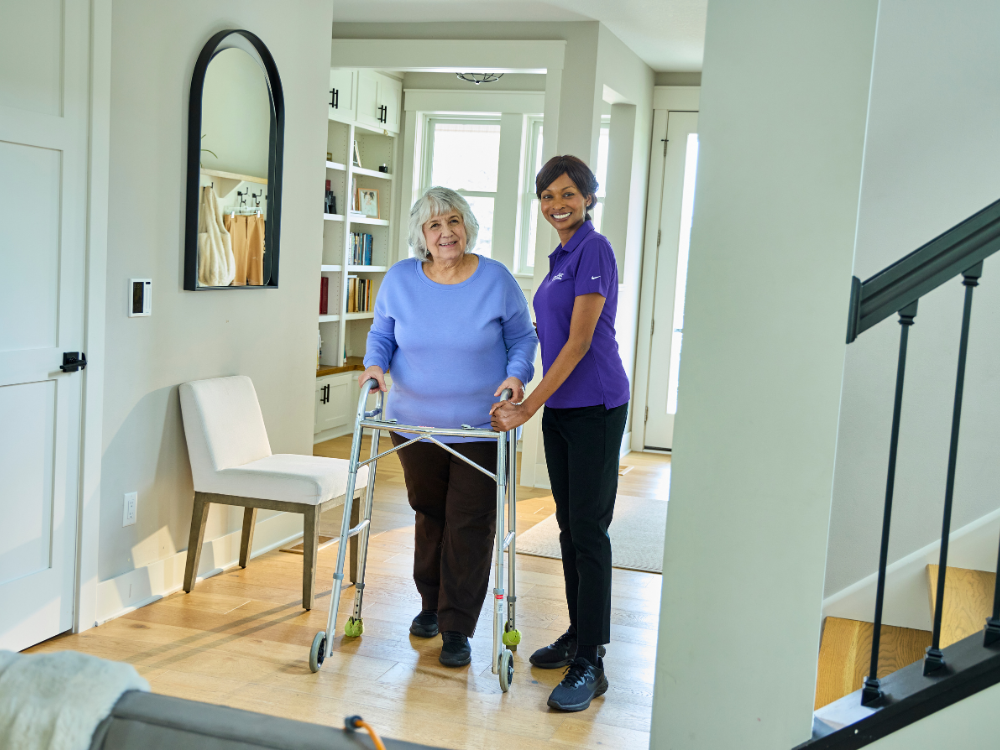
When a family comes to us saying “my dad has dementia,” one of the first things we want to understand is what type. The reason for that is because our care approach can look quite different. Someone with Lewy Body Dementia, for example, may have very specific medication sensitivities that a caregiver needs to be aware of. Someone with Frontotemporal Dementia may need more behavioral support and structured routines, while someone in the middle stages of Alzheimer’s may need more focus on memory cues and familiar environments. A one-size-fits-all approach to dementia care simply doesn’t work, and a good home care team should be asking questions and collaborating with your loved one’s medical providers to make sure the care plan fits the person.
What does this Mean for My Family?
Caring for a parent or loved one with any form of dementia is one of the hardest things a family can go through. You’re grieving someone who is still right in front of you, while trying to stay patient when things are confusing or scary. Often times, families are doing it all while juggling their own lives, jobs, and kids. Nearly 12 million Americans are providing unpaid care for a loved one with Alzheimer’s or another form of dementia. This contributed to over 19 billion hours of care in 2024 alone. You don’t have to figure this out by yourself. Whether you’re just starting to notice changes in your parent or you’re already deep in the caregiving journey, understanding what type of dementia your loved one has is a powerful first step. From there, having the right support team and resources in your corner can make all the difference.
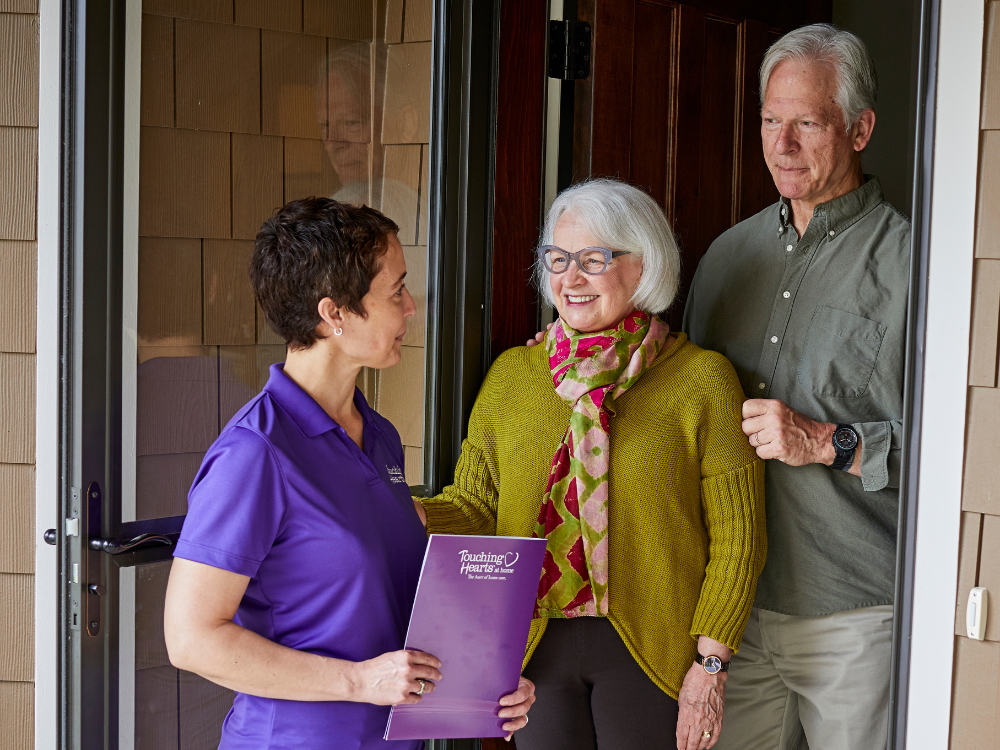
At Touching Hearts at Home, our caregivers are trained to work with clients experiencing all types of dementia. If you have questions about whether in-home care might be the right fit for your family, we’re always here to talk. No pressure, no sales pitch. Just a real conversation about what your loved one needs.