
Aging in Place: What Does It Really Take to Stay Safely at Home?
For many older adults, there is no question about where they want to be as they grow older. Home. It’s familiar. It’s comfortable. It’s where their memories live, their routines were built, and their stories have been written over the years. For many older adults, home represents far more than the place where they sleep. It’s where they raised families, celebrated holidays, welcomed friends, built routines, and experienced the countless ordinary moments that became meaningful simply because they happened there.
But when families hear the phrase “aging in place,” it can sound simpler than it really is. Staying safely at home isn’t just about wanting to stay there. It’s about making sure the person, the home, and the support around them continue to work together as life changes.
At Touching Hearts at Home, we believe older adults should have the opportunity to age with dignity, independence, purpose, and joy in the comfort of home. Our mission is to provide compassionate, personalized, and dependable non-medical home care while helping clients maintain their independence and quality of life.
So what does it actually take to make aging in place work?
Aging in Place Doesn’t Mean Doing Everything Alone
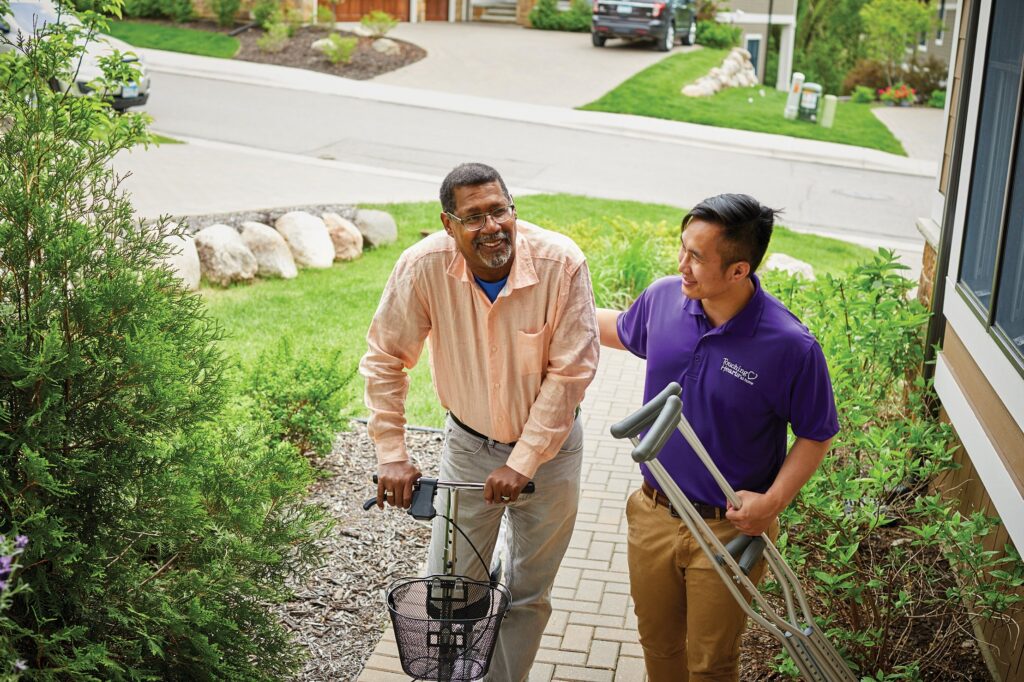
One of the biggest misconceptions about independence is that it means never needing help. It doesn’t. Independence can mean continuing to make your own choices, maintain your routines, remain connected to your community, and live in the place you call home. Sometimes, having the right person beside you is what makes that possible.
Maybe your parent can still prepare meals but needs help with some of the preparation. Maybe getting around the house has become more difficult. Maybe household responsibilities are becoming tiring. Or maybe what they need most is simply companionship and someone dependable to spend time with them.
Aging in place doesn’t mean doing everything alone. It means having the right support to continue living a fulfilling life.
Safety Starts With Paying Attention
Aging in place is not a one-time decision. A person’s abilities, routines, and needs can change. So can the home around them. A space that worked perfectly well years ago may become more challenging as mobility, balance, strength, or daily routines change.
Sometimes the solution is surprisingly simple: removing a trip hazard, improving lighting, replacing a smoke detector battery, or rearranging an area that has become difficult to navigate. The goal isn’t to make someone’s home feel like a hospital. It’s to make the home work better for the person living in it.
And families should pay attention to changes in the person, too. Are certain activities taking longer? Are they avoiding things they used to enjoy? Are they becoming more isolated? Are household tasks becoming overwhelming?
These changes don’t automatically mean someone needs extensive care. But they are worth noticing.
Good care isn’t just about what a caregiver does. It’s also about what a caregiver notices.
Houston Weather Makes Preparation Especially Important
Here in Houston, we all know how quickly things can change. The weather can seem perfectly manageable one moment and completely different the next. We’ve all experienced the frustration of losing power during a Houston heat wave—and anyone who has watched floodwaters rise knows how quickly an ordinary day can become something else entirely.
And then there are those moments you never expect to see: the disbelief of looking outside and seeing a neighbor floating down the road in a kayak.
For an older adult living at home, a power outage, extreme heat, flooding, severe storm, or evacuation can present much greater challenges than they might for someone who is younger or more mobile.
That’s why emergency preparedness is part of thoughtful aging in place.
At Touching Hearts at Home, emergency preparedness is incorporated into our care planning. Our plans account for potential emergency situations and include preparation for the possibility that a client may need to safely relocate from their home.
That preparation can include having a plan for where the client would go, identifying the people who would help them get there, and making sure essential items are ready to go if leaving home becomes necessary.
For clients who may need to relocate quickly, that can mean having a packed emergency bag with essential medications and other necessary items prepared ahead of time rather than trying to gather everything after an emergency has already begun.
Our emergency preparedness procedures address events including severe weather, hurricanes, tornadoes, flooding, fires, and other emergencies, with an emphasis on protecting both the client and the people providing their care.
Preparation isn’t about expecting the worst. It’s about making sure that if the unexpected happens, you’re not starting from scratch.
Because when the power goes out, the water starts rising, or an evacuation becomes necessary, having a plan can make all the difference.
The Right Support Should Build on What Someone Can Still Do
Thoughtful caregiving isn’t about taking over. If your parent can still do most of their morning routine but certain parts have become difficult, perhaps they only need help with those parts.
If they can still prepare a meal but standing for long periods has become exhausting, perhaps someone can help with preparation. If they can still manage many household responsibilities but need assistance with the heavier tasks, perhaps that’s where support belongs.
The goal isn’t to replace independence. It’s to support it.
And that support may change over time. Someone might need only a few hours of companionship today and more assistance later. Another person may need help with personal care, meals, mobility, or household routines from the beginning.
There is no universal version of aging in place. The right care is the care that fits the person.
Don’t Forget the Family
Aging in place affects more than the person receiving care. It affects everyone who loves them.
A daughter may be driving across town several times a week. A son may be calling every night. A spouse may be quietly taking on more and more responsibility. Families often adapt little by little until they suddenly realize how much they’re carrying.
Professional support doesn’t mean the family is stepping away. It can allow the family to remain family.
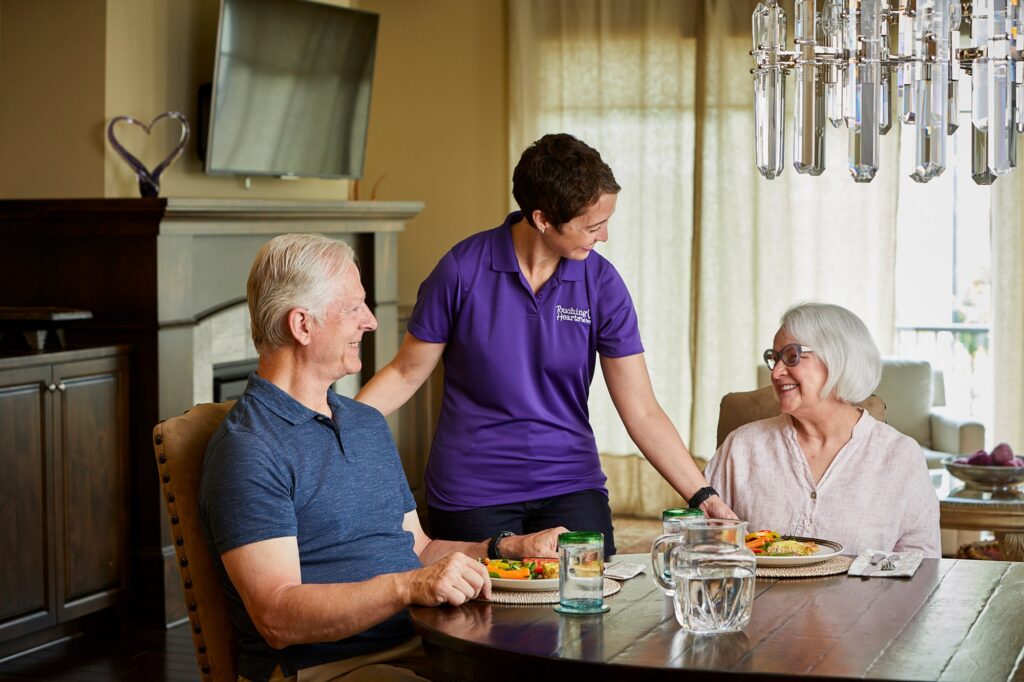
Instead of every visit being about groceries, errands, cleaning, or making sure everything is okay, family members can have more opportunities simply to sit together, talk, laugh, share a meal, and enjoy one another’s company.
Sometimes the greatest benefit of additional support isn’t what the caregiver does. It’s what the family gets back.
Aging in Place Doesn’t Have a Finish Line
Perhaps the most important thing to understand is that aging in place isn’t a pass-or-fail decision. A person doesn’t suddenly become “independent” or “dependent.” Life changes gradually. Some days are easier than others. Some tasks remain manageable while others become difficult. Support needs can increase, decrease, or change entirely.
So instead of asking: “Can Mom still live at home?”
Maybe the better question is: “What would Mom need to continue living safely, meaningfully, and comfortably at home?”
That question leaves room for change. It leaves room for dignity. And most importantly, it keeps the focus where it belongs: on the person.
Home Is Worth Protecting
For many of us, home represents far more than where we sleep. It’s where our lives happened. It’s where we raised families, celebrated holidays, welcomed friends, built routines, and made memories.
When someone wants to remain there as they grow older, that desire deserves to be taken seriously.
But aging in place shouldn’t mean ignoring the challenges that come with getting older. It means meeting those challenges with thoughtful planning, the right support, and people who genuinely care.
At Touching Hearts at Home, that’s what we’re working toward: Helping older adults remain at home—not simply because they can, but because with the right support, they can continue to live there with dignity, independence, purpose, safety, and joy.
Because sometimes, helping someone stay independent simply means making sure they don’t have to do it alone.