
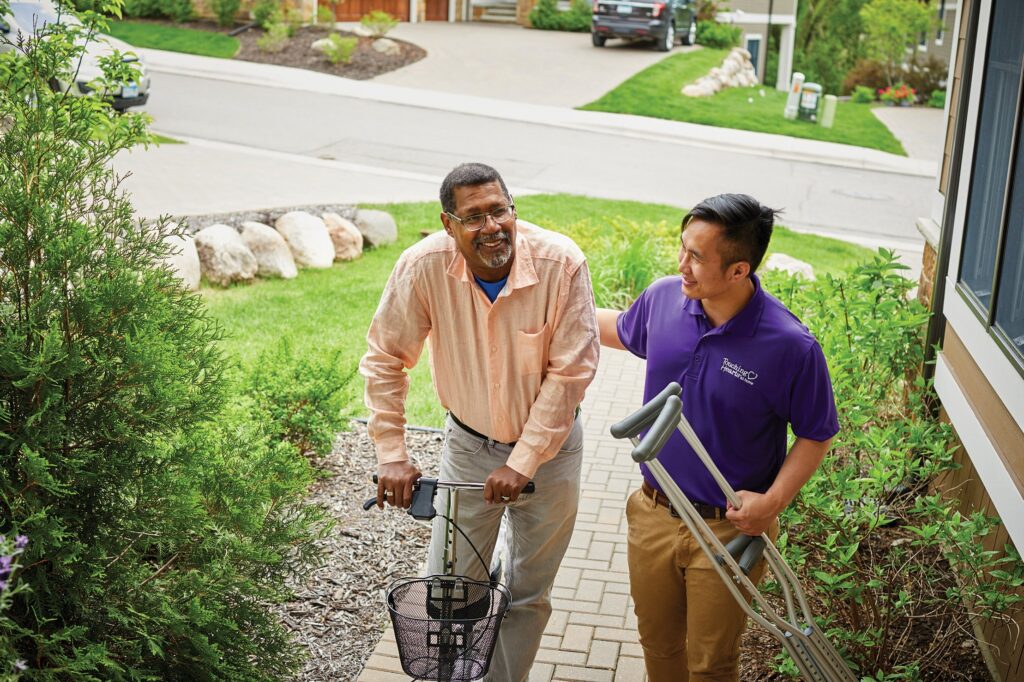

The Conversation Nobody Wants to Have: Talking to Your Parents About Needing Help
There comes a point in many families when you begin to notice things. Maybe Dad isn’t getting around the house quite as easily as he used to. Maybe Mom isn’t keeping up with the house the way she once did. Maybe you’re calling more often, stopping by more frequently, or quietly doing things for them that they used to handle themselves. And eventually, a thought starts to creep in: “Maybe Mom and Dad need some help.” But then comes the harder thought: “How do I tell them?” Because this isn’t just a conversation about getting help around the house. For many older adults, it can feel like a conversation about independence, identity, and control over their own lives. And for the adult child, it can feel like you’re asking the person who spent your entire childhood taking care of you to suddenly let you take care of them. That’s a difficult transition for everyone.
Start With Understanding, Not a Solution
One of the easiest mistakes to make is deciding what your parent needs before asking them what they think they need. You may already have a solution in mind. “We need to get Mom a caregiver.” But your parent may hear: “You can’t take care of yourself anymore.” Those are two very different conversations. Instead of beginning with a solution, begin with curiosity. Ask: “How have things been feeling for you lately?” “Are there things around the house that have become more difficult?” “Is there anything you wish you had a little more help with?” “What would make things easier for you?” Sometimes the best place to begin isn’t with what you’ve noticed. It’s with what they’re experiencing.
Remember What Independence Means to Them
When we talk about independence, it’s easy to think about whether someone can physically complete a task. But independence is about much more than that. It’s being able to make your own choices. It’s deciding when you wake up, what you eat, what you do with your day, and who you spend time with. It’s knowing that your home is still your home and your life is still your life. That’s why the goal of bringing in help shouldn’t be to take those things away. At Touching Hearts at Home, our goal is to support older adults in maintaining their independence, dignity, purpose, and quality of life in the comfort and familiarity of home. The right caregiver isn’t there to take over someone’s life. They’re there to help make it possible for that person to keep living it.
Don’t Wait Until Something Goes Wrong
Families sometimes wait for a defining moment before they have this conversation. A fall. A missed meal. A forgotten appointment. A frightening phone call. A trip to the emergency room. But you don’t have to wait for a crisis to start talking about support. In fact, having the conversation earlier can make it much less intimidating. If your parent is still doing many things independently, that’s okay. Maybe they don’t need someone every day. Maybe they only need help a few hours a week. Maybe what they really need is companionship. Maybe they need help with a few tasks that have become more difficult. Care doesn’t have to be all or nothing. The right amount of support can change as circumstances change.
Give Them a Voice in the Decision
One of the most important things you can do is make sure your parent remains part of the decision. Don’t make the conversation: “We’re getting you a caregiver.” Make it: “Let’s figure out together what would make things easier for you.” Ask what they would and wouldn’t be comfortable with. Ask what they would want help with. Ask what they want their days to look like. Ask what independence means to them. And listen. Really listen. Even if their answer isn’t what you hoped to hear. Because this isn’t simply a decision about caregiving. It’s a decision about someone’s life.
Sometimes the First “No” Doesn’t Mean “Never”
It’s also important to understand that your parent may say no. And that doesn’t necessarily mean the conversation is over. They may need time. They may be embarrassed. They may be worried about the cost. They may think accepting help means they’re “old.” They may be afraid that once a caregiver comes into the home, they’ll lose control over what happens next. Or they may simply not see the changes you’ve been noticing. Try not to turn one conversation into a battle. You don’t have to win. You want to build trust. Sometimes the best thing you can say is: “I understand. I’m not trying to take anything away from you. I just want to make sure you have the support you need to keep doing the things that are important to you.” Then give them some time. Come back to the conversation later.
Focus on What Help Gives Back
Instead of focusing entirely on what your parent can’t do anymore, talk about what additional support might give back. More energy. More time. More confidence. More companionship. More opportunities to get out and do things they enjoy. More peace of mind for the family. And potentially, more time living comfortably at home. A caregiver may assist with personal care, mobility, meals, household routines, companionship, and other activities within the client’s service plan and the caregiver’s trained responsibilities. But the bigger picture is what those hours of support can make possible. Sometimes helping with the difficult things gives someone more freedom to enjoy the things they love.
Don’t Forget What This Feels Like for You
This conversation can be difficult for the adult child, too. You may be worried about your parent’s safety. You may feel guilty that you aren’t doing enough. You may feel guilty that you can’t do everything yourself. You may even feel guilty for wanting help. Don’t. There is no prize for being the family member who carries the entire responsibility alone. Our mission includes providing peace of mind to families, because we understand that when an older adult’s needs change, the impact is felt by everyone who loves them. Asking for support isn’t abandoning your responsibility. Sometimes it’s how you make that responsibility sustainable.
Make It About “Us,” Not “You”
One small change in language can make a tremendous difference.
Instead of: “You need help.” Try: “How can we make things easier?”
Instead of: “You can’t do this anymore.” Try: “What things have become harder lately?”
Instead of: “You need a caregiver.” Try: “Would having someone help with a few things give you more time and energy for the things you enjoy?”
And instead of: “I’m worried about you.” Try: “I love you, and I want to make sure we’re doing everything we can to help you stay independent and enjoy being at home.”
The difference is subtle. But it changes the conversation from taking something away to adding support.
There Is No Perfect Time
There probably won’t be a perfect moment to have this conversation. And there probably won’t be a perfect way to say it. What matters most is that your parent knows where the conversation is coming from. Love. You’re not having this conversation because you want to control their life. You’re having it because you want them to be safe, comfortable, independent, and able to enjoy the life they’ve built. You want to be there for them. Just as they were there for you.
Our parents taught us how to become independent. They taught us how to solve problems, take responsibility, and stand on our own two feet. And perhaps one of the hardest lessons of growing older is realizing that independence doesn’t mean never needing anyone. Sometimes independence means knowing when to accept the right kind of help. Sometimes strength means allowing someone else to carry a little of the weight. And sometimes love means recognizing that the person who spent so many years taking care of you may now need you to help make sure they’re cared for, too. That isn’t taking their independence away. It’s helping protect it. At Touching Hearts at Home, we believe that caring for an older adult is about more than completing tasks. It’s about preserving dignity, encouraging independence, building meaningful relationships, and giving families peace of mind. Because ultimately, this conversation isn’t really about hiring a caregiver. It’s about making sure the people we love don’t have to face the changes that come with aging alone. And sometimes, the most loving thing we can say is simply: “How can I help?”