
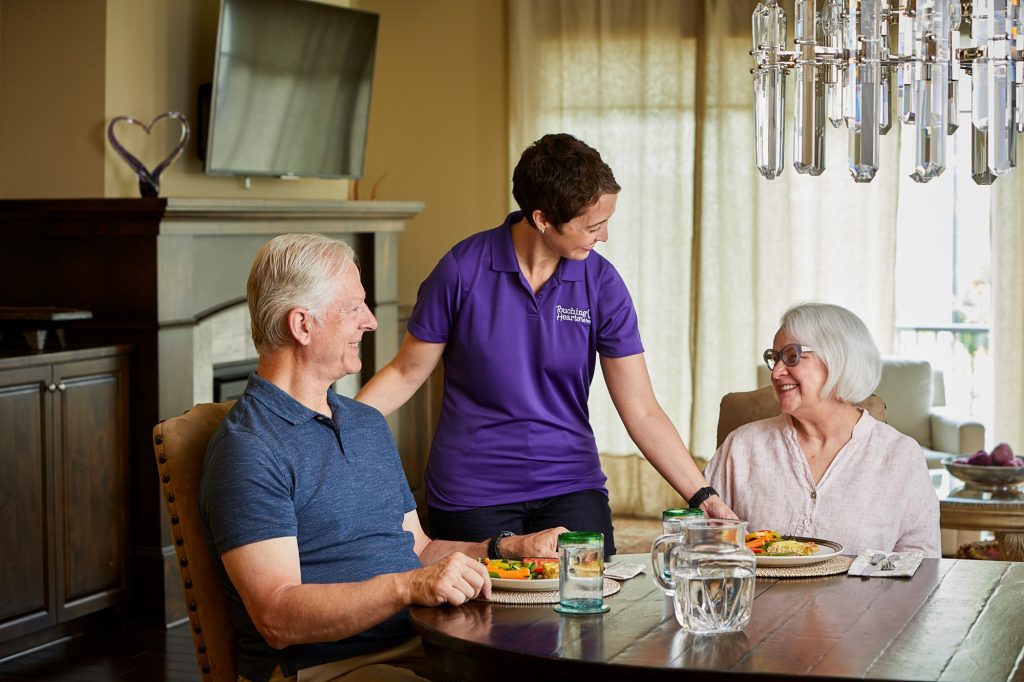
How Home Care Helps Couples Age in Place Together in Westminster
For many older couples, home is more than just a place to live. It’s where they’ve built a life together, raised a family, celebrated milestones, and created decades of memories.
As health needs change with age, many couples begin to worry about what the future might hold. One spouse may need more assistance than the other, mobility may become more challenging, or managing daily routines may start to feel overwhelming. These changes often lead families to wonder whether remaining at home is still realistic.
The good news is that many seniors can continue living safely and comfortably in familiar surroundings with the right support. Home care provides practical assistance that allows couples to maintain their routines, preserve their independence, and continue sharing the life they’ve built together.
In Westminster and throughout the Front Range, more families are exploring home care as a way to help aging loved ones remain connected to their homes, neighborhoods, and each other. Here’s how in-home care can make aging in place possible for couples.
Why Aging in Place Matters to Couples
When discussing senior care options, it’s important to recognize that couples often have goals that extend beyond individual care needs.
Many older adults want to:
- Stay in familiar surroundings
- Maintain daily routines
- Remain close to family and friends
- Keep beloved pets
- Preserve independence
- Continue living together
For couples who have spent decades sharing a home, the thought of living separately can be emotionally difficult.
Aging in place allows partners to maintain the comfort, stability, and companionship that contribute significantly to their quality of life.
The Challenges Couples Face as They Age
Even when both spouses are relatively healthy, aging often brings new responsibilities and limitations.
One Spouse May Need More Help Than the Other
In many households, one partner begins experiencing health challenges before the other.
For example:
- One spouse may have mobility limitations.
- One partner may develop memory loss.
- One may recover more slowly from illness or surgery.
- One may no longer be able to drive safely.
These situations can place significant pressure on the healthier spouse, who often becomes the primary caregiver.
Caregiving Can Become Overwhelming
Spousal caregivers frequently take on responsibilities such as:
- Meal preparation
- Transportation
- Household management
- Medication reminders
- Personal care assistance
- Appointment coordination
While these tasks are often performed with love, they can become physically and emotionally exhausting over time.
Home care helps relieve some of that burden while allowing couples to stay together.
How Home Care Supports Both Partners
One of the greatest advantages of home care is its flexibility.
Services can be tailored to meet the needs of one spouse while also providing support that benefits the entire household.
Assistance with Daily Activities
Caregivers can help with:
- Meal preparation
- Light housekeeping
- Laundry
- Grocery shopping
- Personal care support
- Mobility assistance
When these responsibilities are shared, both partners often experience less stress and greater peace of mind.
Supporting Household Routines
Many couples value the routines they’ve developed over the years.
Whether it’s enjoying morning coffee together, taking a walk through the neighborhood, or attending community events, caregivers can help make these activities more manageable and enjoyable.
Reducing Caregiver Burnout for Spouses
Family caregivers often focus so much on helping their partner that they neglect their own needs.
Recognizing the Signs of Burnout
Spousal caregivers may experience:
- Chronic fatigue
- Stress
- Anxiety
- Sleep difficulties
- Social isolation
- Declining personal health
Without support, burnout can affect both spouses.
Giving Caregivers Time to Recharge
Home care provides opportunities for the caregiving spouse to:
- Attend appointments
- Run errands
- Meet friends
- Participate in hobbies
- Rest and recover
Even a few hours of assistance each week can make a meaningful difference.
Helping Couples Navigate Memory Loss
Memory-related conditions often create unique challenges for couples.
When one spouse develops dementia or Alzheimer’s disease, the healthy partner frequently becomes responsible for managing nearly every aspect of daily life.
Providing Structure and Consistency
Caregivers can assist with:
- Establishing routines
- Encouraging engagement
- Supporting daily activities
- Providing companionship
- Reducing confusion
Consistent support often helps create a calmer environment for both spouses.
Preserving the Relationship
When caregiving responsibilities become overwhelming, couples sometimes feel as though their relationship has shifted entirely into a caregiver-patient dynamic.
Home care helps share responsibilities so spouses can spend more time simply being partners.
Enhancing Safety at Home
Safety concerns are one of the most common reasons families begin considering additional support.
Fall Prevention Assistance
Caregivers help identify and address common hazards such as:
- Cluttered walkways
- Loose rugs
- Poor lighting
- Unstable furniture
- Seasonal hazards from snow and ice
This is particularly important in Westminster, where winter weather can create additional risks for older adults.
Mobility Support
Many seniors experience changes in balance, strength, or endurance.
Caregivers can assist with:
- Walking safely
- Transfers
- Navigating stairs
- Entering and exiting vehicles
These services help reduce injury risks while promoting confidence.
Supporting Independence Rather Than Replacing It
One misconception about home care is that it takes away independence.
In reality, quality home care is designed to support independence whenever possible.
Encouraging Participation
Caregivers focus on helping seniors continue doing the tasks they can safely perform.
For example, a caregiver may:
- Assist with meal preparation rather than preparing everything alone
- Support mobility rather than replacing it
- Encourage participation in hobbies and activities
This approach helps seniors maintain confidence and self-esteem.
Personalized Care Plans
Every couple has unique needs.
Some may need only occasional assistance, while others benefit from more comprehensive support.
Care plans can evolve over time as circumstances change.
Helping Couples Stay Connected to Their Community
Many Westminster seniors have deep roots in the community.
They may enjoy:
- Visiting local parks
- Attending religious services
- Participating in senior programs
- Spending time with family and friends
- Exploring nearby Front Range communities
Home care can make these activities more accessible.
Transportation and Companionship
Caregivers may assist with transportation and accompaniment, helping couples remain active and engaged rather than becoming isolated at home.
Maintaining social connections often contributes to better emotional and physical health.
When Is It Time to Consider Home Care?
Many families wait until a crisis occurs before seeking support.
However, home care can be most effective when introduced early.
Common Signs a Couple Could Benefit from Home Care
- Difficulty keeping up with household tasks
- Increased fatigue
- Frequent missed appointments
- Mobility concerns
- Recent falls
- Memory changes
- One spouse feeling overwhelmed
- Social withdrawal
- Difficulty preparing meals
Recognizing these signs early often allows couples to remain independent longer.
The Emotional Benefits of Staying Together
Perhaps the most important benefit of home care is one that can’t easily be measured.
For many couples, remaining together at home provides:
- Comfort
- Familiarity
- Stability
- Emotional security
- Shared experiences
- Continued companionship
The ability to wake up in the same home, share meals, enjoy favorite routines, and support one another through life’s changes can have a profound impact on overall well-being.
Home care helps make those moments possible.
Frequently Asked Questions
Many families have questions about how home care works for aging couples.
Can home care support both spouses at the same time?
Yes. Care plans can be customized to address the needs of one spouse or both partners, depending on the situation.
What if only one spouse needs assistance?
This is very common. Home care can focus on the spouse who needs support while also reducing responsibilities for the caregiving partner.
Can home care help couples avoid moving to assisted living?
Every situation is different, but many couples are able to remain at home longer with the support of professional caregivers.
How often can caregivers visit?
Services can range from a few hours per week to daily care, depending on individual needs and preferences.
Is home care helpful for couples dealing with dementia?
Yes. Home care can provide structure, supervision, companionship, and respite support that benefits both the individual with memory loss and their spouse.
If you’re feeling unsure about your parent’s needs, Touching Hearts offers a free, no-pressure in-home consultation in Westminster. We’re here to support your family every step of the way.