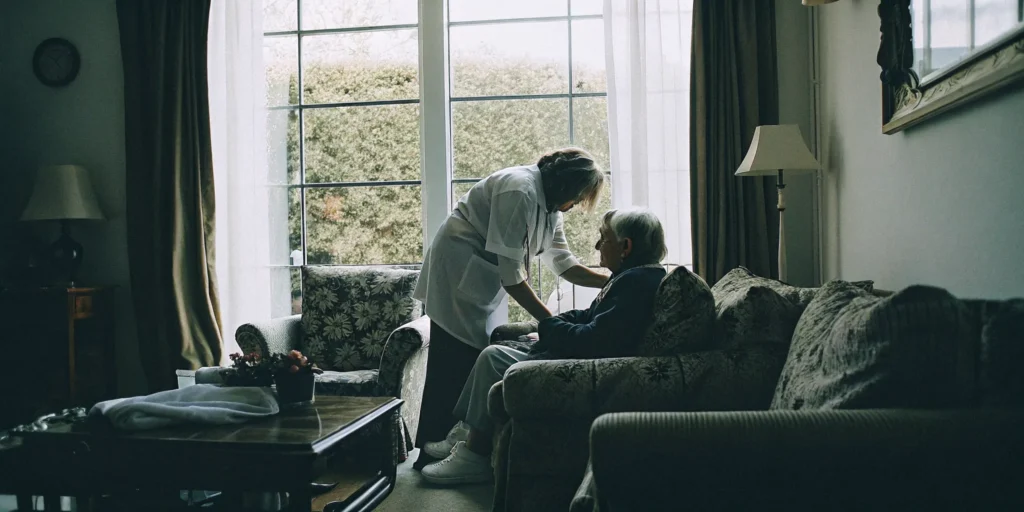
Families often ask what does a CNA do in home care when an older loved one needs hands-on daily support but wants to remain at home. A CNA can help with personal routines, mobility, meals, and careful observation while working within a defined care plan.
Contact Touching Hearts at Home in Aurora to discuss respectful personal care support for your loved one.
What does a CNA do in home care is a key question for families who need help with a senior. These workers provide vital support for tasks like bathing, dressing, and eating to help people stay in their own homes. As stated by the CDC, home care workers are key for people who need help with daily living and light chores. While they do not give medical care, they are trained to watch for health changes. They act as the eyes and ears for a care team by checking on safety every day. This support gives family members peace of mind. By doing these tasks, a CNA helps seniors live with pride while staying safe.
You likely have many questions about how this care fits into your life. Knowing these tasks will help you make the best choice for your senior. We will answer the question, What does a CNA do in home care? The path begins with
What does a CNA do in home care?
A certified nursing assistant (CNA) helps seniors with daily tasks like bathing and dressing in their own homes. They work under a nurse to keep the senior safe and healthy. A CNA also offers friendship and watches for any changes in how the person feels.
Support for daily activities
The main task of a CNA is to help with daily care. This includes needed services that help people stay clean and safe while they age in place. Common tasks often include:
- Bathing and grooming
- Dressing for the day
- Help with eating and drinking
Moving is another key part of the job. A CNA may help a person move from a bed to a chair or walk around the house. They also help with moving the body to prevent skin issues. This help is vital for seniors who have trouble moving on their own because of age or injury.
Help with home tasks
Beyond personal care, a CNA helps keep the home tidy. They often do tasks like laundry or washing dishes. They might also go grocery shopping or make simple meals. These chores take the load off family members and keep the home in good shape.
Friendship is just as vital as physical help. A CNA spends a lot of time with the senior, talking and doing tasks together. This bond helps fight loneliness and makes the person feel valued. The focus is on building a real link that makes every day better.
Nursing oversight and limits
A CNA does not make medical choices alone. In a home care setting, they work under the lead of a registered nurse (RN). The RN sets up the care plan and checks in often to make sure everything is on track. This team effort gives the senior the best help possible.
CNAs act as the eyes and ears for the nurse. They watch for any changes in health or mood and tell the nurse right away. By knowing how home care differs from home health care, families can see how they bridge the gap between simple chores and medical care. They provide safety and peace of mind without a hospital stay.
What daily support may a CNA provide?
A Certified Nursing Assistant (CNA) plays a key role in the life of a senior. When people ask, what does a CNA do in home care, the answer usually focuses on one goal. That goal is to help seniors live safely at home with dignity. While they do not provide medical treatments, they give vital support for everyday life. Their work is part of a plan made by a nurse to ensure the best care for your loved one.
Help with personal care and daily tasks
The most common task for a CNA is helping with personal care. This includes help with what experts call activities of daily living. These are the basic tasks a person needs to do every day to stay clean and healthy. A caregiver can help with bathing, grooming, and getting dressed in the morning. They also help with eating and making sure the senior gets enough to drink.
This kind of one-on-one help is a core part of tasks performed by home caregivers in Aurora. By helping with these chores, a CNA takes the stress off the senior. It also gives family members peace of mind. They know their loved one is getting the help they need to start and end their day well. This care is always kind and focuses on the needs of the person.
Mobility support and health watching
Keeping a senior safe means helping them move around the home. A CNA can help a person get in and out of bed or a chair. They also help with walking and help people avoid falls. If a senior stays in bed for long periods, the aide will help them change positions. This helps prevent sores and keeps the person comfy. Safety is a top goal for every visit.
Caregivers also act as the “eyes and ears” for the medical team. They watch for any changes in health or mood. If they see something new, they tell the nurse leader right away. This clear talk is key to home care and home health care roles in our care model. By catching small changes early, the team can act fast to keep the senior healthy. They also keep clear records of each visit to track progress over time.
Household help and companionship
A CNA does more than just physical care. They also help keep the home running smoothly. This often includes light chores like laundry and cleaning up the kitchen. They can go grocery shopping or run errands to get the things a senior needs. These tasks help keep the living space safe and neat. A tidy home can help a person feel much better and less stressed.
Companionship is just as key as physical help. A CNA spends a lot of time with the senior. They build real bonds through talk and shared tasks. This social link helps fight feelings of being alone. It can make a big difference in a person’s mental health. Each caregiver is matched to the senior based on their character and what they like. This helps build a strong bond built on trust and care.
- Help with bathing and grooming
- Support for walking and moving
- Light cleaning and laundry
- Help with meals and snacks
- Watching for health changes
- Giving emotional support

What are a CNA’s role boundaries in home care?
Knowing what does a CNA do in home care helps families set the right goals. Certified Nursing Assistants (CNAs) fill a gap between basic help and skilled care. While they have training, their home role focuses on non-medical support. They help seniors with daily tasks that keep them safe and comfortable in their own homes.
Care and safety tasks
In most homes, CNAs help with “activities of daily living.” This list often includes tasks performed by home caregivers like bathing, dressing, and grooming. According to the CDC, these workers give help with eating and drinking to make sure seniors stay well. They also watch for health changes to tell the rest of the care team right away.
Our CNAs act as the eyes and ears for clinical experts. They work with doctors and hospice teams to find health shifts early. This team effort helps ensure that small issues do not turn into big problems. By staying in touch with nurse leaders, they keep the work of collaborating with nursing professionals smooth and effective for every client.
Clinical limits and nurse oversight
While CNAs have many skills, they do not perform medical jobs. They cannot give shots, manage IV lines, or change wound dressings. These tasks stay with licensed nurses. At Touching Hearts at Home, we use Registered Nurses (RNs) to lead our teams. These RNs create the care plans and check on the work to ensure high quality for your loved one.
| Task Category |
CNA Supportive Role |
Licensed Nurse Role |
| Personal Care |
Help with bathing and dressing |
Skin checks and wound care |
| Medication |
Reminders to take pills |
Gives shots or IV drugs |
| Health Monitoring |
Notes changes in mood or gait |
Performs clinical exams |
| Planning |
Follows the set care plan |
Writes and updates care plans |
Working within the care plan
Every CNA must follow a plan made for the client. This plan shows exactly what they should do each day. It may include light cleaning or help with meals along with personal care. For more on how these roles fit together, you can read about differences between non-medical and skilled care in our guide. This structure keeps everyone safe while giving the best care possible.
How do CNAs collaborate with nurses and families?
A Certified Nursing Assistant (CNA) plays a vital role in the home care team. When you ask, “what does a CNA do in home care?” the answer starts with teamwork. These workers serve as the eyes and ears of the health care group. They spend many hours with clients. They notice small changes in health or mood that others might miss. This high level of focus helps ensure that seniors get the right support at the right time.
Communicating with nurse leaders
Touching Hearts at Home uses Registered Nurses (RNs) to oversee every care plan. This collaborating with nursing professionals is a key part of the CNA’s job. They talk to their nurse leaders often. They track how a client eats and sleeps. If a CNA sees a new bruise or a cough, they tell the RN right away. This link helps the RN update the plan to keep the client safe.
The home care field is growing fast. Federal reports show that millions of workers now help seniors age at home. Many of these aides receive formal training and learning to handle their roles. This training helps them keep clear and correct notes. These notes allow the entire team to see a full picture of the client’s health over time.
Working closely with families
Families often feel a heavy burden when caring for a loved one. They seek peace of mind and steady help to reduce this stress. A CNA helps by sharing daily updates with the family. They explain what the senior did during the day and how they felt. This clear talk builds trust. It makes the family feel part of the care process.
CNAs also help families during a crisis. They can teach family members how to stay calm and what steps to take if an urgent need arises. By offering this help, the CNA acts as a bridge between the clinical team and the home. This bond is needed for the home care versus home health care guide in non-medical care. It ensures that the senior’s needs are met with both skill and heart.
When to raise care concerns
Knowing when to ask for more help is a core skill for any home caregiver. CNAs are trained to find risks before they become big problems. They look for signs like sudden confusion or a fall. When these issues occur, the CNA works with the wider team. This group may include doctors, physical therapists, or hospice teams.
The Centers for Disease Control and Prevention note that home care workers are vital for modern health. Their ability to watch over health and report changes is a key safety net. By working with nurses and families, CNAs help seniors stay in their own homes longer. This teamwork is what makes home care a safe and helpful choice for many people in Aurora.
What should Aurora families ask when arranging care?
Choosing help for a loved one is a big step for any family. You want to know that your parent or spouse is in safe hands. Many families in Aurora start this search when they feel stressed. They need a partner who can give them peace of mind while they balance work and life. Asking clear questions helps you find the best match for your needs.
Understanding the care plan
A good care plan is the heart of home support. It should be built just for your loved one. The team needs to know the specific health goals and daily habits of the person they serve. Ask how the agency keeps the plan up to date as needs change over time. Professional oversight is a key part of guidance on choosing the right care type and other care staff.
At Touching Hearts at Home, our Registered Nurses lead the way. They check the home for safety and look at how to make life better each day. They focus on more than just the basics to ensure your family feels safe and supported.
- Ask about the first check. A Registered Nurse should lead this step to find any risks early. This ensures that the in-home care support services fit your family perfectly.
- Clarify the specific duties of the staff. A common question is, “what does a CNA do in home care?” These workers provide essential help with daily life, such as bathing, dressing, and eating (F001). They also handle light chores like laundry (F002).
- Check on training and background. You want to know that the person in your home is a pro. Ask how they pick their staff and what training they get. Most good agencies ensure that over 90% of their staff get new training every two years (F029).
- Ask how the team stays in touch. Talking is vital. Find out how the helper will report changes in health to their bosses and to you. This link helps catch issues before they become big problems (F023).
- Learn about the matching process. Care is about bonds. Ask how the agency looks at hobbies and personality when they pick a helper. A good match leads to better care and trust (F006).
- Ask about scheduling and backup care. You need to know that help will always be there. Ask how they handle times when a helper is sick. Flexible care can range from a few hours a day to full 24/7 support (F011).
Ensuring professional oversight
Non-medical home care does not mean there is no expert eye. Ask how the agency uses nurses to watch over the care. This bridge between the home and the clinical team is very helpful. It means that the caregivers act as the eyes and ears for your doctors. They can see small changes in health that others might miss (F012).
This care keeps seniors safe at home. It allows them to age with dignity in the place they love. When you ask about who is watching, you are really asking about the safety net that protects your family. It gives you the chance to breathe easier knowing a full team is on your side.
Matching for compatibility
The best care happens when the helper and the senior get along. Ask about the interests and background of the staff. If your loved one loves to garden, finding a helper with a green thumb can make their day. This bond makes the care feel less like a service and more like a visit from a friend.
When people match well, the quality of life goes up. This is part of the mission at Touching Hearts at Home. We focus on building real bonds that last. By asking about the matching step, you ensure that your loved one gets a friend, not just a worker.
Recognizing the value of CNAs during CNA Week
CNA Week is a special time to honor the people who help our seniors every day. These workers do more than just tasks. They build real bonds with the people they serve. In Aurora, we see how much a kind word or a helping hand can mean. This week gives us a chance to say thanks to these vital team members.
What does a CNA do in home care?
You may wonder, what does a CNA do in home care on a normal day? Their work is about the basic needs that keep a person safe and clean. They help with activities of daily living like bathing, dressing, and eating. They also help with light chores around the house. This support allows seniors to stay in their own homes longer.
Caregivers also act as the “eyes and ears” for the rest of the care team. They watch for small changes in health or mood. When they see a change, they tell the family and the nurse right away. This quick action can prevent bigger health issues later on. Knowing home care role guidance helps families know what to expect from their care plan.
Celebrating the human impact of care
The best care is about more than just a list of jobs. It is about the trust that grows between two people. Our team works hard to match caregivers with clients based on what they like. This leads to deep friendships that improve life for all. A good caregiver brings joy and peace of mind to the whole family.
Most aides get a lot of training to do their jobs well. In fact, over 80 percent of home health aides get formal initial training before they start. This helps them have the skills to handle many needs. When you have a trained worker in your home, you can feel sure that your loved one is in good hands.
How families can show their thanks
There are many simple ways to thank a caregiver during CNA Week. A handwritten note is a great way to say thank you. You can also tell the office staff about the good work they do. Sharing a story of how they helped your family can mean a lot to them. Small acts of kindness show that you value their hard work and heart.
Some families like to give small gifts or treats as a token of thanks. But the best gift is often just letting them know they make a difference. These workers give so much of themselves to others. Taking a moment to honor them helps keep our care group strong and happy.
Explore personal care support for an Aurora loved one or view caregiving career opportunities with Touching Hearts at Home.
Frequently Asked Questions
What does a CNA do in home care?
CNA stands for Certified Nursing Assistant. In home care, these aides help seniors with daily tasks. This includes help with bathing, dressing, and eating. They also watch the person’s health and record any changes. According to the CDC, these workers provide vital help that keeps seniors safe and clean at home. They also offer friendly talk to keep people from feeling lonely.
What tasks can a home care CNA not perform?
While CNAs are trained, they focus on non-medical care. They do not give shots or mix medicine. They cannot perform medical tests or treat open wounds. These tasks belong to a licensed nurse. At Touching Hearts at Home, our aides focus on personal support and safety. If a client needs medical help, we work with nurses who oversee the care plan to ensure all needs are met.
Do CNAs help with light housekeeping?
Yes, a home care CNA often helps with small chores to keep the house tidy. This might include doing laundry, washing dishes, or taking out the trash. They can also help with grocery shopping and making meals. Keeping the home clean and safe is a key part of their job. This help lets seniors live at home with less stress and better health while focusing on their personal care and safety.
How do CNAs work with nurse supervisors?
CNAs are the eyes and ears of the care team. They spend the most time with the senior and watch for any health shifts. If they see a change in mood or health, they report it to a nurse. This nurse supervisor then reviews the care plan. This teamwork makes sure that each senior gets the right level of care. It also helps families feel calm knowing experts are watching their loved ones.
Ready to find the best care for your loved one with Touching Hearts at Home in Aurora?
You can learn how our home care plans support local homes by starting skilled care today before a health crisis makes care for your loved one harder. Waiting too long to get help often leads to more stress for the home and higher safety risks for seniors who wish to live alone. Our custom care plans give you the peace of mind to focus on your role as a family member instead of a full-time aide.
Ready to talk with our Aurora team? Call (303) 718-6438 to get a free consultation and see how we can help your loved one stay safe and happy today.