
Dementia & Alzheimer’s Care at Home in Buffalo: How Families Can Support Safety, Connection & Daily Well-Bein
Caring for a loved one living with Alzheimer’s or another form of dementia is one of the most emotional, complex, and personal journeys a family can walk through. In Western New York, thousands of families navigate this reality every day — often balancing love, worry, exhaustion, and an overwhelming desire to create comfort and stability for the person they care about.
According to the Alzheimer’s Association, more than 6.9 million Americans age 65+ are living with Alzheimer’s disease, and the rate is expected to climb significantly as the population ages. In New York State alone, more than 410,000 older adults are currently living with Alzheimer’s or dementia, with hundreds of thousands of family members acting as primary caregivers (Alzheimer’s Association, 2024). The need for dementia-aware home care in Buffalo and surrounding WNY communities has never been more important.
This blog serves as an in-depth guide for Buffalo-area families seeking clarity, support, and realistic solutions. From early signs to communication strategies, safety considerations, and the role of professional dementia-aware Caregivers, you’ll find guidance rooted in compassion and local expertise.
Understanding Dementia in the Buffalo Community
While Alzheimer’s disease accounts for 60–80 percent of dementia diagnoses, families in Western New York regularly encounter a wide range of cognitive conditions — including vascular dementia, Lewy Body dementia, Parkinson’s-related dementia, and frontotemporal dementia. Because each diagnosis affects the brain differently, care must be flexible, individualized, and responsive to daily changes.
The University at Buffalo’s Jacobs School of Medicine reports that Western New York has a higher percentage of adults over age 65 compared to the national average, which contributes to increased demand for local support services, memory care programming, and trustworthy in-home care. With more older adults choosing to age in place, families often need guidance on how to build safe routines and minimize caregiver burnout.
Early Signs Families Commonly Notice
Families in Buffalo often reach out to Touching Hearts at Home when they begin noticing signs such as:
- Difficulty completing familiar tasks
- Confusion about dates, time, or location
- Repetitive questions or storytelling
- Withdrawal from social activities
- Increased frustration, anxiety, or restlessness
- Misplacing items or struggling to retrace steps
These changes can feel frightening or overwhelming, especially when you’re unsure whether it’s normal aging or something more. The Alzheimer’s Association notes that when memory loss disrupts daily life, it is time to seek professional evaluation. Early detection not only supports better long-term planning but also helps families get connected with the right resources in Buffalo sooner rather than later.
Why Many Buffalo Families Choose Dementia Care at Home
For many people living with dementia, home is the one environment that feels predictable, familiar, and comforting. Research from the National Institute on Aging highlights that individuals with dementia experience more disorientation and anxiety when routines or environments change abruptly — which is why remaining at home can support emotional stability.
Local families choose in-home dementia care because it provides:
- Consistency, which reduces confusion
- One-on-one attention, critical for safety and reassurance
- Personalized routines, tailored to the individual’s strengths
- Reduced overstimulation, compared to larger care settings
- Family involvement, especially for adult children balancing careers and caregiving
The Buffalo area has a strong culture of family connection, and many adult children want to keep their parents close, supported, and safe — without feeling like they must shoulder the journey alone.
Creating a Safe Home Environment in WNY Homes
Safety concerns often increase as dementia progresses. Homes in Buffalo — especially older homes built before the 1970s — may have additional safety risks such as narrow staircases, mixed flooring types, low lighting, or outdated fixtures. Making thoughtful adjustments can help reduce fall risk and improve independence.
Common recommendations include:
- Removing area rugs that shift or curl
- Installing nightlights in hallways and bathrooms
- Securing cleaning supplies and medications
- Adding grab bars, non-slip mats, and clear labels
- Simplifying décor to reduce visual distractions
- Establishing quiet, clutter-free zones
The CDC reports that 1 in 4 adults age 65+ experiences a fall each year, and cognitive decline increases risk significantly. In-home safety oversight is one of the most valuable forms of support Touching Hearts at Home offers local families.
Communication Strategies That Help Build Trust
Communication tends to be one of the biggest challenges families face. Loved ones may struggle to find words, misunderstand conversations, mix up timelines, or become easily overwhelmed. Compassionate communication can prevent frustration and help strengthen connection.
Helpful approaches include:
- Speaking slowly and clearly
- Maintaining eye contact
- Using short, simple sentences
- Allowing extra time for responses
- Avoiding open-ended questions that may feel confusing
- Validating feelings even when details are inaccurate
The National Institute on Aging emphasizes that preserving dignity is essential. Correcting, arguing, or “testing” memory often increases distress, while supportive redirection helps the person feel respected.
The Role of Meaningful Engagement
Meaningful activity is not just “something to do.” It is a therapeutic tool.
In Buffalo, many families look for ways to adapt favorite hobbies such as gardening, crocheting, cooking, puzzle-building, music, or time outdoors. Even small moments — folding towels, listening to oldies, reminiscing with photos, or taking a slow walk — can drastically improve quality of life.
Studies published in the Journal of Alzheimer’s Disease show that engagement reduces agitation, supports sleep, and helps maintain cognitive function. At Touching Hearts at Home, Caregivers incorporate social stimulation, sensory activities, and structured routines based on each person’s interests and abilities.
How Professional Dementia-Aware Care Helps Buffalo Families
Touching Hearts at Home of Buffalo provides customized dementia-aware care that supports both older adults and their family caregivers. Our goal is to create a circle of support — one that eases stress, enhances safety, and brings comfort into daily life.
Services often include:
- Companionship and emotional reassurance
- Social engagement and activities
- Meal preparation and hydration reminders
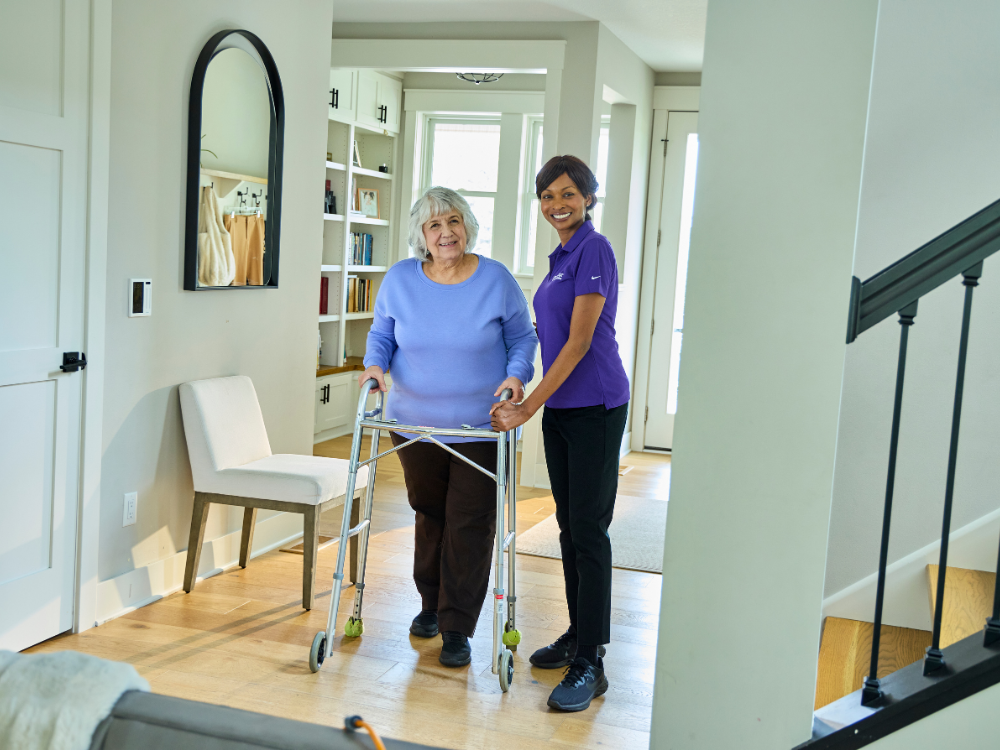
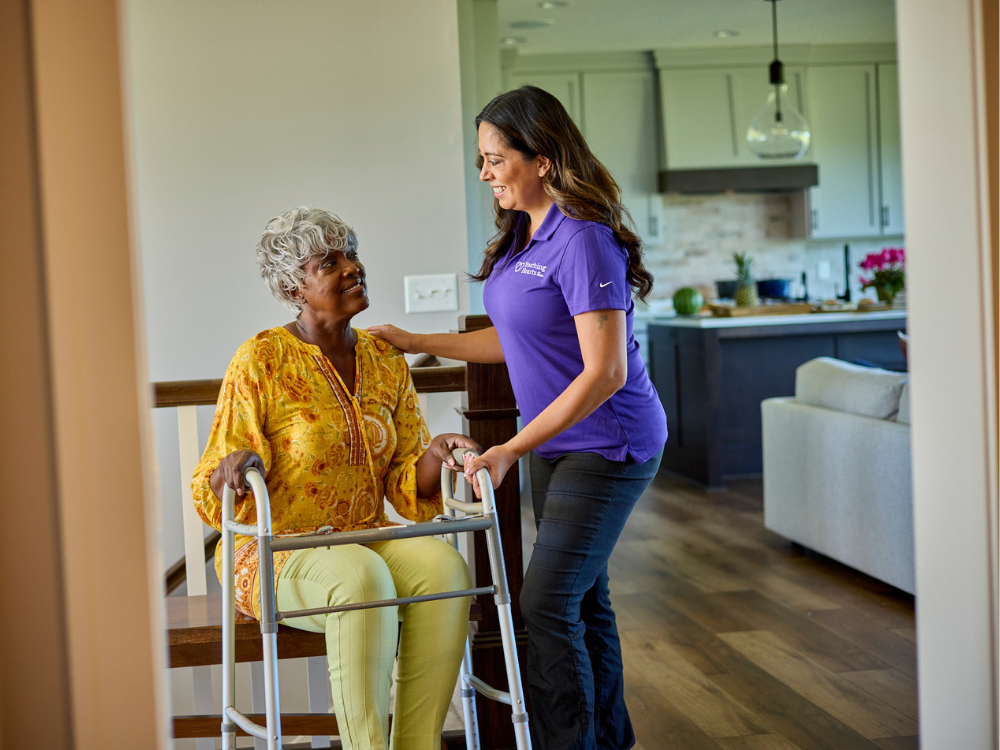
- Standby and transfer assistance
- Hygiene support and personal care
- Medication reminders
- Homemaker services
- Safety monitoring and fall avoidance
- Wandering awareness
- Transportation to appointments or outings
- Respite for family caregivers
Our Caregivers receive dementia-specific training and ongoing support to understand the emotional and physical needs associated with cognitive decline. They are also matched thoughtfully with clients to build trust and comfort — a priority that Buffalo families deeply appreciate.
Supporting Family Caregivers in Western New York
More than 11 million Americans provide unpaid dementia care for a loved one, according to the Alzheimer’s Association, contributing an estimated 18 billion hours of support every year. In New York State alone, family caregivers provide more than 1.1 billion unpaid hours of dementia care.
These numbers tell a story: families are carrying a tremendous emotional and physical load.
Touching Hearts at Home provides respite care so families can:
- Rest
- Work
- Attend appointments
- Spend time with children or grandchildren
- Reconnect with hobbies or self-care
- Prevent burnout
You don’t have to do this alone — and reaching out for support is not a sign of weakness. It’s an act of love.
When Is It Time to Seek Additional Help?
Every family arrives at this point differently. Some reach out early, others wait until daily tasks become overwhelming. Common signs that additional support would be helpful include:
- Increased falls or wandering
- Weight loss or irregular meals
- Difficulty with bathing or dressing
- Worsening anxiety or confusion
- Caregiver exhaustion
- Changes in sleep patterns
- Medication mix-ups
- Isolation or withdrawal
If you’re unsure whether now is the right time, Touching Hearts at Home of Buffalo can help you talk through your concerns without pressure or judgment.
You Don’t Have to Walk This Path Alone
Dementia affects every person — and every family — differently. But what does not change is the need for compassion, stability, and a feeling of safety. Our team at Touching Hearts at Home Buffalo is here to support you with personalized, dignified care that honors your loved one’s entire life story.
Whether you’re just beginning to notice changes or navigating more advanced stages, help is available — and you deserve support that feels both skilled and deeply human.
If you have questions or want to explore in-home dementia care in Buffalo, we’re here to listen.