Fall Prevention & Home Safety for Older Adults in Buffalo, NY
Practical Safety Strategies for Aging in Place Throughout Western New York
For many older adults in Buffalo, NY, the goal of remaining at home—surrounded by familiar routines, personal history, and the comfort of independence—is deeply important. Yet one of the most significant concerns families face is the risk of falls. According to the Centers for Disease Control and Prevention (CDC), one in four adults aged 65 and older experiences a fall each year in the United States, and falls remain the leading cause of injury-related deaths in this age group. In Erie County, local hospitalization data shows that fall-related injuries in older adults rise during the winter months due to icy walkways and weather-related hazards, making fall prevention especially critical for families in our region.
For older adults in Buffalo, fall prevention is not just about avoiding injury; it’s about preserving independence, dignity, and quality of life. At Touching Hearts at Home of Buffalo, we work closely with families to build safe living environments and daily support systems tailored to each individual’s needs. This guide explores the most important home safety strategies, the role of professional support, and why prevention matters so deeply for families throughout Western New York.
Understanding the Risk: Why Falls Are a Serious Concern in Buffalo
Buffalo’s climate creates unique challenges. The combination of older housing stock, long winters, icy sidewalks, and shorter daylight hours during the cold seasons all heighten fall risks. Although falls can happen anywhere, they often occur inside the home. The CDC reports that about 60 percent of falls happen in familiar environments such as bathrooms, bedrooms, and living rooms—spaces people assume are safe.
Locally, the New York State Department of Health has found that fall-related deaths and hospitalizations increase by nearly 30 percent among older adults during winter months in Upstate and Western New York due to snow and ice conditions. Buffalo families navigating caregiving responsibilities must be especially mindful of these seasonal risks, as a single fall can significantly change a loved one’s mobility, confidence, and independence.
Safe Home Modifications for Older Adults in Buffalo
A safer home begins with practical adjustments that reduce hazards without disrupting the comfort of daily living. Many of these improvements are simple, affordable, and can be implemented quickly.
Start by addressing lighting. During Buffalo’s long winter months, natural light can be scarce. Increasing indoor lighting, adding nightlights, and ensuring consistent visibility along stairways and hallways can dramatically reduce fall risk. Poor lighting contributes to misjudged steps, missed edges of area rugs, or difficulty navigating narrow spaces.
Flooring is another essential area of focus. Loose throw rugs, uneven transitions between rooms, clutter, and cords can all pose risks. Securing or removing rugs, organizing cords, and maintaining clear walkways are immediate steps that make a meaningful difference. For homes with hardwood floors, consider adding non-slip coatings or grip pads.
Bathrooms are statistically one of the most hazardous areas for older adults. The CDC notes that more than 80 percent of falls in older adults occur in the bathroom, often due to wet surfaces or difficulty getting on and off the toilet or in and out of the shower. Installing grab bars, raised toilet seats, shower chairs, and non-slip mats can greatly reduce the chance of a fall. For Buffalo-area families renovating older homes, widening bathroom doorways or transitioning to a walk-in shower may also be beneficial.
Stairways require particular attention, especially in two-story homes common throughout Buffalo’s suburbs. Ensure handrails extend the full length of the stairway and feel sturdy. Adding colored tape to stair edges improves depth perception, particularly for individuals with low vision. Motion-sensor lighting along basement stairs is especially helpful in Buffalo homes built before the 1980s, where basements are commonly used for laundry or storage.
Winter Weather: Extra Precautions for Buffalo’s Climate
Cold weather is part of life in Western New York, and with it comes increased hazards. Outdoor maintenance plays a major role in fall prevention. Regular snow removal, salted walkways, cleared driveways, and railings along outdoor steps are essential. Families sometimes underestimate how many falls happen outdoors while simply walking to a mailbox, stepping onto a porch, or getting into a vehicle.
For older adults who want to remain active during the winter but are nervous about ice and uneven terrain, supervised outings or assistance from a Care Partner can provide both safety and confidence. Touching Hearts at Home Caregivers also keep an eye on weather changes and help adjust plans accordingly to prevent unnecessary risks.
The Role of Daily Support: How Caregivers Reduce Fall Risk
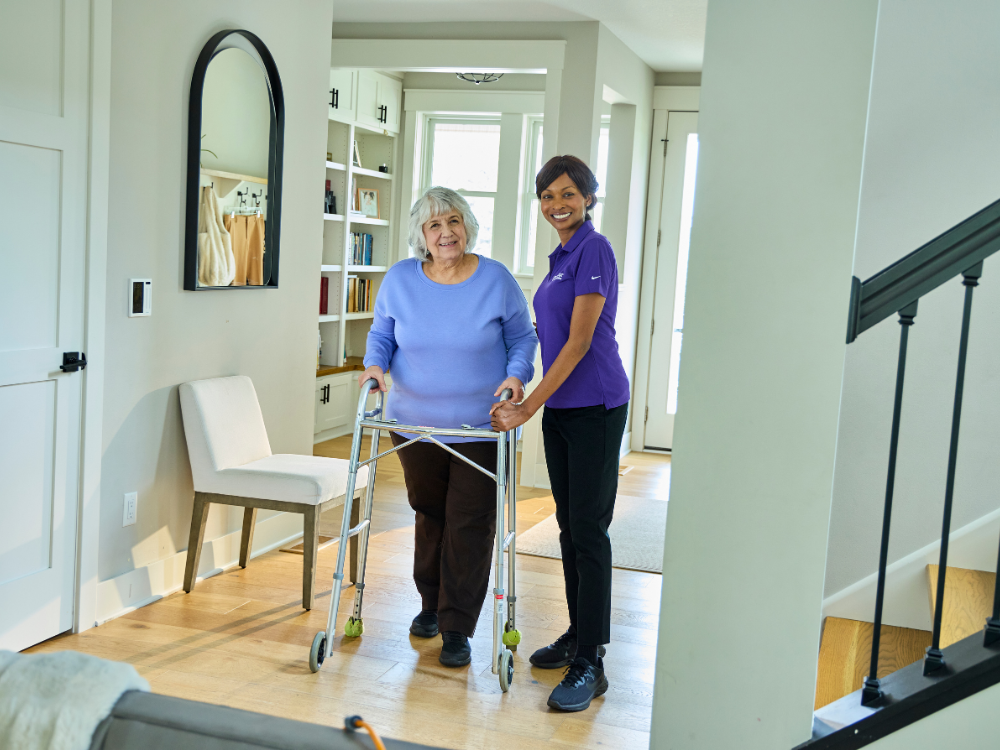
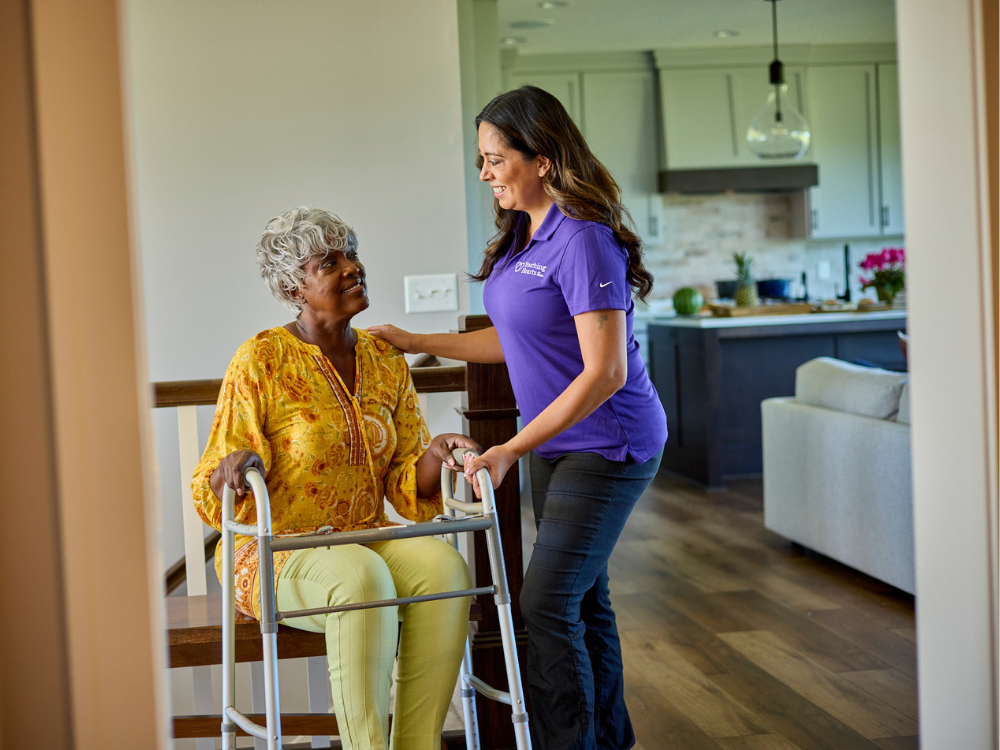
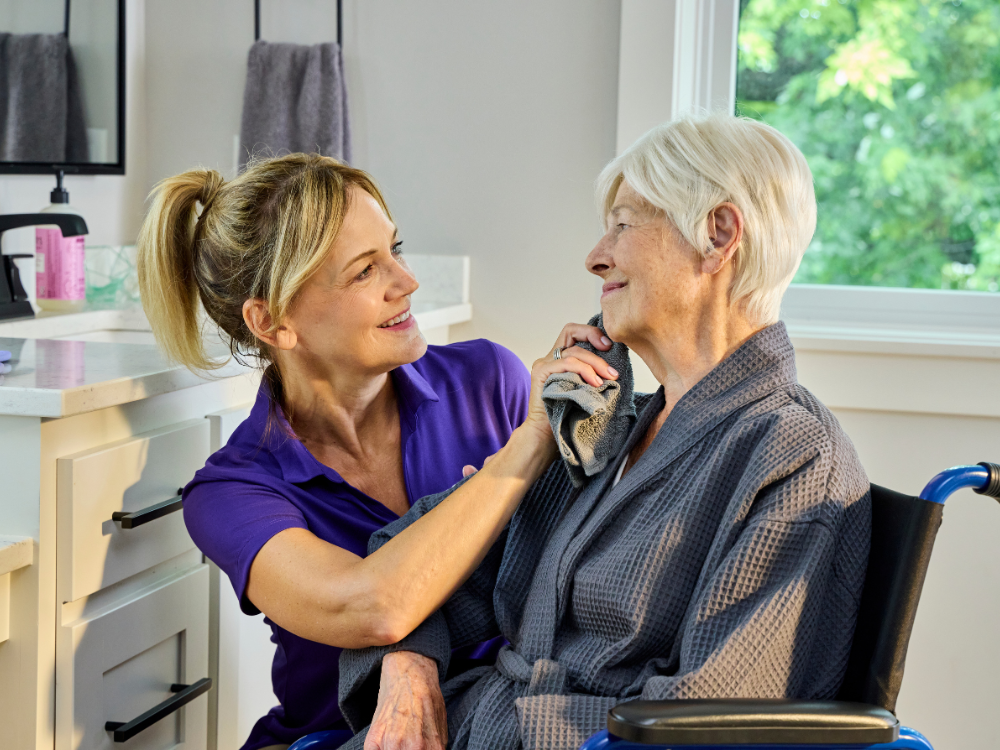
While home modifications are essential, consistent daily support can be just as important. Many falls occur during times of transition—getting out of bed, stepping out of the shower, standing from a seated position, or moving from one room to another. Touching Hearts at Home Care Partners provide standby or transfer assistance during these moments to ensure stability.
A study from the National Council on Aging found that older adults with daily supervision or support during high-risk activities reduced their likelihood of fall-related hospitalization by nearly 40 percent. This type of proactive support is especially valuable for individuals living with mobility concerns, vision loss, mild cognitive impairment, or chronic illness.
Companionship also plays a role. Many falls occur when older adults rush to answer the door, reach for an item, or attempt something on their own because they don’t want to “bother” a family member. Having a Caregiver present removes that pressure and encourages safer movement throughout the home.
In addition, Care Partners assist with meal preparation and hydration—two factors that indirectly influence fall risk. Dehydration and poor nutrition can lead to dizziness, low blood pressure, or fatigue, all of which increase the chance of falling.
Medical and Wellness Considerations
Sometimes fall risk is tied to underlying medical conditions. Balance disorders, neuropathy, low vision, medication side effects, or chronic conditions can impact stability. For example, Johns Hopkins Medicine reports that more than 30 percent of older adults experience side effects from medications that affect balance. A regular medication review with a pharmacist or healthcare provider can identify potential risks.
Vision also plays a significant role. In Western New York, where cloudy weather is frequent, low-light conditions can exacerbate vision challenges. The American Academy of Ophthalmology recommends annual eye exams for adults 65 and older to detect cataracts, glaucoma, and macular degeneration—conditions that often go unnoticed until they increase fall risk.
Caregivers can support these wellness needs by providing transportation, appointment reminders, and assistance managing specialist visits.
Involving the Family: A Community Approach to Safety
Fall prevention is most successful when the entire family participates. This means regular check-ins, open communication about concerns, and collaborative planning. Many Buffalo families are multigenerational, with adult children supporting aging parents while also managing their own work, school, and household responsibilities. It’s not always easy to balance safety with independence, and that’s where professional support becomes invaluable.
Family members often share that they simply “feel better” knowing a Care Partner is present, offering oversight, assistance, and companionship during daily routines. When emergencies or unexpected situations arise, having a care team already in place brings peace of mind.
Fall Prevention Through a Local Lens
What sets fall prevention in Buffalo apart is the combination of climate, housing, and community culture. Many local neighborhoods—from Amherst to West Seneca to Tonawanda—feature older homes with unique layouts, narrow staircases, and basement laundry setups. These elements require customized safety plans rather than generic checklists.
At Touching Hearts at Home of Buffalo, our fall prevention approach is grounded in three principles that reflect local needs:
- Personalized home assessments tailored to Western New York homes.
- Care Plans designed to support seasonal challenges, particularly winter weather and low-light conditions.
- Daily support based on the individual’s mobility, routines, and goals for independence.
By taking these factors into account, we help older adults remain safe, confident, and comfortable in their homes throughout the year.
Supporting Independence While Reducing Risk
Fall prevention is not about taking away independence; it’s about strengthening it. With the right modifications, support, and proactive planning, older adults can continue living at home safely and confidently. The goal is to minimize avoidable risks, protect long-term well-being, and give families reassurance that their loved ones have the support they need.
If your family has noticed changes in mobility, confidence, or daily stability, now is the perfect time to explore personalized support options. Touching Hearts at Home of Buffalo is here to help you understand next steps, create a tailored safety plan, and provide daily support that empowers your loved one.