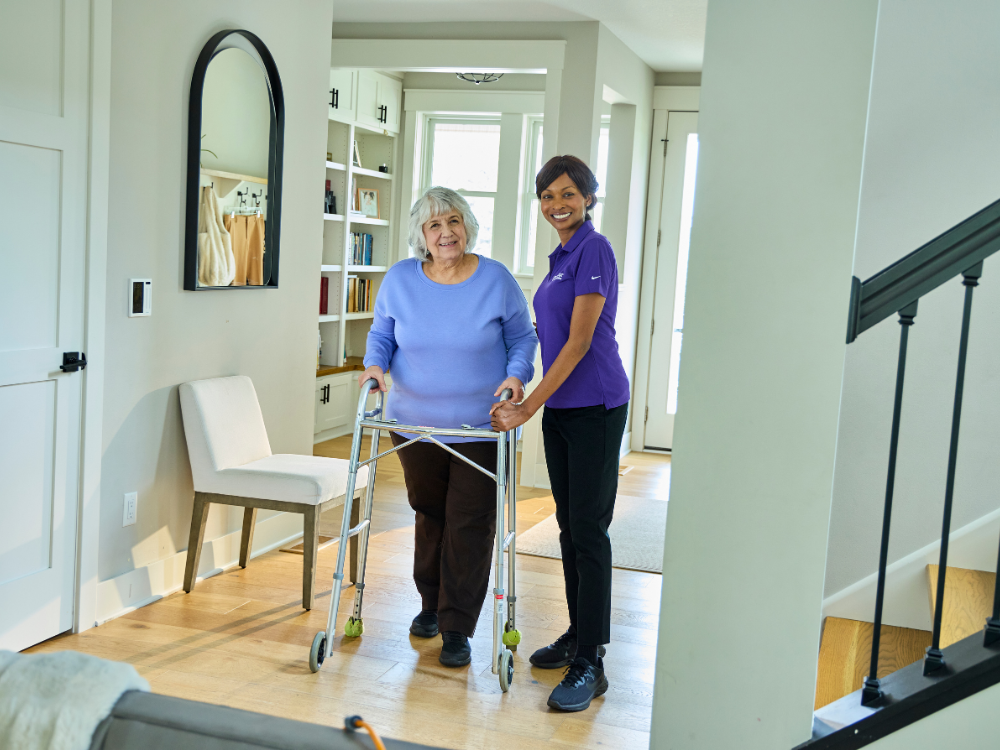

Why Aging at Home Matters for Individuals With Dementia
Many families in Buffalo share the same hope: to help their loved one remain in the comfort of home for as long as it is safe and feasible. Research consistently shows that familiar surroundings reduce anxiety, confusion, and agitation for individuals with dementia. A study published in the Gerontologist reported that maintaining predictable routines and remaining in a known environment supports emotional stability and can reduce behavioral symptoms.
Buffalo’s neighborhoods offer something especially valuable for older adults living with dementia: community continuity. Whether someone has lived in North Buffalo, South Buffalo, Tonawanda, Amherst, or Orchard Park for decades, the sense of place can be grounding. Home is where the photographs, the favorite chair, the same kitchen layout, and the daily rhythms feel safe.
Aging at home, however, requires thoughtful planning, consistent oversight, and the right kind of daily support. Families often discover that certain tasks need gentle assistance or full-time supervision. This is where best practices and professional support become essential.
Creating a Safe and Supportive Home Environment
Home safety is one of the most important considerations when supporting someone with dementia. The Centers for Disease Control and Prevention reports that one in four adults over age 65 experiences a fall each year, and cognitive impairment significantly increases that risk.
Families can begin by looking at the home with fresh eyes:
- Reduce clutter and remove tripping hazards.
- Ensure hallways, bathrooms, and bedroom pathways are well lit.
- Install grab bars, non-slip mats, and raised toilet seats in bathrooms.
- Use simple, easy-to-read labels on cabinets or doors to reduce confusion.
- Lock away cleaning products, medications, sharp objects, or financial paperwork.
- Keep important areas, such as the kitchen and bathroom, as organized and predictable as possible.
In Buffalo’s winter months, additional care is needed for icy walkways, snow buildup, and temperature regulation. Many families work with home-care agencies like Touching Hearts at Home of Buffalo to ensure daily oversight and support during the coldest months, when risks naturally increase.
Building a Meaningful Routine
Predictability is grounding for someone living with dementia. Routines help reduce anxiety and can lessen agitation or confusion. Families in Buffalo often build daily schedules around familiar activities such as morning tea, lunchtime at the same hour, short neighborhood walks, or favorite TV programs.
Meaningful engagement can include:
- Music from their generation or cultural background
- Simple art or craft projects
- Folding towels or organizing safe items
- Looking at old photos or memory books
- Light exercises appropriate for mobility level
- Activities connected to Buffalo’s community identity, such as talking about past Sabres or Bills games, favorite neighborhoods, or local traditions
These moments support socialization, purpose, and emotional well-being.
Communication Strategies That Make a Difference
Communication can be one of the most challenging aspects of dementia care. Families often notice changes in how their loved one expresses needs or responds to questions. Using supportive communication strategies can help:
- Keep sentences simple and slow.
- Ask one question at a time.
- Maintain eye contact and use a reassuring tone.
- Avoid correcting or arguing. Instead, gently redirect.
- Validate feelings, even if the details are unclear.
- Use visual cues or short demonstrations when giving instructions.
A study published by the National Institutes of Health found that validation-based communication reduces stress for both caregivers and individuals with dementia, helping preserve emotional connection even as memory declines.
When Dementia Care Becomes Overwhelming for Families
It is common for Buffalo families to reach a point where the responsibilities become too much to manage alone. Work obligations, children, health challenges, or caregiver burnout all impact a family’s ability to provide consistent support. The Alzheimer’s Association notes that family caregivers of people with dementia experience higher rates of depression, stress, and physical exhaustion than caregivers of older adults without cognitive decline.
Many families initially feel guilty when considering outside help, but professional dementia-trained Caregivers bring stability, safety, and peace of mind. For Buffalo families, in-home care can fill gaps such as:
- Safety oversight and supervision
- Meal planning and preparation
- Medication reminders
- Social engagement and companionship
- Standby and transfer assistance
- Homemaker services
- Transportation to appointments, errands, or community outings
- Respite support for family caregivers needing time to rest or work
Touching Hearts at Home of Buffalo provides personalized care plans designed specifically for dementia care—not just general support—ensuring routines, communication strategies, and behavioral changes are handled with expertise and empathy.
Best Practices for Supporting Someone With Dementia at Home
Based on research, professional standards, and local experience, the following best practices help families provide high-quality care:
- Maintain consistent routines to reduce confusion.
- Communicate gently, using simple language and reassurance.
- Provide structured, meaningful activities each day.
- Prioritize safety by modifying the home environment.
- Limit overstimulation such as loud noises, crowded events, or sudden transitions.
- Monitor nutrition, hydration, and sleep patterns carefully.
- Build a support system that includes family, friends, and professional assistance.
- Seek respite care to avoid caregiver burnout.
These practices help maintain dignity and independence while improving quality of life for everyone involved.
Local Buffalo Resources for Dementia Support
Buffalo families have access to strong community resources, including:
- Alzheimer’s Association Western New York Chapter
- Erie County Senior Services
- Catholic Health and Kaleida Health memory care programs
- Support groups for spouses and adult children
- Touching Hearts at Home of Buffalo for non-medical in-home dementia care
- Transportation services available through local senior centers
Using local support systems ensures families never feel alone in the journey.
How Touching Hearts at Home Supports Dementia Care in Buffalo
Touching Hearts at Home of Buffalo specializes in personalized dementia-aware in-home care, offering services that adapt as cognitive needs change. Our Caregivers receive training on communication strategies, safety, behavioral changes, redirection techniques, and how to support meaningful engagement throughout each stage of dementia.
Our goal is simple: to help older adults remain safely at home while ensuring families feel supported, informed, and never overwhelmed. We work closely with loved ones to build care plans that honor routines, preferences, and dignity.
If your family is beginning to explore dementia care options in Buffalo, we are here to help—starting with a conversation.