Home Safety & Fall Prevention for Older Adults in Buffalo, NY
How to reduce fall risk and create a safer living environment for the older adults you love
Falls remain one of the greatest safety concerns for older adults, especially for those who want to age comfortably and independently at home. In communities across Buffalo and Western New York, families often reach out to Touching Hearts at Home because a parent or loved one has experienced a fall, or because they are determined to prevent one from happening in the first place. Fall prevention is not simply about removing hazards. It requires understanding mobility changes, home layout, chronic conditions, and daily routines—every element that contributes to an older adult’s sense of balance, stability, and confidence.
This guide explores how families in Buffalo can create safer living environments for older adults, how falls impact long-term health outcomes, and how companion care and in-home support can dramatically reduce fall risk. With Buffalo’s winter weather, icy sidewalks, older housing stock, and unique community landscape, fall prevention becomes even more essential.
Why Fall Prevention Matters for Older Adults in Buffalo
Falls remain the leading cause of injury for older adults nationwide. According to the Centers for Disease Control and Prevention, one in four adults over age 65 experiences a fall each year. In New York State, fall-related hospitalizations for residents over 65 are significantly higher than the national average. Erie County reports thousands of emergency department visits annually due to falls, many occurring inside the home. These statistics highlight the importance of proactive, preventive steps—especially in regions like Buffalo where winter conditions and aging homes create additional risks.
Many older adults who experience a fall never fully return to their prior level of independence. Data published by the National Council on Aging shows that falls often result in decreased mobility, reduced confidence, and higher rates of hospitalization. These ripple effects impact not only the individual, but also families trying to navigate caregiving decisions, safety planning, and emotional support.
Buffalo’s older neighborhoods—from South Buffalo to North Park, Lackawanna, Tonawanda, and Cheektowaga—often feature staircase-heavy homes, older bathtubs, narrow hallways, or weathered flooring. Paired with Western New York winters, fall prevention becomes a year-round priority.
Understanding What Contributes to Fall Risk
Falls rarely occur because of one single factor. Instead, a combination of physical, environmental, and situational challenges contribute to risk. Families in Buffalo often share concerns such as:
- Recovering from surgery or illness
- Managing chronic conditions such as arthritis, diabetes, neuropathy, or vision impairments
- Navigating a home with stairs, uneven flooring, or older carpeting
- Slippery entryways during winter months
- Difficulty with transfers, such as rising from bed or moving in and out of the shower
- Medication side effects that may cause dizziness or fatigue
According to the CDC, medications contributing to dizziness—including certain blood pressure drugs, anxiety medications, sleep aids, and pain medications—are linked to higher fall risk in older adults. Many families in Buffalo notice that fall risks increase in the early morning or evening hours, especially when older adults are moving between rooms without support.
Home Safety Challenges Unique to Buffalo and Western New York
Older adults living in Buffalo face distinctive environmental challenges, largely centered around the region’s weather. Buffalo winters bring snow, ice, sleet, and freezing temperatures that make even short distances difficult. Navigating a porch, driveway, or sidewalk becomes hazardous during the colder months, and even indoor flooring can be slick from melted snow.
Homes built several decades ago also present structural challenges. Hardwood floors can become slippery with socks, area rugs may shift, and older bathrooms often lack modern safety features like walk-in showers or grab bars. These structural issues, paired with aging-related mobility changes, can dramatically increase the risk of falls.
For many families, the solution is not simply modifying the home—it’s adding consistent support, standby assistance, and supervision, particularly during high-risk times of day such as morning routines, bathing hours, or overnight.
Practical Fall Prevention Strategies for Older Adults at Home
Families often want a clear, approachable plan they can begin implementing immediately. Effective fall prevention includes:
1. Improving Lighting
Bright, consistent lighting throughout the home—especially along hallways, staircases, and bathrooms—reduces trip hazards. Motion-activated night lights are especially helpful for older adults who may get up during the night.
2. Removing Clutter and Tripping Hazards
Removing loose rugs, electrical cords, and unnecessary furniture helps create clearer walking paths. Many homes in Buffalo feature rugs on hardwood floors, which can be a major fall risk unless properly secured.
3. Supporting Safe Bathroom Use
Bathrooms are the most common location for falls. Installing grab bars, non-slip mats, and raised toilet seats can make a significant difference. Walk-in showers—or even adding a shower chair—reduce risk for older adults with mobility challenges.
4. Enhancing Safety at Entryways
During winter months, porches and steps are high-risk areas. Families can add sturdy railings, use ice melt, place slip-resistant mats at entrances, and ensure boots and wet shoes are stored safely away from walking paths.
5. Encouraging Daily Mobility and Balance Exercises
Low-impact movement improves balance, strength, and range of motion. Programs like SilverSneakers or local senior center classes offer accessible options. Research from the National Institute on Aging shows that simple balance exercises, performed regularly, can significantly reduce the likelihood of falls.
6. Utilizing Standby and Transfer Assistance
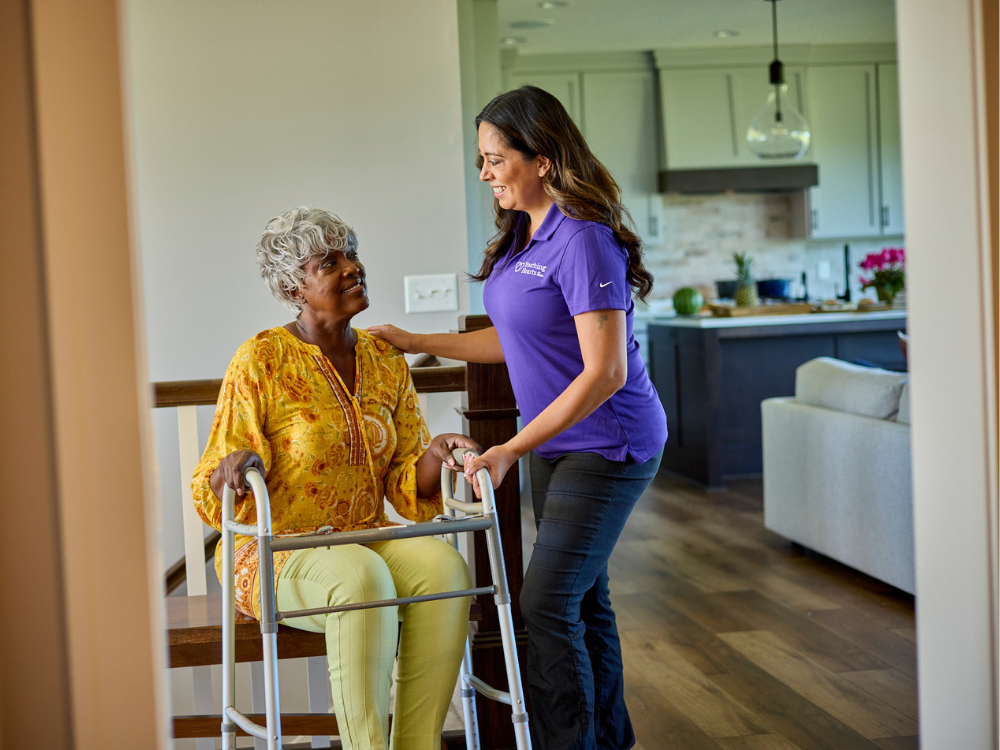
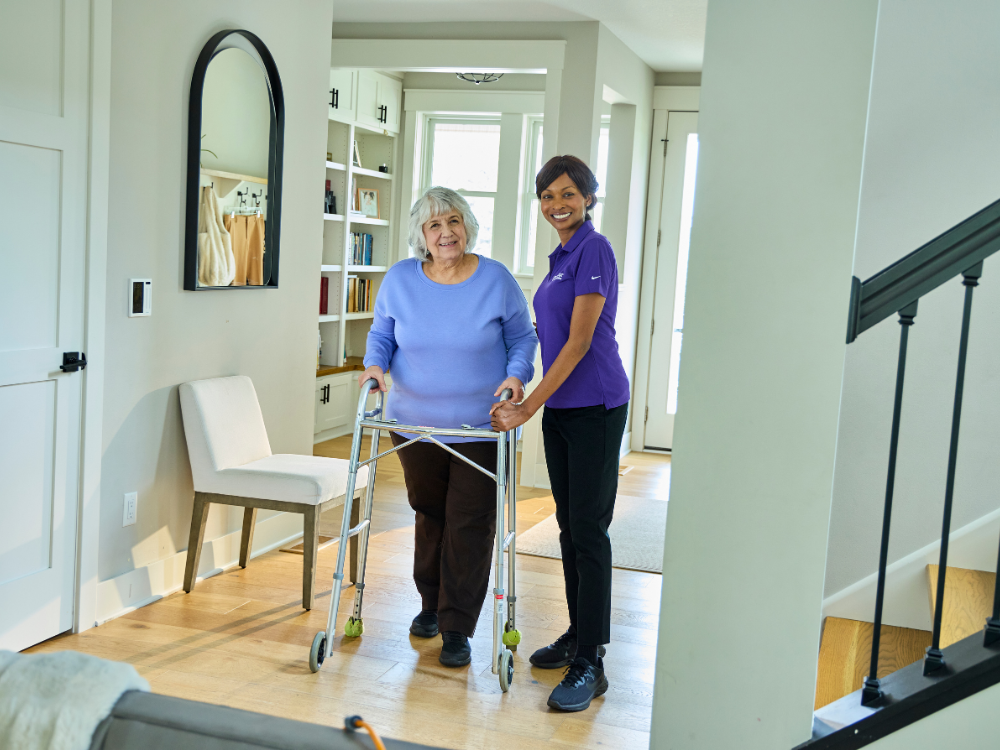
Professional caregivers can provide gentle support during transitions—moving from bed to standing, stepping into the shower, navigating stairs, or walking across uneven flooring. This hands-on help is often one of the most effective ways to prevent falls.
How In-Home Care Reduces Fall Risk
Families in Buffalo often reach out because they notice a parent struggling with mobility but want them to remain at home. Companion care and non-medical support play a vital role in fall prevention by offering:
- Supervision during daily routines
- Standby assistance during mobility transitions
- Help with bathing, dressing, and grooming
- Meal preparation that reduces kitchen hazards
- Medication reminders that support stability and routine
- Light homemaker services to keep walkways clear
- Support during outings, errands, and appointments
Consistent support reduces the risk of accidents, while giving older adults confidence and peace of mind. According to the Journal of Geriatric Physical Therapy, older adults who receive regular support and guided mobility experience fewer falls and less decline in functional ability.
Caregivers also serve as the eyes and ears of families, identifying new hazards early and helping adjust routines before a risk becomes an emergency. Many families in Buffalo find that professional support not only reduces falls but also supports emotional well-being, socialization, and independence.
Creating a Fall Prevention Plan That Works for Your Family
Every fall prevention approach should be personalized, based on lifestyle, mobility, medical conditions, and home layout. A family living in the suburbs near Amherst may have different needs from someone in a multi-story home in Allentown or an older residence in South Buffalo. Even the size of entryways, the height of stairs, and the number of daily tasks a loved one performs play a role.
A fall prevention plan should be reviewed regularly, especially during seasonal transitions. Winter weather, holidays, or health changes can all create new challenges. Many families find it helpful to conduct quarterly home assessments or to schedule consistent caregiver hours during times of higher risk.
How Touching Hearts at Home Supports Fall Prevention in Buffalo
Touching Hearts at Home of Buffalo is committed to helping older adults remain safe, confident, and connected at home. Fall prevention is woven into every aspect of our care—from how we match clients and caregivers to how we support daily routines and personalization of services.
Our team prioritizes:
- Home safety awareness
- Standby and transfer assistance
- Daily routines that reduce risk
- Personalized care plans
- Open communication with families
- Ongoing observation and proactive adjustments
Families across Buffalo trust us to help their loved ones age in place while preserving dignity, independence, and well-being.
Fall prevention is one of the most important steps families can take to support an older adult’s safety and long-term independence. With Buffalo’s unique environmental challenges, aging housing, and winter conditions, creating a safe home environment requires thoughtful planning, consistent support, and a personalized approach.
Touching Hearts at Home is proud to stand alongside families, offering guidance, companionship, and hands-on assistance that empowers older adults to remain safely at home. Through compassionate care, careful supervision, and a commitment to individualized support, we help reduce risk while enhancing everyday quality of life.
If you’re concerned about fall risk for a loved one in Buffalo, now is an ideal time to explore in-home support options. A safer home is not only possible—it’s achievable with the right partner.