
Nutrition and Mental Health for Older Adults: Local Chattanooga Programs & Healthy Eating Tips
Good nutrition is one of the most important parts of healthy aging. For older adults, what we eat doesn’t just affect physical health — it plays a major role in mental health, memory, mood, and overall quality of life. Seniors in Chattanooga often face unique challenges when it comes to diet and nutrition: loss of appetite, medication side effects, mobility issues that make cooking harder, or even the emotional toll of eating alone.
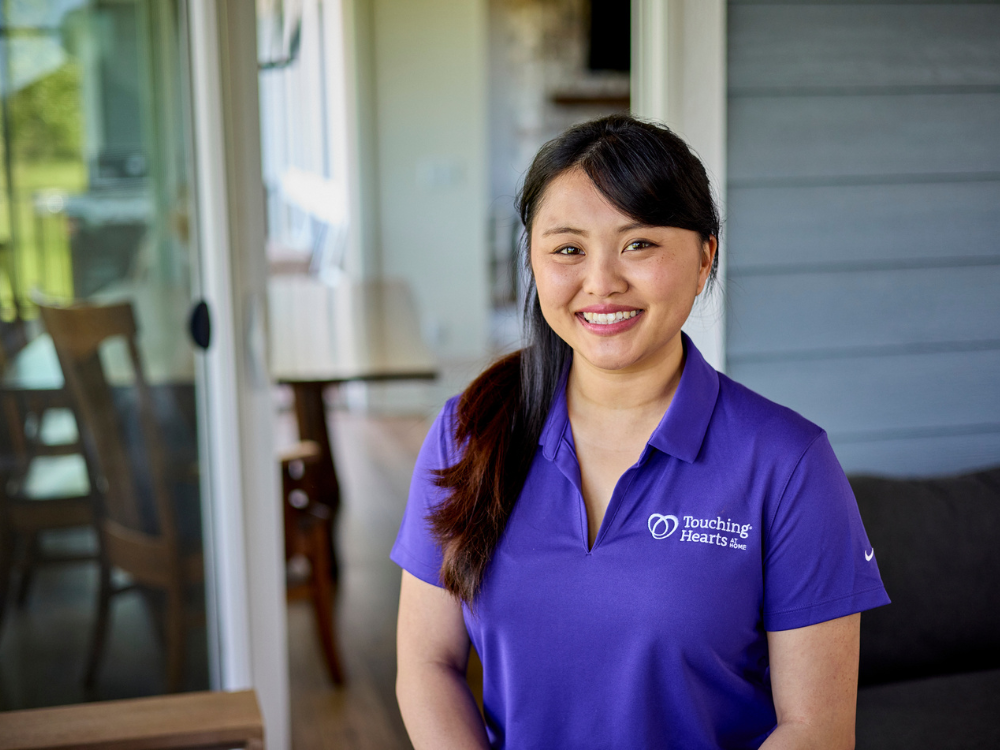
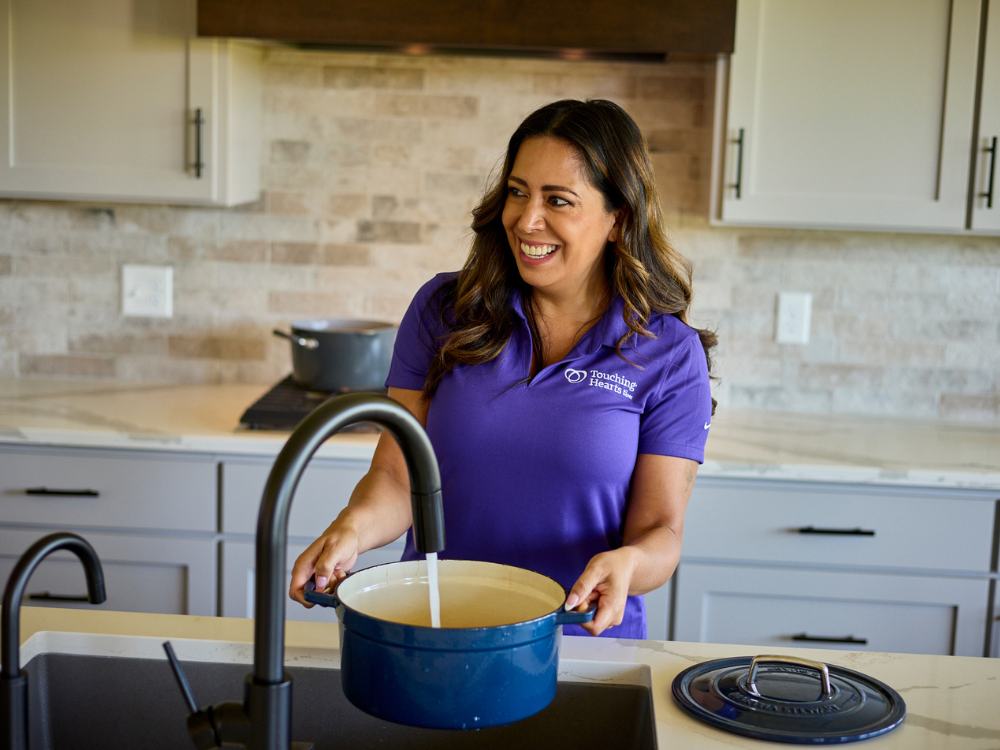
At Touching Hearts at Home, we know how powerful good nutrition can be for seniors’ minds and bodies. Alongside companionship and home care services, our caregivers often help clients plan meals, shop locally, and prepare balanced foods that support both physical and emotional well-being.
If your loved one needs support with meal planning, companionship, or daily care, give us a call today at 423-591-7531.
The Link Between Nutrition and Mental Health
For older adults, the connection between diet and mental health is clear:
- Brain function: Nutrient-rich foods support memory, focus, and slow down age-related cognitive decline.
- Mood regulation: Diets rich in fruits, vegetables, lean proteins, and healthy fats can reduce depression and anxiety symptoms.
- Energy and independence: A well-balanced diet helps seniors maintain energy and strength, which improves confidence and social activity.
On the other hand, poor nutrition can lead to vitamin deficiencies, fatigue, confusion, and higher risks of dementia and depression. That’s why keeping a healthy diet is essential for seniors in Chattanooga who want to remain active and engaged.
Common Nutrition Challenges for Chattanooga Seniors
Many older adults face barriers that make healthy eating more difficult. Families should be aware of these common challenges:
- Loss of appetite or taste: Aging often changes taste buds and reduces appetite.
- Dental or swallowing issues: These can make it harder to eat fresh produce or protein-rich foods.
- Mobility challenges: Grocery shopping and cooking may feel overwhelming without support.
- Living alone: Seniors who eat by themselves may skip meals or rely on processed foods.
- Medication side effects: Some prescriptions affect appetite or nutrient absorption.
- Fixed incomes: Stretching budgets can make it harder to prioritize fresh, healthy foods.
At Touching Hearts at Home – Chattanooga, our caregivers provide meal assistance, grocery shopping, and companionship at mealtimes so seniors can eat well and enjoy the experience of dining again.
Local Chattanooga Programs Supporting Senior Nutrition
Fortunately, Chattanooga and Hamilton County have excellent resources to help seniors access nutritious food and healthy lifestyle support. Families can explore:
- Meals on Wheels Chattanooga (part of the Chattanooga Area Food Bank): Provides hot, home-delivered meals to seniors who are homebound.
- Senior Farmers Market Nutrition Program: Offers vouchers to older adults for fresh fruits and vegetables from local farmers’ markets.
- Alexian Brothers Senior Neighbors Center: Provides nutrition programs, group meals, and education for seniors.
- Hamilton County Senior Centers (Eastgate, North River, South Chattanooga): Offer congregate meals, nutrition counseling, and fitness programs.
- Chattanooga YMCA: Hosts wellness programs that combine fitness and healthy eating classes for seniors.
Our caregivers often coordinate with these programs — making sure clients not only access resources but also enjoy healthy meals in the comfort of home.
Healthy Eating Tips for Older Adults
Here are some practical, Chattanooga-friendly tips to support nutrition and mental health for seniors:
1. Focus on Whole Foods
Encourage meals with fruits, vegetables, lean proteins, whole grains, and healthy fats. The Chattanooga Market is a great local spot to shop for seasonal produce.
2. Hydration is Key
Older adults may not feel thirsty as often, but dehydration can affect mood, energy, and cognition. Encourage water, herbal teas, or fruit-infused water.
3. Balance for Brain Health
Nutrients like omega-3 fatty acids, B vitamins, and antioxidants are linked to better brain function. Foods like salmon, blueberries, leafy greens, and walnuts can boost memory and mood.
4. Small, Frequent Meals
If appetite is low, smaller, nutrient-dense meals throughout the day may be easier to manage.
5. Make Meals Social
Loneliness often affects eating habits. Encourage seniors to share meals with family, neighbors, or caregivers. Companionship makes food more enjoyable and helps prevent skipped meals.
6. Use Simple Cooking Shortcuts
Pre-chopped vegetables, slow cookers, and one-pan recipes can make cooking less overwhelming.
7. Limit Processed Foods
Encourage reducing sodium, sugar, and unhealthy fats, which are common in packaged meals. These can worsen high blood pressure, diabetes, and mood swings.
Mental Health Benefits of Eating Well
When seniors improve their diets, the benefits often go beyond physical health:
- Improved mood and reduced depression
- Sharper memory and focus
- Better sleep
- Higher energy and motivation to stay social
Families often notice that once their loved one begins eating better, they’re also more interested in community events, church groups, and time with family. That’s the power of combining nutrition with social engagement.
How Touching Hearts at Home Supports Seniors
Our caregivers don’t just prepare meals — we support whole-person wellness. Services include:
- Meal planning and preparation: Creating tasty, balanced meals tailored to dietary needs.
- Grocery shopping assistance: Helping seniors shop at local stores or farmers’ markets.
- Companionship during meals: Making mealtime enjoyable and social.
- Transportation to programs: Driving seniors to nutrition classes, senior centers, or wellness activities.
- Encouragement and accountability: Helping older adults stick to healthy eating routines.
For families who worry about their loved one skipping meals or eating poorly, we provide peace of mind and compassionate support.
Call us at 423-591-7531 to learn how we can help your loved one enjoy better nutrition, improved mental health, and a higher quality of life.
Local Chattanooga Spots for Healthy Eating
Here are a few local resources that can help seniors enjoy healthy food and social outings:
- Chattanooga Market (downtown): Great for fresh produce, local honey, and artisan foods.
- Whole Foods & Greenlife Grocery: Senior-friendly shopping with healthy prepared meals.
- Community Kitchens: Offers meals and volunteer opportunities for seniors who want social engagement.
- Local restaurants with senior menus: Many Chattanooga restaurants offer smaller portions and senior-friendly options, making dining out fun and manageable.
Our caregivers can help coordinate outings to these places, turning a meal into a meaningful social activity.
Final Thoughts
Nutrition is about so much more than food — it’s about health, joy, and connection. For older adults in Chattanooga, eating well is directly tied to mental health, mood, and quality of life. Local programs, family support, and home care services all play a role in ensuring seniors get the nutrition they need.
At Touching Hearts at Home, we believe no senior should face mealtimes alone or without the support to make healthy choices. Whether it’s planning meals, preparing food, or simply sitting down to share a conversation, our caregivers are here to help.
If you’d like to learn more about how we can support your loved one’s nutrition and mental health, call us today at 423-591-7531. Together, we can help your loved one live healthier, happier, and more connected in their golden years.
