Fall Prevention & Home Safety for Older Adults in Syracuse
For many older adults in Syracuse and throughout Central New York, home represents familiarity, comfort, and independence. Yet the home environment can also present safety challenges as mobility, strength, or balance changes with age. Preventing falls and supporting safe movement at home is one of the most important components of aging in place — especially in a region where seasonal conditions, such as snow and ice, increase risks throughout much of the year.
Family members often express concern about maintaining safety without limiting independence. The goal is not to restrict daily life, but to create an environment where older adults can continue their routines confidently, comfortably, and with the support they need to prevent injury.
Understanding Fall Risk Among Older Adults
Falls are common, but they are not inevitable. According to the Centers for Disease Control and Prevention, one in four adults aged 65 and older experiences a fall each year, and falls remain a leading cause of injury-related emergency room visits (CDC, 2024). Many of these incidents occur in and around the home, where familiarity can sometimes create a sense of unrecognized risk.
Factors contributing to falls can include changes in balance, muscle strength, vision, medication side effects, or memory. Environmental factors — such as uneven flooring, cluttered walkways, loose rugs, or insufficient lighting — can increase risk further. In winter months, slippery entryways and outdoor surfaces in the Syracuse region heighten these concerns.
However, with thoughtful support and proactive planning, fall risk can be significantly reduced.
Home Environment Considerations
A home does not need to be restructured entirely to become safer. Small, intentional adjustments can make daily movement more secure and less stressful. This may include creating clear pathways in high-traffic areas, ensuring lighting is consistent and bright, securing or removing loose rugs, adjusting furniture placement, and adding stable surfaces to assist with sitting and standing.
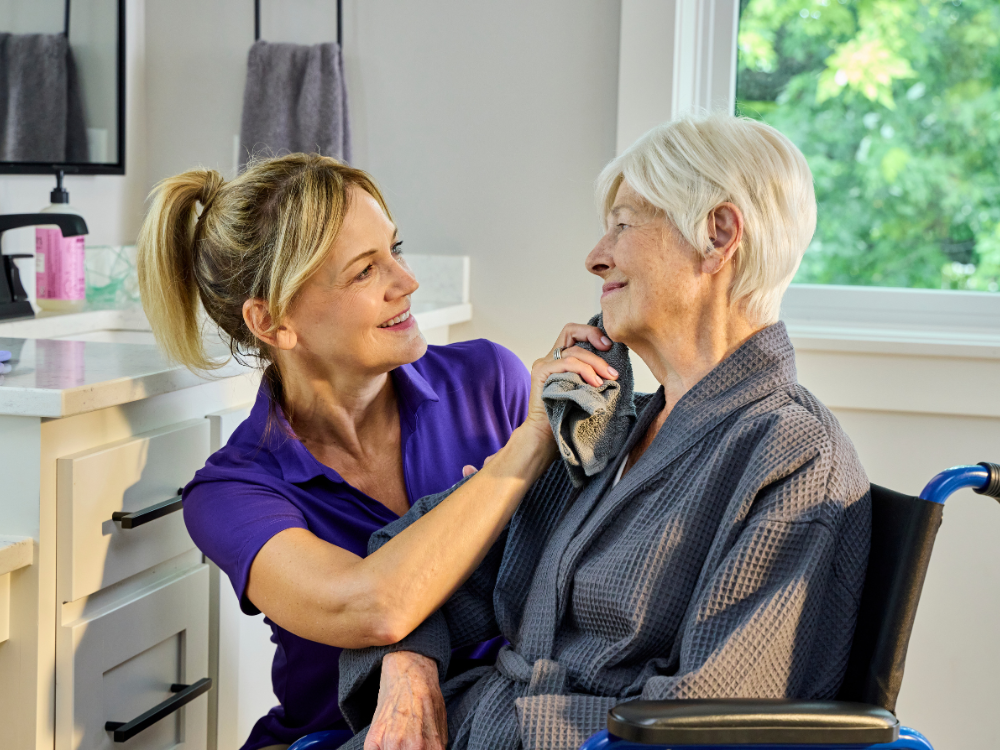
Bathroom spaces, in particular, often benefit from grab bars, non-slip mats, and supportive assistance during bathing routines. Kitchens can be organized so frequently used items remain at waist level, reducing strain or the need to reach overhead. Entryways may require regular clearing, especially during snowy months.
The goal is to support independence while minimizing avoidable hazards.
The Role of Daily Support in Fall Prevention
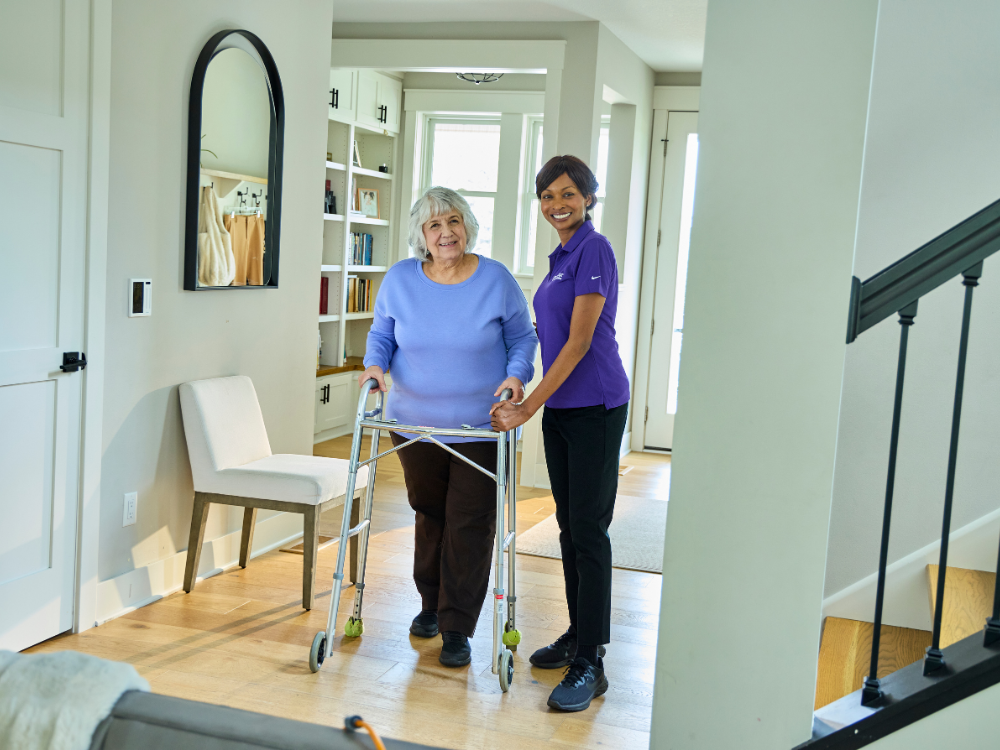
Environmental adjustments are only one part of fall prevention. Consistent, relational support plays an equally important role. Having a care partner present can help older adults move with greater confidence, maintain balance, and navigate transfers — such as standing, sitting, or using stairs — with stability.
Supportive companionship throughout the day can also encourage regular hydration, adequate nutrition, and physical activity, all of which contribute to strength and energy. Structured daily routines — including meal times, rest, hygiene, medication reminders, and light activity — provide predictability and help reduce confusion or rushed movements that may lead to falls.
Care provided in a steady, attentive, and respectful manner allows older adults to continue living at home without feeling hurried or unsafe.
Emotional Confidence Matters Just as Much as Physical Safety
Fall prevention is not solely physical — it is also emotional. After a fall or near-fall, older adults may become hesitant to move, leading to decreased mobility and increased isolation. This avoidance can weaken muscles and negatively affect confidence, making falls more likely over time.
Consistent, compassionate support helps rebuild trust in the body and environment. When movement is supported by calm, steady presence, older adults often reengage in daily routines more comfortably. This confidence plays a significant role in preserving independence.
How Touching Hearts at Home of Syracuse Supports Home Safety
At Touching Hearts at Home of Syracuse, fall prevention is an integrated part of our care. We take time to understand the home layout, daily routines, mobility needs, and personal preferences of each individual. Our care partners provide:
- Standby and transfer assistance to support safe movement
- Gentle guidance during transitions such as sitting, standing, or walking
- Support with bathing, grooming, and dressing while maintaining dignity
- Light homemaking and organization to keep pathways and spaces safe
- Meal preparation to support strength, energy, and wellness
- Medication reminders to help reduce side effects that may impact balance
- Companionship and routine engagement to promote emotional well-being
Care plans are evaluated regularly and adjusted as needs evolve. Our approach prioritizes safety without compromising individuality or independence.
If Your Family Is Thinking About Fall Prevention at Home
We are here to help you evaluate needs, explore options, and create a thoughtful care plan that supports safety, steadiness, and confidence at home. Our consultations are always supportive and pressure-free, designed to provide clarity and guidance.