Supporting Social Engagement & Reducing Isolation for Older Adults in Central NY
Social connection is a core part of well-being throughout every stage of life. Yet as roles shift, families move, routines change, or health conditions develop, many older adults experience a gradual reduction in daily social interaction. This shift can be subtle at first — fewer visits, fewer outings, fewer conversations woven into the day — but over time, the effects can become significant.
Across Syracuse, Liverpool, Baldwinsville, Fayetteville, Camillus, Manlius, DeWitt, Clay, Skaneateles, and surrounding Central New York communities, families often share concerns about a loved one spending increasing amounts of time alone. The desire to remain at home is strong and deeply meaningful. The question becomes how to support emotional connection and engagement within the home environment so that independence remains supported, not isolating.
The Impact of Social Isolation
Social isolation is not simply a matter of company — it has measurable effects on health. The National Institute on Aging reports that chronic loneliness in older adults is associated with increased risks of depression, cognitive decline, hospitalization, and even cardiovascular challenges (NIA, 2023). Emotional well-being and physical health are closely connected, and the absence of consistent interaction can influence both.
It is important to recognize that loneliness is not always about the number of people around an individual. It may also arise when meaningful conversation, shared interests, and opportunities for expression become limited.
Care that supports emotional connection helps protect not just happiness, but stability, confidence, and cognitive health.
The Role of Purpose and Routine
Daily structure plays a large role in maintaining a sense of identity. Something as simple as having someone to talk with while preparing meals, taking a walk together, working on a puzzle, or reading aloud can support a sense of continuity and meaning. Engagement does not need to be complicated. What matters most is the presence of connection and genuine interest.
Many older adults enjoy revisiting familiar stories, hobbies, music, or traditions. Others may welcome gentle encouragement to explore new interests within the comfort of home. In both cases, connection reinforces the idea that there is still much to participate in and enjoy.
Being Known Matters
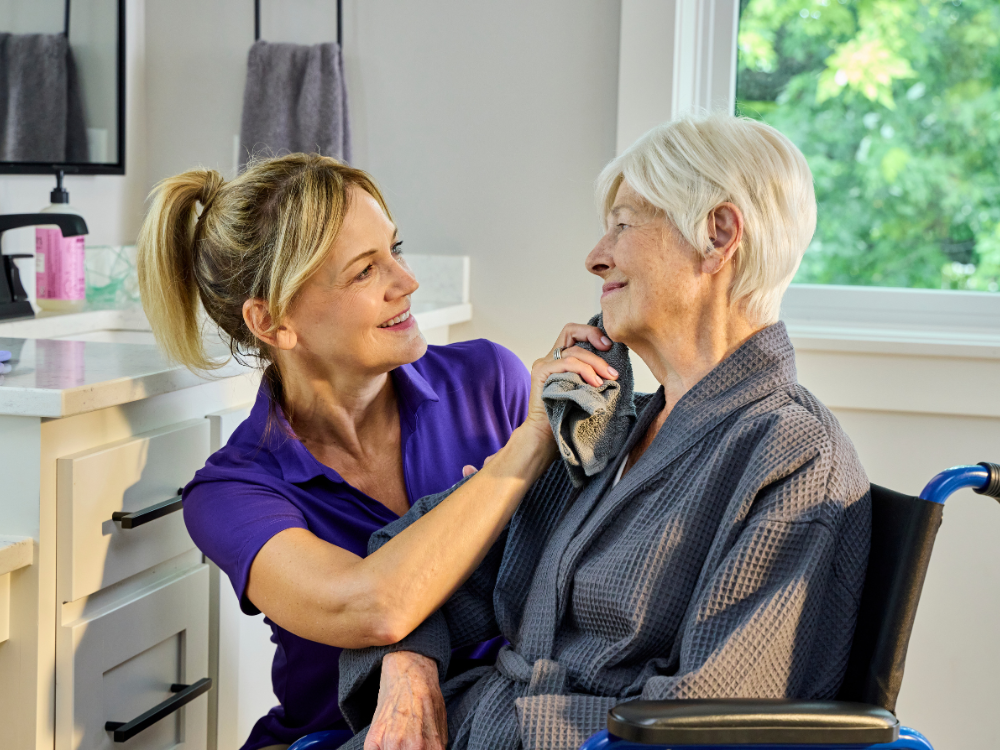
One of the most valuable elements of companionship is being known — not simply being checked on. When an older adult feels understood, respected, and valued, engagement becomes natural rather than forced. A care partner who takes time to listen, to learn personal history, to recognize moods and preferences, and to share conversation supports emotional well-being in a meaningful way.
This type of connection cannot be rushed. It is built through consistency, patience, and genuine attention.
The Home as a Place of Engagement
For many older adults, the home holds deep emotional meaning. Supporting engagement does not require leaving it. Activities such as preparing a favorite meal, watching a well-loved film, reminiscing through photo albums, tending to plants, or simply sitting outside in pleasant weather can promote connection and presence.
When outings are possible and welcomed, shared experiences — such as visiting a park, attending faith services, exploring local community events, or enjoying scenic spaces around Skaneateles Lake, Onondaga Lake Park, or neighborhood cafés — can enrich social and emotional well-being while maintaining a sense of belonging to the community.
The goal is to maintain participation in daily life, whether at home or beyond it.
How Touching Hearts at Home of Syracuse Supports Emotional Connection
At Touching Hearts at Home of Syracuse, social engagement is an essential part of our care — not an optional addition. We take time to understand what brings comfort, interest, and meaning to each individual, and we integrate that understanding into daily support.
Our care partners provide steady, thoughtful companionship designed to:
- Encourage conversation, reflection, and expression
- Support involvement in hobbies or interests
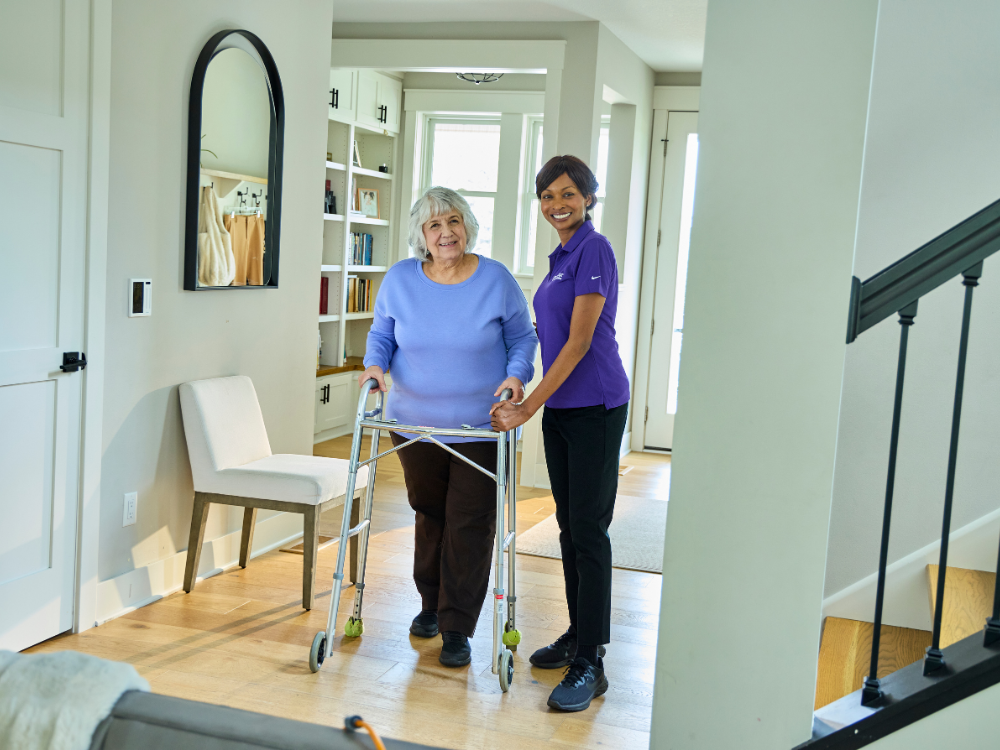
- Promote gentle movement and daily activities
- Accompany older adults to appointments, outings, or community spaces
- Create moments of shared connection that feel natural and respectful
Care coordination may also include identifying local senior programming, community opportunities, or home-based activities that align with personal preferences.
Our goal is to support emotional well-being with the same attentiveness we bring to physical safety and daily living.
If Your Family Is Seeking Support with Social Engagement
We are here to help you explore what support might look like and how to integrate it into daily life in a way that feels natural and comfortable. Every conversation begins with listening — to the older adult, to the family, and to the rhythms already present in the home.
Connection, belonging, and presence are essential parts of well-being.
With the right support, home can remain not only a place of safety —
but a place of meaning, companionship, and life lived fully.