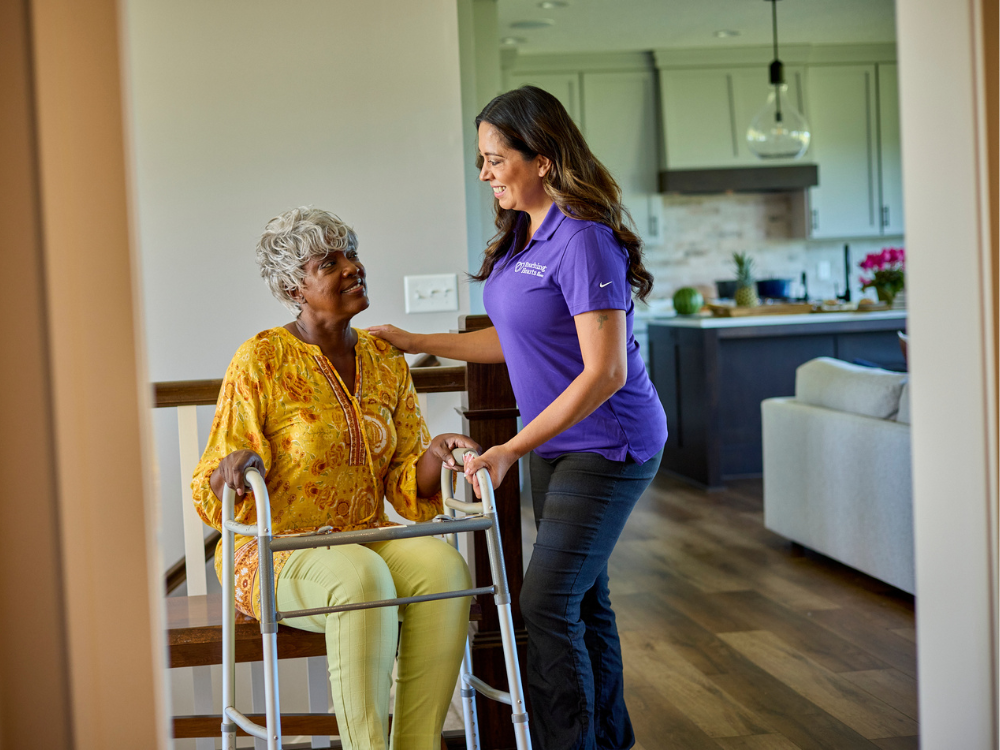
For many families in Sugar Land and Fort Bend County, the idea of aging in place isn’t just a preference — it’s a deeply personal goal. Older adults often want to remain in the homes they love, close to familiar neighborhoods, faith communities, friends, and routines. Families want safety, dignity, and peace of mind, all without rushing into assisted living or facility care before it’s truly necessary.
Aging in place is possible for many older adults in Sugar Land, but it requires thoughtful planning, realistic expectations, and the right support system. This guide explores what aging in place really looks like in our local community — from lifestyle and climate considerations to home safety and how in-home care can support families every step of the way.
What Does Aging in Place Mean?
Aging in place means an older adult continues living in their own home as they age, rather than moving to assisted living or a nursing facility. In Sugar Land, this often means remaining in a long-time family home, a master-planned neighborhood, or a nearby Fort Bend County community they know well.
Aging in place isn’t about doing everything alone. It’s about having the right level of support so daily life remains safe, manageable, and meaningful — even as physical, cognitive, or health needs change.
Why Sugar Land Is Ideal for Aging in Place
Sugar Land offers many advantages that make aging in place more achievable compared to other areas.
A Community Built for Stability
Many Sugar Land neighborhoods feature:
- Quiet streets and sidewalks
- Nearby medical offices and hospitals
- Strong faith-based and civic communities
- Established homes with flexible layouts
These factors allow older adults to maintain independence while staying connected to the people and places that matter most.
Climate Considerations
While Sugar Land’s warm climate is appealing, it also presents challenges for older adults:
- Heat and humidity can increase fall risk and fatigue
- Dehydration and heat sensitivity are more common with age
- Outdoor maintenance becomes harder over time
In-home care helps older adults navigate these challenges by supporting hydration routines, safe mobility, and daily tasks that become more difficult in warmer conditions.
Home Setup: Is the House Ready for Aging in Place?
One of the most important factors in successful aging in place is whether the home environment supports safety and mobility.
Common Home Safety Concerns in Sugar Land Homes
Many homes in Fort Bend County were not originally designed with aging in mind. Families often encounter:
- Stairs without handrails
- Bathrooms without grab bars
- Slippery tile or hardwood floors
- Cluttered walkways
- Poor lighting in hallways or entry points
Simple Adjustments That Make a Big Difference
Aging in place doesn’t always require major renovations. Often, small changes can significantly reduce fall risk:
- Installing grab bars and shower chairs
- Adding night lights in bathrooms and hallways
- Removing loose rugs
- Rearranging furniture for clear walking paths
- Ensuring frequently used items are easily accessible
In-home caregivers can provide safety oversight and supervision, helping families identify risks early and adjust the environment as needs evolve.
Daily Living: Where Families Often Need Support
As older adults age, everyday tasks can slowly become more challenging. Families in Sugar Land often notice subtle changes before a major incident occurs.
Personal Care Support
Personal care is one of the most common reasons families seek in-home care. This may include:
- Hygiene assistance
- Bathing and grooming
- Dressing and toileting support
- Standby and transfer assistance
Professional caregivers are trained to provide this support with dignity and respect, helping older adults maintain confidence and privacy.
Meal Planning and Nutrition
Proper nutrition is critical for aging adults, especially in warm climates like Fort Bend County. In-home care can help with:
- Meal planning and preparation
- Monitoring hydration
- Grocery shopping and errands
- Encouraging regular, balanced meals
This support reduces the risk of weight loss, dehydration, and medication complications.
Companionship and Social Engagement in Sugar Land
Isolation is one of the biggest threats to successful aging in place. Even in active communities like Sugar Land, older adults can become socially disconnected due to:
- Loss of driving ability
- Friends moving away
- Health limitations
- Reduced energy for outings
The Importance of Companionship
In-home caregivers provide more than task support. They offer:
- Conversation and companionship
- Social stimulation and engagement
- Accompaniment to appointments or outings
- Participation in hobbies and activities
These connections help reduce loneliness and support emotional well-being, which is just as important as physical safety.
Supporting Families Through Dementia and Cognitive Change
Dementia and memory loss affect many families in Fort Bend County. Aging in place with cognitive changes is possible, but it requires specialized care and education.
Dementia-Aware In-Home Care
Caregivers trained in dementia care understand:
- How to maintain routines
- How to reduce agitation and confusion
- How to communicate calmly and effectively
- How to ensure safety without removing independence
In-home dementia care allows older adults to remain in familiar surroundings, which often helps reduce anxiety and behavioral challenges.
Post-Hospital and Recovery Support at Home
After a hospital stay, surgery, or illness, many Sugar Land families underestimate how much support is needed at home.
Why Post-Discharge Care Matters
The days and weeks following discharge are critical. In-home care can help with:
- Medication reminders
- Mobility and transfer assistance
- Meal preparation
- Fall avoidance
- Reducing rehospitalization risk
This support allows families to focus on recovery without feeling overwhelmed.
When Is It Time to Add In-Home Care?
Many families wait too long to seek support, often after a fall or health scare. Signs it may be time to explore in-home care include:
- Missed medications
- Difficulty with bathing or dressing
- Increased forgetfulness
- Weight loss or poor nutrition
- Caregiver burnout within the family
Adding care earlier often leads to better outcomes, less stress, and a smoother aging-in-place journey.
Aging in Place Is a Family Effort
Aging in place in Sugar Land isn’t just about the older adult — it’s about the entire family. In-home care provides:
- Peace of mind for adult children
- Consistent support for daily living
- Flexible schedules that adapt as needs change
- A partnership focused on safety, dignity, and quality of life
Families don’t have to choose between independence and support. With the right care plan, both are possible.
How Touching Hearts at Home Supports Aging in Place in Fort Bend County
Touching Hearts at Home is proud to support families throughout Sugar Land and Fort Bend County with compassionate, relationship-driven in-home care.
Our services include:
- Companionship and social engagement
- Personal care and hygiene assistance
- Meal planning and preparation
- Medication reminders
- Standby and transfer assistance
- Dementia care
- Post-discharge and recovery care
- Safety oversight and supervision
- Shopping and errands
- Customized services tailored to each family
Every care plan is built around the individual — not a checklist.
Starting the Aging-in-Place Conversation
If your family is exploring aging in place in Sugar Land, starting the conversation early can make all the difference. Whether you’re planning ahead or responding to a recent change, professional guidance can help you understand your options.
We invite families to connect with their nearest Touching Hearts at Home location to schedule a conversation about support, safety, and next steps.
Aging in place isn’t about doing everything alone — it’s about having the right care, at the right time, in the place that feels like home.