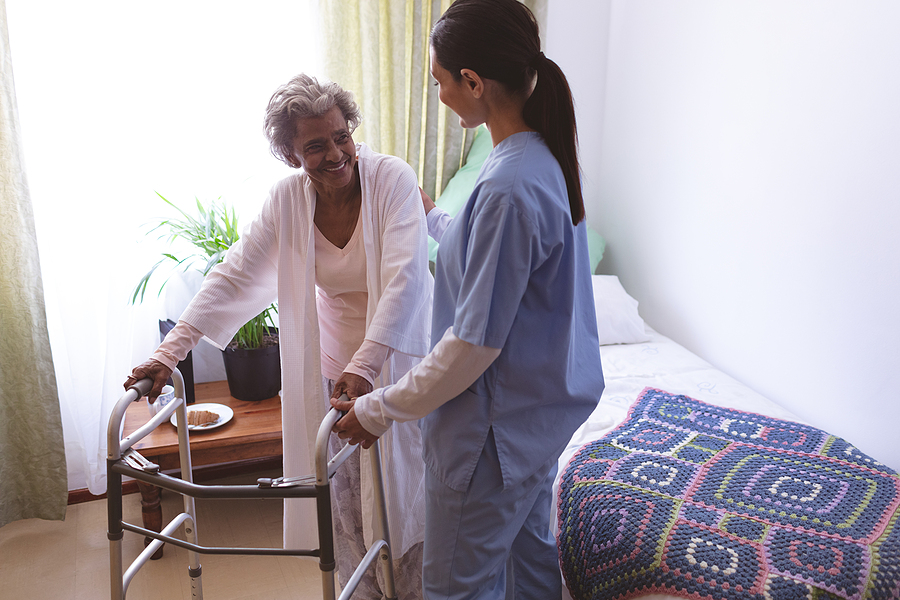
They once served with courage, purpose, and pride. Now, in their later years, many veterans face a quieter but equally challenging battle—loneliness. The transition from military service to civilian life, followed by the changes that come with aging, can leave even the strongest heroes feeling isolated.
Companion care at home offers a meaningful way to honor their service, bringing connection, conversation, and comfort to those who have given so much.
From Service to Support
Veterans are known for their independence and strength. But as the years pass, physical limitations, health conditions, or the loss of peers can make everyday life harder to navigate. Many live alone or far from family, making social connection more difficult to maintain.
Companion care bridges that gap by providing friendly, consistent support in the comfort of home. It allows veterans to maintain their independence while enjoying meaningful interaction each day—someone to share stories with, assist with light tasks, or simply offer presence and understanding. In this way, care becomes more than a service; it becomes a form of gratitude.
Understanding the Emotional Needs of Aging Veterans
For older veterans, the emotional landscape can be complex. Years of discipline and self-reliance can make it difficult to express vulnerability or accept help. Some experience feelings of loss after leaving behind the camaraderie of military life. Others face challenges such as grief, post-traumatic stress, or limited mobility that keep them from staying socially active.
Companion care at home offers a safe and supportive environment where veterans can reconnect with others while feeling respected and understood. Companions provide more than assistance—they offer friendship, patience, and a listening ear, helping veterans find renewed purpose and peace in daily life.
The Power of Connection
At its core, companion care is about building human connection. Companions don’t just perform tasks; they create moments that matter. For senior veterans, that might mean sharing stories of service, looking through old photographs, or reminiscing about military friendships.
These interactions often bring healing and pride, reminding veterans that their contributions are still valued. Companions can also help veterans reengage with their communities—attending veterans’ events, visiting friends, or enjoying hobbies that once brought joy.
Even small rituals—a morning cup of coffee together or an evening walk—help restore routine and balance. Through steady companionship, veterans rediscover connection and belonging.
Combating Loneliness and Isolation
Social isolation is one of the most serious health risks among older adults. For veterans, it can be even more profound. After decades defined by teamwork and structure, the sudden quiet of aging can feel unfamiliar and heavy. Limited mobility, hearing loss, or the death of loved ones often deepen that sense of solitude.
Regular visits from a companion can transform that loneliness into connection. Companions bring warmth and familiarity into the home, offering not only emotional comfort but also encouragement to stay active and engaged. A simple conversation, shared laughter, or a walk outside can brighten an entire day.
These relationships remind veterans that they are not alone—and that their lives continue to hold meaning and purpose.
Supporting Mental and Emotional Health
Companion care at home plays a valuable role in supporting mental wellness for veterans. While it does not replace therapy or medical treatment, the steady presence of a trusted companion can provide comfort and stability.
Veterans who live with anxiety, depression, or post-traumatic stress often find that structured routines and emotional connection help them feel more grounded. Companions can assist with healthy habits—encouraging regular meals, gentle exercise, and social interaction.
By offering patience, empathy, and understanding, companions help reduce stress and create a sense of safety. Over time, these positive connections promote greater emotional balance and resilience.
Encouraging Independence Through Gentle Support
For many veterans, maintaining independence is as important as receiving care. Companion care at home respects that balance by offering support without taking control. Companions assist with everyday tasks such as meal preparation, light housekeeping, errands, and transportation, while encouraging veterans to remain active participants in their routines.
This approach helps veterans preserve autonomy while ensuring safety and comfort. Whether it’s help organizing mail, joining in a favorite hobby, or going to a local event, companionship reinforces confidence and pride. The goal is not to replace independence—but to make it easier to sustain.
The Healing Power of Shared Stories
Veterans have rich, powerful stories to tell—of service, sacrifice, and resilience. Sharing those stories can be deeply therapeutic. Companions often encourage storytelling as part of emotional support, creating space for veterans to reflect on their lives and preserve their memories.
Whether written down, recorded, or simply spoken, these conversations strengthen identity and honor legacy. For many veterans, being heard is healing—it acknowledges their courage and reminds them that their past still inspires others.
Storytelling through companionship helps veterans reconnect with pride in who they are and the lives they’ve lived.
How Families Benefit from Companion Care
Families of veterans often carry deep concern for their loved one’s well-being. They want to ensure safety, social connection, and happiness—but distance, work, and other responsibilities can make daily visits difficult. Companion care provides families with peace of mind, knowing that their loved one has consistent company and emotional support.
This consistency also benefits family caregivers who may feel stretched thin. Having a trusted companion involved allows family members to rest, recharge, and focus on spending quality time together, rather than just managing daily care tasks. It’s a partnership that strengthens both family and veteran alike.
Recognizing When Companionship Might Be Needed
Certain signs can indicate it’s time to consider companion care for a senior veteran:
- Expressing loneliness or withdrawal from social activities
- Forgetting to eat regularly or neglecting personal care
- Loss of interest in hobbies or connections with others
- Frequent confusion, disorientation, or anxiety
Seeking help early can make a significant difference. Companion care doesn’t signal decline—it reflects a family’s desire to enhance life, restore connection, and provide gentle support that keeps veterans thriving at home.
Honoring Their Journey with Compassion
Our nation’s veterans have dedicated their lives to service. Now, in their later years, they deserve care that reflects that same commitment and respect. Companion care at home does exactly that—offering meaningful connection, emotional comfort, and practical assistance that preserves independence and dignity.
Through shared stories, laughter, and kindness, companionship becomes a way to give back—to honor their journey, their sacrifices, and their enduring spirit. It reminds veterans that they are never forgotten and that their courage continues to inspire, one heartfelt connection at a time.
If you or an aging loved one are considering companion care at home in Greenwich County, NY, please contact the caring staff at Touching Hearts at Home – Manhattan, Brooklyn, Westchester, Queens, Rockland today. 646-480-6266