
09.11.2026
Understanding the Risks of Nighttime Falls
For families with a loved one who wants to age in place, few concerns weigh more heavily than the risk…

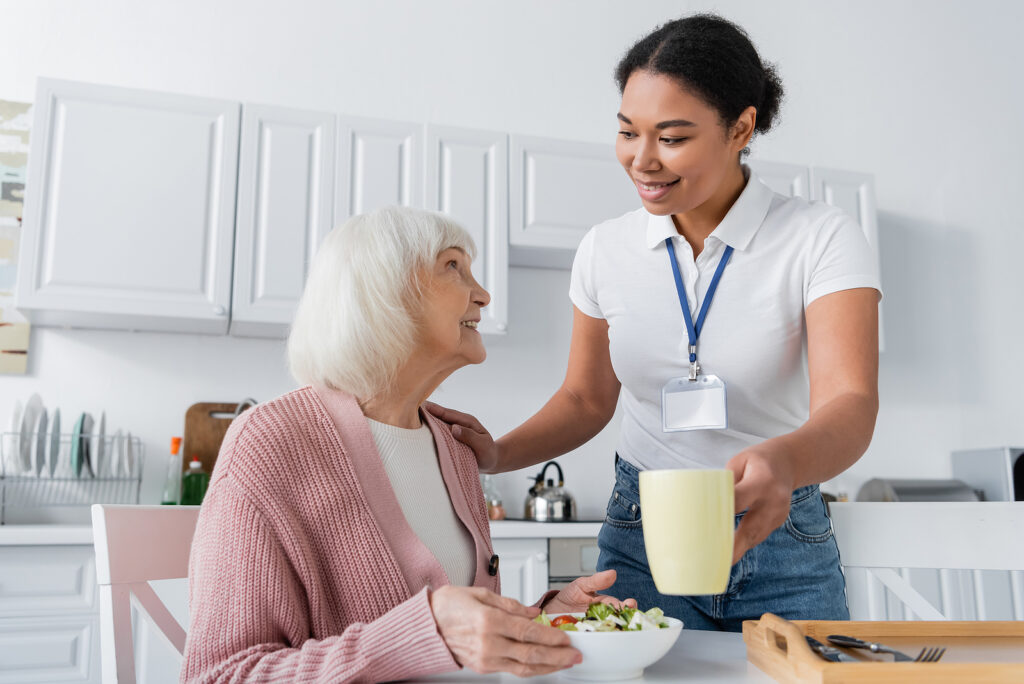
Staying hydrated is important at every age, but it becomes especially important for older adults. As seniors age, they may be more vulnerable to dehydration due to changes in thirst signals, medications, mobility challenges, chronic health conditions, or difficulty preparing drinks throughout the day. Something as simple as not drinking enough water can affect energy, mood, digestion, memory, balance, and overall well-being.
For families, hydration can be easy to overlook. A loved one may say they are not thirsty, forget to drink, or avoid fluids because they worry about needing help getting to the bathroom. Over time, these habits can increase the risk of dehydration and related health concerns. Personal care at home can provide the daily support seniors need to maintain healthy routines, including regular hydration.
Older adults often experience a reduced sense of thirst. This means a senior may not feel thirsty even when their body needs fluids. Some medications can also increase fluid loss, while certain health conditions may make hydration more complicated.
Mobility challenges can create another barrier. If getting to the kitchen is difficult or a senior is afraid of falling, they may drink less simply because accessing water is inconvenient. Others may intentionally limit fluids to reduce trips to the bathroom, especially if they need help with toileting or have bladder concerns.
These challenges do not always seem serious at first, but dehydration can develop gradually and affect daily functioning.
Families should watch for changes that may suggest dehydration. These signs can include:
Because some symptoms can resemble other health concerns, families should contact a healthcare provider if they notice sudden or concerning changes.
Proper hydration helps the body function well. It supports digestion, circulation, temperature regulation, joint comfort, and kidney function. For seniors, drinking enough fluids can also help reduce the risk of constipation, urinary tract infections, dizziness, and fatigue.
Hydration may also support clearer thinking and better mood. Even mild dehydration can make a senior feel sluggish, confused, or less steady on their feet. When seniors stay hydrated, they may have more energy and feel more comfortable throughout the day.
Personal care at home helps seniors with everyday routines that support safety, comfort, and independence. While many people think of personal care as help with bathing, dressing, grooming, and toileting, it can also include important wellness reminders throughout the day.
Caregivers can encourage hydration by offering drinks regularly, preparing water within easy reach, serving hydrating foods, and noticing changes in intake. They can also help seniors feel more comfortable drinking fluids by providing toileting assistance when needed.
This type of support can be especially helpful for seniors who live alone, have memory challenges, or struggle with mobility.
Not every senior enjoys drinking plain water. Caregivers and families can make hydration more appealing by offering a variety of options, such as flavored water, herbal tea, broth, smoothies, or fruits with high water content.
Hydrating foods may include watermelon, oranges, berries, cucumbers, tomatoes, soups, and applesauce. These foods can help add fluids while also supporting nutrition.
Small changes can make a big difference. Keeping a favorite cup nearby, offering drinks with meals, and creating a simple hydration schedule can help seniors drink more consistently.
Many seniors want to remain independent and may resist being told what to do. Personal care at home can provide support in a respectful, encouraging way. Instead of pressuring a senior to drink, caregivers can offer choices and gentle prompts.
For example, a caregiver might say, “Would you like water or iced tea with lunch?” or “Let’s have a drink before we go for our walk.” This approach preserves dignity while helping the senior stay on track.
Hydration often connects closely with other daily care needs. A senior who avoids drinking because toileting is difficult may benefit from assistance with bathroom routines. Someone who forgets to drink may need reminders built into meals, medication schedules, or activity times.
Personal care at home helps create a reliable routine that supports the whole person. Caregivers can assist with mobility, meal preparation, hygiene, toileting, and hydration in a way that feels natural and consistent.
Families often worry about whether their loved one is eating well, drinking enough, and staying safe throughout the day. Professional support can provide reassurance. Caregivers can observe daily habits, encourage healthy routines, and alert families if they notice changes that may need attention.
This steady presence can be especially valuable when family members cannot visit every day or when a senior’s needs are increasing.
Hydration may seem like a small part of daily care, but it can have a major impact on a senior’s comfort, safety, and quality of life. With the right support, seniors can build healthier routines that help them feel better and remain more independent.
Personal care at home provides compassionate assistance with the everyday tasks that matter most, including hydration, grooming, meals, mobility, and toileting. By supporting these daily routines, caregivers help seniors age in place with greater confidence, dignity, and well-being.
If you or an aging loved one is considering personal care at home in New York City, NY, please contact the caring staff at Touching Hearts at Home – Manhattan, Brooklyn, Westchester, Queens, Rockland today: 646-480-6266.
For families with a loved one who wants to age in place, few concerns weigh more heavily than the risk…
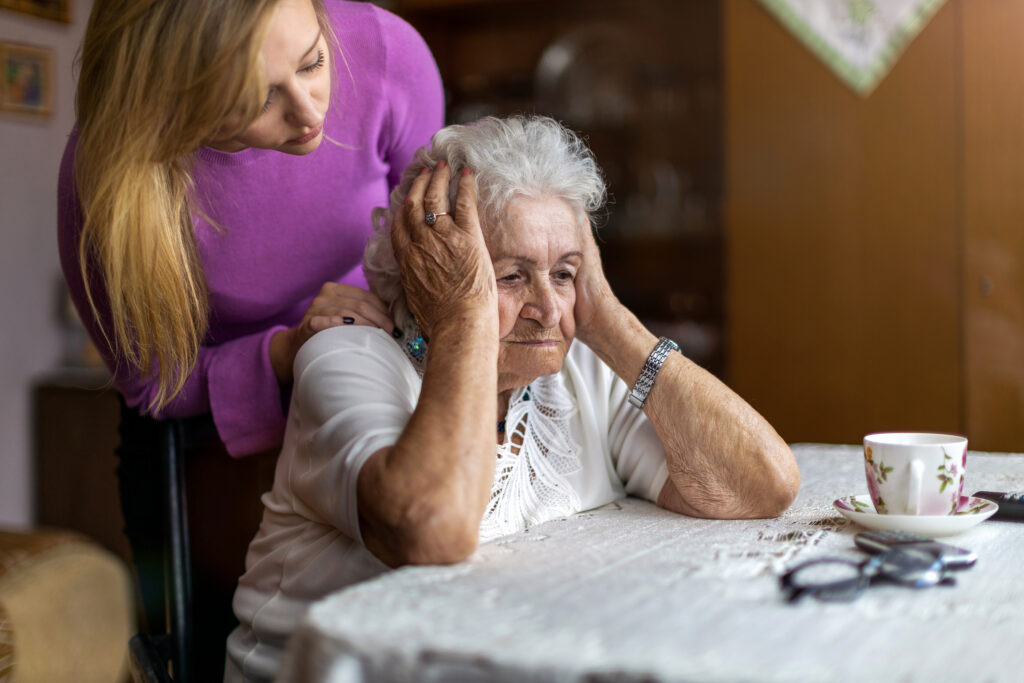
Home Care Assistance in Manhattan NY: Stress and diabetes are more closely linked than seniors sometimes realize. Learn how home…
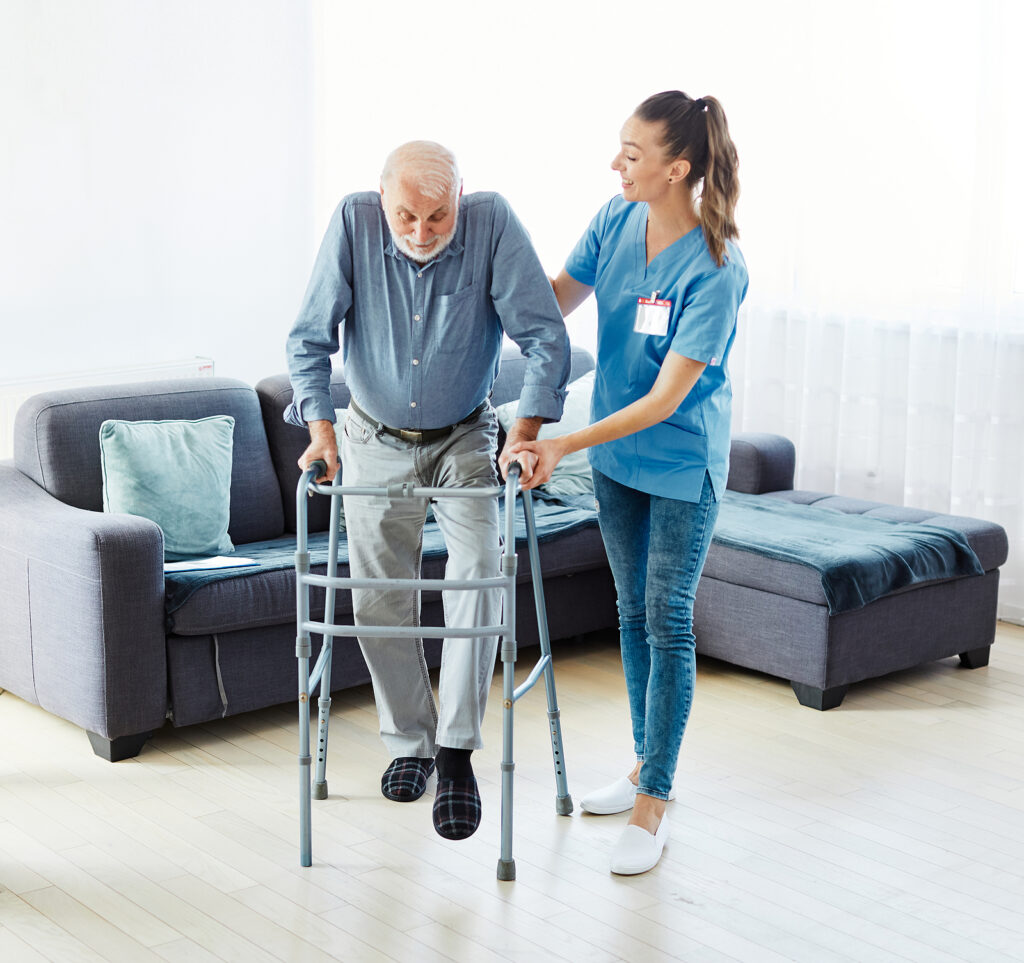
As summer winds down and families settle back into familiar schedules, many adult children notice something about an aging parent…