The Sandwich Generation: Caring for Kids and Aging Parents
Many adults today are part of the sandwich generation. What is the sandwich generation exactly? The term generally applies to people in their 40s and 50s who are raising children while also helping care for aging parents. In Norfolk County and the South Shore, about 1 in 6 residents are age 65 or older. Nearly 1 in 4 adults ages 45–64 is helping care for an aging parent. Many of these same adults are still raising children or supporting young adult kids. They are literally “sandwiched” between two generations, hence the name.
While being that caregiver can certainly be rewarding, it can also be exhausting. Between work, family responsibilities, and checking in on an older parent, many people feel stretched thin. Because of this, many people in the sandwich generation are feeling burnt out and in need of respite care.
The Challenge Families Face
As parents age, everyday tasks can become harder. Things like getting to doctor’s appointments, preparing meals, keeping up with the house, remembering medications, and generally staying safe at home become more challenging. Adult children often step in to help in some way shape, or form. Typically, they are managing their own careers, family commitments, social obligations, and their own self-care. Over time, the stress adds up.
You Don’t Have to Do This Alone
Families caring for aging parents don’t have to navigate everything alone. Many communities offer helpful resources beyond home care, including local Councils on Aging and senior centers help families connect with senior services. In Massachusetts, Aging Service Access Points (ASAPs) like Old Colony Elder Services and HESSCO Elder Services help families explore options such as meal programs, caregiver support, and care planning. There are also caregiver support groups, transportation services, adult day programs, and elder law attorneys who can help families navigate the aging process. These resources often work together to create a stronger support system for both seniors and their families.
How Home Care Can Help
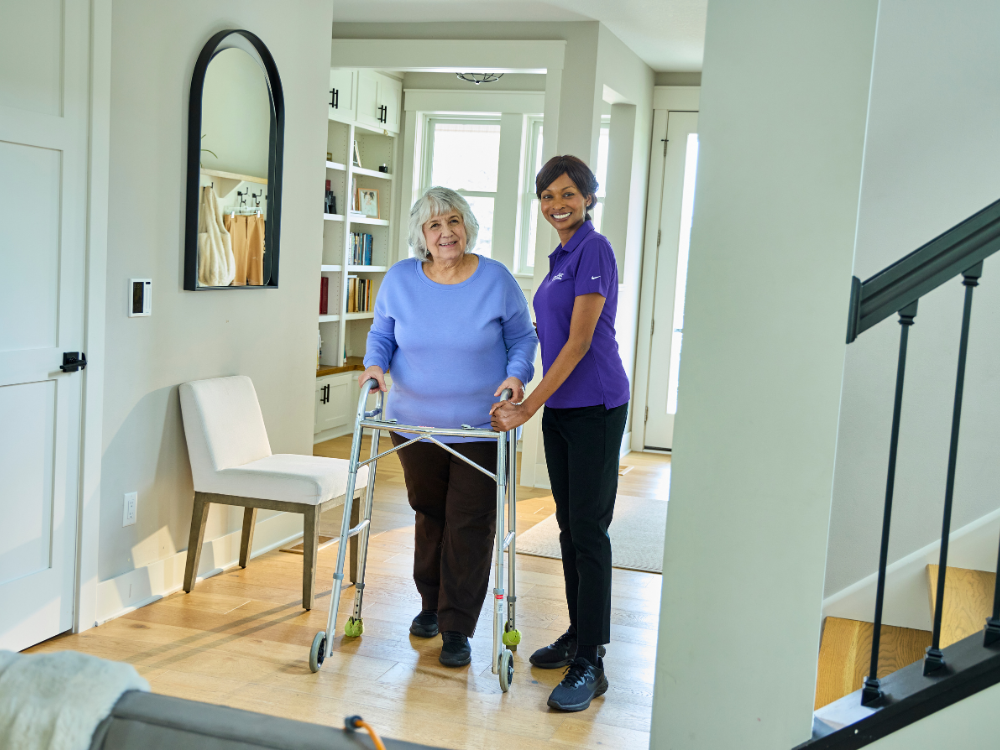
Home care for seniors helps families share responsibility. Professional caregivers can assist with meals, light housekeeping, transportation, companionship, and personal care (toileting, showering, grooming, etc.). Having regular support also helps reduce common risks for older adults like falls, missed medications, poor nutrition, and isolation. Just as important, it gives family caregivers some breathing room (what is commonly referred to as respite care)