“\n
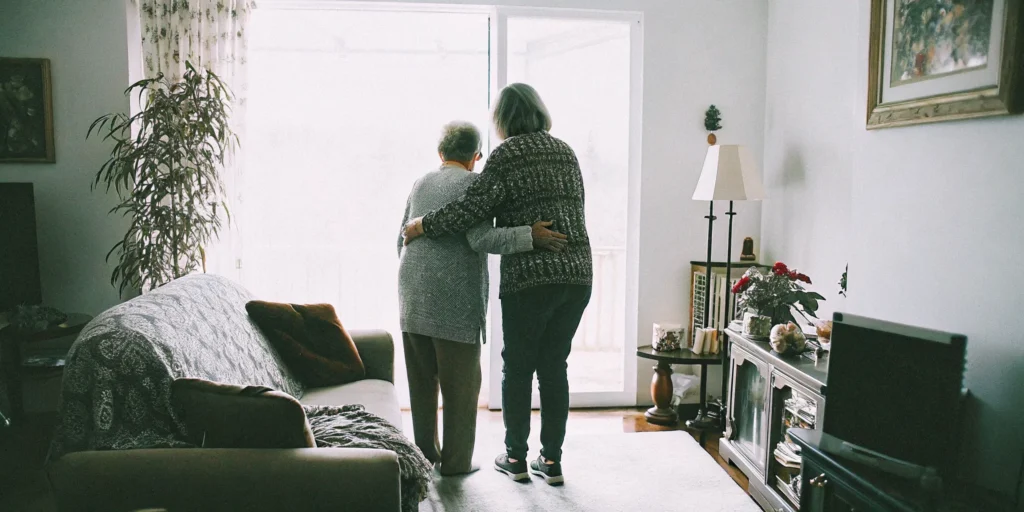
A single fall can suddenly disrupt a senior’s independence and change their entire life. Safe aging in place requires proactive home support to protect both physical health and peace of mind.
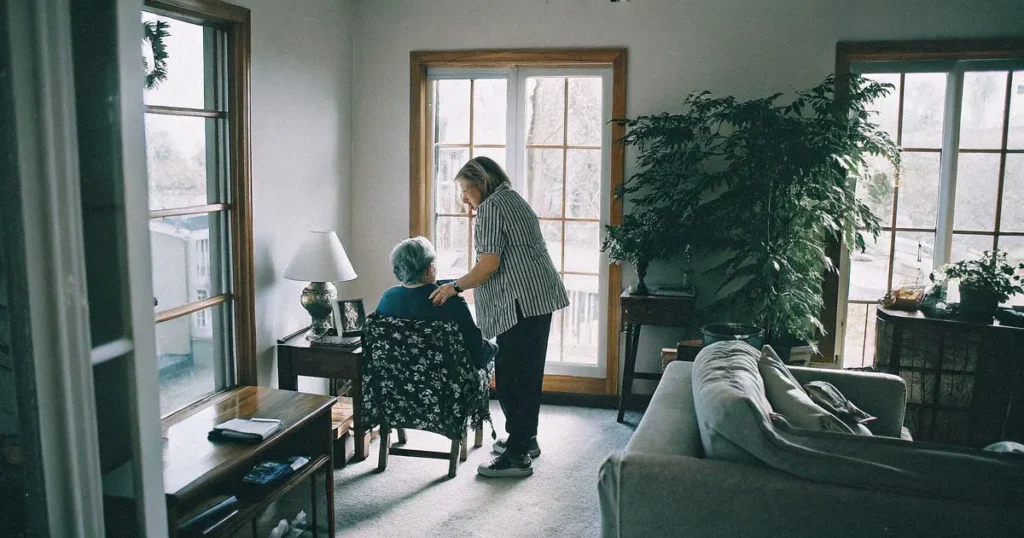
Understanding how in-home care improves quality of life for seniors starts with looking at daily safety and mobility. Professional caregivers help seniors stay independent by identifying home hazards and assisting with walking, transfers, and daily chores. According to a national survey by AARP, 75 percent of adults aged 50 and older want to remain in their current homes as they age. In-home care makes this possible by combining physical assistance with vital social companionship. Having dedicated help reduces the risk of dangerous falls and prevents the loneliness that often harms mental health. This personal care gives families peace of mind and allows seniors to thrive in the comfort of their own homes.
Schedule your free in-home consultation today to learn how professional caregivers can help your loved one stay safe and independent.
Protecting a loved one from injury begins with understanding how professional support preserves their freedom. If you want to know how in-home care improves quality of life for seniors, the journey starts with physical wellness and home safety. Here is how specialized support helps your family.
How Does In-Home Care Directly Improve Quality of Life for Seniors?
Aging brings changes that can make daily life feel difficult or unsafe. For many older adults, a decline in strength or a fear of falling can lead to less activity and more time alone. Professional care at home addresses these issues by focusing on three main areas: physical safety, mental health, and personal freedom. This proactive approach ensures that seniors do not just get by, but truly live well in their own homes. In-home caregivers provide consistent support that adapts to each senior’s changing needs, helping them maintain independence longer while reducing the risks that come with living alone.
A Safe Way to Age in Place
Most older adults wish to remain in their homes as they grow older. A study by the AARP shows that 75 percent of adults aged 50 and older want to stay in their current homes. Making this choice work requires a safe home setup. Professional caregivers help by looking for home hazards and helping with daily tasks that have become hard to manage. With the right support, seniors can maintain their daily routines while avoiding the risks that come with living alone.
Support for Mind and Body
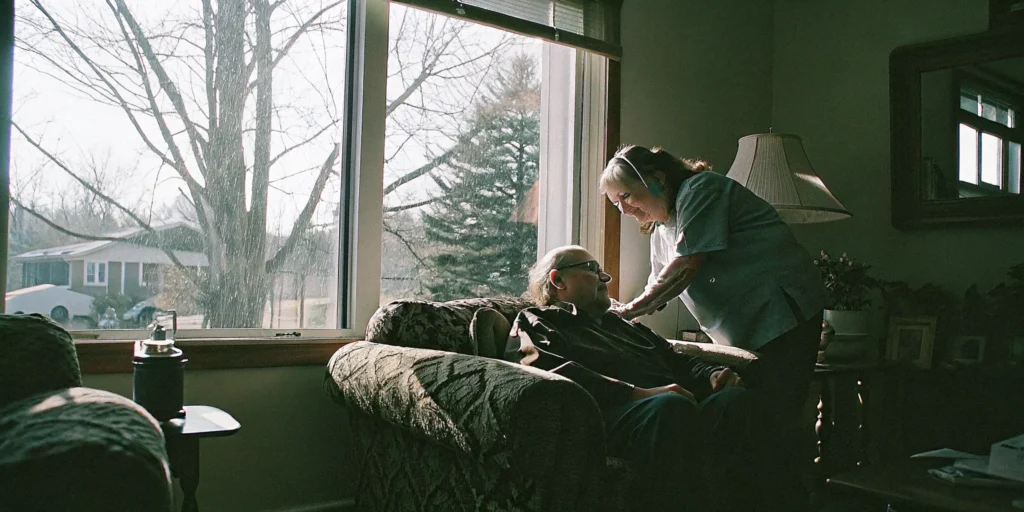
Physical safety is only one part of well-being. True health also includes mental and emotional peace. Regular companionship from a trusted caregiver helps reduce the pain of loneliness and isolation. Caregivers build real relationships with clients by sharing meals, playing games, or chatting about the day. This strong social link has a big impact on mental health. It gives seniors a sense of purpose and something to look forward to each week. Many families find that companion care services provide the social connection seniors need to stay engaged and happy.
RN Oversight for Peace of Mind
To keep quality of life high, care plans must be precise and match each person’s exact needs. This is where clinical oversight makes a big difference. Touching Hearts at Home uses registered nurses (RNs) to supervise care plans. Our nurse managers perform a detailed initial assessment to find any safety risks, as recommended by the Centers for Disease Control and Prevention (CDC). This expert review helps us design a plan that matches your loved one’s physical needs and social preferences. It also gives families confidence that their parent has the right level of support. Our goal is to help seniors stay independent while maintaining independence and quality of life in the comfort of home.
Why Is Fall Prevention the Foundation of Safe Independent Living?
Falls are the leading cause of injury for older adults. For seniors living at home, a single fall can change their lives. It can reduce their movement and harm their self-confidence. This is why keeping seniors safe from falls is the first step toward a good life. Professional in-home caregivers reduce fall risk by spotting hazards, improving home safety, and providing steady physical support that helps seniors move with confidence every day.
Finding and Fixing Home Hazards
Most senior falls happen right inside the home. Everyday things like loose rugs, poor lighting, and low toilet seats can be major risks. According to a study from the Centers for Disease Control and Prevention (CDC), in-home care aides are the first line of defense in finding safety hazards in private homes. These aides work with nurse managers to coach seniors and families. In fact, CDC research shows that 63 percent of seniors implement safety improvements in their homes when they get this expert coaching. Taking these simple steps keeps the home safe and supports long-term independence. To learn more about the full range of support available, explore our comprehensive senior home care services in Aurora.
The Value of Proactive Support
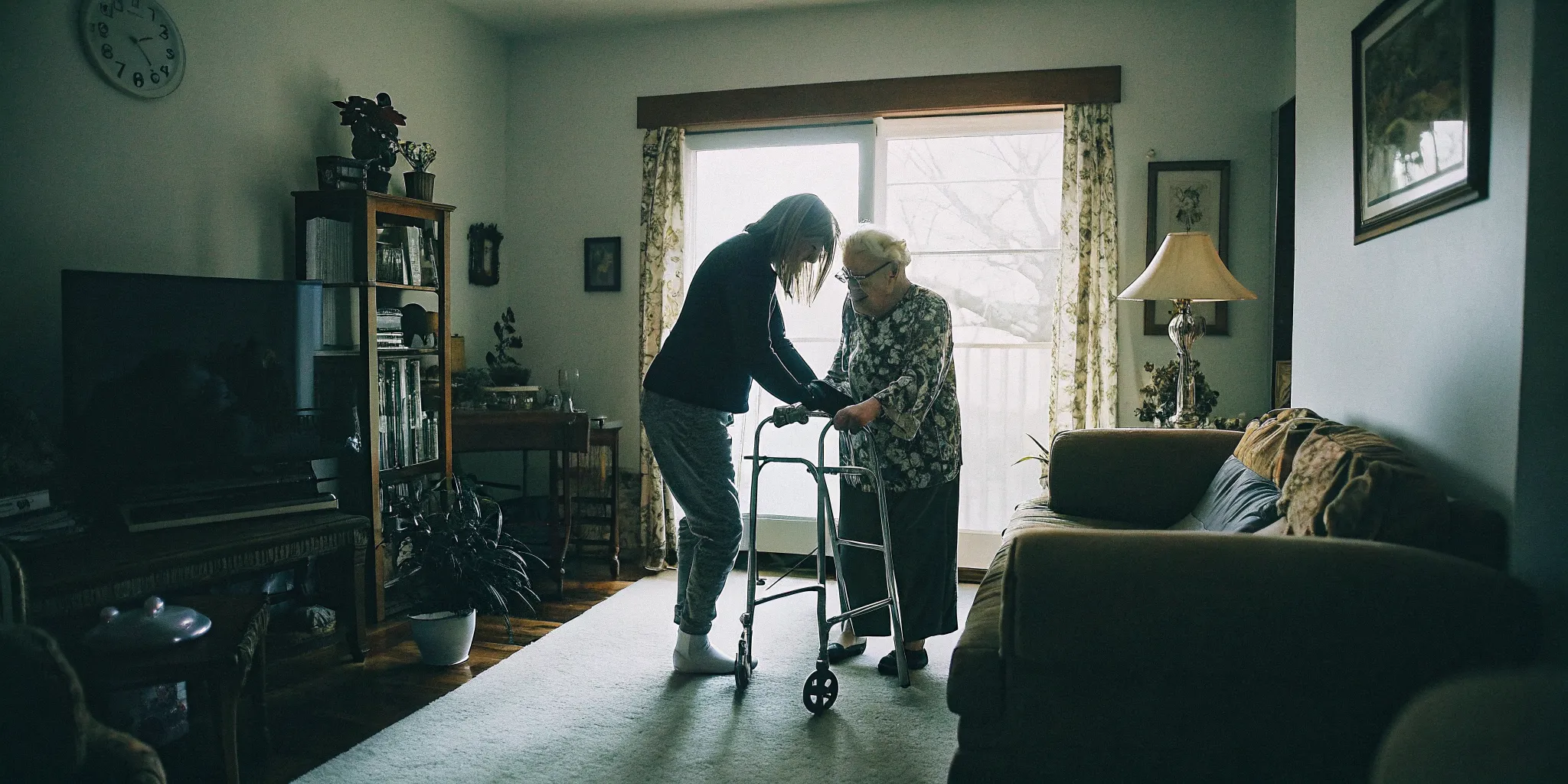
In-home care does more than just point out safety risks. Caregivers give active, hands-on help when seniors stand, walk, or transfer from a bed to a chair. This constant help makes seniors feel secure. They can move around their homes without fear. When seniors have reliable help, they can keep their daily habits. This hands-on help also gives peace of mind to family members, who no longer have to worry about sudden falls. The table below shows how professional care changes the safety of a senior living at home.
| Care Area |
Aging at Home Without Support |
Aging at Home with In-Home Care |
| Fall Risk |
High due to unseen home safety hazards. |
Low with regular home safety checks and help. |
| Mobility |
Seniors stay seated out of fear of falling. |
Seniors stay active with safe transfer help. |
| Isolation |
High when fear of falling keeps seniors inside. |
Low with companionship and social outings. |
| Nutrition |
Poor when meal preparation is too hard. |
Good with fresh, cooked meals and help. |
| Medications |
High risk of missed doses or mistakes. |
Safe with regular reminders from caregivers. |
How Does Professional Caregiver Support Enhance Physical Mobility?
Staying active and moving safely is key to senior health. Professional care helps older adults maintain their strength and walk with confidence with one-on-one guidance. When a senior has dedicated support, they can safely do daily tasks and keep their freedom. Caregivers use proven techniques to help seniors build strength gradually, which reduces fall risk and improves overall physical confidence.
Safe Support for Daily Movement
A professional caregiver knows how to help seniors move without risk. They use proven methods to support balance and build strength in daily life. Research shows that home programs that combine strength and balance exercises help reduce fall risks for older adults who live at home, as noted by the Centers for Disease Control and Prevention (CDC). Caregivers help seniors practice these safe movements every day. For seniors needing more intensive help with bathing, dressing, and transfers, our personal care services offer trained hands-on support.
This daily support also guides seniors in how in-home care improves quality of life for seniors. By assisting with small movements and daily walks, caregivers make sure seniors do not lose their physical skills. This proactive care keeps seniors moving longer and helps them stay in the homes they love.
Five Steps to Better Senior Mobility
Professional caregivers use a clear, step-by-step approach to keep seniors moving safely. These steps build physical confidence and protect seniors from injury:
- Safe Transfer Assistance: Caregivers help seniors move from beds to chairs or use the restroom using proper body mechanics. This stops sudden slips and reduces strain on senior joints.
- Guided Walking Support: Caregivers walk alongside seniors who use canes or walkers. They stay close to provide support if the senior loses their balance or gets tired.
- Daily Active Routines: Caregivers encourage light daily movement like stretching or walking to the mailbox. These small habits help keep muscles strong and joints flexible.
- Posture and Positioning: Helping seniors sit and stand with good posture keeps their balance centered. Caregivers make sure chairs and beds are at safe heights.
- Monitoring and Fall Recovery: If a senior has a fall, a trained caregiver knows how to assist safely. They watch for early changes in walking habits to stop future falls.
Working Together for Stronger Habits
Getting seniors to change their habits or use walking tools can be hard. Many older adults resist home safety changes or do not want to use a walker. According to a CDC study on home care safety, clients who resist safety changes often have more hazards in their homes. Professional caregivers use gentle encouragement to help seniors accept new tools and safety habits. Light housekeeping support also helps reduce clutter and trip hazards that make walking unsafe.
By building a warm relationship, caregivers help seniors see mobility tools as a way to stay independent, not as a loss of freedom. This positive support makes daily exercises fun and helpful. Over time, these small habits build real physical strength and keep seniors safe.
Emotional Wellbeing and Social Connection in Senior Care
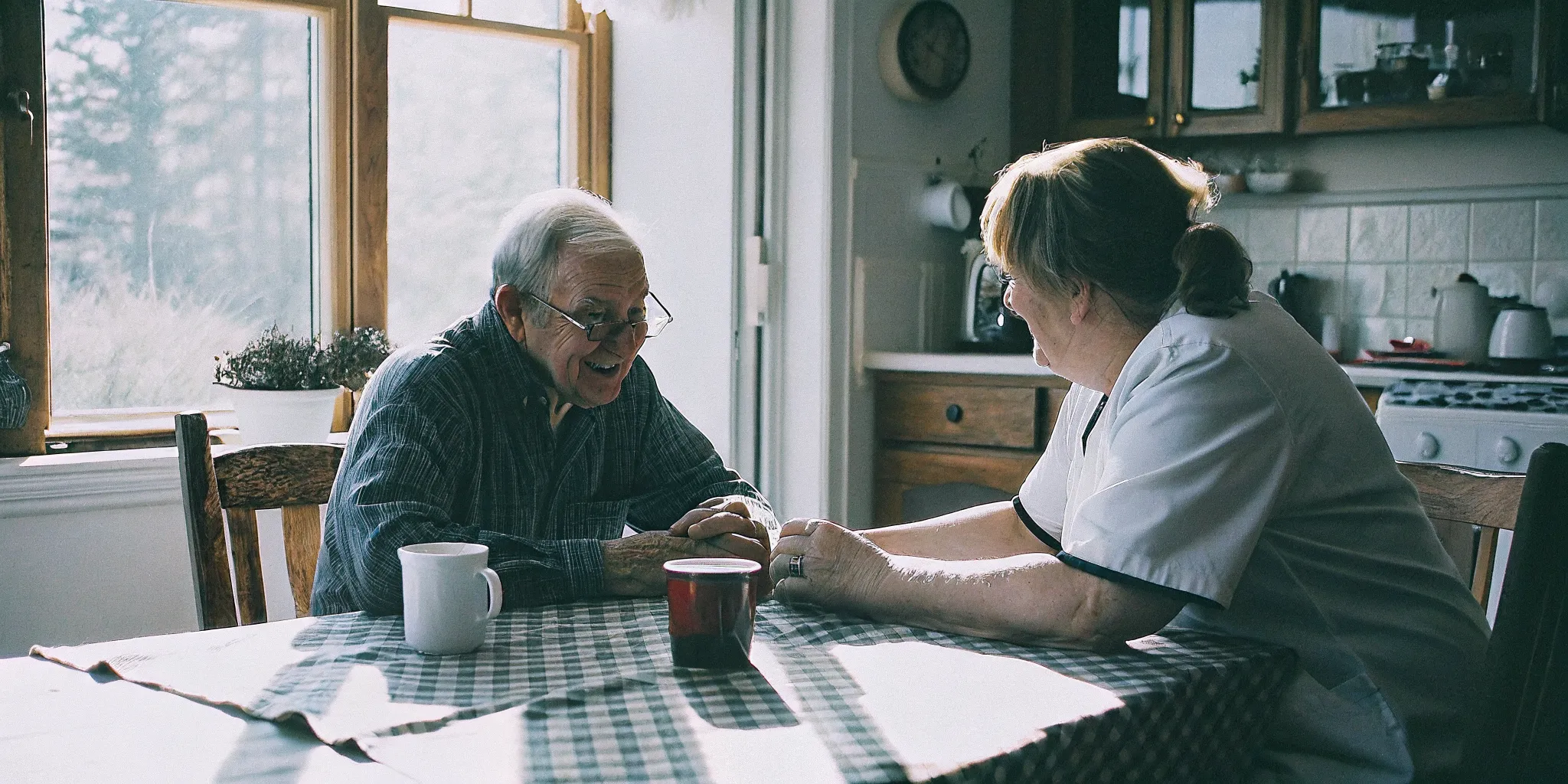
Social health is just as important as physical safety when we think about how our older family members age. For many older adults, staying at home can lead to quiet days with very little human contact. Research from the National Institutes of Health (NIH) shows that nearly one-quarter of community-dwelling adults aged 65 and older are socially isolated. This lack of deep human contact can lead to serious mental health struggles, including a much higher risk of depression and cognitive decline. Consistent social interaction from a caregiver helps counter these risks and keeps seniors mentally sharp.
Combating Senior Isolation with Companion Care
Professional companionship is a highly effective way to reduce loneliness and improve mental well-being in older adults. At Touching Hearts at Home, we do not just run errands or tidy up the kitchen. We focus on building real, deep friendships that give older adults a reason to smile each day. Our caregivers spend time talking with clients, playing card games, working on crafts, or looking through old family photo albums. These simple but deep daily habits play a major role in aging in place comfortably, keeping minds active and spirits high.
Matching Caregivers Based on Shared Interests
We know that a good relationship cannot be forced, which is why we match caregivers and clients based on personality and common interests. If a senior loves gardening, classic movies, or baking, we find a caregiver who shares those same passions. This careful matching process turns routine senior care visits into moments that both people truly look forward to each week. When a caregiver and client share a real bond, the client is much more likely to stay active and engaged in their own life and community.
Reducing the Burden on Adult Children
When older family members get the social support they need from a caregiver, it also helps the whole family. Many adult children try to balance their own busy lives and careers while managing care for their parents, which can cause massive stress. Reliable in-home support reduces the physical and emotional load on family caregivers so they can rest easy. Instead of spending every visit managing chores and medication schedules, adult children can simply enjoy being sons and daughters again. This shift improves family dynamics and brings peace of mind to everyone involved.
Adapting Support to Changing Emotional Needs
Emotional and physical needs do not stay the same over time, so our care plans are designed to evolve with each client. A senior might start with just a few hours of friendly visits each week but may later need more support to handle new health challenges. Our caregivers are trained to watch for subtle changes in mood, memory, or physical ability. Because we adjust our care as things change, we make sure that our clients always have the right level of support to live with comfort and dignity.
Personalized Care Plans That Evolve With Your Loved One’s Needs
As seniors age, their care needs rarely stay the same. A senior might start with simple companionship but later need help with daily tasks or chronic conditions. Proactive care planning ensures that support changes before a safety crisis occurs. By adjusting support over time, families can see that improving quality of life for seniors is a long-term journey rather than a quick fix. The most effective care plans combine regular assessments with flexible services that grow alongside the senior’s changing health.
How Nurses Help Create Better Care Plans
Professional home care starts with a deep look at a senior’s daily life. At Touching Hearts at Home Aurora, a registered nurse (RN) oversees this initial step. The nurse manager spends up to 90 minutes assessing safety risks and physical needs in the home. They check the home for fall hazards, review medications, discuss daily habits, and learn about the senior’s personality and preferences. Research shows that having nurse managers involved in the initial needs assessment leads to higher rates of safety improvements in the client’s home. Helping to prevent falls before they happen. You can read about this study on the CDC website. For families facing memory-related challenges, our Alzheimer’s and dementia care program provides specialized support from trained caregivers.
This clinical oversight is what sets Touching Hearts apart from basic companion services. The RN does not just create a plan and walk away. They stay involved, monitoring changes and coordinating with doctors when a senior’s condition shifts. This bridge between non-medical home care and the healthcare system means early detection of health changes before they become emergencies.
A Living Document for Evolving Care Needs
A good care plan is a living document, not a static piece of paper. As a senior’s physical or mental health shifts, the plan must adapt. Our RN-led team performs regular safety checks and reviews. If a caregiver notices new signs of weakness or cognitive changes, we update the plan. This proactive model keeps seniors safe because the care shifts from light companion support to 24/7 care as needs change. Our private nursing services offer an additional layer of clinical support for seniors with complex medical needs.
For example, a senior recovering from hip surgery might need intensive mobility assistance for six weeks, then transition back to companionship with medication reminders. Someone in early-stage dementia might start with meal preparation and supervision, gradually needing full personal care and wandering prevention. The care plan keeps pace with these changes so the senior never goes without the right level of support.
Supporting Families Through Smooth Care Transitions
Watching a parent’s health decline is hard for adult children. Many families wait too long to get help, reacting only after a serious fall. In-home care offers a proactive way to manage chronic conditions like diabetes, heart disease, or COPD. Caregivers help seniors stay on track with their doctor’s recommendations while the RN coordinates care. This reliable support reduces the physical and emotional burden on family caregivers. It allows adult children to step back from being full-time nurses and focus on being supportive sons or daughters. This change improves the family dynamic and lifts emotional well-being for everyone involved. For those just starting to explore their options, our FAQ page answers common questions about how in-home care works.
Frequently Asked Questions
How does in-home care improve the quality of life for seniors?
Professional care supports daily tasks, safety, and companion needs in the comfort of home. According to the CDC, regular safety checks reduce home hazards like loose rugs or poor lighting that lead to falls. This proactive help preserves active routines and gives seniors peace of mind.
How does in-home care help manage chronic health conditions?
In-home caregivers help seniors follow daily routines, prepare nutritious meals, and keep up with medication habits. A study in a CDC archive shows that integrating small strength and balance habits into daily life at home is highly sustainable. This support helps manage ongoing issues safely.
How does in-home care combat social isolation in seniors?
Caregivers offer regular companionship and assist seniors with social outings and community events. According to the AARP, most older adults want to remain in their homes as they age. Having a trusted companion reduces loneliness and improves emotional well-being without requiring a move to a facility.
Why do most seniors prefer in-home care over facility care?
Aging in place allows older adults to keep their independence in a familiar space. Research in a CDC report indicates that professional home safety coaching helps clients find and fix hazards. This care lets seniors live safely on their own terms where they feel most comfortable.
Ready To Help Your Loved One Thrive At Home?
Fall prevention and mobility support are vital, but having a trusted partner makes all the difference. At Touching Hearts at Home Aurora, our RN-supervised caregivers provide personalized in-home care that helps seniors stay safe, active, and connected in the comfort of their own homes. Whether your loved one needs companionship a few hours a week or around-the-clock support, we create a care plan that fits their unique needs.
Your family’s peace of mind starts with one conversation. Schedule your free in-home consultation or call us at (303) 718-6438 to learn how in-home care improves quality of life for seniors in Aurora, Parker, and Castle Rock.
“