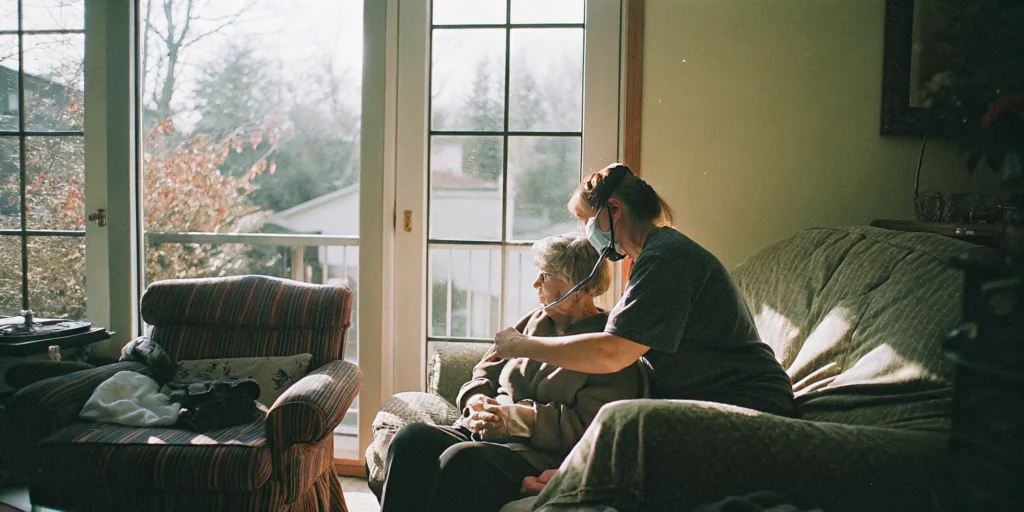
Living at 5,400 feet makes every breath more work for seniors with chronic lung conditions. In Aurora, thin air and dry winds turn simple daily tasks into major physical hurdles. Professional in-home care provides the daily relief needed to manage these respiratory challenges safely.
How in-home care supports seniors with asthma or copd is a vital topic for Aurora families who want to maintain high respiratory health and safety. Professional caregivers provide vital daily help by removing common indoor triggers like dust and pet dander through light housekeeping and making sure inhalers are used. By helping seniors drink enough water to keep lung mucus thin, caregivers follow essential advice from the U.S. National Library of Medicine about managing lung health. They also monitor local air quality and watch for signs of breathing trouble that can be common in Colorado’s high altitude. This focused support allows seniors to live more comfortably while ensuring they stay safe and healthy in their own homes every day.
Managing these conditions starts with a clear look at how the body changes as we get older. You can learn more about these changes in the section below, Understanding COPD and Asthma: How Aging Affects Respiratory Health. The path begins with a focus on how aging impacts your lungs and air passages.
How In-Home Care Supports Seniors With Asthma or COPD: Understanding the Respiratory Challenges
Chronic Obstructive Pulmonary Disease (COPD) and asthma are two common breathing issues for older adults. COPD is a lung disease that blocks airflow, while asthma causes the airways to swell and narrow. For seniors, these issues often become more complex as the lungs naturally change with age. Lung tissue loses its stretch over time, and the muscles that support breathing can grow weaker. These changes make it harder for the body to move air, which increases the risk of serious health problems.
The Impact of Aging Lungs
As we get older, our lungs become more prone to germs and dust. The American Lung Association notes that seniors often have a weaker cough. This makes it hard to clear mucus from the lungs. This buildup can lead to infections and make chronic diseases worse. For those in high areas like Aurora, Colorado, the thin air at 5,400 feet puts extra stress on the heart and lungs. This can make daily tasks feel much harder for seniors who need personal care assistance or help at home.
Vital Statistics for Seniors
Lung health is a major concern for millions of people today. Data from the Centers for Disease Control and Prevention (CDC) shows that COPD affects about 16 million people in the country. Also, asthma impacts about 7 million adults who are 65 years old or older. Many seniors do not know they have these issues until they begin to lose their independence. Finding the early signs of breathing trouble is the first step toward getting the right support and improving quality of life.
Common Symptoms to Watch
Knowing the signs of breathing trouble helps families find the best care for their loved ones.
Common symptoms of COPD and asthma in seniors include shortness of breath during mild activity, a chronic cough with mucus, wheezing, low energy, and frequent chest infections. Recognizing these early signs helps families take action before a minor issue becomes a crisis.
- Shortness of breath during mild activity
- A cough that lasts a long time and makes mucus
- Wheezing or a whistling sound while breathing
- Feeling tired or having low energy
- Frequent chest infections or colds
How in-home care supports seniors with asthma or copd addresses these challenges by providing a safe and clean home environment. Professional caregivers can help check these signs and assist with daily needs to reduce the physical load on the lungs.
How In-Home Care Supports Daily Respiratory Management
Managing lung health takes a steady routine and careful focus. For seniors with chronic lung issues, small tasks can feel like a heavy lift. Professional caregivers help by taking over physical work and tracking health trends. This help makes it easier for seniors to follow their care plans and stay out of the hospital.
Comparison: Managing Alone vs. With In-Home Care
| Daily Activity |
Managing Alone |
With In-Home Care Support |
| Medication schedule |
High risk of missed doses, leading to exacerbations |
Consistent reminders for inhalers and oral medications |
| Housework and cleaning |
Physical strain triggers breathlessness and fatigue |
Caregiver handles chores, conserving energy for breathing |
| Meal preparation |
Skipped meals or unhealthy choices due to exhaustion |
Nutritious, small meals prepared with hydration support |
| Symptom monitoring |
Changes may go unnoticed until an emergency |
Daily observation with family and RN communication |
| Medical appointments |
Dependence on family members for transportation |
Reliable rides to pulmonologist visits and therapy sessions |
Medication and oxygen support
Staying on a schedule is key to control when living with asthma or COPD. Caregivers give timely reminders for inhalers, pills, and treatments to prevent missed doses. This help is vital because regular medicine use lowers the risk of sudden flare-ups. Caregivers also help with oxygen tools by making sure tubes are clear and tanks are full.
Keeping lungs clear also takes plenty of water. Proper fluid intake helps thin the mucus in your lungs so you can cough it up more easily, according to MedlinePlus. Caregivers help by making drinks and tracking daily water use for the senior.
Energy conservation and chores
Seniors with breathing issues often tire fast from daily chores. In-home care helps by doing light cleaning, laundry, and meal prep. By letting a helper do the hard work, seniors can save their energy for breathing and light movement. This balance helps cut the shortness of breath caused by physical strain.
Nutrition and RN oversight
Food also plays a part in how well a senior breathes. Small, frequent meals are often better than large ones because a full stomach can press against the lungs. The Mayo Clinic suggests this change to help make breathing easier for those with COPD. Caregivers can make these small meals and ensure they meet health goals.
Touching Hearts at Home uses an RN oversight model to guide every care plan. A nurse reviews the senior’s health and changes the plan as needs shift. This clinical check ensures that the daily help at home fits with medical advice. It gives families peace of mind knowing a pro is watching over the care team.
Caregivers also keep a close eye on signs like coughing or fatigue. They share these changes with the family and the nurse right away. This early warning system helps catch problems before they lead to an emergency. Families can learn more about our in-home care services in Aurora and how they fit their needs.
Light Housekeeping and Environmental Trigger Control
Many seniors spend a large part of their day at home. This makes the air they breathe inside very vital. Dust, pet hair, and mold can build up fast. For a senior with a lung issue, these small bits are more than just a mess. They can lead to a stay in the hospital. This is how in-home care supports seniors with asthma or copd by keeping the home clean and safe.
Removing common indoor triggers
Indoor air often has more pollutants than the air outside. Simple things like dust mites or pet hair can bother sensitive lungs. Trained caregivers know how to find these triggers before they cause a problem. Regular cleaning helps keep the air clear. This is a key part of light housekeeping for seniors in Aurora that helps them stay healthy at home. It is a big gap between non-medical home care and services that only focus on medical needs.
Common triggers also include strong smells from scents or chemical cleaners. Many seniors do not know that their favorite soap might make it hard to breathe. Caregivers can help families switch to scent-free products. This small change can make a big gain in daily comfort. The CDC notes that controlling triggers is a key step for anyone with a breathing issue. Keeping the air clear is a simple way to help seniors feel better every day.
Safe cleaning methods for seniors
The way a person cleans matters just as much as what they use. Dry dusting often just moves dust into the air. This can make breathing harder for someone with COPD. Caregivers use damp dusting to trap the dust on a cloth instead. This keeps the bits from floating into the air where a person might breathe them in. It is a safer way to keep things clean without the risk of a lung reaction.
Floor care is also a major focus. A basic vacuum can blow small bits back out into the room. Caregivers use vacuums with HEPA filters to trap even the smallest bits of hair and pollen. This deep clean helps take the load off a senior’s lungs. Regular tasks like these help keep a stable home for those who struggle with breathing. By reducing the work of the lungs, seniors can use their energy for other things they enjoy.
Managing kitchen air quality
Cooking can also create indoor air problems. Smoke and fumes from a stove can trigger a cough or short breath. Caregivers ensure that kitchen fans are running while meals are being made. This simple step pulls grease and smells out of the living space. It keeps the air fresh and prevents triggers from spreading to the rest of the home. This kind of care is how in-home care supports seniors with asthma or copd by watching every detail of the home.
Managing the kitchen also means checking for mold or old food. Mold can grow in damp spots under the sink or in the fridge. These spores are unsafe for anyone with a lung issue. A caregiver can wipe down wet areas and keep the kitchen dry. This stops mold from starting in the first place. Keeping the home under control is a team effort that starts with good habits and a clean space.
Nutrition, Hydration, and Meal Support for Lung Health
Proper food and drink choices play a big role in lung health. For seniors with chronic obstructive pulmonary disease (COPD) or asthma, what they eat can change how well they breathe. In-home care helps families make sure their loved ones get the right foods without the stress of cooking.
Hydration to keep airways clear
Drinking enough water is a simple but vital way to help the lungs. When a person gets enough fluids, the mucus in their lungs stays thin. This makes it much easier to cough up and clear the airways. Seniors should try to drink 6 to 8 glasses of water every day to keep their lungs clear, as noted by CenterWell.
Caregivers often track how much a senior drinks to stop dehydration. They can also offer tea, broth, or fruits like melons to make it easier to reach daily goals. Keeping fluids near the senior helps them stay on track with their lung health needs all day long.
Foods that support breathing
Some foods help the body fight swelling and support how the lungs work. A diet full of leafy greens, berries, and fatty fish gives key nutrients to seniors with breathing issues. The American Lung Association suggests these foods to help keep the body strong.
The size of meals also matters for lung comfort. Eating big meals can make a senior feel too full. This puts pressure on the lungs and makes it hard to breathe. Caregivers help by making small, frequent meals that give energy without a full feeling. This is a key part of how in-home care supports seniors with asthma or COPD.
Avoiding foods that cause bloat
Some foods can lead to gas and stomach pressure. Beans, cabbage, and fizzy drinks often cause bloat. When the stomach is full of gas, it can press against the lungs. This can cause a senior to feel short of breath. Experts at the Cleveland Clinic say to avoid these foods to keep breathing easy.
A professional caregiver can plan meals that avoid these items. They also do the hard work of grocery shopping and meal prep. This support helps families manage care needs by giving direct health help and safety at home.
Safe Transportation and Medical Appointment Support
Managing chronic lung health requires many trips to the doctor. Seniors with asthma or COPD often visit an expert for care. They also attend breathing therapy sessions to help their lungs work better. Getting to these visits safely is a big part of how in-home care supports seniors with asthma or COPD. We help families manage these needs across the Aurora area.
Helping you reach expert visits
Driving can be hard for seniors who feel short of breath. Our caregivers provide reliable transportation services to help you reach your vital visits. We pick you up at your door and help you get to the office with ease. This service gives family members peace of mind. They do not have to take time off work for every trip.
The National Heart, Lung, and Blood Institute (NHLBI) notes that regular medical follow-up is a key part of COPD care. These visits help doctors check lung health and change care plans when needed. Our team makes sure you never miss these important checkups.
Support with follow-up care and paperwork
A medical visit is about more than just the ride. Caregivers can stay with you during the wait and help you find your way around the clinic. They can also help with basic insurance forms or take notes on the doctor’s orders. This help makes sure the care plan is clear when you get back home.
Good care between the doctor and the home is vital for health. We can help you track next steps like new scripts or future tests. This level of help keeps the whole care team on the same page for your health. It reduces stress for both the senior and the family.
Serving Aurora, Parker, and Castle Rock
We are proud to serve families in the local region. Our team offers rides and care in Aurora, Parker, and Castle Rock. We know the local roads and the best ways to reach major medical centers in the area. You can trust us to give safe and friendly rides whenever you need them.
Safety, Fall Prevention, and Personal Care Considerations
Living with lung disease can change how a person moves through their home. For seniors, chronic obstructive pulmonary disease (COPD) or asthma can lead to a much higher risk of falling. Studies show that people with COPD often have poor balance and weak muscles, which makes slips more likely. This research from the NIH shows that breathing issues can lead to more frequent falls for older adults. When a senior feels short of breath, they may rush to sit down or get to their meds. These quick, unsafe movements often lead to trips or stumbles.
How breathing affects balance
Dizziness and sudden fatigue are common for seniors with asthma or COPD. When the body does not get enough oxygen, it is hard to stay steady on your feet. Simple tasks like walking to the kitchen or getting out of bed can feel like a big chore. This fatigue can lead to a loss of focus, making it easier to miss a rug or a step. How in-home care supports seniors with asthma or copd can make a big difference in daily life by ensuring a trained caregiver is present during these vulnerable moments.
Safe transfers and personal care
Bathing and dressing are high-risk times for seniors with lung issues. The steam in a shower can make it even harder to breathe, leading to sudden weakness. A trained caregiver can help with safe transfers from a bed to a chair or a tub to a shower. This support keeps seniors from over-exerting themselves during their morning routine. You can learn more about these services in our guide on personal care vs companion care for Aurora seniors. Having a set routine with help can reduce the fear of falling and improve quality of life.
Proactive home safety steps
Taking steps to fix home hazards is a key part of staying safe while aging at home. Touching Hearts at Home offers a free home safety check during our first 90-minute meeting. Our team looks for trip hazards like loose cords or dim lighting that can be dangerous for someone with low breath. We also suggest using our aging in place checklist to find ways to make your home safer. Understanding our in-home care services can help your family plan for the support needed to stay safe and independent.
Recognizing When Your Loved One Needs In-Home Support
Many families wait for a crisis before they look for help. But for seniors with chronic lung issues, early support can prevent a trip to the hospital. Knowing how in-home care supports seniors with asthma or copd helps you act before a minor cold becomes a major health event. Proactive care keeps your loved one safe and at ease at home.
Physical signs of breathing struggle
Physical changes often show up first when a senior struggles to manage their breath. You may notice they seem more tired than usual or get winded during simple tasks like walking to the mail box. These signs often mean their body is working too hard just to get fresh air. Watching for these red flags helps you decide when to seek extra help.
One major sign is a change in how they eat. Seniors with COPD often eat less because breathing while chewing feels like a chore. The Mayo Clinic notes that eating small, frequent meals can help prevent the full feeling that makes breathing harder. If you see weight loss or untouched food, it may be time for a caregiver to help with meal prep.
Changes in daily habits and home safety
A decline in home care often follows a decline in health. When every breath takes effort, tasks like dusting or laundry fall to the side. A messy home or poor personal hygiene can be a cry for help. It is not about laziness; it is about saving energy for breathing. You should also check pill boxes for missed doses, as steady pills are key for lung health.
- Watch for frequent hospital visits. If your loved one goes to the ER often for flare-ups, they likely need daily help at home to manage their symptoms.
- Notice weight loss. Breathing issues can make cooking and eating hard. If they are losing weight, they may not be getting the fuel they need to stay strong.
- Check for missed pills. Asthma and COPD need strict pill schedules. Missed doses can lead to quick lung damage or sudden attacks.
- Look for a messy home. When a senior saves their breath, chores like cleaning or bathing often stop. A decline in hygiene is a clear sign they are burdened.
- Spot family caregiver burnout. If you feel stressed or tired from providing care, you and your loved one both need a break. Caregiver health is just as vital as the senior’s health.
Proactive care for long-term health
Choosing help early is a move toward freedom, not away from it. In-home support can handle the heavy lifting so your loved one can focus on their health. This support also helps families by avoiding high ER bills later. Proactive steps today lead to more good days for everyone involved.
Staying hydrated is another simple but vital part of lung care. According to MedlinePlus, drinking enough fluids helps thin the mucus in the lungs so it is easier to cough up. A caregiver can ensure your loved one drinks plenty of water throughout the day. This small habit can make a big difference in how they feel.
Frequently Asked Questions
How does altitude in Aurora impact seniors with COPD or asthma?
High places like Aurora, Colorado sit 5,400 feet above the sea. At this height, the air has less oxygen. For seniors with lung issues, the heart and lungs must work much harder to get oxygen. This extra stress can lead to flare-ups or make a person feel very tired. Home aides help by watching for signs of trouble. They make sure seniors do not do too much when the air is thin or dry.
Does staying hydrated help seniors with COPD breathe more easily?
Yes, drinking enough water is a big part of lung health. The experts at MedlinePlus say that fluids help thin the mucus in your lungs. When mucus is thin, you can cough it up much more easily. This helps keep your air paths clear and lowers the risk of chest germs. Aides can help by giving reminders to drink 6 to 8 glasses of water each day. This simple habit makes breathing feel much better.
What is the best diet for a senior living with COPD or asthma?
No single diet will cure lung disease, but good food helps. The Cleveland Clinic says to avoid foods that cause gas, like beans or soda. These can bloat the belly and press against the breathing muscle. It is also smart to eat small meals many times a day. This keeps the belly from getting too full. If the belly is not too full, it is easier for the lungs to work. Focus on fresh greens and berries.
How much does in-home respiratory support cost in Aurora?
The cost of home care in Aurora depends on the help your loved one needs. Some families only need a few hours of help each week for cleaning and trigger control. Others may need daily help with meds and oxygen tools. Since each senior has different needs, the price can vary. It is best to talk with a local care expert to make a plan. They can help you find a plan that fits your health and your budget. Learn more about our in-home care services in Aurora.
Ready to schedule a free care consultation for your loved one?
Dust and pet hair in your home make it hard to breathe. This can lead to a health crisis that lands you in the hospital. You should not wait for your lung health to get worse before you get help. Starting a care plan today lets you clear out the house cough triggers so you can feel better this week. A trained team can help you remember your daily pills and keep your home clean. They can also help you manage your loved one’s care while you live your own full life.
Ready to schedule a free care consultation? Contact us to schedule a free care consultation today.
Call (303) 632-8786 to speak with a care coordinator about how in-home care can support your loved one with COPD or asthma.