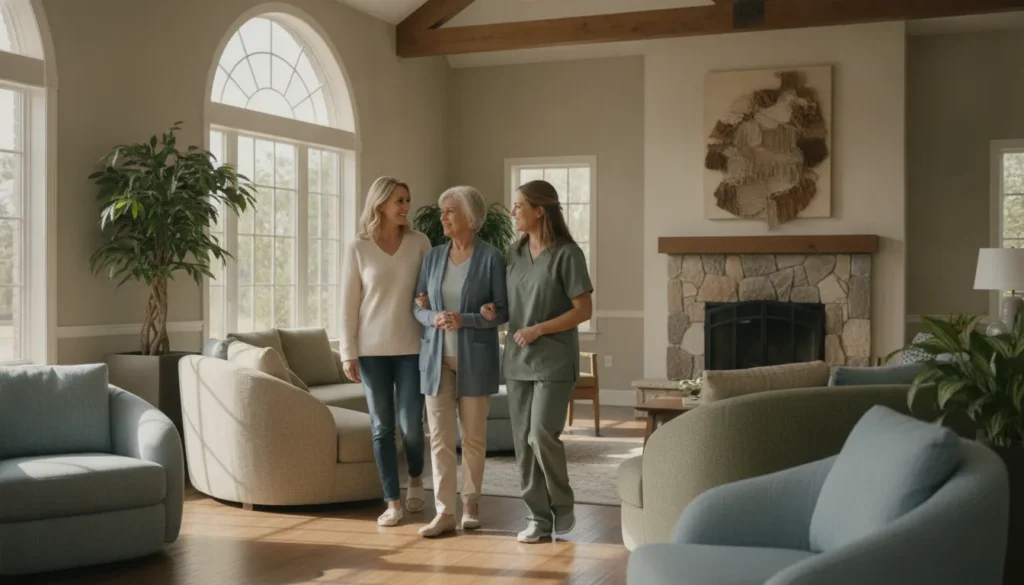
Bathing help, a missed lunch, or long silent afternoons point to different care needs. For Aurora families, choosing the right support starts with knowing which tasks require hands-on help and which call for companionship.
Personal care vs companion care describes whether an older adult needs hands-on help with daily routines or supportive presence in Aurora homes. Personal care supports activities of daily living: bathing, dressing, grooming, mobility, toileting, and nutrition support when safety or dignity depends on physical assistance. These daily activities are defined by the National Library of Medicine, which includes hygiene, nutritional intake, and movement for daily living. Companion care centers on conversation, meaningful time together, friendly company at meals, and non-medical social support that reduces isolation while helping daily routines feel less lonely. A family may choose both when a loved one needs dignified personal assistance and steady social connection as needs change over time.
If your parent can eat alone but forgets meals, or bathes safely only with help in an Aurora home, the distinction matters. Personal care vs companion care at a glance shows how each kind of support fits daily life; here’s how.
Personal care vs companion care at a glance
When Aurora families compare personal care vs companion care, start with one question: does support need to be hands-on? Companion care centers on company and engagement, while personal care helps with daily body care and movement.
The difference is easier to see in daily life. Someone who wants conversation or shared activities may benefit from understanding companion care services. Someone who needs help bathing, dressing, or moving safely may need personal care.
Quick care comparison
- Main focus. Social connection and engagement. — Hands-on help with daily personal tasks.
- Examples. Conversation, shared routines, and companionship. — Bathing, grooming, dressing, eating, and mobility.
- A sign it fits. A loved one is alone often or wants more connection. — Daily body care or safe movement has become hard.
- Can needs change? Support can be reviewed as needs shift. — Support can be reviewed as needs shift.
This comparison gives families a starting point, not a fixed label. Needs may differ by time of day or routine. Begin with the tasks that cause stress or concern, then discuss the kind of help needed.
When personal care fits
Personal care is for tasks that involve direct physical help. Activities of daily living, or ADLs, include hygiene, grooming, dressing, eating and drinking, mobility, and elimination needs. This description comes from the National Center for Biotechnology Information ADL guide.
A family may notice that getting dressed takes longer, bathing feels unsafe, or walking to the bathroom calls for steady help. In those cases, personal care support speaks to the immediate daily need. It is non-medical help with personal routines, offered in a respectful way.
When companion care fits
Companion care is a better starting point when hands-on support is not the main concern. A loved one may manage personal routines, yet spend long days alone. Regular conversation and shared time can bring structure and a familiar human connection to the week.
It can also fit when a family wants regular, dependable presence at home. This form of care focuses on interaction rather than help with bathing or dressing. That distinction helps avoid requesting more hands-on support than the current need calls for.
Families do not always need to choose one lane forever. A person who starts with companionship may later need hands-on support with dressing or mobility. Looking at present needs first helps families choose care that matches everyday life now.
What does companion care support day to day?
Connection in a familiar routine
Companion care centers on being present with an older adult, not taking over the person’s day. A visit may include conversation, listening to music, reading together, or sharing a favorite hobby. These moments can bring steady social contact while respecting the client’s own choices and pace.
For a person who spends long stretches alone, friendly company can make the day feel less isolated. A caregiver may listen to stories, discuss family news, or enjoy a quiet cup of coffee together. Families can learn more about understanding companion care services when considering this kind of social support.
Company during meals and activities
Mealtimes can be social time. Companion care may mean sitting together during a meal, talking, and making the routine more welcoming. The focus here is friendly presence, rather than hands-on help with eating or other personal tasks.
Social engagement can also fit the person’s interests and comfort level. Some clients may want a walk, a community outing, a card game, or time on the porch. Any outing should match the care plan, the client’s wishes, and safe support for that day.
Where companion care differs from personal care
When comparing personal care vs companion care, the key difference is the type of help needed. Companion care supports connection and company. Personal care addresses hands-on daily needs. These include hygiene, dressing, mobility, and nutritional intake, as described in an NCBI overview of activities of daily living.
A person may value companionship while still managing personal tasks without physical help. Later, the care plan may need review if hands-on needs arise. Choosing companion care now does not reduce independence. It makes room for meaningful contact while the client remains at the center of each decision.
When does personal care help with ADLs?
Personal care helps when a person needs physical support with activities of daily living, often called ADLs. These are basic routines that make daily life safe and comfortable. The ADL definition includes hygiene, grooming, dressing, nutrition and fluids, mobility, and elimination needs.
Daily tasks that need hands-on help
A family may notice that a loved one can no longer manage a routine without strain, risk, or embarrassment. Personal care can give steady support with tasks that are private and personal. The goal is not to take over. It is to help the person do as much as possible with calm support.
- Bathing: Help entering the shower, washing, drying, or completing oral care.
- Dressing and grooming: Support choosing clothing, dressing, combing hair, shaving, or nail care.
- Toileting: Discreet help reaching the bathroom, managing clothing, and staying clean.
- Mobility and transfers: Help rising from a chair, moving between rooms, or settling into bed.
- Feeding and nutrition support: Help eating, drinking, or following a meal routine.
These needs may build slowly, or become clear after a change in strength or balance. Families exploring personal care services can discuss which routines need help and which remain independent.
Dignity and privacy during care
Bathing, dressing, and toileting require trust. A caregiver should explain each step, protect privacy, and respect a person’s pace and choices. ADL guidance says care should honor the person’s preferences while helping with needed tasks.
Good support can be quiet and practical. Clothing may be laid out before dressing, and towels may be ready before bathing. Help during a transfer can be offered at the moment it is needed. These habits help care feel respectful, not rushed or intrusive.
When personal care fits the need
In a personal care vs companion care decision, the key question is whether hands-on help is needed. Conversation, shared activities, and reminders may suit companionship. Bathing help, toileting support, transfers, or feeding support point to personal care. These tasks involve direct help with ADLs.
Needs can also overlap. A person may need help dressing in the morning, then enjoy company during lunch. Families can look at the hardest parts of the day. They can choose support that protects privacy, choice, and daily comfort.
How can your family choose the right support?
Choosing support starts with daily routines, not labels. A simple process can help families compare personal care vs companion care with less uncertainty. It also leaves room for needs and preferences to change.
Daily needs and preferences
Begin by noticing which parts of the day seem tiring, frustrating, or less safe. Look for social needs too, such as missed outings or less conversation. Write down examples so the family discussion can stay clear and respectful.
-
Notice what is harder now. Consider whether meals, social routines, bathing, dressing, or movement call for support.
-
Discuss personal preferences. Ask what help feels welcome, what routines matter most, and when support would feel least intrusive.
-
Separate social help from hands-on help. Companion care may fit when the main wish is conversation, shared activities, or help staying engaged. Personal care means hands-on help with activities of daily living. These tasks can include hygiene, dressing, nutrition, and mobility.
-
Request a conversation. Bring notes about routines, safety concerns, and the kind of help your family member accepts. A care discussion can turn those observations into a clear plan.
-
Revisit the choice. Check in after routines change, new concerns appear, or a family member asks for different support.
Social help or hands-on care?
Some days call for company, conversation, or a steady presence during familiar activities. Other days may call for help with dressing, grooming, or moving through the home. The right starting point depends on current needs and the person’s wishes.
Families do not have to solve every future question at once. Reviewing comprehensive home care services can help you prepare for a respectful conversation about the first step.
Review as routines change
A support choice is not a judgment about independence. It is a practical way to match help to current routines while keeping the person’s voice central. Keep notes, listen closely, and review the plan when daily life changes.
Can seniors receive both types of care?
Yes. In a home care plan, companion care and personal care can work together rather than become an either-or choice. One adds connection and daily company. The other adds hands-on help with routine personal tasks.
This blended approach may help when a senior needs different kinds of support across the day. A visit can include conversation or shared activities, along with help getting ready for the day. Families comparing personal care vs companion care can review Aurora’s companion care services and personal care services.
The plan remains non-medical home care. Its purpose is to match support with daily needs, comfort, safety, and the senior’s wishes at home.
The hands-on part of a blended plan
Personal care supports activities of daily living, often called ADLs. These tasks may include hygiene, grooming, dressing, nutrition, mobility, and elimination needs. This definition comes from the National Center for Biotechnology Information.
Companion care can be provided alongside those tasks. Time spent talking, sharing a meal, or following a familiar routine can remain part of the visit. Hands-on help is then included only where the care plan calls for it.
An Aurora family example
Consider an Aurora senior who enjoys company at home and wants help with grooming and dressing. Their family could request friendly visits as well as routine personal care during the week. No medical condition has to be assumed in this example. The need is based on daily tasks and personal choices.
A blended plan can also help family members understand what will happen during each visit. It can set clear expectations for companionship, hands-on support, and updates when routines change.
Plans that adjust with daily needs
Choosing one type of support today does not have to set every future visit. Touching Hearts at Home Aurora supports combining companion and personal care. Care hours can be adjusted as needs change.
The Aurora care model also includes registered nurse oversight for care plans, even when companion care is included. Families can ask how tasks and schedule changes will be recorded and shared. This helps keep the plan clear while a senior’s routine changes.
With both types of care in one plan, families can focus on the right help at the right time. The mix can be reviewed when new daily challenges appear.
When should Aurora families start a care conversation?
A care conversation does not need to begin after an emergency. In Aurora, it can start when daily life feels harder or less connected. The goal is not to take over. It is to learn what support could make home life safer, easier, and more comfortable.
Changes in connection and routine
Start by noticing patterns, not one unusual day. A parent who now spends long stretches alone may welcome regular visits and shared activities. Someone who skips meals may need company at mealtime, meal support, or both. Families exploring social support can begin by understanding companion care services.
Ask simple questions: “How have meals been going?” or “Would you like more company during the week?” Listen before suggesting a plan. A calm talk gives an older adult room to share preferences and keep a voice in each next step.
Signs that hands-on help may be useful
Bathing, getting dressed, grooming, or moving through the home can become tiring or uncomfortable. These changes are a reason to talk about help with care tasks. According to the NCBI Bookshelf overview of activities of daily living, these tasks include hygiene, grooming, dressing, nutrition, mobility, and elimination needs.
This is where the question of personal care vs companion care becomes practical. Companionship may fit concerns about being alone or losing a daily routine. Personal care may fit when a person wants hands-on support with bathing, dressing, or mobility. Some families may want to discuss both types of support.
Family strain and a respectful first talk
The conversation can also begin when family help no longer feels steady. A spouse may be tired from daily support. An adult child may be trying to manage meals, rides, work, and parenting at once. Naming that strain is not blame; it is a way to plan care with respect.
Choose a quiet time and focus on what the older adult wants at home. Share a few examples, then ask what feels most helpful. Aurora families ready to discuss needs and preferences can request a care conversation without first deciding on one care type.
Frequently Asked Questions
Does my loved one need personal care or companion care?
Companion care may fit when a person mainly needs social connection, routine support, or meal companionship. Personal care may fit when the person needs hands-on help with bathing, dressing, grooming, toileting, or safe movement. Families can note which tasks are difficult or unsafe. An in-home assessment can identify the needed support and provide a plan for reassessment as needs change.
What daily tasks does a personal care provider assist with?
Personal care supports activities of daily living, often called ADLs. These may include bathing, oral care, dressing, grooming, mobility, toileting, and help with food or fluid intake. The National Library of Medicine identifies these needs as ADLs. A care plan should reflect the person’s abilities, routines, safety, and privacy preferences.
Is companion care considered medical care?
Companion care is generally non-medical support. It may include conversation, shared activities, friendly company at meals, and accompaniment, depending on the plan. Touching Hearts at Home Aurora distinguishes companionship from hands-on personal care. It does not replace skilled nursing or medical treatment. Families should report changing mobility, hygiene, memory, or safety needs for reassessment.
Can I have both personal care and companion care services?
Yes. A person may need hands-on help with dressing or bathing and also benefit from conversation, meal support, or familiar routines. Combining services can be useful when daily needs vary or change over time. The mix of tasks and visit times should follow an assessment, family observations, and the person’s preferences, then be reviewed when safety or function changes.
Ready to choose the right care support in Aurora?
Waiting until daily routines become harder can leave Aurora families sorting through care choices while worried and with less time to plan carefully. Starting the conversation now creates room to compare companion care, personal care, and combined support before new needs feel urgent at home. It also helps your family name which routines matter most, from bathing and dressing to meals, mobility, companionship, and peace of mind.
Ready to make a clear care plan for your loved one? Request a personal care conversation to talk through current needs and next steps. Starting today can give your family more time to choose support carefully together and revisit the plan as routines change.