Missing a single bill payment happens to everyone, but losing track of the date suggests a deeper problem. Seeing a parent struggle with daily tasks like these is a difficult moment for any family. You want them to stay safe and happy at home, even as their memory begins to shift.
How in-home care improves quality of life for seniors is by creating a safe and stable Aurora home where they can age with dignity and meaningful social connection. According to the National Institute on Aging, daily routines and tools help reduce the stress and confusion that often come with cognitive decline in older adults. Caregivers provide regular social contact that keeps seniors engaged, which is vital for mental health and prevents the loneliness that can often worsen their own memory loss. By helping with tasks like proper meal prep and safe movement, these experts ensure your loved one stays independent while receiving the tailored support that their health requires.
Many families feel unsure about whether their parent has normal aging or something more. Knowing the signs is the first step in finding the right way to help. Understanding Short-Term vs. Long-Term Memory Loss is a vital part of building a care plan, and the path begins with this guide.
How In-Home Care Improves Quality Of Life For Seniors: Understanding Short-Term vs. Long-Term Memory Loss
Memory loss is often one of the first signs that a senior may need extra help at home. Understanding the difference between short-term and long-term memory issues is key to finding the right care. While both can be part of aging, they affect daily life in different ways. Knowing these signs helps families choose different levels of care for their loved ones.
What Is Short Term Memory Loss
Short-term memory acts like a scratchpad for the brain. It holds new info for a short time, such as a name you just heard or where you put your keys. When this fades, a person may ask the same question many times or forget what they just ate. This can be scary for seniors and their families. It often makes it hard to follow a plan or finish a task without help.
According to the National Institute on Aging, some forgetfulness is normal as we get older. You might lose things once in a while or forget a word. But signs of a bigger problem include frequently misplacing items or being unable to find them. If these slips happen often, it may be a sign of dementia rather than just getting older. Professional help can show you how to manage memory loss and stay safe.
Signs of Long Term Memory Loss
Long-term memory is where the brain stores old events, facts, and skills. When a senior has long-term memory loss, they may forget major life events or have trouble recognizing close friends. This type of loss often happens more slowly than short-term gaps. It can be hard for families when a loved one forgets a shared past. At this stage, a person may also struggle to hold a conversation or lose track of the time of year.
In many cases, long-term memories stay clear even as new ones fade. A senior might remember a song from childhood but forget what they did an hour ago. This gap can lead to confusion and stress. Caregivers can help by using these old memories to build trust and calm. These in-home care services focus on the person, not just the loss. This approach keeps the senior active and happy in their own home.
Why the Distinction Matters for Care
Knowing which type of memory is fading helps a care team build the best plan. For those with short-term loss, a caregiver might focus on cues and tools. They can help with meal times, pills, and keeping a set routine. This lowers stress and keeps the day moving well. For long-term loss, the focus may shift to comfort and safety. A familiar face and a steady hand can make a big change in a senior’s life.
| How Memory Type Affects Daily Life |
Short-Term Memory Loss |
Long-Term Memory Loss |
| What gets affected first |
Recent conversations, new names, where items were placed |
Recognition of family members, past life events, learned skills |
| Common signs at home |
Repeating questions, forgetting meals or pills, losing items |
Confusion about time, trouble recognizing familiar faces, living in the past |
| Caregiver focus |
Visual cues, daily schedules, gentle reminders |
Validation, reminiscence, calm environment |
| Goal of in-home care |
Build routine and reduce daily stress |
Preserve dignity and emotional comfort |
Understanding these needs is the first step in learning how in-home care improves quality of life for seniors. Whether it is a small slip or a big gap, the right support makes a home safer. It allows seniors to age with dignity in a place they love. If you notice these signs, it may be time to look into help that meets your family’s unique needs.
How Short-Term Memory Loss Affects Daily Life
Short-term memory loss can turn simple days into a series of stressful blocks. While many people think of memory loss as forgetting old friends, the loss of new memories is often more upsetting. It affects how a person moves through their own home and handles basic tasks. Forgetting what happened just five minutes ago can lead to danger and pain for seniors and their families.
Safety Risks in the Home
One of the biggest fears with short-term memory loss is safety. It is common for seniors to forget tasks that keep them safe in the home. These often include:
- Turning off the stove after cooking a meal.
- Locking the front door before going to bed.
- Taking the right pills at the right time.
- Finding the way home after a short walk.
These small slips can lead to health crises. When these events happen often, the risk of a fall or injury goes up. Families feel a heavy weight of worry when they cannot be there to watch for these risks. If memory changes get in the way of driving or using the phone, it is time to see a doctor.
The Frustration of Social Gaps
Daily life also relies on the ability to hold a conversation and keep plans. Short-term memory loss makes it hard to remember a chat from earlier that morning. This can lead to the same question being asked many times. It is hard for the family, but the senior also feels a sense of shame. They feel lost when they can no longer follow a talk.
Missing a lunch date or a hair visit can also lead to pulling away from others. A senior may stop reaching out to friends because they are afraid of forgetting the plan. This can lead to social loss which makes the memory issues feel worse. The loss of recent details makes it hard to feel connected to the world.
How In-Home Support Bridges the Gap
Learning how to manage memory loss is a key step for any family. One of the best ways to help is to create a steady world. Experts at the National Institute on Aging suggest that a daily routine can help seniors manage confusion. When a person knows what to expect each hour, they do not have to rely as much on their short-term memory.
Professional help can be a lifesaver in these cases. Knowing how in-home care improves quality of life for seniors starts with having a partner in the home. Caregivers do not just watch for safety risks. They provide the gentle cues and notes that keep a day on track. By helping with meals and meds, they remove the burden of memory from the senior. This allows them to focus on enjoying their time at home.
How Long-Term Memory Loss Affects Daily Life
Long-term memory loss changes how a senior sees the world. They might remember their first job from forty years ago with great detail. Yet, they may forget what they ate for lunch just one hour ago. This gap between the past and the present can lead to many daily struggles. It affects how they talk to family and how they move through their home safely.
The mix of past and present
Seniors with this type of memory loss often live in two worlds at once. A person might wake up thinking they need to go to a job they left decades ago. This can cause deep stress when they find out the world they remember is gone. They may look for people who passed away or feel lost in a home they lived in for years. These moments of mix-ups are not just about forgetting names. They change a senior’s sense of self and their place in the world.
Daily tasks also become hard. A senior might start to make tea but forget how the stove works. They might know how to use a wood stove from childhood but fail to use a modern range. This makes safety a big worry for family members who cannot be there all day. Simple things like using a phone can lead to feeling stuck or lost.
Emotional shifts and sundowning
Memory issues often cause big changes in mood. Many seniors feel more anxious or angry as the sun goes down. This is called sundowning. It can make them pace the floor or say things that hurt their loved ones. When someone cannot trust their own mind, they feel scared. This fear often shows up as being upset. It is a sign they need a calm and steady hand to guide them through the day.
Supporting daily life at home
Using a set routine is a top way to help. Families can use old photos or best-loved music to reach a loved one. These tools honor the past while keeping the person safe in the now. This is how in-home care improves quality of life for seniors who face these problems. Caregivers provide a stable presence that lowers stress. They can help a senior manage memory loss by sticking to a clear schedule.
According to the National Institute on Aging, using tools like notes and lists helps reduce confusion. In-home help also ensures that basic needs like food and water are met on time. They watch for signs of health changes that a family might miss. This support lets seniors stay in the home they love. It keeps them tied to their past while giving them a safe way to live today.
Lists and memory aids can be helpful for those with memory issues. Here are a few ways to support them:
- Use large clocks that show the day and date.
- Keep a simple map of the house near the bed.
- Place labels on drawers to show where items go.
- Make a list of daily tasks to check off.
In-Home Care Strategies for Short-Term Memory Challenges
Memory loss can make life feel like a puzzle with missing pieces. For seniors in Aurora, short-term memory gaps often lead to stress and missed tasks. Trained caregivers use clear, simple ways to help. These steps show how in-home care improves quality of life for seniors by keeping them safe and happy at home.
Building Steady Routines and Rhythms
A steady daily plan is one of the best tools for memory loss. Caregivers help seniors start and end their day in the same way each time. This helps reduce the fear of what comes next. For example, a caregiver might arrive at 8:00 AM to help with breakfast and light movement. Knowing that someone helps with a healthy lifestyle and nutrition makes the morning go well.
Steady schedules also help during the evening. A caregiver might help a senior set out clothes for the next day or follow a calm night routine. These small, steady acts help the brain feel safe. When life follows a pattern, there is less room for the confusion that comes with forgetting a plan. This supportive role of home care for memory conditions gives the senior and their family peace of mind.
Using Visual Cues and Memory Tools
Visual aids act as a “backup” memory for seniors who struggle to recall new facts. Caregivers often set up whiteboards in central spots like the kitchen. They list the day of the week, the date, and any visits. This helps the senior find the answer to “What day is it?” without having to ask. They might also use simple labels on cupboards. A label that says “Cups” or “Plates” helps the senior stay on their own while they work in their kitchen.
Note-taking is another key habit caregivers use to help. They might leave a short note near the phone or the front door. These cues remind seniors about small things, like locking the door or checking the mail. By using these tools, caregivers help seniors avoid the stress of feeling lost in their own home. These in-home care services make sure the house stays a place of comfort.
Medicine and Wellness Support
Forgetting to take pills is a big risk for seniors with memory gaps. Caregivers give vital medicine reminders to ensure safety. They can help set up a weekly pill box and check it each day. This simple check stops a senior from taking too much or too little of their medicine. Along with pills, caregivers focus on the whole person. They make sure the senior drinks enough water and eats fresh food all through the day.
Caregivers also use gentle help when a senior asks the same thing again. Instead of saying “I already told you,” they give the answer again with a smile. They might also shift the talk to a new topic or a fun game. This keeps the mood light. It also stops the senior from feeling bad about their memory. By focusing on these needs, caregivers show how a little help goes a long way in making life better.
In-Home Care Strategies for Long-Term Memory Challenges
Long-term memory loss can be hard for families to watch. A senior might recall life from their youth but forget what happened this morning. This shift needs a new way of giving care. By focusing on what a person still knows, caregivers show how in-home care improves quality of life for seniors through pride and peace. These ways help seniors feel safe even when their world feels new each day.
Using the past to build bonds
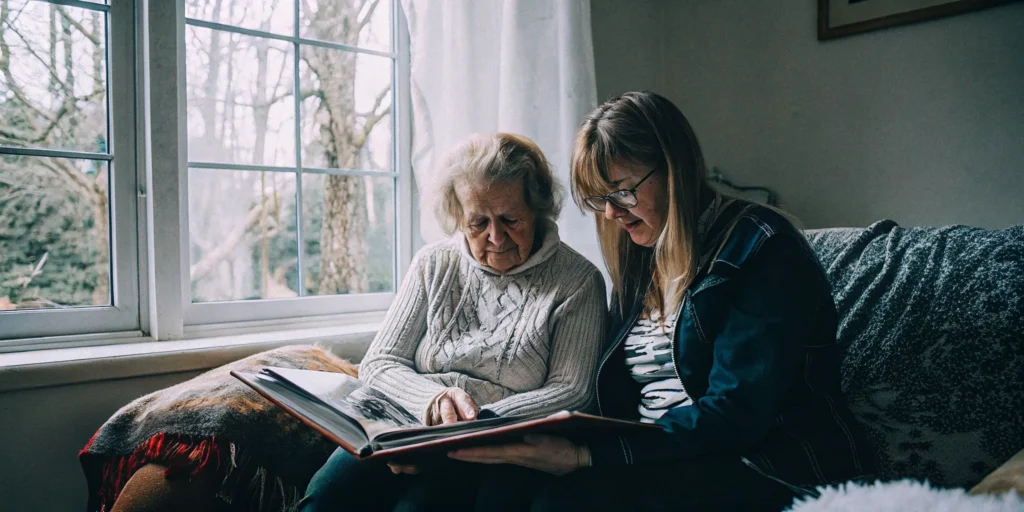
One way to help is by sharing past stories. Caregivers often look at old photos with seniors. They talk about life in the past, which is often easier for the senior to recall. This helps the person feel good about what they still know. It also builds a deep bond between the caregiver and the senior. This kind of bond makes daily life much better for everyone there.
Music is also a strong tool for memory. Playing songs from a person’s youth can spark joy. It can even help them remember things they had lost. A simple song can change a person’s mood in an instant. It can turn a hard day into a bright one. By using these simple tools, a caregiver offers the supportive role of home care that families need most.
Validating their world and keeping calm
When a senior feels confused, it is best not to correct them. Instead, caregivers use a “validation” path. This means they join the senior in their current world. If a person thinks they are back in their old home, the caregiver talks about that home. This keeps the senior from feeling upset or scared. It guards their pride and keeps them calm throughout the day.
- Create a quiet and calm space to reduce stress.
- Keep lights bright in the late day to stop fear at night.
- Use a steady routine so the senior knows what to expect.
- Give simple choices to help the senior feel in control.
The value of health checks and social ties
Keeping a senior active is a key part of brain health. The National Institute on Aging notes that spending time with friends and family helps support the brain. A caregiver acts as a social link. They go on walks or play games with the senior. This stops the senior from feeling alone. It also keeps their mind busy, which can help them stay sharp for a longer time.
In Aurora, Touching Hearts at Home adds an extra layer of safety. The team uses registered nurse oversight for all care plans. This lead role helps in finding health changes early. When a nurse watches for small shifts, they can catch issues before they get big. This extra watch keeps seniors safer at home. It gives families the peace of mind they want while their loved ones age in place.
The Role of Companionship in Memory Care
Social ties and brain health
Living with memory loss can feel lonely for many older adults. When a person stops spending time with others, their mind may slow down faster. Research from the National Institute on Aging shows that social ties and staying active help support brain health. Keeping the mind busy with talk and activity is a big part of how in-home care improves quality of life for seniors.
Without regular social contact, seniors often face stress and mood changes. A kind caregiver provides the steady human link needed to keep these feelings away. By having someone to talk to, play games with, or share a meal with, seniors stay part of the world. This bond helps lower the risk of being alone, which can lead to faster memory loss if left without care.
Building trust and stability
For those with memory loss, a new face can cause fear or worry. This is why having a steady friend is so vital. When the same person visits each day, they build a deep bond based on trust. This steady bond helps reduce confusion and creates a calm space where the senior feels safe. It allows the caregiver to learn the person’s unique needs, which makes daily life much easier.
Our team focuses on giving friendly support that fits each person’s life. These in-home care services are not just about helping with chores; they are about being a true friend. Caregivers offer a listening ear and a helping hand to help seniors keep their dignity. Having a trusted friend nearby gives both the senior and their family peace of mind every single day.
Less confusion through routine
A friend does more than just talk; they help keep the day on track. Memory loss often makes simple tasks feel hard, but a shared routine brings order. When a caregiver is there, they can guide the senior through their usual habits without rush or stress. This help keeps the home a place of comfort rather than a source of worry.
Caregivers also help by spotting small changes in a senior’s mood or health early. By being there each day, they notice when something feels off and can tell the family right away. This close watch helps stop bigger problems and keeps the senior happy at home for longer. Through kind words and steady care, a friend turns a hard path into one filled with support and hope.
When to Seek Professional In-Home Support
Deciding when to get help for a parent with memory loss is a big choice. It often starts when you notice small changes in their daily habits that raise red flags. Knowing how in-home care improves quality of life for seniors can help your family find the right path forward. Expert in-home care services allow your loved one to stay safe while keeping their dignity at home.
Signs your loved one needs daily help
Memory loss can show up in many ways during a normal day. You might notice your parent is missing doses of vital medicine or forgetting to pay monthly bills. Other signs that a senior needs more support include wandering away from home or losing weight because they forget to eat. These changes often mean that family care is no longer enough to keep them safe from harm.
The National Institute on Aging says that serious memory problems make daily tasks hard. This includes things like driving, using the phone, and finding the way home (NIA.gov). If your loved one is getting lost in places they know or having trouble with simple tasks, it is time to talk to a doctor. Expert support can step in to handle these safety risks before a major crisis occurs in the home.
Starting a talk about home care
Talking about help can feel scary for both you and your aging parent. Use a soft, calm tone and focus on their wish to stay in their own home. You can explain that a caregiver is a partner who helps them keep their freedom. It may also help to learn about the different levels of care so you can find the best fit for their needs.
- Pick a quiet time when you both feel calm to start the conversation.
- Talk about specific safety concerns you have noticed at home.
- Offer to join them for a free in-home assessment to see how it works.
- Start with just a few hours of help a week to make the change easier.
- Check in often to see how the new care plan is going for them.
Starting with just a few hours of help each week can make the change feel less stressful. This allows your loved one to get used to having a new person in the house without feeling overwhelmed. Over time, this small step can build trust and show them that extra help is a good thing for their health and happiness.
Touching Hearts at Home Aurora offers a free in-home assessment to help families in our area. We can visit your home in Aurora, Parker, or Castle Rock to look at your needs and build a plan that works. This free visit is a great first step to gain peace of mind and ensure your loved one gets the care they deserve.
Frequently Asked Questions
How does in-home care improve quality of life for seniors?
In-home care helps seniors stay in their own homes while getting the help they need. As stated by the National Institute on Aging, daily habits and tools like calendars can lower stress. Professional in-home care services help with these tasks, which helps seniors keep their freedom. This custom care leads to a better mood for older adults who deal with memory loss.
Does in-home care help family caregivers manage stress?
Yes, in-home care gives great help to family members. Trained workers handle daily tasks and safety needs. This lets families spend good time together. This help lowers the stress and worry that often come with care for a loved one. Caregiver respite care in Aurora offers family caregivers scheduled breaks so they can rest and recharge. By working with a care group, families feel better knowing that a trained person is watching their relative. This keeps them safe and sound in their own home.
Is in-home care a safe option for seniors with memory loss?
In-home care is safe because it gives one-on-one help in a known place. Caregivers help stop falls and make sure seniors take their pills on time. As stated in NIA research, dementia signs can make daily tasks like driving or paying bills very hard. A helper manages these risks. This helps seniors avoid hurt and stay well while living in their own homes.
Can in-home care help seniors with chronic health conditions?
Trained caregivers help with many needs, such as food and pill schedules. As stated by the National Institute on Aging, these tools are vital for health. By giving steady care, agencies help seniors avoid hospital trips and keep a stable life. This way of working improves health and lets seniors live in peace. They can manage their long-term needs from the comfort of their own house.
Ready to schedule a free in-home assessment?
Memory loss is hard for a senior and their family to handle alone. Waiting to get help can lead to more stress and safety risks at home. Starting care now helps your loved one stay in a safe and known place for a long time with a kind friend and a set daily plan. Our team is here to help you through each step of this path with a warm and expert hand to make life easier. You can see how we help on our services page to get the right support for a better life today.
Ready to schedule a free in-home assessment? Call (303) 718-6438 to talk to a care expert.