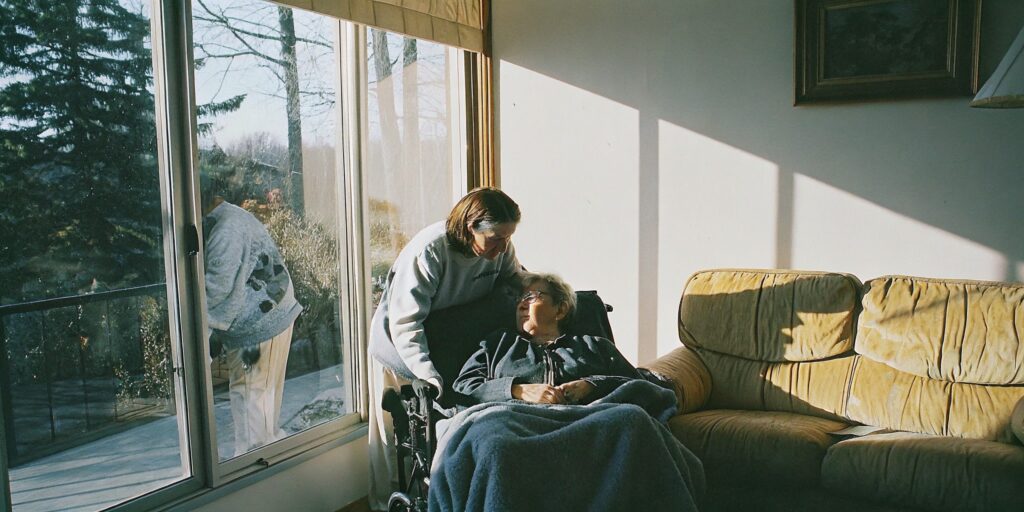
Caregiver respite care gives family caregivers a planned break while a trusted professional supports an aging parent, spouse, or loved one at home. For families in Aurora, Parker, Castle Rock, and surrounding Colorado communities, respite care can make caregiving safer and more sustainable.
Need a break to rest, work, or handle family responsibilities? Schedule a free consultation with Touching Hearts at Home Aurora to talk through flexible respite care options.
Family caregiving often begins with small acts of love: picking up groceries, driving to appointments, helping with laundry, checking in after work, or preparing meals. Over time, those tasks can grow into daily supervision, personal care, medication reminders, dementia support, transportation, and overnight safety concerns. Respite care is not a sign that a family has failed. It is a practical way to protect the caregiver’s health while helping an older adult remain comfortable at home.
What Is Caregiver Respite Care?
Caregiver respite care is temporary support that gives a family caregiver time away from caregiving responsibilities while another qualified person assists the care recipient. Respite may last a few hours, a full day, overnight, a weekend, or longer depending on the family’s needs.
The National Institute on Aging describes respite care as short-term relief for primary caregivers. In-home respite care is especially helpful for seniors who feel most secure in their own home because a professional caregiver comes to them rather than requiring a change in setting.
Why Respite Care Matters for Family Caregivers
Caregiving can become all-consuming. Adult children may be balancing work, children, marriage, and a parent’s increasing needs. Spouses may be providing support around the clock with little chance to sleep well, run errands, or attend their own medical appointments.
- Rest physically: Lifting, transferring, cooking, cleaning, and constant supervision can wear down the body.
- Reset emotionally: Time away can reduce anxiety, guilt, resentment, and the feeling of always being on alert.
- Handle responsibilities: Work, medical appointments, errands, and family events are easier with reliable backup care.
- Protect relationships: When the caregiver is less exhausted, visits can feel more like family time and less like a task list.
Preparing for the Holiday Season: Why November Respite Care Matters
As the holiday season approaches, Aurora families often face added caregiving demands. November is Family Caregivers Month, making it an ideal time to acknowledge the vital role family caregivers play and to explore ways to sustain that care over the long term.
The holidays bring gatherings, travel, and festive events, but for caregivers they can also mean disrupted routines, increased cooking and cleaning, overnight guests, and the stress of balancing family traditions with a loved one’s care needs. Winter weather in Colorado adds another layer: snow and ice make trips to appointments riskier, and shorter days can worsen sundowning for seniors with dementia.
Planned respite care during November and December can help families navigate this busy season. A few hours of professional support each week allows caregivers to shop, attend school events, host holiday dinners, or simply rest. For families in Aurora and the Denver metro, having reliable backup care during the holidays can prevent the New Year from starting with burnout.
How Does Respite Care Help Prevent Caregiver Burnout?
Caregiver burnout is more than ordinary tiredness. It is a state of physical, emotional, and mental exhaustion that can develop when the demands of caregiving outpace a person’s capacity to recover. Research has shown that chronic caregiving stress can elevate cortisol levels, reduce immune function, and increase the risk of depression and anxiety.
Respite care provides a structured way to interrupt this cycle. Even four hours of uninterrupted time away can help the nervous system reset, improve sleep quality, and restore a caregiver’s ability to think clearly and respond with patience. Regular respite breaks are associated with lower rates of caregiver depression and can delay the need for nursing home placement for the care recipient.
For families in Aurora, consistent respite scheduling whether a few hours each week or a full day every month provides the recovery time that makes ongoing family caregiving sustainable.
Not sure if respite care is right for your situation? Schedule a free consultation with Touching Hearts at Home Aurora to discuss your family’s needs.
When Should Aurora Families Consider Respite Care?
Families often wait until they are overwhelmed before asking for help. A better approach is to consider respite care when the first signs of strain appear.
The family caregiver is exhausted
Ongoing fatigue, poor sleep, irritability, and trouble concentrating are signs that support may be needed. If the caregiver cannot remember the last time they had several uninterrupted hours for themselves, respite care may be overdue.
There has been a hospital stay or health change
After a fall, surgery, illness, or hospitalization, families may need temporary help with meals, mobility, transportation, and safety supervision while they learn what level of support is needed.
Dementia symptoms are increasing
Memory loss, wandering risk, sundowning, confusion, and mood changes can make caregiving more demanding. Families may need help during specific times of day, including late afternoon, evening, or overnight.
The senior needs more social connection
Respite care can also give an older adult a new source of conversation, activity, and encouragement. Companionship care can reduce isolation while supporting the rhythm of home life.
What Can a Non-Medical Respite Caregiver Help With?
Non-medical respite caregivers support daily living, comfort, safety, and companionship. They do not replace a doctor, nurse, or medical home health provider. Instead, they help with practical tasks that allow an older adult to remain at home while giving family caregivers reliable time away.
- Need Examples of support
- Companionship Conversation, hobbies, games, walks, and emotional support.
- Personal care Bathing, dressing, grooming, toileting assistance, and mobility support.
- Household help Light housekeeping, laundry, changing linens, and keeping the home comfortable.
- Meals Meal preparation, hydration reminders, snacks, and mealtime companionship.
- Transportation Rides to appointments, errands, and community activities when appropriate.
- Memory support Routine, redirection, calm communication, and safety awareness.
Touching Hearts at Home Aurora provides in-home care services that can include companionship, personal care services, dementia care support, light housekeeping, meal preparation, transportation, and private nursing services.
If you are unsure what kind of help would make the biggest difference, contact Touching Hearts at Home Aurora. A no-obligation conversation can help identify the best starting point.
Types of Respite Care
In-home respite care
In-home respite care brings a caregiver to the senior’s home for a scheduled visit. This can be a good fit when the person is most comfortable at home, has mobility challenges, or needs help with personal routines.
Adult day services
Adult day programs may offer structured activities, meals, and supervision outside the home. They can work well when transportation is available and the senior enjoys group settings.
Overnight or 24/7 respite care
Some families need more than a short daytime break. Overnight care can help when a loved one wakes frequently, wanders, needs toileting assistance, or requires supervision while the family caregiver sleeps.
What Is the Difference Between In-Home Respite and Facility-Based Respite?
Families choosing respite care in the Aurora area often weigh two main options: in-home respite and facility-based respite. Each serves the same goal of giving family caregivers time away, but the experience for the care recipient differs in important ways.
| Factor |
In-Home Respite |
Facility-Based Respite |
| Setting |
Senior stays in their own home |
Senior stays at a facility (assisted living, skilled nursing) |
| Routine |
Daily routine and environment remain unchanged |
New environment, schedules, and staff |
| Best for |
Seniors who are anxious in new places, have mobility challenges, or thrive on familiar routines |
Seniors who enjoy social activities and can adapt to a new setting |
| Duration |
Flexible from a few hours to 24/7 |
Often requires a minimum stay (typically 24+ hours) |
| Cost |
Pay only for the hours of care needed |
Daily or nightly rate regardless of actual care hours used |
In-home respite is generally the preferred option for seniors with dementia, those recovering from a hospital stay, or anyone who experiences confusion or distress in unfamiliar surroundings. Touching Hearts at Home Aurora offers in-home respite on a fully flexible schedule, from two-hour visits to around-the-clock support.
How Touching Hearts at Home Aurora Approaches Respite Care
Touching Hearts at Home Aurora serves Aurora, Parker, Castle Rock, and surrounding Colorado communities with flexible support designed around each person’s routines, preferences, and family situation.
- Flexible scheduling: Families can arrange short visits, recurring weekly support, overnight help, or 24/7 care.
- RN oversight: Care plans receive registered nurse oversight so support can adjust as needs change.
- Personalized care plans: Plans can include companionship, meals, mobility support, dementia care, transportation, and daily support.
- Caregiver matching: Matching considers personality, interests, routines, and care needs.
How to Plan Respite Care Without Guilt
Many family caregivers feel a sense of responsibility that makes asking for help difficult. It can help to remember that respite care is not abandoning a loved one. It is a practical step that makes long-term caregiving possible without sacrificing the caregiver’s own health or the quality of care provided.
- Start with the need: Name the pressure point, such as sleep, work, errands, dementia supervision, or personal care.
- Choose a small first step: Begin with a short visit if that feels easier than a full day of care.
- Explain the benefit: Frame the caregiver as extra support, companionship, and help at home.
- Share routines: Write down meal preferences, favorite activities, mobility needs, and topics that bring comfort.
- Review and adjust: After the first visits, talk with the care team about what worked and what should change.
- Use caring language: Instead of “I need a break,” try “This is someone who will keep you company and help around the house while I run errands.”
- Start during a pleasant activity: Introduce a new caregiver during a walk, meal, or favorite show when the care recipient is most relaxed.
The guilt often fades after the first successful visit. Families who use respite care regularly report that both the caregiver and the care recipient benefit from the change of pace.
Who Pays for Respite Care?
Payment depends on the type of respite care, insurance coverage, and eligibility for benefits. Many non-medical in-home care services are paid privately. Some families may also use long-term care insurance, veterans benefits, or other programs if they qualify. Original Medicare generally does not cover non-medical in-home respite care outside limited hospice-related circumstances.
Colorado Medicaid HCBS Waivers
Colorado’s Home and Community Based Services (HCBS) waivers may provide funding for in-home care services, including respite care, for eligible seniors and adults with disabilities. The Colorado Department of Health Care Policy and Financing administers these waivers through local case management agencies. Families in Aurora can contact the Denver Regional Council of Governments (DRCOG) Area Agency on Aging at 303-480-6700 to learn about waiver eligibility and local resources.
Veterans Aid and Attendance Benefit
Veterans and surviving spouses who need help with daily activities may qualify for the VA Aid and Attendance pension benefit. This monthly payment can be used toward in-home respite care costs. The VA Eastern Colorado Health Care System serves Aurora-area veterans and can provide information about eligibility and the application process.
Long-Term Care Insurance
Some long-term care insurance policies include coverage for respite care services. Families should review their policy documents or contact their insurance provider to confirm specific coverage details and any waiting periods.
Private Pay and Local Resources
For families paying privately, in-home respite care in the Denver metro area typically ranges from $28 to $38 per hour depending on the level of care needed and the time of day. Touching Hearts at Home Aurora can provide a detailed hourly home care rate estimate during a free consultation. The DRCOG Area Agency on Aging also maintains lists of local respite resources, adult day programs, and caregiver support groups for Aurora and Arapahoe County families.
Planning care for a parent, spouse, or loved one in Aurora, Parker, or Castle Rock? Request a consultation and ask how flexible respite care could fit your schedule and budget.
How Do I Find Respite Care Near Aurora, CO?
Finding the right respite care for your family starts with understanding your specific needs and knowing what local resources are available. The Aurora area offers several paths to explore:
- Contact local home care agencies: Touching Hearts at Home Aurora provides in-home respite with flexible scheduling, RN oversight, and personalized matching. Call 303-632-8786 to discuss your needs.
- Check with the Area Agency on Aging: The Denver Regional Council of Governments (DRCOG) Area Agency on Aging serves Aurora and Arapahoe County with caregiver resources, respite referrals, and support programs. Call 303-480-6700 or visit drcog.org.
- Explore adult day programs: Several adult day centers in the Aurora area offer structured activities, meals, and supervision during daytime hours, which can supplement in-home respite care.
- Ask about community-based respite: Faith communities, senior centers, and nonprofit organizations in Aurora sometimes offer volunteer-based respite programs or caregiver support groups that can provide additional help.
Families in Parker, Castle Rock, Cherry Creek, and greater Denver can also access these same resources through their local aging offices. Touching Hearts at Home Aurora serves the entire Denver metro area and can help coordinate the right combination of services.
Frequently Asked Questions About Caregiver Respite Care
What is respite care for caregivers?
Respite care for caregivers is temporary support that allows a family caregiver to take a break while another trained person assists the care recipient.
How does respite care help prevent caregiver burnout?
Respite care helps prevent caregiver burnout by giving family caregivers reliable time to rest, work, attend appointments, manage errands, and recover emotionally. Companion care vs personal care options can both be effective forms of respite depending on the level of support needed.
How often should a family use respite care?
The right schedule depends on the caregiver’s stress level, the senior’s needs, and the family’s routines. Some families use a few hours each week. Others need daily, overnight, weekend, or 24/7 support.
Can respite care help someone with dementia?
Yes. Respite care can help someone with dementia through calm communication, routine, redirection, companionship, and safety support. Families caring for a loved one with memory loss can learn more from in-home care memory loss strategies for seniors.
How do I find respite care near Aurora, CO?
Start by identifying the exact help your family needs, then speak with a local in-home care provider that serves Aurora, Parker, Castle Rock, and surrounding communities. Touching Hearts at Home Aurora offers free consultations to help families explore their options.
Build a Care Plan That Supports the Whole Family
Caregiver respite care is not just a break. It is a way to make care safer, steadier, and more compassionate for everyone involved. Touching Hearts at Home Aurora helps families create personalized respite care plans with flexible scheduling, compassionate caregivers, and RN oversight.
Give yourself permission to rest. Contact Touching Hearts at Home Aurora today to schedule your free consultation and explore caregiver respite care in Aurora, Parker, Castle Rock, or nearby Colorado communities.