Home care for dementia patients can help a loved one stay safer, calmer, and more connected in the place they know best. For families in Aurora, Parker, and Castle Rock, the right in-home support can reduce daily stress while preserving familiar routines, favorite rooms, neighborhood memories, and family involvement.
Learn about Alzheimer’s and dementia care from Touching Hearts at Home of Aurora if your family needs compassionate support at home.
Dementia changes how a person thinks, communicates, remembers, and responds to the world around them. It can also change how families manage each day. A parent who once handled meals, medications, errands, and household tasks may now need reminders, supervision, and patient guidance. A spouse may be losing sleep because of nighttime confusion. Adult children may be trying to coordinate care from across town while balancing work and their own families.
In-home dementia care does not replace medical care, diagnosis, or treatment. Instead, non-medical home care provides practical daily support that helps the person with dementia move through the day with more comfort and dignity. It can include companionship, personal care assistance, meal preparation, light housekeeping, transportation, safety monitoring, routine building, and respite for family caregivers.
Can a Person With Dementia Be Cared for at Home?
Many people with dementia can be cared for at home, especially when the home environment is safe, routines are consistent, and family caregivers have reliable support. The right level of care depends on the person’s stage of dementia, mobility, behavior changes, medical needs, safety risks, and the availability of family support.
Home is often meaningful for someone living with dementia. Familiar surroundings can reduce disorientation because the person recognizes the kitchen, favorite chair, bedroom layout, family photos, and daily rhythms. While dementia can make even familiar spaces feel confusing at times, a known environment may still feel less overwhelming than a sudden move to a new setting.
Families should reassess care needs often. A person who is safe at home with a few hours of help each week may later need daily visits, overnight supervision, or around-the-clock support. Home care is most effective when it grows with the person’s changing needs and when family members are honest about safety, stress, and burnout.
What Dementia Care at Home Usually Includes
Dementia care at home is built around the person’s abilities, preferences, and safety needs. A strong care plan is not a generic checklist. It reflects how the person likes to start the morning, what foods they enjoy, which activities feel comforting, how they respond to reminders, and what situations tend to cause agitation.
Common in-home dementia support may include:
- Companionship: Calm conversation, meaningful activities, social engagement, and reassuring presence.
- Prompting and cueing: Gentle reminders for meals, hydration, hygiene, appointments, and daily routines.
- Personal care assistance: Help with bathing, dressing, grooming, toileting, mobility, and other activities of daily living.
- Meal preparation: Simple, familiar meals and mealtime support that encourages nutrition and hydration.
- Light housekeeping: Help keeping walkways clear, laundry managed, and commonly used spaces more orderly.
- Transportation and errands: Support for appointments, grocery shopping, and safe outings when appropriate.
- Respite care: Scheduled relief so family caregivers can rest, work, attend appointments, or spend time with other loved ones.
Touching Hearts at Home of Aurora offers in-home care services that can be tailored around dementia-related needs, including personal care, companionship, meal support, light housekeeping, transportation, and specialized memory care support.
Safety Comes First in Home Care for Dementia Patients
Dementia can increase safety risks because memory, judgment, balance, vision, sleep patterns, and problem-solving may change over time. A person may forget that the stove is on, wander outside, miss meals, take medication at the wrong time, or become unsteady while moving through the home.
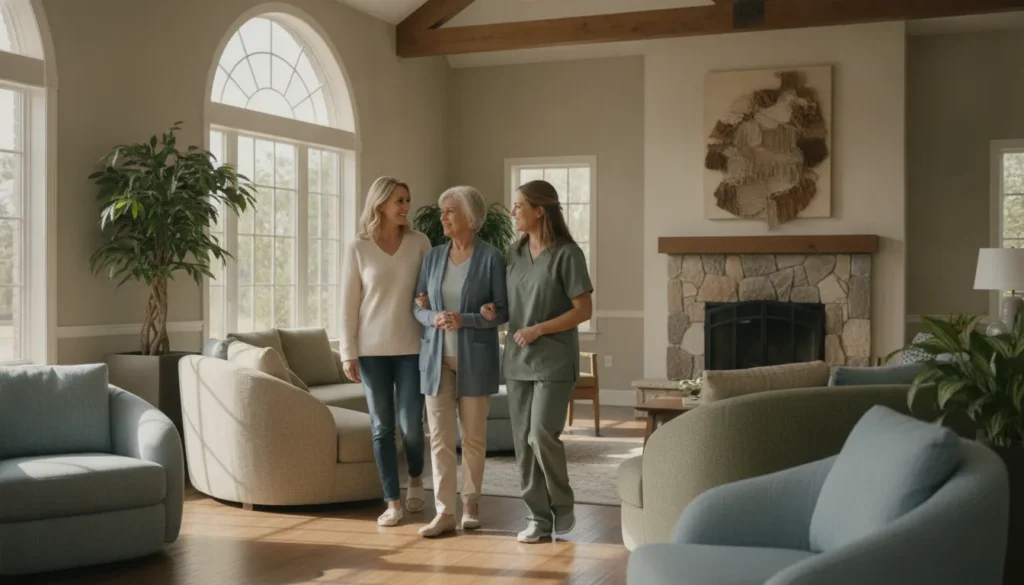
Non-medical caregivers can support safety by staying alert to everyday risks and helping the person move through familiar tasks with less confusion. They may help keep pathways clear, encourage the use of mobility aids, provide standby assistance during transfers, support safe bathing routines, and observe changes that should be shared with family or healthcare providers.
Families can also make the home easier to navigate by simplifying the environment. Clear labels, good lighting, secured rugs, uncluttered walkways, familiar objects, and consistent storage locations can reduce frustration. For some families, door alarms, stove safety devices, and medication systems may also be appropriate.
Safety planning should be realistic rather than fear-based. The goal is not to remove every possible risk, which is impossible. The goal is to create a home routine that protects dignity while reducing predictable hazards.
Routines Help Reduce Confusion and Agitation
Routine is one of the most valuable tools in dementia care. Predictable patterns can make the day feel more manageable because the person does not have to make as many decisions or interpret as many new situations. A consistent morning routine, regular meals, familiar music, quiet rest periods, and a steady bedtime process can all help.
A caregiver can reinforce routines in a calm, respectful way. Instead of rushing or correcting, the caregiver can offer one step at a time: choosing clothes, brushing teeth, preparing breakfast, taking a walk, folding towels, or looking through a photo album. These simple moments can support confidence and reduce the feeling of being lost in the day.
Routines should still allow flexibility. Dementia symptoms can vary by time of day, sleep quality, pain, stress, medication changes, or illness. A plan that works well on Monday may need to be softened on Tuesday. The best caregivers understand how to follow a plan without forcing a person through a difficult moment.
Communication Matters as Much as Tasks
Families often search for home care when daily tasks become difficult, but the way care is delivered matters just as much as the task itself. Dementia can make language processing slower. A loved one may repeat questions, lose words, misunderstand instructions, or react strongly to a tone that feels rushed or critical.
Supportive communication usually works best when it is simple, warm, and patient. Caregivers can use short sentences, offer limited choices, maintain eye contact when welcomed, avoid arguing about facts, and redirect attention toward something comforting. For example, instead of saying, “You already ate lunch,” a caregiver might say, “Let’s have some tea and a snack together.”
This approach protects dignity. People with dementia are not trying to be difficult. They are responding from a brain that is working differently. Compassionate communication helps them feel valued, understood, and safe.
Family Caregivers Need Respite Too
Dementia care can become emotionally and physically demanding for spouses, adult children, and other family members. The responsibilities often grow gradually: a few reminders become daily supervision, then personal care, then nighttime wake-ups, then constant worry about safety. Many families do not realize how exhausted they are until they have a dependable break.
If your family is stretched thin, contact Touching Hearts at Home of Aurora to discuss flexible care options in Aurora, Parker, Castle Rock, and nearby communities.
Respite is not a sign that a family has failed. It is a practical way to keep care sustainable. A trained caregiver can provide coverage for a few hours while a spouse rests, an adult child goes to work, or family members attend their own appointments. Regular respite can also help families spend more time as loved ones, not only as task managers.
For many households, respite care is the difference between crisis-driven decisions and thoughtful planning. When caregivers have time to sleep, think, and recover, they are better able to notice changes, communicate with healthcare providers, and make clear decisions about the next stage of care.
When Non-Medical Dementia Care Can Help
Non-medical home care may be helpful when a loved one is still living at home but daily life is becoming harder to manage safely or consistently. Families often notice patterns before they know what type of help to request.
Signs it may be time to consider in-home support include:
- Missed meals, weight changes, or dehydration concerns.
- Increasing clutter, laundry, or household tasks left unfinished.
- Falls, near falls, or trouble getting in and out of chairs, beds, or showers.
- Wandering, exit-seeking, or unsafe use of appliances.
- Confusion around appointments, routines, or medication reminders.
- Family caregiver exhaustion, resentment, anxiety, or loss of sleep.
- Changes in hygiene, clothing, grooming, or toileting routines.
- More frequent agitation, fear, loneliness, or isolation.
Home care can begin before a crisis. In fact, starting earlier often makes the transition easier because the person with dementia has time to become comfortable with a caregiver and routine. Care can begin with companionship or light support, then expand as needs change.
How Touching Hearts at Home of Aurora Builds Dementia Care Plans
Touching Hearts at Home of Aurora provides compassionate, non-medical support for older adults and adults over 18 living with medical conditions or disabilities. For dementia care, the goal is to support safety, comfort, dignity, and quality of life while helping families feel less alone in the process.
Care begins with understanding the person, not only the diagnosis. A care plan may consider daily routines, personality, food preferences, mobility, communication style, family concerns, home safety, and the activities that still bring comfort or joy. Touching Hearts also emphasizes RN oversight of care plans, which helps families feel confident that support is organized, thoughtful, and responsive as needs evolve.
Caregiver matching and continuity are especially important for dementia. Familiar faces can reduce anxiety and build trust over time. A caregiver who learns the person’s habits, stories, and triggers can provide more reassuring support than a constantly changing schedule.
Families can also explore practical questions, such as scheduling, service types, and payment planning. The Aurora site includes information about the cost of home care, and local families can request guidance based on their situation and care goals.
What Should Families Ask Before Starting Dementia Home Care?
Choosing care can feel overwhelming, especially when a loved one’s needs are changing quickly. A focused set of questions can help families compare options and understand what support will look like in real life.
- What dementia-related training do caregivers receive?
- How are caregivers matched with clients?
- Can the schedule change as care needs increase?
- How are care plans created, reviewed, and updated?
- How will the agency communicate changes or concerns to the family?
- What services are non-medical, and when should medical providers be involved?
- Can caregivers help with personal care, meals, light housekeeping, transportation, and companionship?
- What backup support is available if a caregiver is sick or unavailable?
These questions help families move from a general idea of “we need help” to a more specific plan that protects the loved one’s comfort and the family’s peace of mind.
Support for Aurora, Parker, and Castle Rock Families
Dementia care is personal. The right plan for one family may be very different from the right plan for another. Some families need a few hours of companionship each week. Others need daily personal care, evening support, or help during a transition after hospitalization. The common thread is the desire to keep a loved one safe, respected, and connected to familiar surroundings for as long as possible.
Touching Hearts at Home of Aurora serves families in Aurora, Parker, Castle Rock, and surrounding Colorado communities with personalized, compassionate non-medical home care. If you are noticing safety concerns, caregiver burnout, or changes in your loved one’s daily routine, it may be time to talk through options before the situation becomes urgent.
Inquire with Touching Hearts at Home of Aurora to learn how dementia care at home can support your loved one and give your family practical relief.