Managing a complex insulin schedule can quickly overwhelm a senior living alone in Aurora. Families often struggle to balance work with the needs of a loved one’s diabetes. Expert help allows these seniors to live safely in their own homes.
Managing senior diabetes at home focuses on non-medical support that helps older adults follow their doctor’s orders through meal prep, medication reminders, and blood sugar checks. Trained caregivers provide the daily structure needed to manage glucose levels and prevent health crises by helping with routines like light exercise and monitoring foot health. According to the CDC, diabetes self-management support helps people build the useful skills they need to stay healthy while remaining in their own homes. This consistent help allows seniors in Aurora to stay in their own houses instead of moving to a nursing home or a care center. By focusing on healthy food and routines, home care makes daily life with diabetes much easier for seniors and gives their family members peace of mind.
Schedule a Free In-Home Consultation
Many local families find that extra help is the key to managing this condition. The sections below walk through how diabetes affects seniors living at home and how the right non-medical care plan makes a measurable difference every day.

Managing Senior Diabetes At Home: How Does Diabetes Affect Seniors Living at Home?
Diabetes in seniors affects nearly every aspect of daily life, from meal planning and physical activity to medication timing and blood sugar monitoring. Non-medical home care bridges the gap between a doctor’s treatment plan and a senior’s ability to follow it independently, reducing the risk of complications and hospital readmissions.
Many seniors in Aurora live with type 2 diabetes. The condition requires constant attention to diet, activity, medication timing, and glucose monitoring. For older adults with limited mobility or mild cognitive decline. Keeping up with these demands without help can lead to missed doses, poor food choices, and dangerous blood sugar swings.
Daily challenges seniors face
Diabetes care involves more than monitoring blood sugar. Mobility limitations make it difficult to cook balanced meals or walk to the store for fresh ingredients. Memory issues can lead to forgetting insulin doses or skipping blood sugar checks entirely. This makes support for seniors with chronic conditions essential for staying safe at home.
Diet changes are often the hardest adjustment. Many seniors need help selecting fresh, low-glycemic foods and preparing meals that follow their doctor’s dietary guidelines. A caregiver takes the stress of meal planning off the senior’s plate, lowering the risk of blood sugar spikes throughout the day. Consistent meal timing alone can dramatically improve glucose control for seniors living alone. For a broader look at how home care supports multiple diagnoses, read our guide on chronic conditions senior home care supports.
The role of diabetes education and support
The CDC recommends Diabetes Self-Management Education and Support (DSMES) programs to help seniors learn how to manage their health. These DSMES programs give older adults practical tools for fitting diabetes care into their normal routine. When combined with in-home caregiver support, seniors can apply what they learn with confidence rather than feeling overwhelmed by medical instructions.
Education paired with daily assistance leads to better health outcomes. Seniors with a strong support team feel less stress and can focus on what they enjoy while staying on track with their glucose targets. This combination of knowledge and practical help is the foundation of effective senior diabetes care at home. Families new to home care can explore what care needs to look for as they build their support plan.
What Daily Support Do Non-Medical Caregivers Provide?
Non-medical caregivers help seniors manage diabetes daily by preparing low-glycemic meals, providing medication reminders, assisting with blood sugar tracking, encouraging gentle exercise, and coordinating with the care team. This practical support creates the daily structure that prevents small lapses from turning into hospital visits.
Managing senior diabetes at home requires consistent effort every single day. Seniors must watch what they eat, stay active, take medications on schedule, and check their blood sugar regularly. A professional caregiver provides the accountability and structure needed to keep all these tasks on track without the senior feeling nagged or overwhelmed.
Meal preparation and grocery support
Eating well is the foundation of diabetes management. Caregivers plan and prepare balanced meals that follow the doctor’s dietary guidelines. They shop for fresh ingredients, read nutrition labels to identify hidden sugars, and cook meals that keep blood sugar stable throughout the day. This hands-on help prevents the reliance on processed foods that often happens when seniors cook alone. Having fresh, pre-portioned meals ready in the refrigerator makes it easy for seniors to eat well without the stress of daily cooking.
Caregivers also ensure proper hydration, which helps the body process glucose more effectively. Dehydration can spike blood sugar, making water intake a serious part of diabetes management. Seniors and their families can learn more about this in our article on dehydration warning signs in seniors. Caregivers can prepare healthy snacks between meals, such as nuts, vegetables, or fruit, to prevent blood sugar dips. This level of daily meal support is one of the most valuable aspects of RN care management services for families who cannot be present at every meal.
| Task |
Family Doing It Alone |
With a Professional Caregiver |
| Meal prep |
Rushed, often relies on processed food |
Planned low-glycemic meals based on doctor’s orders |
| Blood sugar checks |
Missed when schedules get busy |
Consistent reminders and log tracking |
| Exercise |
Senior may skip due to lack of motivation |
Guided walks and safe movement every day |
| Medication |
Pill confusion and missed doses common |
Timely prompts and organized dispensers |
| Transportation |
Depends on family availability |
Reliable rides to medical visits |
Blood sugar monitoring and log tracking
The CDC recommends daily blood sugar checks as a core part of diabetes home care. Caregivers remind seniors to test at the right times, help them organize testing supplies, and assist with recording results in a daily log. These records become valuable data that the senior’s doctor reviews at each visit to spot trends and adjust treatment plans.
Medication prompts for daily safety
Keeping track of multiple daily medications is challenging for many seniors, especially those managing diabetes alongside other chronic conditions. Non-medical caregivers provide verbal prompts so seniors take their oral medications on time. They help organize pill dispensers and set phone alarms for each dose. While caregivers do not administer insulin injections, they ensure the senior remembers to self-administer according to schedule. This daily consistency is one of the most valuable aspects of in-home care for seniors managing chronic conditions.
How Can Seniors with Diabetes Exercise Safely at Home?
Safe physical activity helps seniors with diabetes lower blood sugar, improve insulin sensitivity, and maintain mobility. Non-medical caregivers provide companionship and safety monitoring during exercise, making movement a consistent and enjoyable part of each day while watching for signs of hypoglycemia.
Regular activity is a cornerstone of managing senior diabetes at home. When muscles work during exercise, they use more glucose for fuel, naturally lowering blood sugar levels. Physical activity also improves how the body responds to insulin, making each dose more effective. Even modest increases in daily movement can produce measurable improvements in glucose control.
Gentle exercise options for seniors
Seniors do not need a gym membership to stay active. Many safe exercises can be done at home with minimal equipment and a caregiver’s encouragement:
- Walking around the house, yard, or neighborhood
- Chair yoga or seated leg lifts
- Light stretching to maintain flexibility
- Balance exercises near a sturdy counter or chair
- Arm circles and shoulder rolls while seated
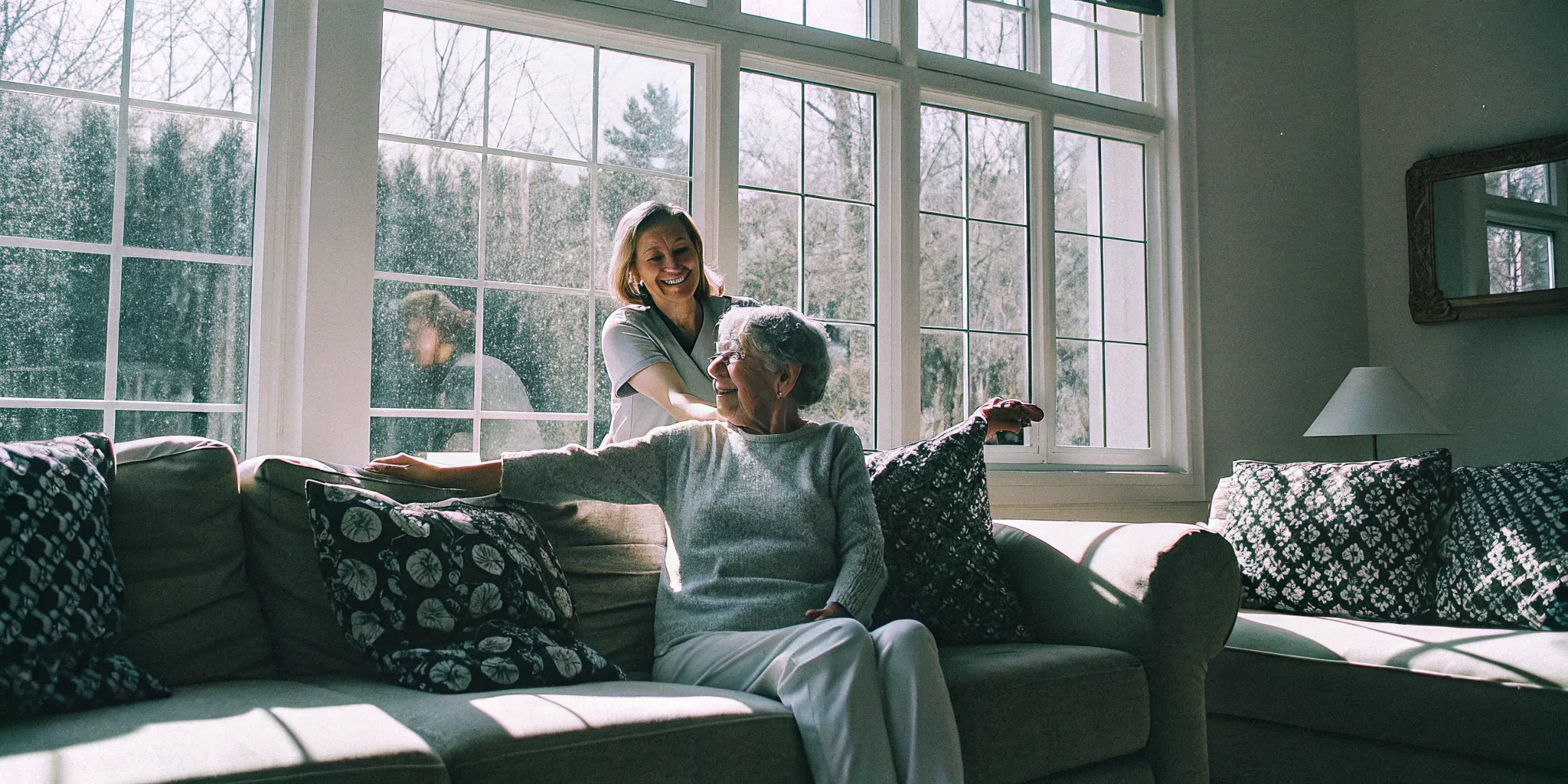
The CDC recommends aiming for 150 minutes of moderate activity per week, which breaks down to about 30 minutes on most days. Caregivers make this achievable by joining seniors for walks, guiding them through seated exercises, and ensuring they stay hydrated and safe throughout each session.
Safety considerations during physical activity
Blood sugar levels can change unpredictably during exercise, so having a trained companion present is essential. Caregivers watch for signs of hypoglycemia, including shakiness, sudden fatigue, sweating, or confusion. They can help the senior stop, rest, check their blood sugar, and have a small snack if levels drop too low. This safety net allows seniors to exercise with confidence rather than fear.
Our caregivers at Touching Hearts at Home Aurora provide in-home care services that make daily movement both safe and enjoyable. Walking after meals is especially effective for post-meal glucose management, and caregivers gently encourage this as a natural part of the daily routine. For seniors transitioning home after a hospital stay, our hospital-to-home care checklist offers practical guidance for a smooth recovery.
Can Caregivers Help with Medication Reminders and Blood Sugar Checks?
Yes, non-medical caregivers provide essential support for medication adherence and blood sugar monitoring. They set up reminder systems, organize pill schedules, maintain glucose logs. And coordinate with the supervising RN to ensure no dose is missed and no concerning trend goes unnoticed.
Diabetes management depends on strict adherence to medication and testing schedules. For seniors managing multiple health conditions alongside diabetes. Keeping track of everything without help can feel overwhelming and is one of the most common reasons families seek professional support.
- Setting up medication reminders. Caregivers use verbal prompts and phone alarms to help seniors take oral medications at the prescribed times each day.
- Organizing pill dispensers. Sorting medications into daily or weekly organizers prevents dangerous confusion between morning and evening doses.
- Maintaining a blood sugar log. Recording daily readings creates a clear, shareable record for the physician to review at each appointment.
- Recognizing warning signs. Caregivers are trained to spot subtle changes in mood or energy that may indicate high or low blood sugar levels.
- Coordinating with the care team. Daily logs and observations are shared with family members and the supervising RN to ensure seamless, informed care.
For families exploring their options, the frequently asked questions about in-home care page addresses medication support concerns in detail. Caregivers help seniors stay on track with their doctor’s orders, significantly reducing the risk of hospital visits caused by missed or inconsistent medications.
How Does RN Oversight Improve Diabetes Care at Home?
Touching Hearts at Home Aurora provides Registered Nurse oversight for every care plan. An RN conducts the initial assessment, reviews daily caregiver notes for health trends. Updates care plans as needs change, and coordinates with the senior’s physician to maintain safe, effective diabetes management at home.
Managing senior diabetes at home involves more than completing daily tasks. It requires ongoing monitoring for subtle changes that could signal developing complications. At Touching Hearts at Home Aurora, every care plan includes oversight from a Registered Nurse who ensures the non-medical support aligns with the senior’s evolving medical needs.
Personalized care planning and assessment
The process begins with a comprehensive assessment of the senior’s health status, home environment, and daily routines. The RN uses this information to build a customized care plan that guides caregivers on meal preparation, activity levels, and monitoring protocols. This RN care management service bridges the gap between companion-level assistance and skilled clinical oversight, providing a level of safety that standard home care agencies cannot match.
Ongoing health monitoring and plan adjustments
A senior’s condition can change rapidly with diabetes. The RN reviews daily caregiver notes and blood sugar logs, watching for trends that may require adjustments to the care plan. If blood sugar readings trend upward or the senior shows signs of reduced energy, the RN updates the care plan and notifies the family. This proactive approach prevents small issues from escalating into emergency room visits and hospital readmissions.
Peace of mind for families
Most basic home care agencies offer companionship and light housekeeping. Touching Hearts at Home Aurora adds a clinical layer that gives families genuine confidence. Knowing a registered nurse is monitoring their loved one’s condition allows family members to focus on their relationship rather than worrying about medical details. Families throughout Aurora, Parker, and Castle Rock trust this model because it combines compassionate daily support with professional clinical oversight. If you are comparing home care agencies, our FAQ page answers common questions about how our services and RN monitoring work.
Frequently Asked Questions
How does non-medical home care help seniors manage diabetes?
Non-medical caregivers help seniors manage diabetes by preparing low-glycemic meals, providing medication reminders. Assisting with blood sugar monitoring, encouraging safe physical activity, and coordinating with the senior’s healthcare team. This daily support helps seniors maintain stable glucose levels and avoid complications between doctor visits.
Can caregivers administer insulin or other diabetes medications?
Non-medical caregivers cannot administer insulin injections or change medication doses. However, they provide essential support by reminding seniors to take their medications on time, organizing pill dispensers, and helping track blood sugar readings. Registered Nurse oversight ensures the care plan aligns with the physician’s medical orders.
What meals should seniors with diabetes eat?
Seniors with diabetes benefit from meals rich in lean protein, non-starchy vegetables, whole grains, and healthy fats. Caregivers prepare low-glycemic meals following the doctor’s dietary guidelines, with emphasis on portion control and consistent meal timing to keep blood sugar stable throughout the day.
How does RN oversight differ from standard home care?
RN oversight adds a clinical layer to non-medical home care. A registered nurse conducts the initial assessment, creates the personalized care plan, reviews daily caregiver logs, monitors health trends, and updates the plan as the senior’s needs change. This ensures the care remains appropriate and effective as the senior’s condition evolves.
What exercise is safe for seniors with diabetes?
Safe exercises for seniors with diabetes include walking, chair yoga, seated leg lifts, light stretching, and balance exercises. Caregivers provide companionship and safety monitoring during activity, watching for signs of low blood sugar. The CDC recommends 150 minutes of moderate activity per week for optimal glucose management.
Call (303) 718-6438 for a Free In-Home Consultation