.
A silent home can make ordinary days harder and small safety concerns easier to miss. For a senior living alone, a steady visit can protect connection, comfort, and routine.
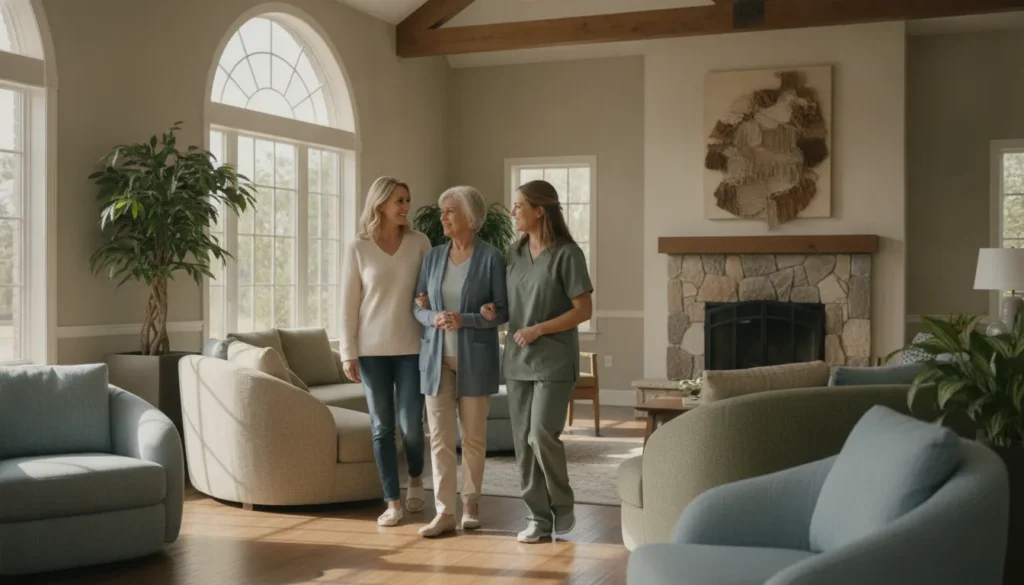
companion care Aurora CO is non-medical in-home support for seniors living alone. It provides connection, watchful check-ins, and help protecting safe, familiar daily routines. A companion can share conversation and encourage meals and activities. That familiar presence can also help families notice changes at home. Adults living alone face higher risk of loneliness. The CDC links loneliness and social isolation with major health risks. For Aurora families, companion care can support engagement and familiar routines at home. Regular human connection supports quality of life without taking away independence.
Families often ask where companionship ends and practical home support begins, especially when a loved one wants independence but spends long hours alone. In the next section, “What is companion care Aurora CO for seniors living alone?”, we define that support clearly. Here’s how.
What is companion care Aurora CO for seniors living alone?
Companion care Aurora CO is non-medical support for an older adult who wants to remain at home. It centers on time together, familiar routines, and practical help during the day. For a senior living alone, a scheduled visit can add welcome contact to a quiet week.
A steady human presence
Companion care starts with relationship-based visits. A caregiver may listen, share conversation, play a favorite game, or help the senior stay engaged with everyday interests. The purpose is connection and support, not medical treatment.
Living alone can raise the chance of loneliness. The CDC identifies adults living alone as one group that may be more affected by loneliness. The CDC also defines social isolation as a lack of relationships, contact, or support from others. A planned visit can bring conversation and shared activity into the home.
Everyday companionship, not skilled care
Non-medical companion visits can fit the person’s usual pace and preferences. The senior may prefer calm conversation one day and an activity on another. Depending on the care plan, time together may include:
.
- Conversation, reading, cards, crafts, or shared hobbies.
- Company during meals and help keeping a familiar daily routine.
- Encouragement for social activities and meaningful time with others.
- Regular check-ins that help families follow day-to-day needs.
.
Companion care does not mean skilled nursing or clinical treatment. It does not replace a nurse, therapist, or physician when medical care is needed. Touching Hearts at Home Aurora offers companionship services for older adults within its non-medical home care services. The Aurora care model also includes RN oversight for care plans as needs change.
Support for aging in place
Aging in place can feel more manageable when the day includes dependable human contact. A companion learns what matters to the senior, from morning conversation to favorite activities. That steady relationship supports choice and comfort in the home the senior knows.
Visits can be useful even when an older adult is independent in many daily tasks. Companionship adds a reliable social part of the week without changing the person’s sense of home. It can also help family members understand which routines bring comfort and engagement.
Adult children may be balancing work, family life, and concern for a parent living alone. Families exploring companion care at home can consider how visits fit a senior’s goals, habits, and comfort with support.
Signs a senior living alone may need companionship
Changes in contact and routines
Changes can begin quietly when an older adult lives alone. A parent who once called often may stop answering or end visits quickly. They may show less interest in favorite conversations. One quiet day is not a sign by itself; a pattern is worth a kind check-in.
Living alone can raise the chance of loneliness. The CDC describes social isolation as lacking contact or support from others. Families can notice missed calls, unopened mail, skipped hobbies, or meals no longer shared with friends. These clues invite conversation, not a label.
During a visit, notice whether plans keep falling away. A loved one may say they have no one to call. They may wait for family visits before doing simple activities. Listen first. Learn what connection would feel helpful, without pushing a schedule.
Home and community cues
A home can show changes that a phone call misses. Look for more laundry, food past its date, clutter in walkways, or a favorite chair used all day. Ask what has become hard or less enjoyable before assuming the reason.
Changes outside the home matter too. Someone may turn down church, card games, errands, walks, or family meals. Going out may now feel tiring or uneasy. Companionship may help with conversation and shared activities; it does not explain the cause of withdrawal.
Reluctance to leave home may reflect many things, from weather to less confidence with familiar routines. Offer a small choice, such as a short walk or a shared errand. Their response can show whether company makes an activity easier to start. Families exploring companion care at home can discuss support with these notes in mind.
When family concern persists
Caregiver worry counts as information. If visits bring fresh concerns each week, write down what changed and when it started. Compare notes with siblings or trusted neighbors. Keep the older adult at the center of the discussion.
Start with respect. Ask whether they would enjoy regular visits, help with an outing, or company during a meal. For families seeking companion care in Aurora, CO, the right fit is non-medical support shaped by the senior’s goals and comfort. Small, agreed-upon steps can show whether more social time helps daily life feel steadier.
How can daily companionship support safety at home?
Daily companionship supports safety by adding regular human contact to an older adult’s routine. A companion can arrive as planned, share conversation, and notice whether the day seems on track. This matters for older adults living alone, since the CDC notes that living alone can raise the risk of loneliness.
A steady daily rhythm
For families seeking companion care Aurora CO, safety may start with simple habits. A familiar visitor can offer meal and water prompts and help set out items for a usual activity. The visit can also encourage a steady pace through the day. These reminders do not replace medical advice, nutrition plans, or medication management.
Familiar routines also make it easier to spot a change. If a parent who usually enjoys lunch or a short walk skips both, a companion can note it and follow the care plan. Learn more about the local non-medical home care services available for daily support.
What a check-in can include
Each visit should match the person’s habits, home, and plan of care. Useful check-ins may follow a clear sequence:
- Connect at arrival. Greet the older adult and spend time in conversation, so the visit begins with calm, familiar contact.
- Support meals and hydration. Offer gentle prompts for a planned meal or drink, without giving clinical or dietary direction.
- Follow the usual routine. Help make room for hobbies, a walk, mail, or another safe activity the person enjoys.
- Accompany when planned. Join the older adult for an approved outing or appointment, based on the family care plan.
- Share noted changes. Report concerns, such as unusual confusion or a skipped routine, to family or the care team.
Clear limits and timely reporting
A companion’s role is observant and supportive, not clinical. The companion may notice a concern and share it with the right contact. This kind of presence can also support connection, since the CDC says that high-quality relationships are important for health and well-being.
Non-medical companionship does not diagnose symptoms, give skilled nursing care, or respond in place of emergency services. Chest pain, severe breathing trouble, a fall with injury, or another urgent event needs prompt emergency help. For non-urgent changes, families and the care team can decide what follow-up is needed.
Companion support compared with medical home health care
Companion support and medical home health care can both happen in a person’s home, but they answer different needs. Families searching for companion care Aurora CO may first ask what sort of help fits today. They may need connection and daily help, clinical attention, or a plan that includes both. Begin with the need you see now, then ask how it may change.
Different roles at home
Companion care is non-medical support built around social connection and everyday routines. For a senior who spends long days alone, it may include conversation, shared activities, meal support, errands, or a steady visit. The aim is to support life at home without calling the service medical care.
Medical home health care has a different purpose: addressing a health need through skilled clinical care at home. It may include care tasks that require licensed staff, as directed in a health care plan. A family may hear both terms during discharge planning or when needs grow more complex.
| Question. |
Companion support. |
Medical home health care. |
| Main purpose. |
Connection and day-to-day support. |
Skilled care for a health need. |
| Examples of help. |
Conversation, routines, outings, meal support. |
Clinical tasks in a care plan. |
| Who directs care. |
Client, family, and care provider. |
Licensed medical team involved in care. |
| Good first question. |
What daily help is missing? |
What clinical need must be addressed? |
.
Why families may need both
Choosing companion support does not mean ignoring health needs. An older adult can need regular company and help with routines while also receiving skilled services for a medical concern. The CDC notes that isolation and loneliness can raise health risks for older adults; social connection matters alongside medical follow-up.
In practice, care roles should stay clear. A companion may support a calm daily routine and tell the family about changes that cause concern. A clinician answers medical questions and directs clinical care. Families can ask each provider how updates will be shared and who to call first.
A useful first conversation
Start with the moments that worry you most. Examples include missed social time, trouble with a routine, or a new health issue. Ask, “Which needs are non-medical, and which require a licensed clinical provider?” That question helps prevent guesswork without forcing a decision too soon.
If daily connection is the current gap, read more about companion care for seniors before making a question list. Then review Aurora’s home care services to learn which non-medical help may fit. If medical concerns are present, include the health care team in that talk. Some families will need one kind of support now and both later.
Consistent support for families who cannot always be there
Adult children may balance work, children, appointments, and distance while supporting a parent at home. They may worry about missed conversation, an unshared meal, or a day that feels too quiet. Consistent companion visits can add a familiar point of contact when relatives cannot make every visit.
A steady point of contact
A companion can spend time talking, sharing hobbies, preparing for daily activities, or joining a planned outing. These visits are non-medical, and they do not replace family involvement or health care. They add another caring presence to a schedule that may otherwise have gaps.
Regular contact matters because social isolation means lacking relationships, contact, or support from others. The CDC describes social isolation as a health risk, even when a person does not feel lonely. A visit can offer connection without asking a family member to be in two places at once.
Shared routines and useful communication
Families often know the small details that make a day go well. A favorite card game, a preferred lunch time, or a weekly phone call may bring comfort and order. Sharing these preferences helps a companion follow the older adult’s habits rather than disrupt them.
Clear communication also helps relatives stay engaged. Families can agree on useful updates, such as whether a planned activity took place. They may also note when a routine seemed harder that day. Updates should be factual and respectful, while health concerns still go to the right care provider.
When families explore companion care for seniors, they can discuss social preferences, daily patterns, and family communication needs. This focus keeps the plan centered on the person at home. It also gives relatives a shared way to support routines across busy weeks.
Support that respects the family’s role
Companion care in Aurora, CO can help fill planned hours with conversation and day-to-day support. Family members still bring history, love, and decision-making to the relationship. The companion’s role is to support that circle, not to replace it or promise a specific result.
Schedules and needs can change over time. Families who are considering visits may start by listing routines, preferred activities, update needs, and questions about non-medical care. Touching Hearts at Home Aurora answers common care questions that can help families prepare for a discussion.
Choosing companion care in Aurora with confidence
Start with the person, not the schedule
A first conversation about companion care in Aurora, CO should begin with daily life. What does your loved one enjoy, and what parts of the week feel too quiet or hard? Note favorite routines, hobbies, faith or community ties, pets, meals, and outings. This helps a caregiver support connection in a familiar way.
Talk gently about time spent alone and chances for regular company. The CDC explains that adults living alone may face a higher risk of loneliness. This does not mean deciding what someone needs without them. It means asking which visits, conversations, walks, or shared activities would feel welcome.
Details to bring to an initial conversation
Write down practical needs before a call. Include the days and hours when companionship would help most, transportation or errand needs, preferred activities, and who should receive updates. Families may also want to share changes they have noticed, such as missed social plans or less interest in usual routines.
- What goals matter most: company, outings, meal-time support, hobbies, or family respite?
- Which routines should stay the same, and which tasks now need added support?
- How should the caregiver and family share updates or schedule changes?
- How will the plan change if visits need to increase or daily needs shift?
It can also help to read about companion care for seniors before speaking with a provider. A prepared family can spend less time recalling details and more time listening to the older adult’s wishes.
Questions about support and fit
Ask what companion visits may include, how caregivers are matched, and what happens if the first match is not comfortable. Confirm that companion care is non-medical, so expectations remain clear. Ask how often the plan is reviewed, what updates families can expect, and how a change in needs is handled.
Touching Hearts at Home Aurora describes non-medical companion support with RN oversight of care plans. That oversight can help guide updates as needs evolve, without turning companionship into medical care. Families can start a conversation with the Aurora team to discuss goals, timing, communication, and next steps.
Frequently Asked Questions
How much do people pay for companion care in Aurora, CO?
Companion care pricing in Aurora varies by visit length, weekly schedule, requested tasks, and whether a family needs occasional check-ins or recurring support. Since needs differ, the most accurate cost comes from discussing the senior’s routine and preferred schedule with a local provider. Families should request written details on hourly rates, minimum visit times, scheduling changes, and any additional fees before starting care.
Does insurance cover the cost of companion care?
Coverage for non-medical companion care depends on the person’s plan and the reason support is needed. Families should ask the insurer or benefits administrator whether companionship, respite support, or personal assistance qualifies, what records are required, and whether approved providers are needed. They can also ask the care provider for an itemized service plan, then compare covered services with out-of-pocket needs before scheduling visits.
What is the difference between companion care and medical home health care?
Companion care is non-medical help centered on conversation, social engagement, daily check-ins, routines, and light activity support. A companion may also notice changes families may want to know about. Medical home health care is provided for clinical needs ordered or managed by qualified health professionals. A senior may need one or both services. Families should choose care based on current safety needs, health instructions, and desired support at home.
How can companion care improve quality of life for seniors in Colorado?
Companion care can add regular conversation, shared activities, meal companionship, and a dependable check-in for an Aurora senior living alone. These visits may support connection and help family notice changes in mood or routine sooner. The CDC identifies older adults and adults living alone among groups more likely to experience loneliness. It also links isolation and loneliness with health risks.
Ready to Plan Companion Care for an Aurora Senior?
Time alone can make missed routines and quiet changes harder for families to notice. Waiting may increase worry when your loved one needs connection, reminders, or a reliable check-in. Starting now gives you time to discuss preferences and plan steady support before concerns become urgent.
Ready to plan care with confidence? Contact our Aurora team to schedule a conversation about companion care for your loved one. You can share daily routines, safety concerns, and the kind of companionship that feels comfortable at home. It also creates space to coordinate check-ins around your family’s schedule and your loved one’s comfort. A timely conversation can help your family choose next steps without rushing an important decision. Contact us today to begin a thoughtful plan for support in Aurora.