Blog > Blog » Early Signs of Alzheimer’s vs Normal Aging
Early Signs of Alzheimer's vs Normal Aging
Early Signs of Alzheimer’s vs Normal Aging
Forgetting where you left your keys is different from forgetting how to use them to start a car. Losing things once in a while can happen with age, but losing the ability to retrace your steps deserves attention.
The early signs of Alzheimer’s vs normal aging often differ in how much a change disrupts daily life. Occasionally forgetting a name or appointment can happen with age. Repeated problems with familiar tasks, bills, time, judgment, or conversation call for a medical evaluation. According to the Alzheimer’s Association, warning signs can also involve vision, spatial relationships, mood, and social withdrawal. No single sign confirms Alzheimer’s, and a qualified clinician should assess concerning changes.
Spotting patterns early gives your family time to seek answers and plan ahead. Start with the early signs of Alzheimer’s vs normal aging at a glance.
Early Signs Of Alzheimer’s Vs Normal Aging: Early signs of Alzheimer’s vs normal aging at a glance
Normal aging may cause occasional memory slips, while repeated changes that disrupt familiar tasks or daily life deserve a professional evaluation.
Getting older brings many changes to the body and mind. It is common for seniors to forget a name or lose their keys now and then. But how do you know if a loved one has usual age changes or the early signs of Alzheimer’s? Knowing the line between the two can help your family find the right path.
Normal aging is a natural part of life. Alzheimer’s disease is different because it is an illness that gets worse over time. Most people have some memory slips as they age. But these slips do not usually stop them from living their lives. When memory loss gets in the way of daily tasks, it is time to look closer.
Memory and word changes
Memory problems do not always mean a person has dementia. Many seniors sometimes forget which word to use or miss a monthly payment. These are often just signs of a busy mind or the slow-down that comes with age. You can usually find a lost item by going back over your steps.
In contrast, early Alzheimer’s may make it hard to learn new things or follow a talk. A person might ask the same question many times because they cannot hold onto the answer. This type of decline can make it hard for seniors to stay social. Touching Hearts at Home Aurora offers Alzheimer’s and dementia care to help families support a loved one at home.
Task or Skill
Normal Aging
Worry Signs
Losing items
Losing things once in a while.
Losing things often and not finding them.
Finding words
Forgetting a word but knowing it later.
Trouble having a full talk.
Tracking time
Forgetting the day but knowing it later.
Losing track of the date or the season.
Paying bills
Missing one monthly payment.
Having big problems with monthly bills.
Making choices
Making a bad choice once in a while.
Making poor choices most of the time.
Daily life and focus
A big clue is how well a person handles their daily routine. A senior might need help with a new phone or a complex TV remote. This is normal. But if they forget how to do a task they have done for years, it is a big concern. This might include cooking a meal or driving to the store.
Early Alzheimer’s can also change how a person acts or feels. You might notice a loss of interest in hobbies or a change in their mood. Some people may start to pull away from friends and family. If you see these shifts, your senior may benefit from added support at home to stay active. Having a helper can reduce stress for the whole family.
Getting an expert check
If you are worried about a family member’s memory, the best step is to talk to a doctor. Only a medical expert can give a real diagnosis. They will look at the person’s health history and run tests to see what is causing the slips. Sometimes, things like stress or lack of sleep can look like memory loss, so a full check is key.
Knowing the truth early gives your family more time to plan. It allows you to look at care options and set up a safe home life. While these talks can be hard, they are the best way to protect your loved one’s pride. Early action helps ensure that seniors get the help they need to live well for as long as possible.
When do memory changes become concerning?
Memory changes become concerning when they repeat, worsen, or interfere with everyday routines, communication, finances, or safety.
Most people forget a name or lose their keys now and then. These small gaps are a normal part of life. But when memory loss starts to get in the way of your day, it may be a sign of something more. Knowing the early signs of Alzheimer’s vs normal aging helps you know when to seek help.
Disruption of daily life
In a healthy brain, you might forget which day it is but remember it later. This is often just a slip of the mind. But a person with dementia may lose track of the date or even the time of year. A study by the NIA shows that this can be a key sign. They might find it hard to finish tasks they have done for years, like cooking a meal.
Missing one bill payment can happen to anyone as they age. But if a loved one has constant trouble with money, it could be a sign. These brain changes often make it hard to plan or solve simple problems. They may take much longer to do things that used to be easy.
Repetition and loss of items
Everyone loses their phone once in a while. In normal aging, you can usually retrace your steps to find what you lost. Someone in the early stages of Alzheimer’s may put things in strange places. They are often unable to find them again. They may also repeat the same questions because they forget the answer they just heard.
Our team at Touching Hearts at Home Aurora often sees these signs while giving dementia care. We help families watch for these shifts. If you see your loved one struggling to follow a talk or find the right words, take note. This is more than just having a word on the tip of your tongue.
Seeking a professional view
If memory changes cause worry for you or your family, talk to a doctor. An expert can look at the whole picture to find the cause of the problem. Some memory issues come from stress or low vitamins. The NIA recommends a check-up if these changes start to cause concern.
Getting a clear view early gives you more time to plan. It also lets you find use dependable in-home help if that is what your family needs. Our care team in Aurora helps track these changes. This gives you the best info to share with your doctor.
What changes beyond memory should families notice?
Families should notice new difficulties with planning, familiar tasks, time or place, visual-spatial skills, mood, behavior, and social engagement.
Memory loss is a common sign, but it is not the only way the brain changes. Families often notice small shifts in how their loved ones handle daily life. These changes can show early signs of Alzheimer’s vs normal aging. Knowing these non-memory signs is key to getting help early for a parent or spouse.
Difficulty with tasks and planning
Many people sometimes forget to pay a bill or miss a monthly payment. But a person with Alzheimer’s may have constant trouble with money or bills (Source: NIA). They might struggle to follow a simple recipe or keep track of their spending. This is more than a simple slip; it is a change in how they solve everyday problems.
As the disease moves on, even routine tasks like bathing or dressing can become hard to finish (Source: NIA). A senior who was always neat might start to look messy or skip their care. They may also take much longer to do things that used to be quick and easy. If you see these patterns, it might be time to look for get support with daily routines to help keep them safe.
Confusion of time and place
It is normal to forget what day it is and remember it later. A concerning pattern is losing track of the date or even the season (Source: NIA). A loved one might forget where they are or how they got to a place. This confusion can lead to wandering and getting lost, even in spots they know well.
Some people also have trouble with visual images or space (Source: NIA). They might have a hard time judging distance or seeing colors clearly. This can make driving or walking less safe. A doctor should evaluate new or concerning changes.
Changes in mood and behavior
Families should watch for shifts in mood and how a person acts. A loved one might become fearful, anxious, or easily upset. They may lose their drive to start things or try new tasks (Source: NIA). This often leads to them pulling away from others. They might stop going to church, visiting friends, or doing their hobbies.
Touching Hearts at Home Aurora provides supportive Alzheimer’s and dementia care that can help seniors stay engaged at home. Caregivers may note shifts in mood or habits that families can share with a clinician. Home care does not diagnose the cause of these changes.
When should you seek a professional evaluation?
Seek a professional evaluation when changes are persistent, repeated, or affect daily life; seek prompt medical help for sudden confusion or rapid changes.
Many folks in Aurora worry when they see a senior forget a name or lose their keys. Some memory slips are a normal part of getting older. But other slips may mean they need to see a doctor for a check-up. Knowing the gap between aging and sickness helps you take the right steps. It is vital to watch for signs that are not just simple aging.
When you spot these changes, it can feel scary for the whole house. You might not know if a slip is just a one-time event or a sign of a big issue. Taking time to watch and listen is the first thing you should do. This helps you give the doctor the facts they need to help your loved one.
Signs needing medical care
It is normal to lose things once in a while. But losing items often and being unable to find them is a real concern. You should also watch for changes that get in the way of daily life. This might include trouble with paying bills or getting lost in a place they know well. These are common flags that show a need for an expert medical check.
Look for signs that repeat over and over. If your loved one asks the same thing many times in one hour, that is a sign. It is also a sign if they stop doing things they used to love. These shifts in mood or the way they act are often linked to more than just age. If memory changes cause fear for you or your family, talk with a doctor about these signs right away.
Steps for a medical answer
Finding the cause of memory loss starts with a clear plan. You do not have to do this alone. Use these steps to get the help your family needs as you look for a clear answer.
Keep a daily care log. Write down the times when your loved one seems lost or has a mix-up. This log helps the doctor see the full picture.
See a main care doctor. Share your log during this visit so the doctor can see the patterns. They can check for other health issues that may look like memory loss.
Check all current pills. Some drugs can cause side effects that mimic dementia. The doctor will see if a change in medicine helps clear up the mix-up.
Ask for a brain expert. This type of expert, like a neurologist, can run more tests to find the cause of memory loss. This helps find the gap between early signs of Alzheimer’s vs normal aging.
Make a home safety plan. You may explore home care options to keep your loved one safe while you find an answer. This gives you extra help with daily tasks.
Sudden versus slow changes
Most memory issues like Alzheimer’s grow over a long time. They are often slow and hard to see at first. You might only notice them when looking back over a few months. But sudden mix-ups are not a normal part of this process. If your loved one is suddenly very confused about where they are, seek medical help right away.
A fast change in how someone thinks is a health event. This could be a sign of a fast health problem like a stroke or a bad sickness. These issues need a doctor to act fast to stop more harm. For slow changes, a calm and steady path to a doctor is the best way to move forward. Taking these steps early can help your loved one stay safe and feel at ease.
How can families prepare for the appointment?
Families can prepare by recording specific changes, gathering medication and health information, and involving their loved one respectfully in the visit.
Getting ready for a doctor visit is a key step for any family. It helps you get clear facts about your loved one’s health. You should go to the clinic with a clear plan and the right data. This makes it easier for the doctor to find the cause of the problem.
A detailed care journal
Start by tracking what you see at home each day. Note clear times when your loved one seems mixed up or forgets a name. Are they losing their keys once a month or every day? Do they have trouble having a talk or finding the right words? These details are key for the medical team.
Doctors look for patterns to find the difference between early signs of Alzheimer’s vs normal aging. Write down how these lapses affect their daily life. For example, note if they can still pay bills on time or if they need help with a bath. A log of these events gives a clear look at their brain health. It removes the guesswork from the visit.
Pills and health changes
Make a list of every pill or vitamin your loved one takes. Some drugs can cause side effects that look like dementia. Also, look for recent changes in their health or mood. A simple illness or a lack of sleep can lead to sudden confusion.
Family members and caregivers can help you note shifts that may be useful to discuss with a doctor. You can also use our guide to see if your senior may need help at home. Giving the doctor a full health history helps them consider other causes and focus on the main concern.
Respectful ways to involve them
Talk to your loved one about the visit before the day comes. Use a kind and calm voice. Tell them the goal is to keep them safe and let them live in their own home longer. You can frame the visit as a checkup to look for easy-to-fix issues like low vitamin levels.
Focus on being a team during the process. Ask them how they feel about their memory and listen to what they say. This respect helps lower their stress. It makes them more likely to share. The National Institute on Aging says you should talk with a doctor about any memory change that worries you. This open talk keeps your loved one in the center of their own care.
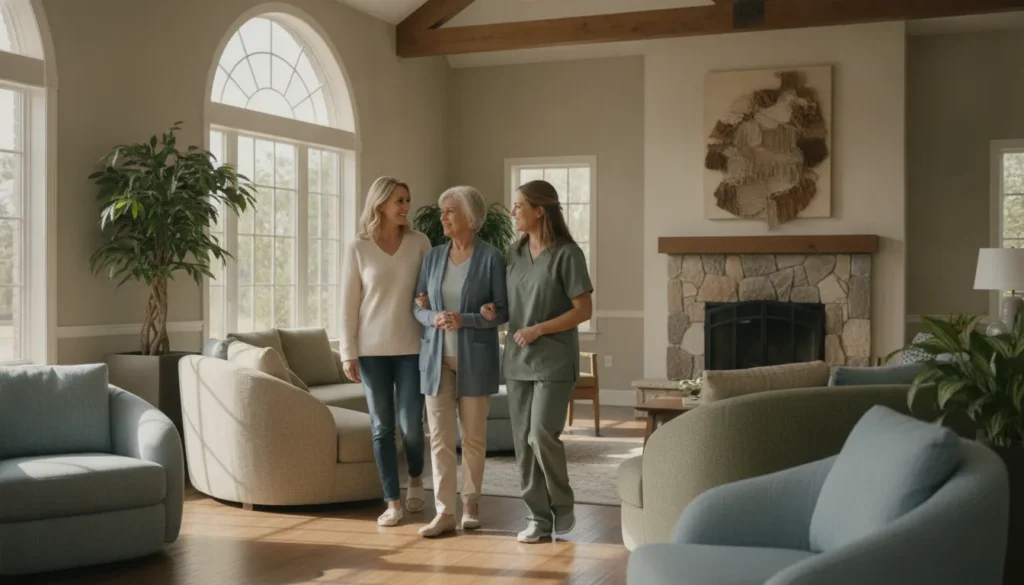
Steady routines and companionship can help older adults feel supported at home.
How can added home support help?
Non-medical home support can provide steady routines, companionship, safety awareness, and respite while families pursue medical guidance.
When you start to see changes in a loved one, you may feel unsure of what to do next. It is hard to know the gap between early signs of Alzheimer’s vs normal aging. While you wait for a doctor’s visit, added support at home can help. Non-medical home care offers a way to keep your senior safe and at ease. This type of care focuses on the person, not just the health issue. It helps them stay in the place they love most while getting the help they need to do well.
Building steady daily routines
A set routine is very helpful for seniors who may have memory loss. Steady days can lower stress and help stop confusion. Helpers assist with daily tasks that might become hard over time. This includes help with light cleaning, meal prep, and reminders for self-care. Having a steady schedule helps a senior feel more in control of their life. It also ensures they eat well and stay active, which is key for their health.
Trained caregivers can also watch for new safety concerns in the home. They may notice if a senior starts to have more trouble with daily tasks like using the stove. By having someone there, you can reduce the risk of falls or other mishaps. This watchful eye is vital during the early stages of thinking changes. It allows a senior to keep their freedom at home without being at risk while they are alone.
Promoting pride through friendship
Memory problems can lead to a sense of loss or shame. Many seniors fear they will lose their self-respect as they age. Quality companionship services provide meaningful social contact and a steady presence. Caregivers can play games, look at old photos, or simply talk about the day. This social bond helps seniors feel valued and heard, even as their memory changes.
Kind care also respects the senior’s choices and habits. Instead of doing everything for them, caregivers help them do what they still can. This approach is a core part of dementia care at home. It focuses on the person’s strengths rather than their limits. By valuing their past and who they are, home care helps seniors live with dignity.
Giving family caregivers a rest
Caring for a family member is a big job that can lead to burnout. Family caregivers often miss out on their own health and needs. Home support provides the rest you need to recharge and care for yourself. Knowing a trained helper is there allows you to step away without worry. You can go to work, run errands, or simply sleep. This balance helps you be a better caregiver when you are with your loved one.
Trained support also brings a new set of eyes to the home. Caregivers can write down small changes and keep a care journal. These notes are very helpful when you talk to the primary care doctor. They provide a clear picture of how your loved one is doing from day to day. While home care staff do not give medical care, what they see helps the whole care team make better plans. This teamwork gives the entire family more peace of mind during a hard time.
How do you start a respectful family conversation?
Choose a calm setting, share specific observations without labels, listen closely, and focus on taking the next step together.
Starting a talk about memory changes can feel hard. You want to help, but you also want to be kind. June is Alzheimer’s and Brain Awareness Month, which is a good time to bring this up. It is a time to focus on brain health and help those we love. Use this chance to talk about any new things you see.
It helps to plan before you sit down. Choose a quiet place where you both feel safe. Make sure you have enough time so no one feels rushed. The goal is to show you care, not to cause fear. By talking early, you can find the best ways to help.
Use clear examples
When you talk, do not use big labels or health terms. Instead, talk about things that happened. You might say, “I saw that you had some trouble with the bills last week.” This is better than saying they are losing their memory.
Real notes help the talk stay calm. It is okay to mention that some forgetfulness can be a normal part of aging, but you want to be sure. By using real events, you avoid making them feel judged. This makes it easier for them to hear what you have to say.
Focus on listening
Your loved one may be scared or even a bit mad. Give them time to share how they feel. They might have seen these changes too and felt worried. Listen to their words without cutting in.
Ask open questions like, “How have you been feeling lately?” This lets them lead the talk. We often see that supportive home care during Alzheimer’s starts with these small, kind steps. When they feel heard, they are more likely to accept help later on.
See a doctor together
The best next step is to see a doctor. Frame this as a way to get peace of mind. You can say you want to find things that are easy to fix, like a low vitamin level or a minor bug. This takes the weight off the word “dementia.”
A doctor can help tell the difference between early signs of Alzheimer’s vs normal aging. Tell them you will go with them and hold their hand. This shows you are a team. Having a pro look at the facts takes the guesswork out of the plan. It helps you both move forward with a clear path.
Frequently Asked Questions
These answers explain evaluation, possible causes of memory changes, appointment preparation, mood changes, and supportive home care.
Can a doctor diagnose Alzheimer’s with just one test?
According to the National Institute on Aging, there is no single test to find the disease. Doctors use many tools to find a clear answer. They look at health history and run brain scans. They also test memory and thinking skills. Sometimes brain changes like plaques show up, but not everyone with these changes gets dementia. A full check helps find other health issues that might look like memory loss.
Does Alzheimer’s cause severe mood swings?
Alzheimer’s can involve shifts in how a person feels or acts, but mood changes can have many causes. A person may feel fearful or anxious, act unlike themselves, or lose interest in activities. Families should share new or severe changes with a qualified clinician rather than assuming the cause.
How can home care help someone with early-stage Alzheimer’s?
Home care can help seniors who wish to stay in their own homes. Caregivers from Touching Hearts at Home Aurora offer non-medical support with daily tasks and routines. Services may include help with personal care, light chores, and companionship. This support can also give family caregivers time to rest.
Are memory changes always caused by Alzheimer’s disease?
No. Memory changes can have many causes, including stress, lack of sleep, medication side effects, vitamin deficiencies, and other health conditions. A qualified clinician can evaluate concerning changes and identify possible causes.
What should families document before a medical appointment?
Families should record specific changes, when they happen, how often they occur, and how they affect daily life. They should also bring a current list of medications, vitamins, recent health changes, and questions for the clinician.
Ready to find the best care for your loved one in Aurora?
Touching Hearts at Home Aurora can help families explore personalized in-home support that respects a loved one’s routines and dignity.
If changing needs make daily life harder, added support can give your family more time to consider care choices. Our team can help you build a plan for dementia care that respects your loved one’s routines and dignity at home.