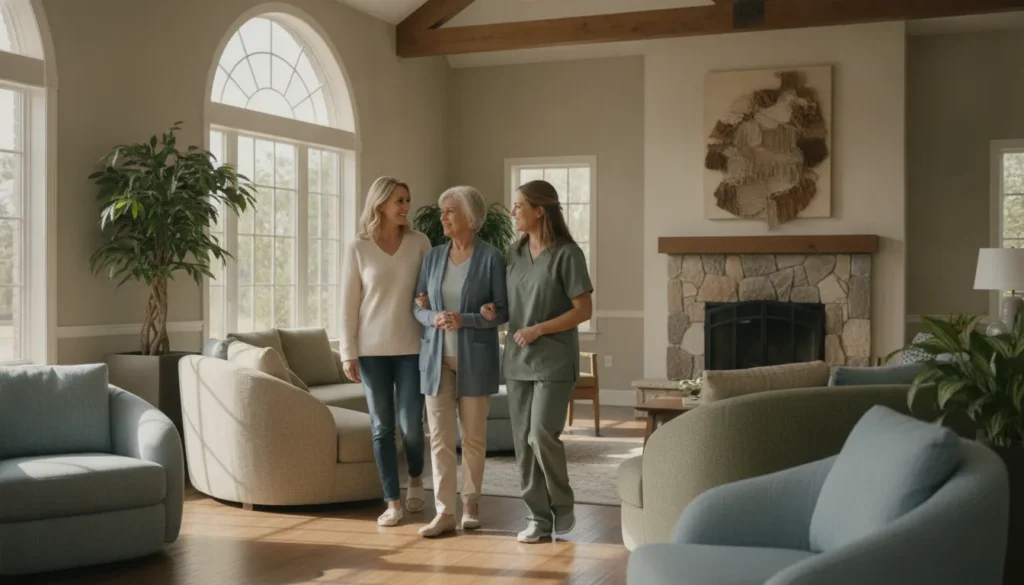
Parkinson’s can turn a familiar morning routine into a string of small hurdles. For families in Aurora, the right help can preserve independence without taking over.
Request a personalized Parkinson’s home care conversation.
Parkinson’s home care provides personalized, non-medical support that helps a loved one manage everyday routines while remaining as independent as possible at home. Caregivers can assist with personal care, meals, light housekeeping, companionship, transportation, and a steady daily rhythm. They can adjust their help to the person’s needs without taking over the parts of the day they can still manage. Because the Parkinson’s Foundation notes that care needs progress as the disease advances, families should revisit the plan over time and add support as needed. For families in Aurora, this practical help can ease the daily load while honoring the choices, routines, and dignity that still matter deeply each day.
Families often want to know what support can make daily life more manageable without making a loved one feel sidelined. How Parkinson’s home care supports daily independence starts with the ordinary parts of the day, from getting ready to staying engaged. Here’s how.
How Parkinson’s home care supports daily independence
Parkinson’s home care can help a loved one keep familiar routines while getting practical support at home. The goal is not to replace medical care or take over every task. Instead, non-medical care can make each day more manageable, steady, and personal.
Support shaped around the day
Needs can shift as Parkinson’s changes. A caregiver can follow the person’s usual pace and offer help where it matters most. That may include getting dressed, preparing meals, tidying the home, or planning the day’s activities. The support should fit the person’s habits, choices, and current comfort level.
This approach leaves room for independence. Some people may want a reminder or a steady presence nearby. Others may need hands-on help with a daily task. Touching Hearts at Home Aurora offers non-medical home care services that can be shaped around those changing needs.
Everyday routines that feel familiar
A familiar schedule can give the day more structure. Caregivers may help with simple routines such as:
- Setting out clothes and personal care items.
- Preparing meals and keeping the kitchen in order.
- Planning calm activities, visits, or errands.
- Offering companionship during quiet parts of the day.
- Sharing helpful observations with the family.
Research on home-based nursing for Parkinson’s describes assessment and support among the roles provided in home care. The published review of Parkinson’s home care nursing also notes treatment management and safety assessment. A non-medical caregiver has a different role. Still, a steady presence can help families notice daily changes and raise questions with the care team.
A practical complement to mobility support
Daily independence is about more than movement. It also includes comfort, choice, social connection, and the ability to take part in familiar tasks. A caregiver can provide enough help to reduce strain while still letting the person remain involved.
Mobility and fall prevention still matter. Families who want more detail can read about in-home Parkinson’s care support. This broader daily approach adds help with routines, companionship, and personal care without promising a medical result.
What can a caregiver help with each day?
Parkinson’s home care works best when support follows a familiar rhythm. A caregiver can help the person start, move through, and end the day with less strain. The plan should still leave room for choice. Some tasks may need more help on one day than on another.
A steady daily rhythm
Morning support may include getting dressed, grooming, personal care, and preparing breakfast. A caregiver can offer a steady hand during transfers or walking. They can also keep paths clear and place often-used items within reach. These steps matter because fall prevention and home safety are key concerns for people living with Parkinson’s.
Midday may center on a meal, light household tasks, errands, and a short activity. The activity might be a walk, a favorite hobby, music, or conversation. Transportation support can make medical visits and social plans easier to manage. For more detail on mobility and safety, families can read about in-home Parkinson’s care support.
Routine support and added help
A care plan can match the person’s daily habits, energy, and comfort level. The table shows how routine help may shift when a task feels harder. It is not a fixed schedule. The caregiver can slow the pace, break a task into smaller parts, or offer more hands-on help.
| Part of the day. |
Routine support. |
Added help when needed. |
| Morning. |
Grooming, dressing, breakfast, and a reminder for scheduled medication. |
More time for personal care and closer mobility support. |
| Midday. |
Lunch, hydration, companionship, and light household support. |
Simple meal setup and a quieter activity. |
| Appointments. |
Transportation and help keeping the day’s plan organized. |
Extra time for safe entry, exit, and walking. |
| Evening. |
Dinner, tidying, and preparation for the next day. |
A slower routine and help placing needed items nearby. |
Meal support can range from making a simple dish to setting up food and cleaning the kitchen. Household help may include laundry, light tidying, or organizing the day’s essentials. Companionship also has a practical role. A calm presence can help the person stay engaged without making the day feel rushed.
Clear non-medical boundaries
A non-medical caregiver supports daily living. They can give medication reminders, but they do not prescribe drugs or change doses. They can help with mobility, but they do not replace a physical therapist. They can notice a change and share it with the family or care team.
Touching Hearts at Home Aurora provides non-medical help through care plans overseen by registered nurses. This gives families a clear way to discuss changes while keeping daily support within its proper role. Families can review the available home care services when deciding which tasks need regular support.
Build a steadier routine around changing needs
A familiar pattern can make daily life easier to follow. Parkinson’s home care does not mean forcing every day into a rigid schedule. It means giving the day clear anchors while leaving room for a slower pace. The goal is steady support that respects your loved one’s choices and independence.
A calm start to the day
Begin the morning with the same simple cues. Keep wake-up time, washing, dressing, and breakfast in a familiar order when possible. Let your loved one set the pace. If the morning is harder, pause or simplify the next step instead of rushing.
Meals can serve as useful anchors during the day. Keep familiar foods, seating, and timing when they still work well. A caregiver can help with meal setup and cleanup, then adjust the level of help as needed. Our article on in-home Parkinson’s care support covers related ways to help with daily tasks.
Plans with breathing room
Keep errands and appointments manageable. Choose one main outing when possible, allow extra time, and avoid stacking too many plans together. A published guide on fall prevention and home safety for people with Parkinson’s supports a thoughtful approach to daily movement. A calm plan leaves more room to respond when a day changes.
When an appointment no longer fits the day, change the sequence without treating the schedule as a failure. Move a nonessential errand, offer a break, or save a task for another day. Keep one familiar anchor, such as lunch or a quiet afternoon activity. This keeps the routine recognizable without making it rigid.
Companionship and evening cues
A routine is not only a checklist. Companionship can give shape to the open spaces between meals and outings. Offer a familiar activity, such as conversation, music, a short walk, or looking through photos. Follow your loved one’s interest and energy instead of filling every minute.
- Keep the evening meal and bedtime steps in a familiar order.
- Use simple choices, such as picking between two activities.
- Leave time for rest when the day has taken more effort.
- Write down changes that the family may want to discuss together.
On some days, a simple routine is enough. On others, a caregiver may need to do more while preserving choice and dignity. Families considering added help can review our non-medical home care services and think about where support fits best.
How do you start a care conversation with a loved one?
A care conversation should not begin with a list of problems. Start with your loved one’s goals, routines, and concerns. The aim is to explore support together while respecting their voice and independence.
A calm time and place
Choose a quiet moment when no one is rushed or upset. If possible, talk before a fall, missed meal, or stressful day creates urgency. Frame the discussion as a way to make daily life easier, not as a decision already made.
- Ask permission to talk. Try, “Could we talk about what feels easy and what feels harder at home?” A simple opening gives your loved one room to participate.
- Listen before suggesting help. Ask which parts of the day take the most energy. You may hear concerns about dressing, meals, errands, or getting around the house.
- Focus on the person’s priorities. Ask what they want to keep doing on their own. Then discuss help that supports those goals instead of taking over.
- Start with a small next step. Suggest help with one routine or a few visits each week. A limited first step can feel less daunting than a broad care plan.
- Plan another check-in. Needs and preferences can change. Set a time to ask what worked, what did not, and what should change.
Questions that keep the person at the center
Use clear, open questions. Ask. “What part of your morning feels hardest?” or “Which tasks would you most like help with?” You can also ask what kind of caregiver presence would feel comfortable in the home.
Safety can be part of the discussion without becoming the whole discussion. A caregiver guide to falls prevention and home safety supports talking about safer daily routines. Ask which areas of the home feel less steady or harder to use.
A shared plan for daily support
When your loved one is ready, connect each concern to a practical kind of help. Our article on in-home Parkinson’s care support explains how support can fit around daily tasks, medication, and fall prevention.
Keep the first plan specific and flexible. Write down what your loved one agreed to try, who will follow up, and when you will revisit the plan. Respectful Parkinson’s home care starts with partnership, not pressure.
Talk with Touching Hearts at Home Aurora about daily support.
Support for the whole family, not just the schedule
A reliable extra set of hands
Parkinson’s home care can give families steady help with the practical parts of each day. A caregiver may support personal routines, meal preparation, light household tasks, and companionship. That extra set of hands can keep a loved one involved in daily life. One family member does not have to carry every task.
Safety also shapes the family’s day. Falls prevention and home safety are key concerns for people living with Parkinson’s, as this client and caregiver guide explains. A caregiver can provide a watchful presence while respecting the person’s choices, pace, and independence.
Room for work and rest
Family caregivers often balance care with jobs, children, errands, and their own health needs. Reliable help creates room for a work meeting, a grocery trip, or a quiet break. It does not replace the family’s role. It adds support where the day has become hard to manage alone.
The right rhythm will look different in Aurora, Parker, and Castle Rock homes. Some families need help during a busy morning routine. Others value companionship during the afternoon or help around meals. Families exploring non-medical home care services can start with the parts of the day that create the most strain.
A calmer daily rhythm
Parkinson’s can affect more than one part of the day, so support should not feel rigid. A simple plan can give the household a clearer pattern while leaving room for changes in energy and comfort. Useful focus areas may include:
- A familiar morning or evening routine.
- Companionship through conversation, hobbies, or shared activities.
- Support with meals and common household tasks.
- Time for a family caregiver to work, rest, or run errands.
- Notes about changes the family may want to share with the care team.
Companionship matters because a good day is not only a list of completed tasks. Familiar conversation and simple activities can bring connection to the routine. Our guide to in-home Parkinson’s care support explains how daily help can fit around mobility needs.
A practical plan should support both the loved one and the people who care about them. The aim is not a perfect schedule. It is a steadier day with help in the places where help is needed most.
Request a personalized care conversation for your family.
When is it time to explore additional support?
It may be time to explore support when familiar routines take more effort, small gaps add up across the week, or family caregivers need dependable help. A personalized plan can begin with a few practical priorities and adapt as needs change.
Changes in the daily routine
There is no single moment when a family must seek Parkinson’s home care. A useful starting point is a pattern: familiar parts of the day are taking more effort. Dressing, bathing, preparing food, or moving through the home may feel less manageable than before.
Safety concerns also deserve attention. Falls prevention and home safety are key parts of supporting people with Parkinson’s, as explained in this caregiver guide on falls prevention. Families may want to talk through support when a loved one needs more help with mobility or personal care.
Gaps in practical support
Some needs are easy to miss because no single task seems urgent. The strain often appears when several small gaps add up across the week. A family may notice that a loved one would benefit from:
- Help with meals and light daily routines.
- Rides to appointments, errands, or social activities.
- Companionship during hours when family members cannot visit.
- Personal assistance with tasks that now take more time.
- A steady presence while family caregivers rest or handle other duties.
These signs do not mean that a person has lost independence. They may show where the right level of help can protect it. Families can also review in-home Parkinson’s care support for more detail about mobility, daily tasks, and fall prevention.
A personalized care conversation
Support needs can change over time. They can also differ from one day to the next. A care conversation can clarify which routines are going smoothly, where gaps appear, and when family coverage is thin.
This conversation does not need to start with a fixed schedule. It can begin with the parts of the day that are hardest to manage. Families can review the available home care services and discuss a plan shaped around current needs.
It may help to write down concerns before the conversation. Note which tasks are harder, when help is unavailable, and what kind of support would make the day more steady.
What should families ask before choosing home care?
A thoughtful care conversation should start with the person’s daily life, not a generic checklist. For Parkinson’s home care, families can explain what is going well and where the day feels harder. This helps clarify which non-medical supports may fit the person’s routine, comfort, and wish to remain independent at home.
Daily routines and assistance preferences
Ask how a caregiver would learn the person’s usual pace and preferences. Discuss when help is most useful, such as morning routines, meal times, errands, or evening tasks. Families should also ask how the plan can respect tasks the person prefers to do without help.
Home safety belongs in this conversation. A review in the National Library of Medicine describes falls prevention and home safety as key areas of support for people with Parkinson’s disease. Ask how the care conversation will note mobility concerns and daily routines without turning non-medical care into medical advice.
Companionship, transportation, and family priorities
Daily support is about more than completing tasks. Ask what companionship can look like for the person receiving care. It may include conversation, shared activities, or support for a familiar outing. Families can also ask whether transportation needs, preferred destinations, and appointment routines can be discussed in the plan.
Family caregivers should name their own priorities, too. Ask which parts of the week feel most demanding and where added help could make the schedule more steady. The existing guide to in-home Parkinson’s care support offers more context on daily tasks and mobility challenges.
Scope of care and personal fit
Before choosing a provider, ask what non-medical home care includes and where its limits are. Touching Hearts at Home Aurora can discuss companionship, personal assistance, schedules, and routine support. Its services overview gives families a useful starting point before a personal care conversation.
- How will the caregiver learn the person’s routine and preferred way to receive help?
- Which schedule would support the family without disrupting familiar habits?
- How will transportation, companionship, and changing daily needs be discussed?
- What helps determine whether a caregiver is a good personal fit?
Questions about symptoms, treatment, medication, or clinical changes should go to the person’s healthcare professionals. Families can still share care priorities during the home care conversation. Keeping those roles clear helps each conversation stay focused and useful.
Frequently Asked Questions
Does Medicare pay for in-home care for Parkinson’s?
Coverage depends on the service, the person’s eligibility, and the care setting. Families should not assume routine non-medical Parkinson’s home care is covered. Ask Medicare or the person’s insurer which services qualify, what documentation is required, and whether any limits apply. A local home care provider can explain which supports are non-medical and billed privately.
How can in-home care support Parkinson’s patients?
Non-medical in-home care can support daily independence through personal assistance, meal preparation, light housekeeping, companionship, transportation, and medication reminders. Support can also include help following established routines and noticing changes that should be shared with the family or medical team. The care plan should reflect the person’s abilities, preferences, and current safety needs.
How can you keep someone with Parkinson’s busy and active at home?
Choose familiar activities that match the person’s interests, energy, and medical guidance. Options may include conversation, music, simple household tasks, hobbies, gentle movement, or short social visits. A caregiver can provide encouragement without rushing the person. The Parkinson’s Foundation recommends planning ahead as needs change, so activities should be adjusted over time.
What is the role of a home care caregiver for Parkinson’s?
A non-medical home care caregiver helps with everyday tasks while supporting the person’s independence. Depending on the care plan, this may include personal assistance, meal preparation, companionship, transportation, medication reminders, and family caregiver relief. The caregiver does not replace a medical professional. Families should share new symptoms or major changes with the person’s healthcare team.
Is home care right for someone with Parkinson’s disease?
Home care may be appropriate when a person wants to remain at home but needs help with daily routines, companionship, or personal tasks. Because Parkinson’s is progressive, needs can change over time. The Parkinson’s Foundation advises families to plan ahead as care needs advance. A consultation can help identify an appropriate starting level of non-medical support.
Ready to plan Parkinson’s home care support?
Waiting can make everyday routines harder to manage while placing more pressure on family members already balancing work, home, and caregiving responsibilities. Starting now gives your family time to discuss practical non-medical support before small daily concerns grow into more stressful and disruptive challenges. A personalized plan can help preserve daily independence, companionship, and a steadier home routine while giving family caregivers more dependable support each day.
Ready to request thoughtful help for your loved one? Request a personalized care conversation to discuss your family’s priorities and start planning practical support for the home routines that matter most. Contact Touching Hearts at Home Aurora today so your family can take a clear first step toward a more manageable daily care plan.