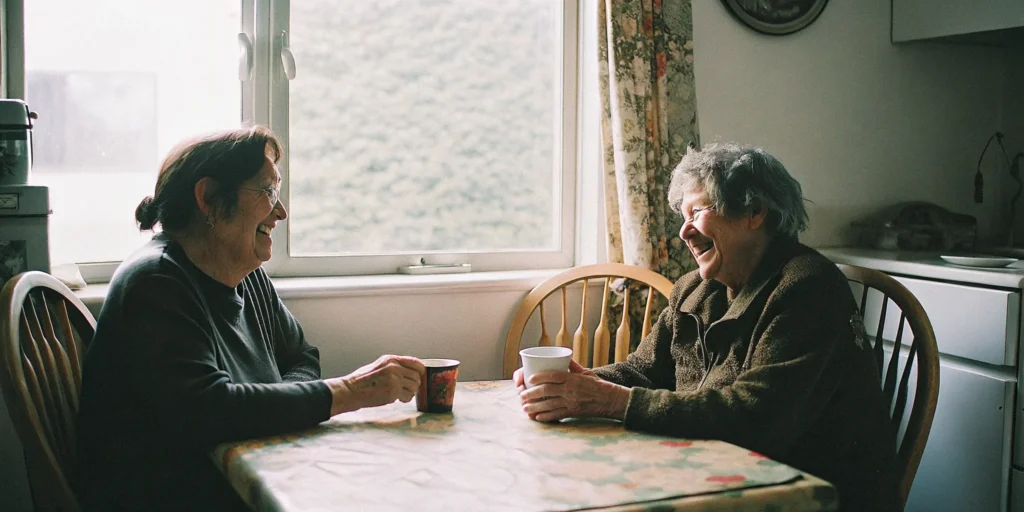
Eating every meal alone in a silent kitchen can slowly damage an older adult’s health. When days pass without a friendly chat, a senior’s mental and physical strength can fade. A warm relationship is not a luxury; it is a basic human need for safety.
Request a free home care consultation for your loved one in Aurora
Professional senior loneliness home care provides the steady social contact and companion support that older adults need to live safe lives in their own homes. According to the Centers for Disease Control and Prevention (CDC), social isolation is a serious health hazard that threatens mental and physical wellness. It can sharply raise risks for long-term health problems like heart disease, stroke, and dementia among older adults who live alone in Colorado. Trained companion caregivers help solve this growing crisis by offering friendly home visits, assisting with daily hobbies, and planning regular social outings in Aurora. This personal care builds deep trust through consistent friendly visits, which improves senior quality of life and provides complete peace of mind to family members.
Learning how to spot and address this issue is the first step toward protecting our aging loved ones. To help our family members thrive, we first look at why senior loneliness is a growing health concern in Aurora, and how the right support can turn quiet, isolated days into connected, meaningful ones.
Why Senior Loneliness Is a Growing Health Concern in Aurora
Many seniors in Colorado choose to age in place in their own homes. But living alone often brings a hidden danger. According to the CDC, social isolation and loneliness are widespread problems that threaten our health. Health experts compare the harm of long-term isolation to smoking fifteen cigarettes a day. In cities like Aurora, this quiet crisis affects many seniors.
The health risks of chronic isolation
The risks affect more than just feelings. Ongoing isolation can harm the human body in deep ways. The CDC reports that chronic loneliness can raise a person’s risk for heart disease, stroke, and type 2 diabetes. It is also linked to higher rates of depression and anxiety. For older adults, being alone for long periods can speed up mental decline and lead to dementia. These serious health issues can lead to an earlier death.
A quiet crisis for Colorado seniors
In cities like Aurora, many seniors live in quiet neighborhoods where walking to shops is hard. When driving gets hard, an older adult can quickly become cut off from neighbors. Many Colorado families turn to companion care services to help their loved ones stay active and engaged. Seeking senior loneliness home care options can make a big difference for aging parents who wish to stay in their own homes. This type of care focuses on steady connection and daily joy.
Measurable outcomes of companionship
There is clear proof that steady social contact can reverse these health risks. A clinical study published in PubMed Central (PMC) assessed the value of pairing seniors with regular social partners. The research showed that pairing seniors with a companion led to clear improvements in health and quality of life. On average, senior loneliness scores fell by nearly one point. The study also showed that mentally unhealthy days dropped by 1.4, while physically unhealthy days fell by 1.6.
Fostering trust with professional caregivers
Trained caregivers help older adults stay connected to the world around them. Rather than a team of strangers, having the same caregiver visit often builds deep trust and real friendship. These helpers can join seniors in social tasks, go on short trips, and talk about daily life. With a steady friend at home, older adults can feel less lonely and stay safe. This friendly support helps seniors in Aurora live happy and healthy lives at home.
Social Isolation vs. Loneliness: What’s the Difference?
Many people use the terms social isolation and loneliness to mean the same thing. But they are not the same. One is a physical state, while the other is an emotional feeling. Knowing the difference helps you find the right care for your family.
What Is Social Isolation?
Social isolation is a physical state where a person has very little contact with others. An isolated senior may live alone and go days or weeks without speaking to anyone. This lack of contact is a real health risk even if the senior does not feel lonely.
According to the Centers for Disease Control and Prevention (CDC), social isolation can harm an older adult’s health. It often stems from a small social network, trouble moving around, or living far from family. This physical lack of contact can happen even if a person feels happy being alone. They may feel content, but their bodies still feel the stress of being alone.
What Is Senior Loneliness?
Loneliness is different because it is a feeling in the heart. The CDC defines loneliness as feeling alone or disconnected from others. It shows the gap between the relationships a senior has and the ones they want. A senior can live with others in a busy care home and still feel very lonely.
If you are concerned about senior loneliness, home care services can help. To combat senior loneliness, home care providers offer regular, friendly visits. These visits give seniors a sense of belonging and something to look forward to each week. This warm bond helps close the gap that leads to loneliness.
How Companion Care Helps Both
Both social isolation and loneliness can lead to real health risks for seniors. But both problems can be solved with the right plan. Our trained caregivers visit seniors at home to talk, play games, and help them stay active. These visits tackle isolation by bringing a steady friendly face into the home.
To help your loved one stay safe, healthy, and happy, our care coordinators can set up a custom plan. We work with families in Aurora to create schedules that match each senior’s routine. Through regular visits, we make sure that no senior has to face the quiet days of aging alone.
The Physical and Mental Health Effects of Loneliness in Seniors
Many people think of loneliness as just a sad feeling. But health experts now know that being alone for a long time does deep damage to the body and mind.
The Centers for Disease Control and Prevention (CDC) notes that loneliness is a widespread problem. This issue poses a serious threat to both physical and mental health. When seniors do not have regular human contact, their health can decline quickly.
How loneliness harms the senior body
When a senior feels cut off from friends, the body stays in a constant state of stress. This stress raises blood pressure and weakens the immune system. Over time, these physical changes can lead to serious health problems.
The CDC warns that chronic loneliness can increase a person’s risk for heart disease, stroke, and type 2 diabetes. It also raises the risk of earlier death. When a senior lives alone without a friend nearby, they may stop cooking healthy meals or going for walks. This lack of self-care makes health conditions even worse.
The impact of loneliness on the senior mind
Loneliness does not just hurt the body. It also takes a heavy toll on the mind. Seniors who live alone often struggle with depression and anxiety.
They may start to withdraw from the world around them. When a person does not talk to anyone for days, their brain can lose its sharpness.
The CDC reports that loneliness is a key risk factor for dementia. Regular social visits help keep the mind active and bright. At Touching Hearts, our care coordinators focus on building deep bonds.
They make sure each senior gets the warm friendship and daily care they need to thrive. These meaningful social ties help support long-term brain health.
Seniors at the highest risk for isolation
While any person can feel lonely, some groups are at a much higher risk than others. According to the CDC, these groups include older adults and adults living alone. When a lifelong spouse passes away, a senior’s social circle shrinks. This loss can make it much harder to stay connected to the community.
Trouble getting around can also trap a senior inside their own home. If they can no longer drive, they may stop visiting friends or going to the store. This lack of movement leads to both physical decline and deep sadness. Having a regular visitor can help break this sad cycle and bring joy back to their day.
How Senior Loneliness Home Care Keeps Aurora Seniors Connected
Finding the right support for an aging parent can feel hard. Many families turn to senior loneliness home care to help their loved ones stay active in Aurora. Staying at home is great, but being alone for too long can hurt a senior’s health. Having a steady friend can help a lot.
Steady Friends and Familiar Faces
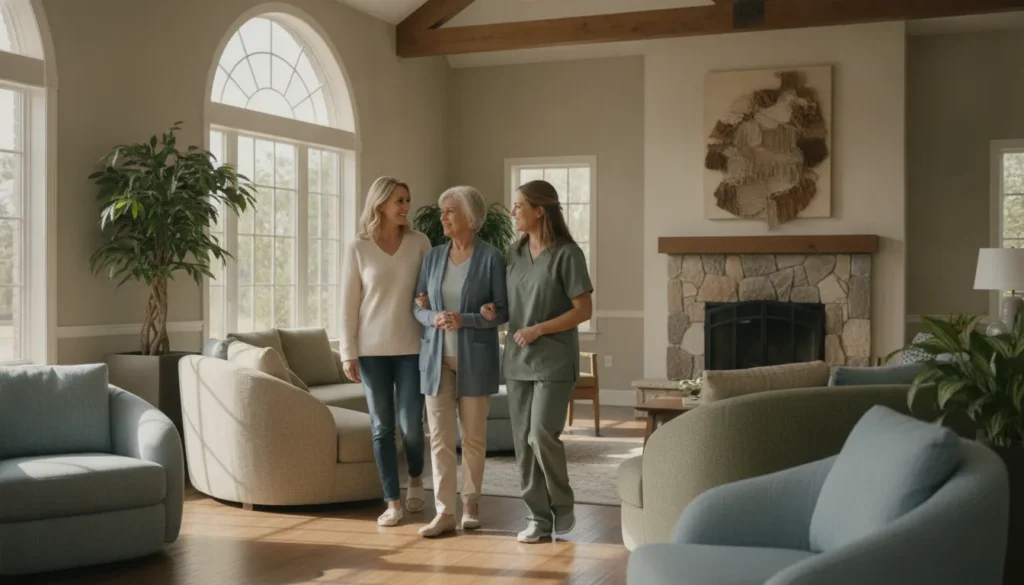
When seniors have a steady friend, they build a real bond. Our caregivers provide steady company to help seniors feel safe and seen. Seeing the same friendly face each visit is key to building trust. Over time, this deep trust helps seniors open up and look forward to each visit.
A study on companion care programs shows that regular visits greatly improve loneliness. The research tracked seniors who had regular partners. On average, their loneliness scores went down, and they had fewer unhealthy days. This shows how much a friendly visitor can boost a senior’s well-being.
Fun Activities and Hobbies at Home
Caregivers do more than just check on a senior. They help with hobbies, games, and daily chores. Our companion home care services keep seniors active inside and outside the home. For older adults who also need help with daily routines, personal care support may be part of a broader in-home plan. Whether it is baking a pie or working on a puzzle, these activities bring joy back to daily life.
Keeping the mind active is just as key as body help. When caregivers visit, they can help seniors engage in fun brain games or read books together. Sharing these moments helps keep the mind sharp and spirits high. It gives seniors something to look forward to each day.
Easy Rides to Meet with Friends
Getting out of the house can be hard for seniors who no longer drive. Caregivers can help with rides and support so seniors can visit friends and events. They help seniors go to church, visit the senior center, or see family. This extra support makes sure seniors do not feel left out of local groups.
Staying social helps seniors feel like they are part of a larger family. Care coordinators work with families to plan these trips and outings. Having a caregiver nearby gives seniors the trust to step outside and try new things. This steady support makes it easy to stay in touch with friends.
It helps to see how much of a difference this care can make. Below is a simple look at how having a companion changes daily life.
| Aspect of Life |
An Isolated Senior |
A Senior with Companion Care |
| The Same Friendly Face |
Rare visits from different people make trust hard to build. |
Consistent visits from a trusted caregiver form a deep bond. |
| Daily Connection |
Long days of silence with no one to share thoughts with. |
Daily chats, shared meals, and warm laughs bring comfort. |
| Social Outings |
Staying home alone because driving and walking are too hard. |
Safe rides and steady help to visit friends and go to events. |
| Health Monitoring |
Changes in eating, sleep, or mood go unnoticed for weeks. |
Care coordinators and caregivers spot and report health changes early. |
How to Tell if Your Aging Parent Is Feeling Lonely
Seniors do not always say when they feel lonely. They may hide their feelings to avoid being a burden to their family. Understanding these signs is the first step in deciding if senior loneliness home care could help. It is helpful to know what to watch for when you visit your aging loved one.
Changes in daily routines
One common sign of loneliness is a shift in how your parent lives each day. You might notice a change in their eating habits. A lonely senior may lose interest in cooking or eating. They might skip meals or eat much less than usual.
On the other hand, some seniors may eat more for comfort. You should also watch for a decline in self-care. If your parent stops bathing or wearing clean clothes, they may be feeling down. A messy house can also show that they are struggling to keep up with daily tasks.
Social withdrawal and mood shifts
Another warning sign is social withdrawal. Lonely seniors often stop talking to friends or joining in group activities. They may stop answering the phone or calling you as often as they did before. If they lose interest in hobbies they used to love, it could mean they feel isolated.
You might also notice mood shifts like anger or sadness. Loneliness can make a senior get angry or sad easily. This emotional stress can lead to deeper mental health struggles like anxiety. The Centers for Disease Control and Prevention reports that these feelings can hurt a person’s physical health.
Listening for verbal clues
Seniors may not say they are lonely, but they might drop clues in conversation. They might mention that the house is too quiet. They may say they have nothing to do all day. Some may talk about how much they miss their old friends or neighbors.
If you hear these statements often, it is time to think about extra support. Getting help from a caregiver can keep them active and engaged. A companion can visit their house to share a meal or play a game. For families exploring care options, our list of frequently asked questions offers guidance on setting up home visits.
Practical Ways to Help a Senior Stay Connected at Home
Loneliness is a quiet but real struggle for many older adults. When seniors stay at home, they may find it hard to see friends or family. This lack of contact can slowly harm their health.
Families can help by taking active steps to keep their loved ones involved in daily life. Simple changes can make a big difference in how they feel. You do not have to do all of this on your own.
Risks for isolated seniors
Some groups of people face a much higher chance of feeling lonely. The Centers for Disease Control and Prevention (CDC) notes that older adults and adults who live alone are at a higher risk. Living alone makes it much harder to have daily talks.
Over time, this isolation can lead to deep sadness or physical decline. Many families in Aurora notice these signs in their aging parents. Finding these risks early helps you take action before problems grow.
The power of connection
Social connections are vital for senior health. When seniors stay active, they often sleep better and have more energy. Regular visits can keep their minds sharp and lift their spirits. Making an effort to help them connect can bring back a sense of purpose.
Steps to take
There are many clear ways to help seniors stay connected. Families often ask frequently asked questions about how to start these changes. Small and regular actions often work best to build a happy routine. Here are five steps you can take today.
- Set up regular phone and video calls. You can schedule these calls for the same time each week so your loved one expects them. This consistent routine gives seniors a happy event to look forward to and keeps family bonds strong.
- Invite neighbors and friends for short visits. Simple visits with people nearby can help seniors feel connected to others in the area. Even a ten-minute chat on the porch can brighten their whole day and reduce feelings of being left out.
- Encourage hobbies and social clubs. Helping your loved one join a club or paint at home can spark new joy and focus. Look for senior centers in Aurora that host fun events for older adults.
- Teach them to use simple tech. Easy tools let older adults send quick texts, share family photos, and talk with friends anytime. Show them how to use tablets with large buttons or voice commands to make calling easy.
- Consider professional senior loneliness home care. Hiring a friendly caregiver offers steady support and daily help. A companion can visit your loved one to share meals, play games, and go on walks.
Talk to our Aurora care team about starting senior loneliness home care today
Frequently Asked Questions
How does senior loneliness home care support aging adults?
This specialized care focuses on reducing isolation by pairing seniors with friendly, consistent caregivers. According to a study in PubMed Central, companion care can significantly improve loneliness among stressed populations. Caregivers visit seniors at home, share in hobbies, and help them stay active. These visits help seniors feel connected and improve their daily quality of life.
Is social isolation a health risk if a senior does not feel lonely?
Yes. A person can be socially isolated even if they do not feel lonely. According to the CDC, social isolation poses a major health risk even without feelings of loneliness. Seniors who live alone or have few social contacts still face higher risks for heart disease, stroke, and memory loss. Professional companionship ensures they stay connected and safe.
Which groups of older adults face the highest risk of loneliness?
Many factors can increase the risk of loneliness as people age. According to the CDC, older adults and those who live alone face the highest risk. Seniors who have lost a spouse or have limited mobility are also very vulnerable. Regular visits from a professional companion caregiver can offer vital support for these groups.
What activities do companion caregivers do with seniors to reduce loneliness?
Companion caregivers help seniors stay active and engaged through many daily activities. They share friendly conversations, play games, and assist with hobbies. Caregivers also help seniors use technology like video calls to talk with family. These services help seniors maintain regular social contact and build a strong relationship with their caregiver.
Ready to Help Your Loved One Stay Connected?
Social isolation and loneliness can quickly harm an older adult’s physical health, mental peace, and overall safety when left unchecked. Waiting to take action only allows these lonely feelings to grow deeper, increasing serious risks like high blood pressure and memory loss. You do not have to wait for a health crisis to bring regular friendship, helper support, and reliable comfort into their daily routine. By starting companion care services right now, you ensure your aging parent stays active and engaged while restoring your own peace of mind. Taking this caring step today ensures they always have a friendly, familiar face to keep them safe and happy at home.
Ready to help your loved one? Contact our Aurora care team to learn how companion care reduces senior loneliness.