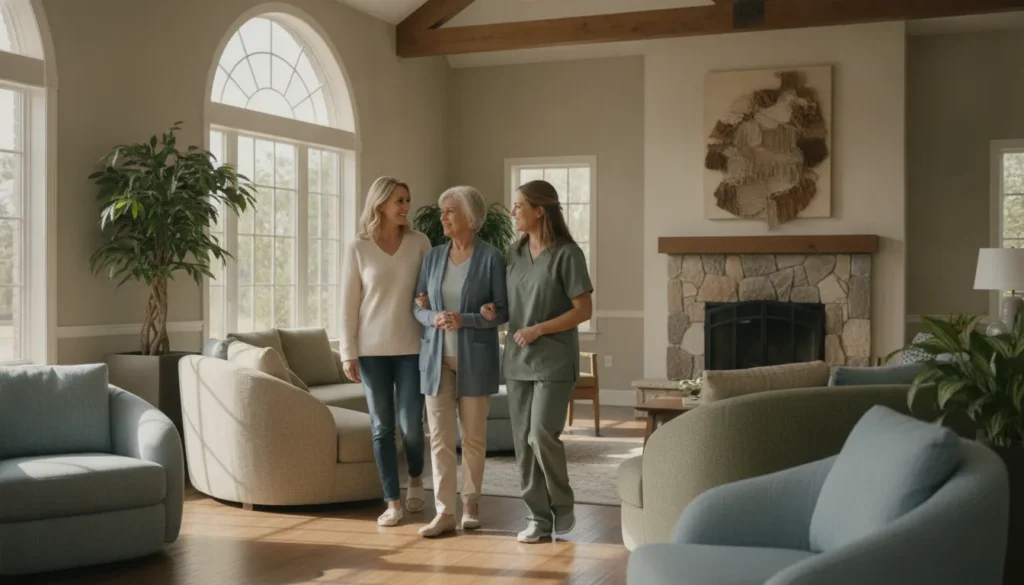
You’ve noticed your loved one seems a bit more isolated lately. The phone calls are less frequent, and they’ve lost some interest in the activities they once loved. You want to ensure they are safe and happy at home, but your own schedule makes it impossible to be there all the time. This common dilemma leads many families to explore support options that go beyond medical assistance. The central question becomes, what does a companion for the elderly do to fill these gaps? A companion provides a unique blend of friendship, practical help, and gentle oversight, creating a support system that fosters independence and brings peace of mind.
Key Takeaways
- More Than Just Help, It’s Friendship: Companion care centers on providing social connection and emotional support, which helps prevent loneliness and keeps your loved one mentally and emotionally engaged with life.
- Support for Daily Life at Home: Companions provide practical assistance with tasks like meal prep, light housekeeping, and transportation, making it easier for seniors to maintain their independence and routines in a safe, familiar environment.
- Finding the Right Match is Key: To choose the best support, first understand the differences between companion, personal, and home health care, then look for a provider who emphasizes caregiver compatibility, safety, and compassion.
What is Companion Care for Seniors?
When you think about care for a loved one, your mind might jump to medical needs. But what about their social and emotional well-being? That’s where companion care comes in. It’s a form of in-home support focused on friendship, engagement, and help with daily tasks that don’t involve hands-on medical assistance. Think of it as having a trusted friend who stops by to brighten the day, share a conversation, and make life at home a little easier and more enjoyable. This type of care helps seniors stay connected and active, fighting off the loneliness that can so easily creep in.
A Focus on Non-Medical Support
Companion care is all about providing non-medical help. This means a caregiver won’t administer medication or perform clinical tasks, but they will offer invaluable support in other ways. The primary goal is to provide emotional support and assistance with social activities, making daily life more manageable and pleasant. This can include anything from playing a card game and discussing current events to helping organize a closet. It’s a flexible service designed to fill the gaps where a little extra help is needed, allowing your loved one to thrive at home. Our range of home care services is built around this very principle of supportive, non-medical assistance.
Building Emotional and Social Connections
At its core, companion care is about connection. A companion caregiver becomes a trusted friend, someone your loved one can rely on for company and conversation. They are there to listen, share stories, and participate in hobbies, from gardening to watching a favorite movie. This consistent social interaction is vital for mental and emotional health, helping to prevent feelings of isolation. By providing genuine companionship, a caregiver helps seniors stay engaged with the world around them. This relationship is built on trust and shared experiences, bringing warmth and joy into the daily routine.
Clearing Up Common Misconceptions
Many people believe in-home care is only for those who are seriously ill, but that’s not the case. Companion care is for anyone who could benefit from extra help and friendship, regardless of their medical condition. It’s about improving quality of life. Another common worry is that a professional caregiver won’t truly care. We believe compassion is the foundation of great care. Our caregivers are dedicated professionals who choose this work because they want to make a positive difference in people’s lives. Learning more about our team can help put your mind at ease and show you the heart behind our work.
What Does a Senior Companion Do?
A senior companion’s role is wonderfully varied, centered on one main goal: improving your loved one’s quality of life at home. Think of them as a supportive friend who also helps with daily tasks that have become a bit more challenging. Their duties are flexible and personalized, adapting to the specific needs and personality of the person they’re caring for. From sharing stories over a cup of coffee to making sure the pantry is stocked, a companion provides the non-medical support that helps seniors live safely and joyfully in a familiar environment. Let’s look at some of the specific ways a companion can help.
Providing Social Interaction and Conversation
One of the most important things a companion does is offer genuine friendship. For many seniors, days can feel long and quiet, and loneliness can have a real impact on mental and emotional health. A companion fills that silence with engaging conversation, laughter, and shared activities. They can play cards, work on a puzzle, listen to music, or simply sit and chat about current events or cherished memories. This consistent social interaction is key to staying mentally sharp and emotionally fulfilled. Our companionship services are designed to provide this vital connection, helping your loved one feel seen, heard, and valued every day.
Assisting with Light Housekeeping
A clean and organized home contributes to a sense of well-being and safety. While a companion isn’t a maid service, they do help with daily chores to keep the living space tidy and comfortable. This can include tasks like washing dishes after a meal, doing a load of laundry, changing bed linens, watering plants, and tidying up the living room. By handling these small but essential tasks, a companion helps maintain a pleasant environment, allowing your loved one to relax and enjoy their home without the stress of keeping up with housework. This support with light housekeeping makes a big difference in daily life.
Preparing Meals and Supporting Nutrition
Good nutrition is essential for health, but cooking can become difficult for many seniors. A companion can step in to ensure your loved one is eating well-balanced, delicious meals. This can involve planning a weekly menu, grocery shopping for fresh ingredients, and preparing breakfast, lunch, or dinner. They can even turn mealtime into a collaborative and enjoyable activity by cooking together. Having someone to share a meal with can also encourage a better appetite and make eating a more social, pleasant experience. Our caregivers are happy to help with all aspects of meal preparation, from planning to cleanup.
Helping with Errands and Transportation
Maintaining independence often means being able to get out of the house for appointments and errands. When driving is no longer safe or possible, a companion can provide reliable transportation. They can drive your loved one to doctor’s visits, the pharmacy, the grocery store, or the local community center for social events. This service does more than just check items off a to-do list; it keeps seniors connected to their community and allows them to continue their routines without interruption. Having dependable transportation gives both seniors and their families incredible peace of mind.
Offering Medication Reminders and Safety Oversight
While companions do not administer medications, they play a crucial role in ensuring they are taken on time. They can provide simple verbal reminders for prescribed doses, helping your loved one stick to their medication schedule. Beyond that, a companion offers an extra layer of safety at home. Their presence can help prevent falls, and they can be there to assist in case of an emergency. This gentle oversight is one of the most valuable aspects of companion care, as it helps seniors remain independent at home while giving their families confidence that someone is there to look out for their well-being.
How is Companion Care Different From Other Care Options?
When you start looking into in-home support for a loved one, you’ll quickly find there are many different terms for care. It can be confusing to sort through options like companion care, personal care, and home health care. Understanding the key differences is the first step toward finding the right support system for your family. Each type of care addresses specific needs, and knowing which is which will help you make a confident and informed decision.
Companion Care vs. Personal Care
The main difference between companion care and personal care comes down to one thing: physical contact. Companion care is a non-medical service that focuses on emotional support and socialization. A companion caregiver is there to be a friend, share in conversations, play games, and help with errands. Their goal is to ensure your loved one stays socially engaged and has help with daily household tasks.
On the other hand, personal care involves hands-on assistance with activities of daily living (ADLs). This includes help with tasks like bathing, dressing, grooming, and getting in and out of bed. While one caregiver can certainly provide both types of services, personal care is designed for individuals who need direct physical support to get through their day safely.
Companion Care vs. Home Health Care
People often use the terms “companion care” and “home health care” interchangeably, but they are quite different. Companion care is non-medical and centers on quality of life and independence at home. It’s designed to help with everyday living, not just for those who are seriously ill. A companion provides company, helps with light housekeeping, and encourages participation in hobbies.
Home health care, however, is clinical medical care provided at home by a licensed professional, like a registered nurse or physical therapist. It’s typically prescribed by a doctor to treat an illness or injury. While we offer private nursing services for those with specific medical needs, companion care focuses on the social and emotional well-being that is just as vital to overall health.
Choosing the Right Type of Care
Selecting the right care starts with understanding your loved one’s specific needs. Are they feeling isolated and could use a friendly face, or do they need physical help with daily routines? Be honest about the level of support required. When you speak with potential providers, pay attention to how they interact with you and your loved one. Look for empathy, patience, and clear communication.
The best care plan is one that is flexible and tailored to the individual. Needs can change over time, so it’s important to choose a provider who can adapt. Don’t hesitate to ask questions and discuss your family’s unique situation. The goal is to find a solution that provides support for your loved one and peace of mind for you.
What are the Benefits of Companion Care?
Choosing companion care is about more than just checking tasks off a list. It’s an investment in your loved one’s overall well-being, happiness, and quality of life. The right companion brings a sense of connection and security that can make a world of difference, not just for the person receiving care, but for the entire family. From supporting mental health to making the home a safer place, the advantages are both practical and deeply personal. Let’s look at some of the most significant benefits you can expect.
Combating Loneliness and Supporting Mental Health
For many seniors, especially those who live alone, loneliness can become a constant presence. A companion caregiver provides consistent, friendly social interaction that can brighten their entire day. Having someone to chat with over coffee, play a card game with, or simply share stories with is vital for mental and emotional health. This regular companionship helps prevent the feelings of isolation and depression that can sometimes accompany aging. It’s about building a genuine friendship that offers emotional support, laughter, and a listening ear, ensuring your loved one feels seen, heard, and valued every day.
Improving Safety While Maintaining Independence
One of the biggest goals for most seniors is to remain in their own homes for as long as possible. Companion care makes this a safe and achievable reality. A companion can keep an eye out for potential hazards around the house, offer a steady arm during walks, and ensure that daily needs are met without compromising independence. They become a trusted friend who helps with errands, light housekeeping, and transportation, all while encouraging your loved one to stay active and engaged. This layer of support allows seniors to maintain their familiar routines and sense of self-sufficiency in the comfort of their own home.
Providing Peace of Mind for Families
When you can’t be there yourself, knowing your loved one has a caring and reliable companion brings incredible peace of mind. Family caregivers often juggle many responsibilities, and it’s comforting to know that someone is providing social interaction and support. A companion ensures your family member gets to important appointments and social outings, keeping them connected to their community. This partnership in care relieves stress and allows you to focus on enjoying quality time with your loved one, confident that their daily needs and safety are in good hands.
Creating Routines and Engaging in Activities
A structured day can provide a sense of purpose and stability, particularly for individuals with memory conditions like dementia. A companion helps create and maintain gentle daily routines, from sharing meals at regular times to setting aside time for favorite hobbies. More than just doing tasks for them, a great companion does things with them. This could mean preparing a favorite recipe together, working on a puzzle, listening to music, or taking a walk in the garden. This interactive approach keeps your loved one mentally stimulated, physically active, and emotionally engaged in the life they love.
How to Find the Right Companion for Your Loved One
Choosing a companion for someone you care about is a significant decision. You’re not just hiring help; you’re inviting someone into your loved one’s life to provide support, friendship, and assistance. The goal is to find a person and a provider that aligns with your family’s needs and values. This process involves looking for specific personal qualities, asking the right questions, and ensuring a good personality match. By taking a thoughtful approach, you can find a companion who genuinely enriches your loved one’s daily life and provides peace of mind for everyone.
Key Qualities of a Great Companion
When you begin your search, focus on the human qualities that make a companion truly special. A great companion is more than just a helper; they are a source of comfort and connection. Look for someone who shows genuine empathy and can understand your loved one’s perspective. Patience is another crucial trait, especially when assisting someone who may be experiencing physical or cognitive changes. Strong communication skills are also essential for building a trusting relationship and keeping the family informed. Above all, reliability is non-negotiable. You need to know that the companion will be there when they say they will, providing consistent and dependable care.
Before committing to a service, it’s important to have a clear conversation with potential providers. Start by outlining the specific companionship services your loved one needs. Do they require help with meal prep, transportation, or simply social interaction? Ask the provider how they screen their caregivers and what their training process involves. Inquire about their policies on background checks and how they handle situations where a caregiver may not be a good fit. It’s also a good idea to ask for testimonials or references to hear from other families about their experiences. A transparent and professional agency will be happy to answer all your questions.
Ensuring Compatibility and Safety
Safety and compatibility are the cornerstones of a successful companionship arrangement. A reputable provider will conduct thorough background checks on all their caregivers to ensure your loved one’s safety. Beyond that, personal compatibility is key. Pay attention to how a potential companion interacts with your family member during an initial meeting. Do they seem patient and engaged? Does their personality complement your loved one’s? Our dedicated care teams are carefully selected to match the unique needs and personalities of our clients, because we know that a strong personal connection makes all the difference in providing meaningful support and friendship.
Signs It’s Time for Companion Care
It can be difficult to know when to introduce companion care. Often, the signs are subtle at first. You might notice your loved one seems more lonely or withdrawn than usual. Perhaps they’ve lost interest in hobbies they once enjoyed or are having more trouble keeping up with daily tasks like light housekeeping or cooking. A decline in social interactions or expressions of boredom can also be indicators. If you observe these changes, it may be the right time to consider companion care. This type of support can provide the social engagement and practical help needed to improve their quality of life and help them remain independent at home.
Related Articles
How is companion care different from personal care? The simplest way to think about it is that companion care focuses on friendship and household support, while personal care involves hands-on physical assistance. A companion is there to share in conversation, help with errands, and keep the house tidy. A personal caregiver provides direct help with activities like bathing, dressing, and grooming.
Does a companion caregiver handle medical needs? No, companion care is a non-medical service. A companion will not administer medication, change bandages, or perform any clinical tasks. They can, however, offer helpful verbal reminders to take medications on schedule and provide general safety oversight in the home, which offers great peace of mind.
My parent seems fine on their own, so why would they need a companion? Companion care is not just for those who need significant help; it’s for anyone who could benefit from more social connection and light support. Even very independent seniors can experience loneliness or find that certain tasks, like grocery shopping or meal prep, have become more of a chore. A companion provides friendship and assistance that helps maintain independence and improves overall happiness.
What kind of activities does a companion actually do with a senior? The activities are completely tailored to your loved one’s interests and personality. A companion might spend the afternoon playing a favorite card game, working on a puzzle, or listening to music. They could also prepare a meal together, help with light gardening, go for a walk, or provide transportation to a doctor’s appointment or a friend’s house. The goal is to provide engaging and enjoyable interaction.
How do you make sure the caregiver is a good match for my loved one? Finding the right personality fit is one of the most important parts of what we do. We take the time to understand your loved one’s personality, hobbies, and specific needs during our initial conversations. Based on that information, we carefully select a caregiver from our team who we believe will connect with them on a personal level, because a strong, trusting relationship is the foundation of great care.